Can A Pan Go In The Oven: Guide To Oven-Safe Cookware
Yes, many pans can go in the oven, but materials and parts matter.
If you have ever asked can a pan go in the oven, you are not alone. I have cooked in home and pro kitchens, and I know the stakes. You want crisp edges, even heat, and zero damage. This guide breaks it down with clarity and care. You will learn when can a pan go in the oven, what to avoid, and how to cook smarter with confidence.

What Makes a Pan Oven-Safe
Oven safety comes from heat tolerance and stable design. A pan can go in the oven if the body, handle, and lid can all take the heat. Weak links fail first, often the handle or coating.
Most makers print oven limits on the base or in manuals. When in doubt, look up the exact model. A simple rule helps. Metal body plus metal handle and no glue is a yes most times. Coatings and plastics change the answer fast.
Heat moves different in an oven than on a burner. You get steady, all-over heat and slow air flow. This helps roasts and baked eggs. It can also stress cheap pans and weak joints.

Materials Guide: Which Pans Can Go in the Oven
Different metals act in different ways. The answer to can a pan go in the oven often depends on what it is made of.
Cast iron
Cast iron is a star for oven use. It loves high heat and holds it well. It can go from sear to bake with no fuss. Keep the seasoning safe by adding a light oil coat after washing.
Enameled cast iron
Great for braise and bake. The enamel adds a smooth coat that resists rust. Avoid thermal shock. Do not move it from hot oven to cold water.
Stainless steel
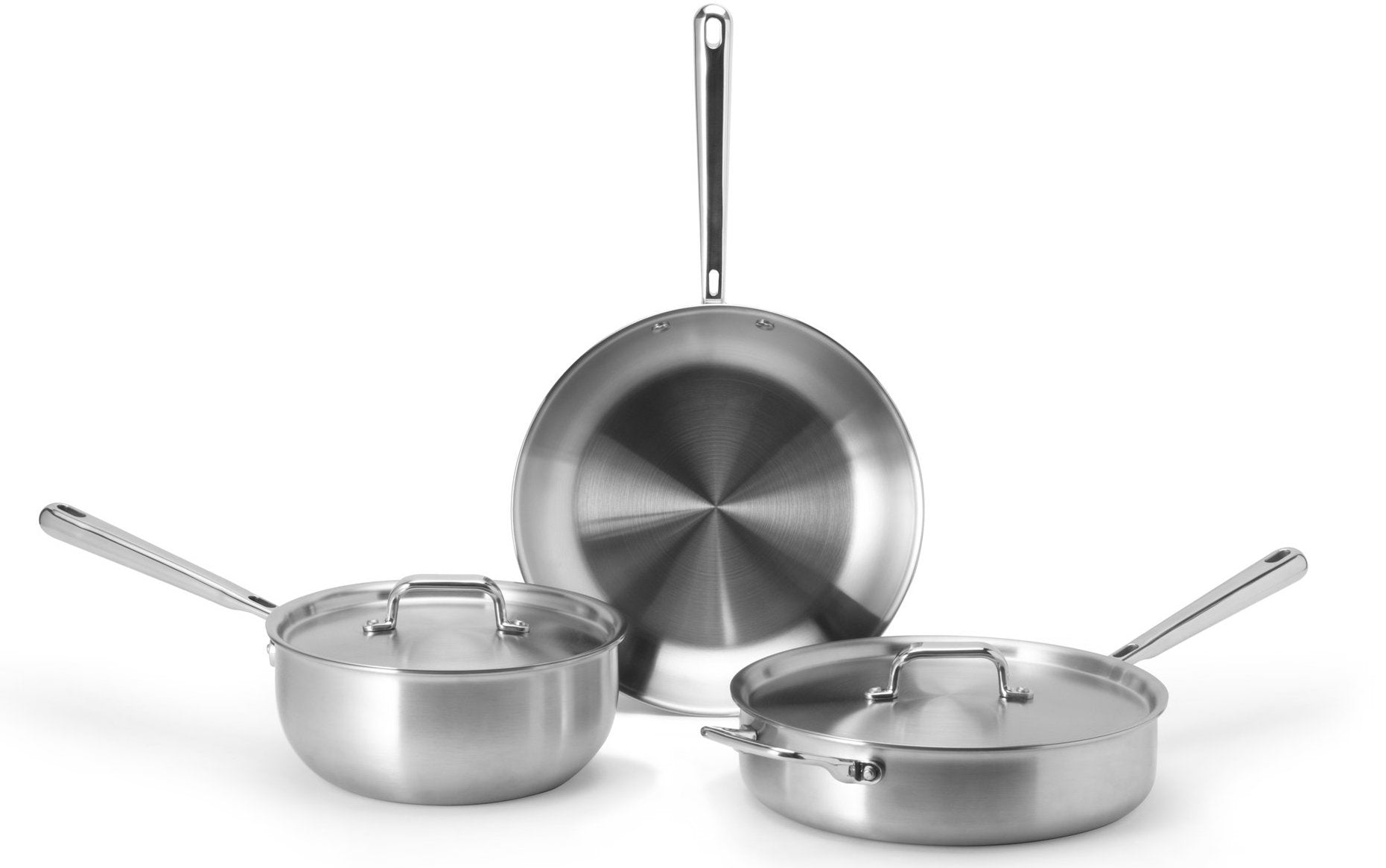
Most stainless steel pans are oven-safe. Many can handle 500°F. Multi-clad pans spread heat well. Watch the handles and lids, as they can set the real limit.
Carbon steel
Like cast iron but thinner. It heats fast and seasons well. It is great for frittatas and skillet pizza.
Hard-anodized aluminum
Often oven-safe to moderate temps. Many max out at 400–450°F. Nonstick versions need extra care near the limit.
Plain aluminum
Often fine without coatings, but it can warp at high heat. If it has a nonstick coat, follow that coat’s limit.
Nonstick (PTFE)
Nonstick can go in the oven only within its rated temp. Many are safe to 400–450°F. Broilers are risky. PTFE can degrade at very high heat. Keep a safety buffer.
Ceramic nonstick
These pans can be oven-safe, but the limit varies a lot. Many top out at 400–450°F. Check your book or maker page.
Stoneware and glass bakeware
Not pans, but people ask. Most are oven-safe by design. They are not for the stove. Avoid broilers and sudden shocks.

Handles, Lids, and Coatings Matter
Can a pan go in the oven even if the body is metal? Not if the handle fails. Handles change the game.
Look at handle types:
- Cast stainless or iron handles are usually oven-safe.
- Silicone grips are often safe to 400–428°F, sometimes higher.
- Phenolic or Bakelite handles can fail around 350–375°F.
- Wood handles are not oven-safe.
Lids matter too:
- Metal lids are usually fine.
- Tempered glass lids have lower limits. Many stop at 350–400°F. Keep space under broilers, as direct elements can shatter glass.
Coatings and glue:
- Nonstick and enamel set the real limit. Do not pass it.
- Some handles use hidden adhesives. Those can soften in heat.
When unsure, remove grips if they are slip-on. Or choose an all-metal skillet for oven moves.

Temperature Limits and Broiler Use
The phrase can a pan go in the oven often hides the real question. How hot can it go?
Practical limits:
- Cast iron, carbon steel, bare stainless often handle 500°F or more.
- Most nonstick stops at 400–450°F.
- Many silicone parts cap at 428°F.
- Glass lids often cap at 350–400°F.
Broilers are a special case. They can hit 500–550°F or more. The top heat is harsh and very close. Nonstick is a bad match. Wood and many plastics will fail. Use cast iron, carbon steel, or stainless for broilers.
How to Check If Your Pan Can Go in the Oven
Before you ask again can a pan go in the oven, run this quick check.
Steps to verify:
- Read the stamp under the pan. Look for an oven icon and a temp.
- Check the manual or maker site for your model number.
- Inspect the handle. Metal-to-metal rivets are best.
- Note coatings. Nonstick has a stated max. Do not guess.
- Test with a low-temp bake first. Listen for clicks or odd smells.
If you still feel unsure, pick a cast iron or all-metal stainless pan. These are safe bets for most tasks.
Safe Oven Use: Step-by-Step and Tips
This routine has saved me pans and meals. It is simple and it works.
Do this when moving a pan to the oven:
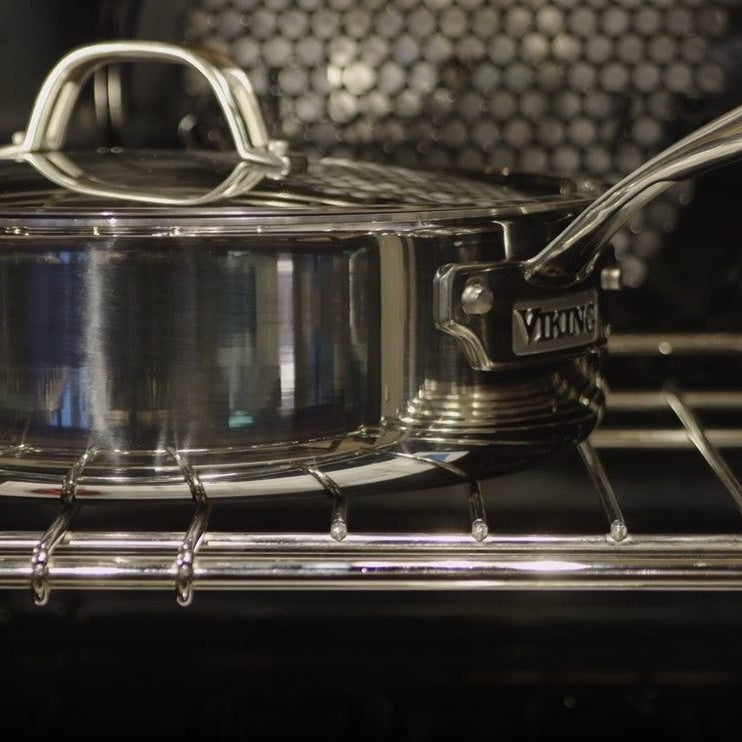
- Preheat the oven with the rack in place.
- Dry the pan base. Water drops can flash to steam and warp thin pans.
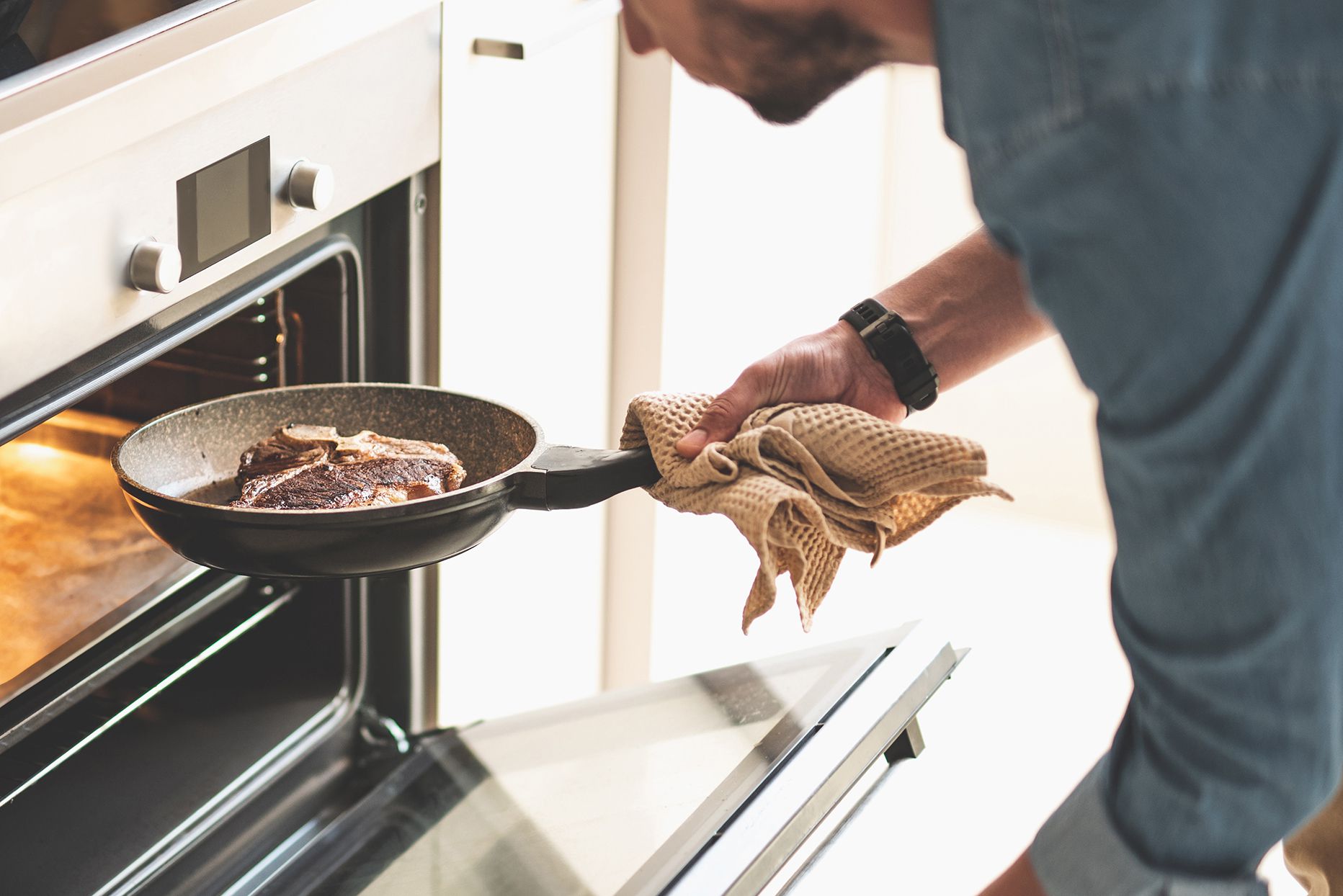
- Use oven mitts. Metal handles heat fast.
- Leave space around the pan for air flow.
- Keep lids vented unless a seal is needed for braise.
Helpful tips:
- Sear on the stove, then finish in the oven for even doneness.
- Place a sheet tray under skillets to catch drips.
- For fish or eggs in nonstick, keep below the rated limit by 25°F.
These small choices make a big difference in care and taste.

Common Mistakes and How to Fix Them
People ask can a pan go in the oven after a mishap. Avoid these traps.
Mistakes to avoid:
- Using nonstick under a broiler. This ruins the coat fast.
- Grabbing a hot metal handle bare-handed. Always use a mitt. Tag the handle with a towel tail as a reminder.
- Thermal shock. Do not add cold liquid to a hot pan.
- Ignoring the handle material. The handle often sets the limit.
Fixes and workarounds:
- Warped aluminum pans can serve for roasting nuts or as drip trays.
- Lightly re-season cast iron after tomato braises to refresh the coat.
- If a silicone grip smells or softens, replace it and lower your max temp.
Each fix comes from small steps. Care now avoids cost later.

Real Kitchen Examples and Lessons Learned
From my first line-cook job, I learned this the hard way. We asked can a pan go in the oven, then sent a nonstick skillet under a salamander. The coating bubbled. Lesson learned. Since then, I keep nonstick far from broilers.
At home, I use a 12-inch cast iron for sear-and-bake steak. It starts on the stove, then finishes at 425°F. The crust stays crisp, and cleanup is easy. When I coach friends, I say this. If you wonder can a pan go in the oven, and you plan high heat, reach for cast iron or stainless.
I once melted a plastic knob on a glass lid at 450°F. The pot was fine, the knob was not. Now I swap in a metal knob rated for ovens. Small upgrades make gear more flexible.
Matching the Right Pan to the Right Job
Pick the tool that fits your recipe and heat.
For high-heat roasts and broils:
- Cast iron skillet
- Carbon steel pan
- Stainless steel roasting pan
For gentle bakes and sticky foods:
- Ceramic or PTFE nonstick within limits
- Enameled cast iron for braises
- Hard-anodized aluminum for casseroles
For stovetop-to-oven meals:
- Metal handles, no plastic
- Lids that match the target temp
- A clear plan for finish temps
With the right match, you will not need to ask can a pan go in the oven again. You will know.
Care, Cleaning, and Lifespan
Oven use can be tough on pans. A few habits keep them strong.
Care tips:
- Let pans cool on the stove or a trivet. Do not dunk hot pans in cold water.
- For cast iron and carbon steel, wash, dry, and oil lightly.
- For nonstick, avoid sprays that build sticky film. Use soft sponges only.
- For stainless, soak and use a gentle scrub. Bar cleaners remove rainbow stains.
Storage tips:
- Stack with cloth or paper pads to avoid scratches.
- Keep lids off until pans are dry.
Treat your pans well, and they treat you well back.
Frequently Asked Questions of can a pan go in the oven
Can a pan go in the oven if it has a silicone handle?
Yes, often up to about 400–428°F. Check the exact limit, since brands vary.
Can a pan go in the oven under the broiler?
Use cast iron, carbon steel, or stainless only. Keep nonstick and glass lids away from broilers.
Can a pan go in the oven if it is nonstick?
Yes, within the printed limit, usually 400–450°F. Avoid broilers and do not exceed the rating.
Can a pan go in the oven if it has a glass lid?
Sometimes, but most glass lids have lower limits around 350–400°F. Keep them away from direct top heat.
Can a pan go in the oven straight from the fridge?
Better not. Sudden heat can warp metal or crack enamel or glass. Let the pan warm a bit first.
Conclusion
The short answer is simple. Many pans are oven-safe, but the details matter. Materials, handles, lids, and coatings decide the real limit. When you ask can a pan go in the oven, think like a pro. Match the pan to the heat and use the maker’s rating.
Try one stovetop-to-oven recipe this week using a safe pan. Note the temp, time, and handle feel. Share what worked and what did not. Want more gear guides and tested recipes? Subscribe, explore more resources, or drop a question in the comments.

Hi, I’m Mary, the founder of KitchenClue.com. I’m deeply passionate about everything that makes a kitchen smarter, easier, and more enjoyable. I share hands-on insights and practical expertise on kitchen gear that truly helps in daily cooking. Along with my dedicated research team, we study products carefully, and our writers create honest, well-tested reviews using trusted, authentic sources—so you can choose kitchen tools with total confidence.