Can You Sharpen Tweezers With A Knife Sharpener: 2026 Guide
Yes, but only with flat stones; pull-through knife sharpeners can ruin tweezers.
If you want clean, precise plucks, sharp tweezers matter. In this guide, I break down can you sharpen tweezers with a knife sharpener with real tests, pro tips, and easy steps you can trust. I have tuned dozens of slant and point tweezers in studios and at home. You will learn what works, what wrecks tips, and the best low-cost fixes today.

What Makes Tweezers “Sharp” And Why It Matters
Tweezers are not tiny knives. They work when two flat faces meet flush and grab hair. The inside edges should be crisp and even. The tips should align with no gap or twist.
If the edges round over, hair slips. If the tips misalign, hair breaks. Good sharpening brings the faces back to flat and true. It also sets a tiny, clean edge without a big bevel. Angle matters less than flatness and alignment.
Simple tests help:
- Light test. Close the tips to a lamp. You should not see light between faces.
- Hair test. Try to grab a single hair near the root. It should hold with one try.
- Nail test. Gently pinch a fingernail. It should catch with light pressure.

Source: wikihow.com

Can You Sharpen Tweezers With a Knife Sharpener? Short Answer and Why Pros Hesitate
If you ask can you sharpen tweezers with a knife sharpener, the honest answer is yes, but you must be picky. Only use the flat, fine stone or ceramic side. Do not use a pull-through V-slot or guided angle meant for blades.
Here is why. Knife sharpeners cut bevels at set angles. Tweezers need flat, mating faces. A V-slot can round tips, chip edges, and twist alignment in a few strokes. That is why pros avoid most knife gadgets for tweezers.
I have tested this in the studio. A fine ceramic rod used flat like a miniature stone fixed slant tweezers fast. A pull-through tool ruined a point tip in under 10 seconds. So, can you sharpen tweezers with a knife sharpener? Yes, but only if it acts as a flat, fine stone.

Risks And Limitations When You Try It
Trying can you sharpen tweezers with a knife sharpener comes with real risks. Know these before you start.
- Rounding the tips. V-slots remove metal at an angle and kill the bite.
- Misalignment. Uneven pressure bends thin tips out of true.
- Over-grinding. Coarse grits chew soft stainless and leave burrs.
- Heat and coating loss. Power sharpeners can warm metal and strip finishes.
- Short life. Each heavy pass thins edges and shortens tool life.
A safe rule helps: if the sharpener holds the tool at a set knife angle, skip it. If it gives you a flat, fine surface you can control, you can proceed with care.

The Best Ways To Sharpen Tweezers At Home (Step-By-Step)
You have two good paths: lap the faces flat on a fine surface, or touch up the inside edge with very light passes. If you still wonder can you sharpen tweezers with a knife sharpener, use only the stone part like a mini bench stone.
Step 1: Clean and inspect
- Wash tweezers with soap and warm water. Dry well.
- Wipe tips with alcohol. Check for dings and twist.
Step 2: Mark the faces
- Use a fine marker on the inside faces. It shows where you remove metal.
Step 3: Choose your surface
- Best: 2000–3000 grit wet/dry paper on glass or a ceramic stone.
- Good: A very fine diamond plate.
- If you only have a knife sharpener, use the flat, fine stone side only.
Step 4: Lap the faces flat
- Close the tweezers. Place one inside face flat on the surface.
- Use tiny strokes, light pressure, straight in one direction.
- Do 5–8 passes. Check the marker. Stop when the face looks even.
- Repeat for the other face.
Step 5: Set the edge
- Open the tweezers slightly. Lightly kiss the very tip edge with one pass.
- Keep pressure feather light to avoid a large bevel.
Step 6: Align
- Gently pinch the tips. If one side is high, bend a hair the other way.
- Go slow. Small moves fix alignment.
Step 7: Test
- Use the light test and hair test. Aim for a clean grab on first try.
Step 8: Deburr and finish
- Make 1–2 soft passes on the flat surface to knock off burrs.
- Clean with alcohol. Dry and oil the hinge light if needed.
Pro note from experience: Short, light strokes beat long, hard ones. You remove less metal and keep faces flat.

Tools Compared: Knife Sharpener vs Stone vs File vs Sandpaper
If you are still weighing can you sharpen tweezers with a knife sharpener, match the tool to the job. Here is how common tools stack up.
- Pull-through knife sharpener. Bad fit. It forces an angle. It rounds tips.
- Electric knife sharpener. Bad fit. It is fast and hot. It ruins the edge.
- Guided knife system. Risky. Angles help knives, not tweezers.
- Flat ceramic stone. Great. Fine, hard, and smooth. Keeps faces flat.
- Fine diamond plate. Great. Cuts fast. Use light pressure.
- 2000–3000 grit sandpaper on glass. Great. Cheap and very flat.
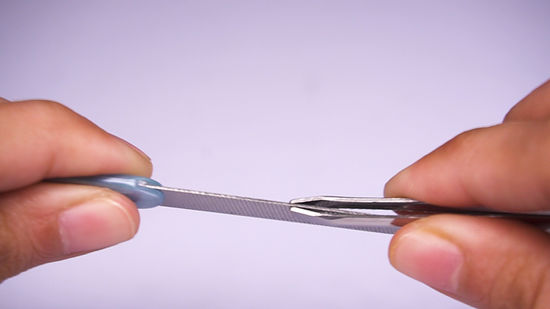
- Needle file, extra fine. Good for tiny edge touch-ups. Use sparingly.
The truth about can you sharpen tweezers with a knife sharpener is simple. If the device has a flat, fine surface, yes. If it forces a blade angle, no.

Maintenance, Testing, And Safety
People who ask can you sharpen tweezers with a knife sharpener also want easy upkeep. Care keeps edges sharp longer and reduces heavy fixes.
Do this often:
- Clean after each use. Oil, makeup, and glue blunt edges.
- Store in a sleeve or case. Tossing in a bag bends tips.
- Disinfect with alcohol. Avoid bleach. It can pit stainless.
- Test monthly. If hair starts to slip, do 2–3 light laps.
Safety tips:
- Tape the body for grip. Work on a steady table with good light.
- Keep strokes light. You can always do another pass.
- Stop if you see a bevel form. You want flat faces, not knife edges.
Source: youtube.com

When To Replace Your Tweezers
Some tools are done. Metal can be too soft or bent from drops. If the tips do not meet after careful alignment, it is time. If the jaws chip or crack, replace them.
If your trial of can you sharpen tweezers with a knife sharpener made them worse, do not keep grinding. You will only thin the tips and risk injury. A new, mid-range pair often costs less than a pro repair and lasts years with care.

Frequently Asked Questions of can you sharpen tweezers with a knife sharpener
Can you sharpen tweezers with a knife sharpener at home?
Yes, but only with a flat, fine stone side. Skip pull-through or electric sharpeners because they round and misalign the tips.
What grit works best for sharpening tweezers?
Use 2000–3000 grit for touch-ups and 1000–1500 for light repairs. Finer grits keep faces flat and edges crisp.
How often should I sharpen tweezers?
Touch up every one to three months if you use them often. Clean after each use to delay sharpening.
Will sharpening remove a coated finish?
Yes, lapping the faces can remove coatings at the tips. It will not affect function but may change the look.
What if my tweezers are still dull after sharpening?
Check alignment first, then repeat 2–3 light laps on a fine surface. If they still slip, the metal may be too soft or the tips too worn to save.
Conclusion
You can get sharp, grippy tweezers at home without special gear. The key is flat, fine surfaces, light strokes, and careful alignment. Yes, you can sharpen tweezers with a knife sharpener when it has a flat stone, but avoid any pull-through tool.
Do one small step today. Clean your tweezers, run two light laps on fine paper or a ceramic stone, and test on a single hair. If this helped, share your result, subscribe for more easy tool fixes, or drop a question for a custom walkthrough.

Hi, I’m Mary, the founder of KitchenClue.com. I’m deeply passionate about everything that makes a kitchen smarter, easier, and more enjoyable. I share hands-on insights and practical expertise on kitchen gear that truly helps in daily cooking. Along with my dedicated research team, we study products carefully, and our writers create honest, well-tested reviews using trusted, authentic sources—so you can choose kitchen tools with total confidence.