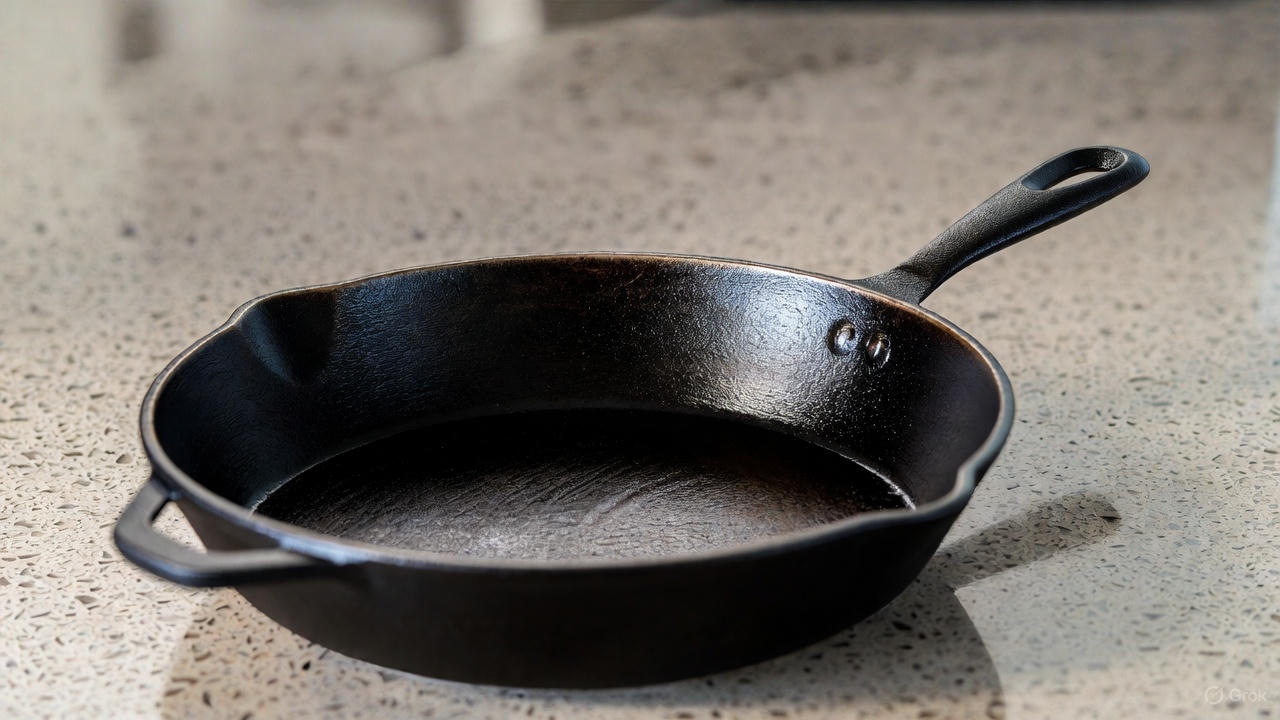
5 Best Cast Iron Frying Pan In 2026
Cast iron cookware has been a kitchen staple for generations. These skillets deliver exceptional heat retention, develop natural non-stick surfaces, and last a lifetime when properly maintained. After testing and researching dozens of options, we’ve compiled this comprehensive guide to help you find the perfect cast iron frying pan for your cooking needs.
Why Cast Iron Skillets Are Worth It
Cast iron pans offer unique advantages over modern cookware. They distribute heat evenly across the cooking surface, creating perfect sears on steaks and crispy crusts on cornbread. The material retains heat exceptionally well, keeping food warm long after you remove it from the stove. Unlike non-stick pans with chemical coatings, cast iron develops its own natural non-stick patina through regular use and proper seasoning.
These pans work on every heat source. You can use them on gas, electric, induction cooktops, in the oven, on the grill, or even over a campfire. This versatility makes them invaluable for both indoor cooking and outdoor adventures. Cast iron also adds small amounts of dietary iron to your food, which can be beneficial for people with iron deficiency.
The durability factor cannot be overstated. While non-stick pans need replacement every few years, a well-maintained cast iron skillet can serve multiple generations. Many families pass down their seasoned cast iron pieces as heirlooms.
Top 5 Cast Iron Skillets Reviewed
1. Lodge 10.25 Inch Cast Iron Skillet

Product Description
Lodge has manufactured cast iron cookware in the USA since 1896. This 10.25-inch skillet represents over a century of refinement. The pan measures 10.25 inches in diameter with 2-inch depth, providing ample cooking space for most recipes. It weighs approximately 6 pounds and comes pre-seasoned with vegetable oil, making it ready to use straight from the package.
The skillet features a teardrop-shaped handle that allows hanging storage. A smaller assist handle on the opposite side helps with lifting and maneuvering the pan when it’s hot or full. Two pour spouts on either side facilitate draining liquids or transferring sauces. The surface has a slightly textured finish typical of modern cast iron manufacturing.
This pan works on all cooktops including induction, plus ovens, grills, and campfires. Lodge seasons each piece with 100% natural vegetable oil through a high-temperature industrial process. The company uses only iron and oil in manufacturing, avoiding PFOA, PTFE, and other synthetic chemicals.
Pros:
- Excellent value for money with reliable performance
- Made in USA with over 125 years of manufacturing experience
- Pre-seasoned and ready to use immediately
- Dual handles for safe maneuvering
- Compatible with all heat sources
- PFAS-free and non-toxic materials
- Lifetime durability with proper care
- Pour spouts for easy liquid transfer
- Widely available at retail stores
Cons:
- Textured surface requires more seasoning to become fully non-stick
- Heavier than some modern cast iron alternatives
- Pour spouts may drip occasionally
- Some users report rust spots upon arrival (easily fixable)
- Requires regular maintenance and seasoning
Best For: Budget-conscious cooks seeking reliable, American-made cast iron that will last decades. Ideal for beginners learning cast iron cooking techniques.
2. Cuisinel Cast Iron Skillet with Lid – 12 Inch Set

Product Description
The Cuisinel 12-inch cast iron skillet set includes a pre-seasoned frying pan, matching cast iron lid with self-basting drip points, silicone handle holders for both pieces, and a scraper/cleaner tool. This comprehensive package gives you everything needed to start cooking immediately.
The 12-inch diameter provides generous cooking space for family-sized meals. The cast iron lid transforms the skillet into a braiser or casserole dish, trapping moisture and distributing heat evenly. Drip points on the lid’s interior surface promote self-basting, keeping food moist during cooking. The silicone handle covers protect hands from the hot cast iron, though you should still use oven mitts for safety.
Cuisinel pre-seasons their cookware with high-quality food-grade oils before shipping. The smooth finish promotes even heat distribution across the cooking surface. This set works on gas, electric, induction, and ceramic cooktops, as well as in ovens, on grills, and over campfires. The company backs their products with a lifetime warranty.
Pros:
- Complete set includes lid, handle covers, and cleaning tools
- Heavy-duty cast iron lid adds cooking versatility
- Self-basting lid design for moist, evenly cooked food
- Larger 12-inch size perfect for family meals
- Silicone grips included for safer handling
- Pre-seasoned and ready to cook
- Lifetime warranty coverage
- Smooth cooking surface for better heat distribution
- Versatile cooking methods (frying, baking, braising, grilling)
Cons:
- Heavier than pans without lids
- Silicone handles still get hot during cooking
- Must hand wash (not dishwasher safe)
- Requires regular seasoning maintenance
- Some assembly needed to attach handle covers
Best For: Home cooks who want maximum versatility in one purchase. Perfect for braising, one-pot meals, and outdoor cooking adventures.
3. Utopia Kitchen Cast Iron Skillet – 12 Inch

Product Description
Utopia Kitchen offers an affordable 12-inch cast iron skillet with professional-grade performance. The pan features a wide cooking surface ideal for preparing multiple steaks, large batches of vegetables, or family-sized portions. At 12.5 inches in diameter, it provides one of the largest cooking areas in this price range.
The skillet comes pre-seasoned with soy-based vegetable oil through a factory process equivalent to 10-15 rounds of home seasoning. This creates an initial non-stick layer that improves with use. The glossy pre-seasoned surface reduces the need for excessive cooking oil. Ergonomically designed handles include a main long handle and helper handle for balanced lifting and pouring.
This pan distributes heat evenly across the entire surface, preventing hot spots that can burn food. It works on all stovetop types including gas, electric, induction, and ceramic-glass, though care is needed on glass tops to avoid scratching. The pan transitions seamlessly from stovetop to oven to grill to campfire. The cast iron construction can increase the iron content in food by up to 20%, offering nutritional benefits.
Pros:
- Exceptional value with large cooking surface
- Pre-seasoned with factory process for immediate use
- Even heat distribution prevents hot spots
- Compatible with all heat sources
- Dual handles for balanced control
- Adds dietary iron to food
- Suitable for indoor and outdoor cooking
- Long-lasting construction
- Large capacity for family meals
Cons:
- Heavy weight makes maneuvering challenging
- Pour spouts may drip
- Surface texture requires building up seasoning layers
- Not dishwasher safe
- Can scratch glass cooktops if dragged
Best For: Families needing a large, affordable cast iron skillet for everyday cooking. Great for those cooking for multiple people regularly.
4. Backcountry Iron 12 Inch Round Pre-Seasoned Cast Iron Skillet

Product Description
Backcountry Iron creates artisan cast iron cookware with attention to detail and quality craftsmanship. This 12-inch round skillet measures 12.25 inches in diameter and 12.75 inches spout to spout, with a 4.75-inch handle. The company hand-makes each skillet using a proprietary iron alloy and seasons them with a custom blend of premium food-grade oils.
The pan features a smoother finish than many mass-produced alternatives, comparable to vintage Wagner and Griswold skillets prized by collectors. This smooth surface promotes better seasoning development and improved non-stick properties. The skillet includes a protective cloth mitt with nylon-based construction that’s comfortable to hold and highly protective against heat.
Backcountry Iron focuses on superior heat retention for even cooking results. The weight and thickness create excellent heat distribution, allowing food to sear evenly without cold spots. The company is small and artisan-focused, founded by passionate foodies, home cooks, and professional chefs. Each skillet is proudly designed in the USA and cast from virgin ore, ensuring quality from raw materials to finished product.
Pros:
- Smoother surface than standard cast iron
- Hand-made with proprietary alloy for superior performance
- Includes protective cloth mitt
- Premium oil blend seasoning
- Superior heat retention and distribution
- Inspired by vintage collectible skillets
- Small artisan company with quality focus
- Proudly designed in the USA
- Works on all heat sources including induction
Cons:
- Higher price point than mass-produced options
- Still requires seasoning maintenance
- Heavy weight typical of quality cast iron
- Limited availability compared to major brands
- Not dishwasher safe
Best For: Enthusiasts seeking premium cast iron with smoother vintage-style finish. Ideal for serious home cooks who appreciate artisan craftsmanship.
5. Field Company 8.38-Inch Cast Iron Skillet (No.6)

Product Description
Field Company revolutionized modern cast iron by recreating the smooth, lighter skillets from America’s manufacturing golden age. The No.6 skillet measures 8.38 inches in total diameter with a 7-inch flat cooking surface. At just 3 pounds, it’s significantly lighter than comparably sized traditional cast iron, making it easy to maneuver with one hand.
The company uses precision machining to create a smooth cooking surface reminiscent of prized vintage Griswold and Wagner pans. This smooth texture helps seasoning develop faster and provides better non-stick performance from the start. Field pre-seasons each skillet with three coats of organic grapeseed oil, making them ready to cook immediately.
A unique heat ring on the bottom keeps the skillet balanced on glass or ceramic cooktops. At just 0.04 inches of clearance, it doesn’t interfere with heat transfer from electric or induction elements. The sidewalls flare outward like a spoutless pitcher, allowing smooth single-stream pouring with minimal dripping, eliminating the need for traditional pour spouts.
Field sources 100% American-made materials and uses green sand castings, the same traditional method employed by legendary vintage manufacturers. The company maintains ISO certification and sustainable practices, recycling all scrap iron and reusing casting sand with zero waste.
Pros:
- Significantly lighter than traditional cast iron
- Smooth machined surface like vintage collectibles
- Pre-seasoned with organic grapeseed oil
- No toxic chemicals or coatings
- Made in USA from start to finish
- Heat ring prevents warping on flat cooktops
- Pour-friendly flared sidewalls
- Perfect size for 1-2 servings
- Sustainable manufacturing with zero waste
- ISO certified quality control
Cons:
- Higher price than budget options
- Smaller size limits large meal preparation
- Still requires maintenance and care
- Limited to 1-2 serving portions
- Not ideal for family-sized meals
Best For: Couples, small households, or anyone seeking a lighter, smoother cast iron with vintage-inspired design. Perfect for daily breakfast cooking and side dishes.
Cast Iron Buying Guide
Size Considerations
Skillet size dramatically affects cooking versatility. An 8-inch pan suits single servings or side dishes like sautéed vegetables. A 10-inch skillet works well for two to three people, handling tasks like frying eggs or cooking chicken breasts. The 12-inch size accommodates family meals, large steaks, or batch cooking.
Consider your most frequent cooking needs. If you often cook for one or two people, a smaller pan prevents wasting energy heating excess iron. Larger families benefit from 12-inch or bigger pans that can roast a whole chicken or prepare enough food for everyone in one batch.
Many serious home cooks own multiple sizes. A small pan for eggs and a large one for main dishes provides flexibility. You can use two skillets simultaneously for different components of the same meal.
Weight and Maneuverability
Traditional cast iron is heavy. A 12-inch skillet typically weighs 7-9 pounds when empty. Add food and you’re lifting 10+ pounds regularly. This weight provides cooking benefits through heat retention but can strain wrists during flipping or transferring between stove and oven.
Modern manufacturers like Field Company have reduced weight without sacrificing performance. They achieve this through thinner walls and bases, precision engineering to remove unnecessary material, and smoother surfaces that don’t trap food. A lighter skillet at 4-5 pounds for a 10-inch size makes daily cooking more comfortable.
Consider your physical strength and cooking style. If you flip foods frequently, sauté with tossing motions, or have any arm or wrist issues, lighter options make sense. Traditional weight works fine if you mostly use spatulas and rarely lift the pan.
Surface Finish
Cast iron surfaces come in two main types: textured and smooth. Traditional manufacturing creates a pebbly, textured surface from the casting process. This texture holds seasoning but requires more oil initially and takes longer to develop non-stick properties. Modern budget skillets typically have this finish.
Smooth, machined surfaces resemble vintage collectible pans. Manufacturers like Field Company, Backcountry Iron, and others machine the surface after casting, removing the rough texture. Food releases more easily, seasoning builds faster, and the cooking experience feels more refined. These premium finishes command higher prices.
Both surfaces work well once properly seasoned. Textured pans become non-stick with use and develop character over time. Smooth pans provide immediate satisfaction but cost more upfront. Your choice depends on budget and patience for seasoning development.
Pre-Seasoning Quality
All modern cast iron ships pre-seasoned, but quality varies dramatically. Quality pre-seasoning means multiple coats of oil baked at high temperatures, creating a dark, somewhat glossy surface. Poor pre-seasoning looks patchy, wears off quickly, or provides minimal non-stick performance initially.
Lodge, Cuisinel, and Utopia Kitchen use industrial pre-seasoning processes with vegetable oils. These create decent starting layers but still require building up seasoning through regular cooking. Premium brands like Field Company apply multiple coats of grapeseed oil for better initial non-stick properties.
The first few cooking sessions determine how pre-seasoning holds up. Cooking fatty foods like bacon helps. Avoid acidic ingredients initially, as they can strip new seasoning. With proper care, any pre-seasoned pan develops excellent non-stick properties over time.
Heat Source Compatibility
Modern cast iron works on every heat source, but some perform better in specific situations. All cast iron works on gas, electric, and induction cooktops. The magnetic properties of iron make it ideal for induction cooking, often heating faster than on gas.
Glass or ceramic cooktops require care with cast iron. The weight can crack glass if dropped, and sliding the pan scratches the surface. Some manufacturers include heat rings or smooth bottoms to protect flat cooktops and ensure balanced heating.
For outdoor cooking over campfires or on grills, any cast iron performs well. The material withstands open flames without damage. Cooking directly on hot coals develops incredible flavors impossible with other cookware. This versatility makes cast iron popular with camping enthusiasts.
Maintenance Requirements
Cast iron needs different care than other cookware. Never put it in the dishwasher. The harsh detergents and prolonged water exposure cause rust. Hand washing with hot water and a stiff brush works best. Mild soap is acceptable despite old myths about avoiding it entirely.
Dry cast iron immediately after washing. Leave it wet and rust forms quickly. Many cooks heat the pan briefly on the stove to evaporate all moisture. Apply a thin layer of cooking oil while the pan is still warm. This post-cooking seasoning ritual maintains the non-stick surface.
If rust appears, don’t panic. Scrub it off with steel wool, rinse, dry thoroughly, and re-season with several coats of oil. Cast iron is nearly indestructible. Even severely rusted pans can be restored to perfect condition with effort.
Special Features
Modern cast iron includes helpful design features. Dual handles make lifting safer when the pan is hot or loaded with food. Pour spouts allow draining grease or transferring sauces, though their effectiveness varies by design.
Lids expand cooking options, transforming skillets into braising dishes or steamers. Cast iron lids with self-basting ridges keep moisture circulating. Some sets include glass lids for monitoring food without releasing heat.
Helper handles, silicone grips, and cloth mitts protect hands from hot iron. These accessories make cast iron more user-friendly, especially for beginners still learning proper handling techniques.
Seasoning and Care Tips
Initial Seasoning Enhancement
Even pre-seasoned pans benefit from additional seasoning before first use. Preheat your oven to 450-500°F. Apply a very thin layer of oil (flaxseed, grapeseed, or vegetable oil) to the entire pan, inside and out. Wipe away excess until the surface looks dry—too much oil creates sticky residue.
Place the pan upside down in the oven with aluminum foil on the bottom rack to catch drips. Bake for one hour, then turn off the oven and let the pan cool inside. Repeat this process 2-3 times for best results. Each layer creates a harder, more durable seasoning.
The first few cooking sessions matter greatly. Cook fatty foods like bacon, sausage, or well-oiled vegetables. Avoid acidic tomato sauces, vinegar-based dishes, or delicate proteins like fish initially. Build up several layers of seasoning through regular cooking before tackling challenging foods.
Daily Cleaning Routine
Clean cast iron while it’s still warm but not scorching hot. Hot water and a stiff brush or chainmail scrubber remove most stuck food. For stubborn residue, add coarse salt as an abrasive and scrub with a cloth. This combination cleans without stripping seasoning.
Modern understanding allows mild dish soap if needed. The myth about avoiding soap comes from old lye-based soaps that damaged seasoning. Today’s gentle detergents won’t harm properly seasoned cast iron. Rinse thoroughly and dry immediately by hand or on the stove.
Apply a thin coat of oil after each use. Heat the pan briefly if needed to open the iron’s pores. Wipe oil across all surfaces with a paper towel or cloth. Use minimal oil—a thin, almost invisible layer works best. Excess oil turns sticky rather than forming proper seasoning.
Long-Term Maintenance
Seasoning improves with regular use. Each time you cook with fat or oil, you’re adding microscopic layers to the patina. Over months and years, a well-used cast iron develops a deep black, glass-like finish that rivals any non-stick coating.
Store cast iron in a dry location. Moisture in the air can cause rust, especially in humid climates. Some cooks place paper towels between stacked pans to absorb moisture. Hanging storage works well if you have wall space and strong hooks.
Re-season periodically if food starts sticking or the surface looks dull. Strip the old seasoning if it becomes uneven, flaky, or sticky. Use the oven method described earlier to build fresh, even layers. Cast iron responds well to refresh treatments, coming back better than before.
Common Cast Iron Cooking Techniques
Searing and Browning
Cast iron excels at high-heat searing because it retains temperature when cold food hits the surface. Preheat the empty pan over medium-high heat for 5-10 minutes until water droplets dance and evaporate instantly. Add a small amount of high-smoke-point oil like avocado or grapeseed.
Place steaks, chops, or other proteins in the hot pan without moving them. Let a crust form for 3-4 minutes before flipping. The Maillard reaction creates complex flavors impossible with lower temperatures. Cast iron’s even heat distribution produces consistent browning across the entire surface.
Don’t crowd the pan. Overlapping food steams instead of sears. Cook in batches if necessary. The pan retains enough heat between batches that you barely need to wait. This technique works for vegetables too—high heat caramelizes their natural sugars beautifully.
Baking and Roasting
Cast iron transitions seamlessly from stovetop to oven, making it perfect for dishes requiring both. Start by searing chicken thighs on the stove, then add vegetables and finish in the oven. The pan goes from 500°F searing temperature to 350°F roasting without issues.
Cornbread, biscuits, cobblers, and crisps turn out exceptional in cast iron. Preheat the empty pan in the oven, add a bit of butter, then pour in the batter. The hot iron creates crispy edges while keeping the center moist. This technique produces restaurant-quality results at home.
Whole roasted chicken or pork tenderloin benefits from cast iron’s heat retention. The pan holds temperature throughout cooking, creating even browning and crispy skin. Place vegetables around the meat to catch flavorful drippings. Everything cooks together for easy cleanup.
One-Pan Meals
Cast iron simplifies dinner by allowing you to cook entire meals in one vessel. Brown meat first, remove it, then sauté vegetables in the rendered fat. Add liquids, return the meat, and simmer or roast everything together. The pan goes from stove to oven to table.
Skillet pasta, rice dishes, and frittatas showcase cast iron’s versatility. Heat distribution prevents scorching while the retained heat continues cooking even after removing from the stove. Serve directly from the pan for rustic presentation and fewer dishes.
Camping meals reach new heights with cast iron. Bury the skillet in hot coals for evenly cooked camping classics like chili, stew, or breakfast hash. The pan withstands direct flame contact that would destroy other cookware. This durability makes cast iron essential camping gear.
Frequently Asked Questions
Can I use metal utensils in cast iron?
Yes, metal utensils won’t damage properly seasoned cast iron. Unlike non-stick coatings that scratch easily, cast iron’s seasoning layer is bonded to the iron through polymerization. Metal spatulas, tongs, and spoons work fine. In fact, gentle scraping with metal utensils helps maintain the surface by removing stuck bits.
How do I know when my cast iron is properly seasoned?
Well-seasoned cast iron looks dark black with a slight sheen, almost glossy. Water beads up and rolls off the surface. Eggs slide around without sticking when cooked with minimal oil. The pan feels smooth to the touch rather than rough or sticky. This level of seasoning develops gradually through regular cooking and proper care.
Why does my cast iron have rust spots?
Rust forms when iron contacts moisture without protective seasoning. This happens from incomplete drying after washing, storing in humid conditions, or seasoning wearing thin. Remove rust with steel wool or a stiff brush, rinse well, dry completely, and re-season. Prevention involves thorough drying and maintaining the oil coating after each use.
Can cast iron go in the dishwasher?
Never put cast iron in the dishwasher. The harsh detergents strip seasoning, and prolonged water exposure causes rust. Hand washing takes just minutes and preserves your pan’s seasoning. This small effort protects your investment and maintains cooking performance.
Is cast iron safe for acidic foods like tomato sauce?
Well-seasoned cast iron handles acidic foods fine for brief cooking periods. Long simmering of tomato sauce or vinegar-based dishes can strip seasoning and leach metallic flavors into food. Save marathon tomato sauce sessions for stainless steel or enameled cast iron. Quick sautés with tomatoes work perfectly.
How hot can cast iron get?
Cast iron withstands extreme temperatures beyond what most cooking requires. It safely handles 500°F+ oven temperatures, direct contact with hot coals, and searing heat on stovetops. The handles get dangerously hot though, so always use proper protection. This heat tolerance makes cast iron uniquely versatile.
Does cooking in cast iron add iron to food?
Yes, cooking in cast iron increases the iron content of food, particularly with acidic ingredients and longer cooking times. Studies show iron levels can increase by 20% or more. This benefits people with iron deficiency but may be too much for those with hemochromatosis or adequate iron stores. Seasoning reduces iron transfer.
How long does cast iron take to heat up?
Cast iron heats slowly but evenly. Allow 5-10 minutes of preheating for proper cooking temperature. This patience pays off with even heat distribution and superior results. Once hot, cast iron maintains temperature better than other materials. Use medium heat for most tasks—high heat is rarely necessary.
Making Your Decision
Cast iron frying pans represent an investment in your cooking future. The right pan serves you reliably for decades, improving with age rather than degrading. Consider your cooking style, household size, and budget when making a selection.
Budget-conscious buyers find excellent value in Lodge or Utopia Kitchen skillets. These pans deliver reliable performance without premium pricing. They require slightly more effort to develop seasoning but ultimately perform just as well as expensive options.
Enthusiasts seeking the best possible experience gravitate toward Field Company or Backcountry Iron. The smoother surfaces, lighter weight, and superior finish quality justify the higher cost. These pans provide immediate satisfaction and require less break-in period.
Families cooking large meals need 12-inch pans with adequate depth. The Cuisinel set with lid offers maximum versatility for braising, roasting, and one-pot meals. Couples or individuals find 8-10 inch sizes more practical for everyday cooking.
Remember that cast iron cookware lasts generations with proper care. The pan you buy today may serve your grandchildren someday. This longevity makes even premium options reasonable investments. Buy the best cast iron you can afford—you’re unlikely to regret quality but may outgrow budget compromises.
Start with one quality skillet in a size matching your most common cooking tasks. Master cast iron techniques through daily use. Expand your collection gradually as you discover the unique benefits this traditional cookware provides. Soon you’ll wonder how you ever cooked without cast iron.
Final Thoughts
Cast iron frying pans connect us to centuries of cooking tradition while delivering modern performance. They require different care than contemporary cookware but reward proper maintenance with unmatched durability and cooking properties. The natural non-stick surface develops through use, improving over time rather than deteriorating.
Whether you choose the budget-friendly Lodge, the versatile Cuisinel set, the spacious Utopia Kitchen pan, the artisan Backcountry Iron, or the premium Field Company skillet, you’re investing in cookware that can literally last forever. Each option on this list delivers excellent performance within its category. Select based on your specific needs, budget, and cooking goals. With proper care, any of these pans will serve you faithfully for decades, becoming more valuable with each meal you prepare.

Hi, I’m Mary, the founder of KitchenClue.com. I’m deeply passionate about everything that makes a kitchen smarter, easier, and more enjoyable. I share hands-on insights and practical expertise on kitchen gear that truly helps in daily cooking. Along with my dedicated research team, we study products carefully, and our writers create honest, well-tested reviews using trusted, authentic sources—so you can choose kitchen tools with total confidence.