Can You Vacuum Seal Frozen Food: Safety Tips & Shelf Life
Yes. You can vacuum seal frozen food to prevent freezer burn and lock in flavor.
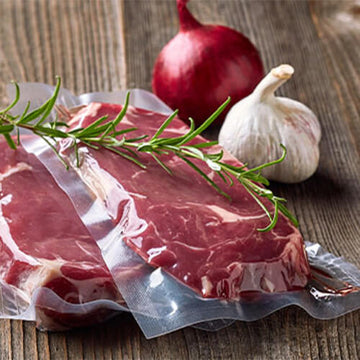
If you’ve ever tossed out icy chicken or a frost-bitten steak, this guide is for you. I’ve sealed hundreds of meals for home, catering, and sous vide. Here’s a clear, expert walk-through on can you vacuum seal frozen food, why it works, when it fails, and how to do it right the first time. Expect science, simple steps, and real kitchen tips you can trust.

What Actually Happens When You Vacuum Seal Frozen Food
Can you vacuum seal frozen food? Yes, and it works because you remove oxygen. Less oxygen means less oxidation, less moisture loss, and fewer off flavors.
A quick food science note helps. Freezing pauses microbial growth, but it does not kill all microbes. Vacuum sealing limits air and moisture movement. That slows oxidation and stops freezer burn. Food stays fresher, longer, with better taste and texture.
Food safety guidance backs this up. Freezing holds food safe. Vacuum sealing protects quality. For safety, keep sealed food frozen or chilled. Do not leave vacuum-sealed food in the danger zone.
Benefits Of Vacuum Sealing Frozen Food
Can you vacuum seal frozen food and see real gains? Yes. The payoffs are clear.
- Less freezer burn. No dry, white patches on meat and produce.
- Better taste and texture. Fewer off odors and fewer ice crystals.
- Longer shelf life. Quality holds far beyond regular bags.
- More space. Flat packs stack and organize better.
- Less waste and more savings. Buy in bulk. Portion once. Enjoy for months.
- Easy meal prep. Pre-freeze sauces, soups, and ready meals for busy nights.
In my kitchen tests, sealed chicken breasts kept great color and taste after 9 months. The unsealed pack had dry edges at 3 months.

Limits, Risks, And When To Avoid
Can you vacuum seal frozen food every time? Not always. Watch for these limits.
- Liquids expand when they freeze. If you seal before freezing wet foods, you may pull liquid into the sealer or fail the seal.
- Soft foods can crush. Berries, bread, and cakes can flatten without a pre-freeze.
- Sharp bones can puncture bags. Trim or pad them before sealing.
- Anaerobic risk exists if food is kept warm. Keep sealed food in the fridge or freezer. Do not leave sealed foods at room temp.
Safety tip from food safety guidance: vacuum sealing is about quality, not cooking. Keep time and temperature in the safe range at all times.

Step-By-Step: How To Vacuum Seal Frozen Food The Right Way
Can you vacuum seal frozen food without mess? Yes. Follow these steps.
- Portion first
- Divide meat, fish, or meals into use-size packs.
- Pat dry
- Moisture weakens seals. Blot thawed surfaces dry before freezing or sealing.
- Pre-freeze on a tray
- Lay items flat. Freeze 1 to 3 hours until firm. For soups or sauces, freeze in a container or ice cube trays first.
- Load the bag
- Use a bag 3 inches longer than the food. Keep the sealing end clean and dry. Add a paper towel strip near the seal for moisture control if needed.
- Seal with care
- Use pulse mode for delicate foods. Double seal for long storage. For liquids, use pre-frozen blocks to avoid suction mess.
- Label
- Write the item and date. Add weight and count for easy meal planning.
- Freeze fast
- Place sealed packs in a single layer to hard-freeze. Move to bins after 24 hours.
Lessons I learned: a double seal saves headaches. Also, a paper towel strip near the seal edge catches stray moisture and stops seal fails.

Best Frozen Foods To Vacuum Seal (And Tricky Ones)
Can you vacuum seal frozen food across the board? Most items work well.
Great candidates
- Meat and poultry. Steaks, chops, wings, thighs, whole breasts. Trim sharp bones.
- Fish and seafood. Salmon, cod, shrimp, scallops. Pat dry and pre-freeze.
- Vegetables. Blanch first to keep color and texture. Then chill, dry, and freeze.
- Bread and baked goods. Pre-freeze slices or loaves to prevent crush.
- Soups, stews, and sauces. Freeze flat in bags or as cubes. Then vacuum seal the solid blocks.
- Fruit. Pre-freeze berries on a tray to keep shape.
Tricky items and tips
- Foods with sharp edges. Use thicker bags or a parchment wrap.
- Wet, oily, or crumbly foods. Pre-freeze to firm up.
- Soft cheese. Freeze first or use gentle suction.
- Carbonated or fermenting foods. Avoid sealing under vacuum. Venting is needed.

Gear And Settings That Make Sealing Easier
Can you vacuum seal frozen food with any sealer? Most will work, but gear matters.
- Bag type. Use freezer-rated, textured vacuum bags. Thicker bags resist punctures.
- Channel sealers. Best for home use. Use moist mode for juicy items.
- Chamber sealers. Great for liquids and bulk sealing. Pricey but pro-grade.
- Pulse mode. Protects delicate foods like berries or pastries.
- Accessory port. Use containers for fragile or wet foods you will freeze later.
I use a channel sealer for weekly meals. For big soup batches, a friend’s chamber sealer is magic. It seals liquid blocks in seconds with clean seams.

Storage Times And Labeling Tips
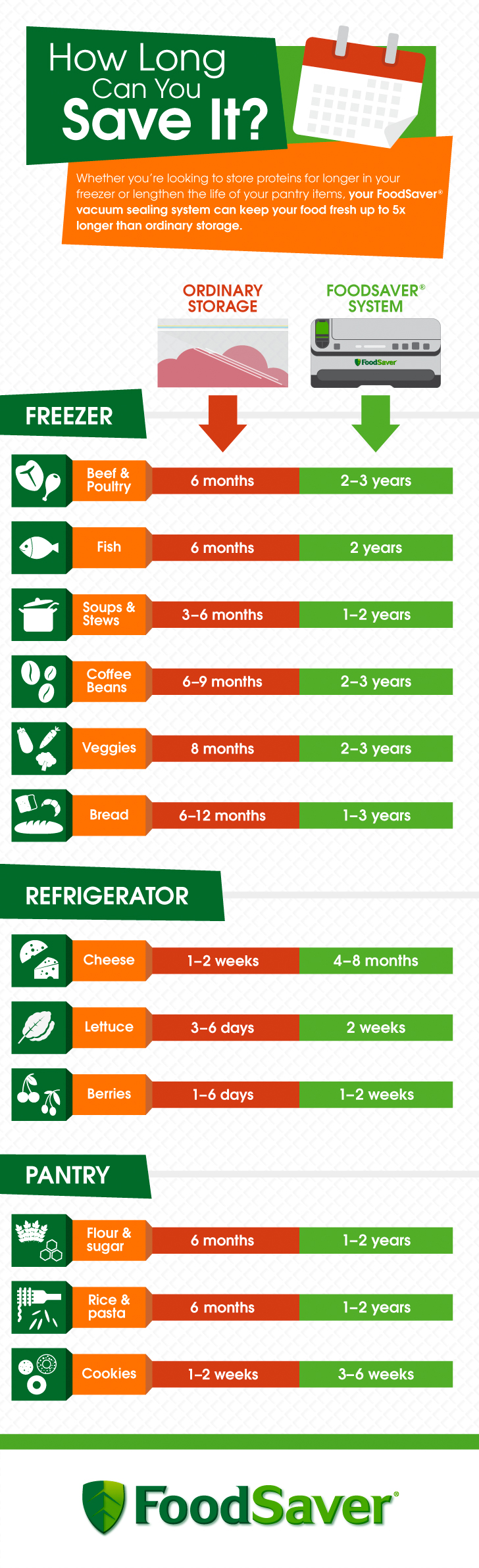
Can you vacuum seal frozen food and keep it for a year? Often yes. Quality still fades over time, so use first-in, first-out.
General quality guidelines
- Beef steaks and roasts: 2 to 3 years
- Pork chops and roasts: 2 to 3 years
- Poultry pieces: 2 to 3 years
- Ground meat: 1 to 2 years
- Fish, lean: 1 to 2 years
- Fish, fatty: 1 year
- Vegetables (blanched): 2 to 3 years
- Bread and baked goods: 1 to 2 years
- Soups, stews, sauces: 1 to 2 years
- Fruit: 1 to 2 years
Label well
- Write item, cut, and date.
- Add portions or serving size.
- Track with a simple freezer list on your phone.
Food safety guidance note: freezing keeps food safe. Quality is what declines. If in doubt, check odor, color, and package integrity after thawing.
Troubleshooting And Mistakes To Avoid
Can you vacuum seal frozen food without leaks or failed seals? Yes, if you avoid these errors.
Common mistakes
- Sealing wet food. Pre-freeze or use a paper towel strip at the seal zone.
- Overfilling bags. Leave at least 3 inches for a clean seal.
- Ignoring bones and edges. Pad sharp points with parchment.
- Skipping the double seal. Add a second seal for long storage.
- Not cooling cooked food before sealing. Chill fast to keep it safe.
If a seal fails
- Wipe and reseal the edge.
- If the bag is punctured, re-bag and seal with a fresh bag.
- For messy liquids, freeze solid and seal again.
Quick Answers People Also Ask
Does vacuum sealing stop freezer burn?
Yes. It limits air contact and water loss. That stops the dry, white patches you see as freezer burn.
Do I need to pre-freeze before sealing?
For wet or soft foods, yes. Pre-freezing keeps shape, prevents crushing, and helps the sealer make a tight, dry seal.
Is it safe to vacuum seal cooked meals?
Yes. Chill cooked food fast, then seal and freeze. Reheat to a safe temperature before serving.
Frequently Asked Questions Of Can You Vacuum Seal Frozen Food
Can you vacuum seal frozen food right out of the freezer?
Yes. If the surface is dry and solid, seal it as is. If there is frost or ice, brush it off first.
Can you vacuum seal frozen food with bones?
Yes, but trim sharp points or cover with parchment. Use thicker bags to reduce punctures.
Can you vacuum seal frozen food for sous vide later?
Yes. Seal, freeze flat, and cook from frozen when possible. Add needed cook time based on thickness.
Can you vacuum seal frozen food with marinade?
Yes, but freeze the marinade first into cubes or a slab. Then seal the solid pieces with the meat.
Can you vacuum seal frozen food without a machine?
You can use the water displacement method with zip bags. It is not as strong as a real vacuum seal.
Can you vacuum seal frozen food after thawing once?
If safely thawed in the fridge and quality is good, you can seal and refreeze once. Expect some texture loss.
Can you vacuum seal frozen vegetables without blanching?
You can, but color and texture may suffer. Blanching first gives better long-term quality.
Conclusion
You now know the full story on can you vacuum seal frozen food. It works, it saves money, and it keeps flavor. The key is dry surfaces, pre-freeze for soft foods, and clean, double seals.
Start small this week. Portion chicken or fish, pre-freeze, seal, and label. You will taste the difference months later. Want more tips and gear guides? Subscribe, ask a question, or share your freezer wins in the comments.

Hi, I’m Mary, the founder of KitchenClue.com. I’m deeply passionate about everything that makes a kitchen smarter, easier, and more enjoyable. I share hands-on insights and practical expertise on kitchen gear that truly helps in daily cooking. Along with my dedicated research team, we study products carefully, and our writers create honest, well-tested reviews using trusted, authentic sources—so you can choose kitchen tools with total confidence.