Can You Vacuum Seal Bread: Best Storage Guide 2026
Yes, you can vacuum seal bread, but use the right method and timing.
If you have ever asked, can you vacuum seal bread, you are not alone. I have baked and stored hundreds of loaves, and I have tested every storage trick out there. This guide breaks down what works, what fails, and how to seal bread without wrecking the crumb. Read on for clear steps, storage times, and pro tips that save money and flavor.

How vacuum sealing affects bread texture and freshness
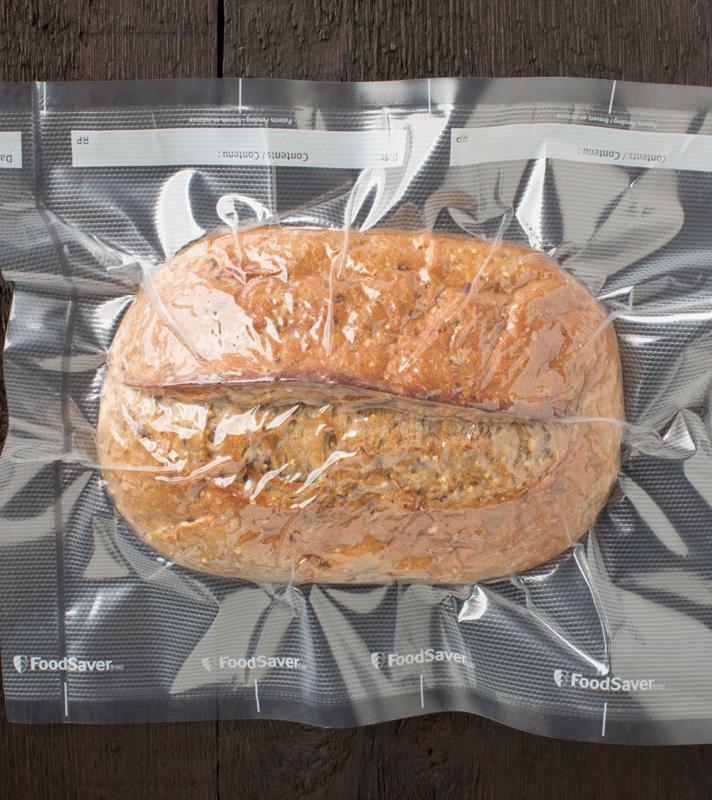
So, can you vacuum seal bread? Yes, but you must protect the crumb. The vacuum removes air, which slows mold. But it can also crush soft loaves and speed up staling if you are not careful.
Here is what happens inside the bag:
- The machine pulls air out. Soft bread compresses and can lose its open crumb.
- Oxygen drops, so mold growth slows a lot.
- Moisture moves from crumb to crust over time. That is staling. Vacuum does not stop it.
- If the bread is warm, steam condenses. That moisture invites mold and makes crust soggy.
In my tests, crusty loaves and soft sandwich bread react very differently. Crusty bread needs firming in the freezer before sealing. Soft bread likes gentle suction or a rigid canister.
Does vacuum sealing make bread last longer?
Yes, it slows mold because mold needs oxygen. But staling still happens, and cold storage speeds it. For best quality, freeze first, then seal.
Will vacuum sealing crush bread?
It can crush it if you use full power. Use pulse mode or a canister for delicate loaves. Pre-freeze for 1 to 2 hours to keep the shape.
Can you vacuum seal bread while it is still warm?
No. Warm bread traps steam and leads to soggy crust and fast mold. Always cool to room temp before you seal.
Pros and cons of vacuum sealing bread
Before you try, ask yourself: can you vacuum seal bread for every loaf? The answer depends on your goals and the bread style.
Pros:
- Extends mold-free time by cutting oxygen.
- Great for freezer storage and stopping freezer burn.
- Perfect for portioning slices, rolls, and buns.
- Saves space in the freezer compared to boxes or rigid bags.
Cons:
- Risk of crushing soft loaves and open crumbs.
- Does not stop staling. Fridge temps make staling faster.
- Warm bread can trap moisture and grow mold.
- Oil, garlic, or fillings change safety rules and need chilling.

The right way to vacuum seal bread step by step
Here is how to do it when you ask can you vacuum seal bread and still keep it tasty.
- Choose the right bread. Dense loaves and sliced sandwich bread do best. Crusty baguettes and brioche need extra care.
- Cool the bread. Wait until the center is fully cool. Warm bread ruins the seal and texture.
- Pre-freeze. Place the loaf or slices on a tray for 1 to 2 hours until firm.
- Bag it right. Use quality vacuum bags. Leave space at the top for a solid seal.
- Use gentle suction. Pick pulse mode or stop early to avoid crushing.
- Add support. Slip a thin piece of clean cardboard along the crust if needed.
- Double seal. Add a second seal line to block leaks.
- Label and date. Write the bread type and freeze-by date.
- Freeze for long storage. Store flat to save space and keep shape.
Special cases:
- Sliced bread: Stack slices or shingle them so you can pull one at a time. Add parchment between stacks for easy use.
- Crusty loaves: Pre-freeze longer, 2 to 3 hours. Consider a canister instead of a bag.
- Rolls and buns: Seal in small packs of two to four. This cuts waste and re-sealing.
- Gluten-free bread: It dries fast. Freeze and seal in small portions. Reheat from frozen for best texture.
Personal tip: I once sealed a fresh sourdough right off the rack. It looked fine for a day, then turned gummy and molded fast. Cooling and pre-freezing fixed that for every loaf after.
Storage times and food safety
If you wonder, can you vacuum seal bread and keep it safe for months, here are clear targets. Remember, bread is low risk, but quality is the goal.
Room temperature:
- Paper or bread box: 1 to 3 days for crusty loaves, 3 to 5 days for soft loaves.
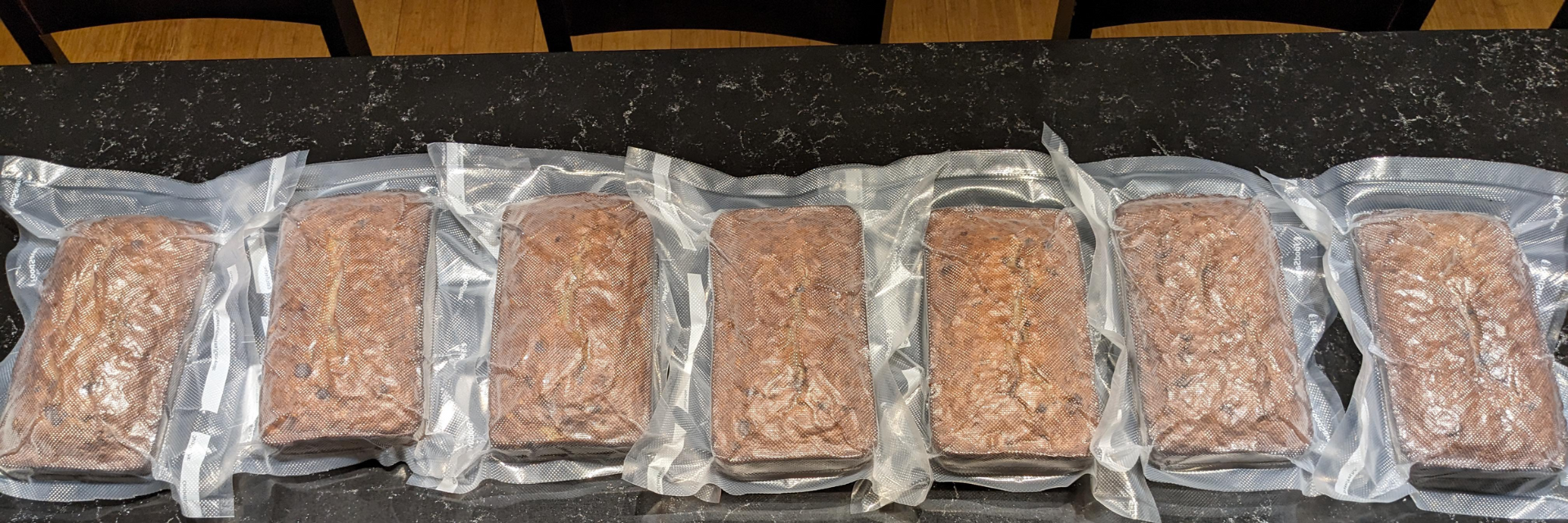
- Vacuum sealed at room temp: Often 4 to 7 days before mold shows, but staling still happens.
Refrigerator:
- Not ideal. Fridge speeds staling due to starch retrogradation.
- If you must refrigerate, vacuum sealing helps texture a bit, but use within 2 to 3 days.
Freezer:
- Regular bag: Best quality for 1 to 3 months.
- Vacuum sealed: Often 3 to 6 months of top quality, sometimes longer. Frozen food stays safe, but flavor fades over time.
Food safety notes:
- Do not seal warm or damp bread. Condensation fuels mold.
- Bread with butter, cheese, or garlic needs cold storage. Garlic-in-oil mixes can grow dangerous toxins at room temp.
- Reheat from frozen in the oven to refresh the crust. Avoid microwaving whole loaves, which can make them tough.

Alternatives to vacuum sealing for bread
If you wonder can you vacuum seal bread every time, consider these options first.
- Bread box or paper bag: Best for daily crust on rustic loaves. The crust stays crisp, but shelf life is short.
- Plastic wrap or zipper bags: Fine for short-term storage. Squeeze out as much air as possible.
- Double wrap and freeze: Wrap tight in plastic, then add a freezer bag. This is enough for many homes.
- Reusable silicone bags: Great for portions. Press out air by hand.
- Rigid canisters: Protect shape for delicate loaves without full vacuum pressure.

Troubleshooting and mistakes to avoid
If you tried and asked can you vacuum seal bread without ruining it, these fixes help.
- Crushed loaf: Use pulse mode, canisters, or pre-freeze longer.
- Soggy crust: Cool bread fully, then pre-freeze. Add a paper towel near the seal to catch moisture.
- Fast mold: Check for trapped moisture and weak seals. Double seal and cool bread first.
- Dry or stale taste: Skip the fridge. Freeze and reheat in the oven to revive the crumb.
- Bag leaks: Use thicker bags and keep sharp crust or corners away from seal edges.

Frequently Asked Questions of can you vacuum seal bread
Can you vacuum seal bread?
Yes, and it helps control mold and freezer burn. Use gentle suction and pre-freeze to protect the crumb.
When can you vacuum seal bread after baking?
Wait until it is room temperature all the way through. Warm bread traps steam, which leads to soggy crust and mold.
Can you vacuum seal bread without crushing it?
Use pulse mode or a canister, and pre-freeze for 1 to 2 hours. Stop the vacuum early and double seal the bag.
How long does vacuum sealed bread last in the freezer?
Quality stays high for 3 to 6 months when sealed well. It remains safe longer, but flavor and texture slowly fade.
Can you vacuum seal bread with butter or fillings?
You can, but store it cold and eat it sooner. Rich fillings change moisture and safety, so freeze for best results.
Can you vacuum seal bread slices for meal prep?
Yes, seal in small stacks for easy portions. Add parchment between slices so you can separate them fast.
Should you refrigerate vacuum sealed bread?
Only if needed for short periods. The fridge speeds staling, so freezing is usually better.
Conclusion
Vacuum sealing can be a power move for bread, as long as you use the right method. Cool the loaf, pre-freeze to set the shape, seal gently, and freeze for the best flavor and texture. Use canisters or pulse mode for delicate loaves, and avoid the fridge when you can.
Put this into practice with your next bake. Try one loaf sealed and one wrapped the old way, then compare. If you found this helpful, subscribe for more smart kitchen tips, or leave a comment with your favorite bread to seal.

Hi, I’m Mary, the founder of KitchenClue.com. I’m deeply passionate about everything that makes a kitchen smarter, easier, and more enjoyable. I share hands-on insights and practical expertise on kitchen gear that truly helps in daily cooking. Along with my dedicated research team, we study products carefully, and our writers create honest, well-tested reviews using trusted, authentic sources—so you can choose kitchen tools with total confidence.