Le Creuset Mini Cocottes Cookbook: Easy Recipes
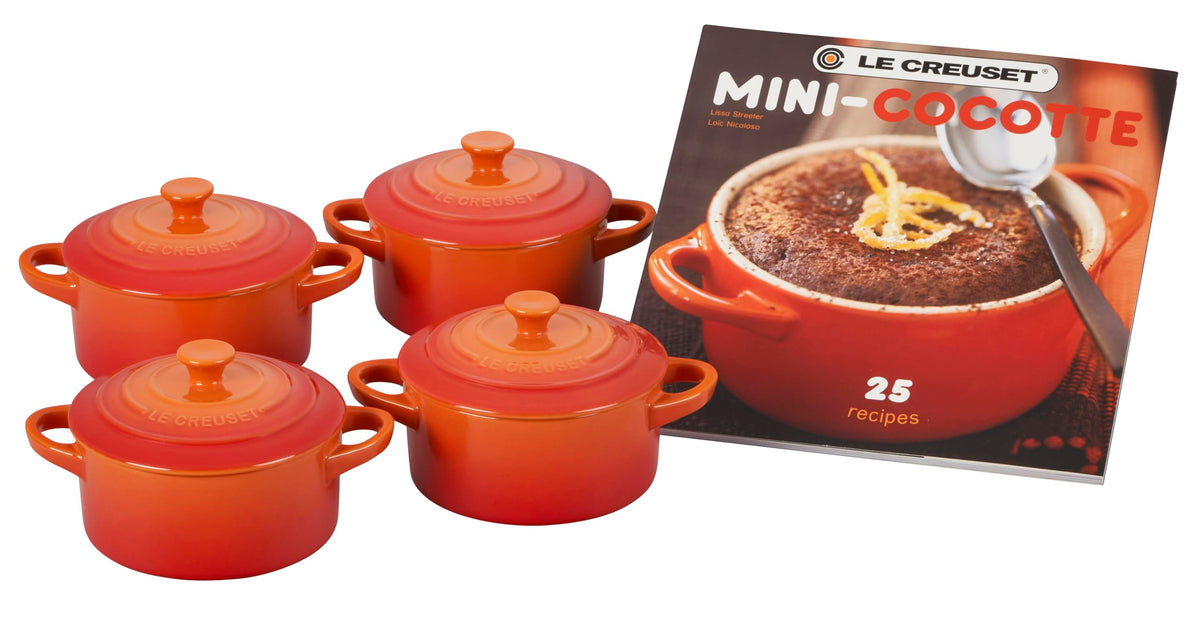
If you want a Le Creuset mini cocottes cookbook, look for recipes made for small individual dishes, not standard Dutch ovens. In the United States, most mini cocottes hold about 8 ounces, although sizes and materials vary. The best cookbook or recipe collection should give exact portions, oven temperatures, cooking times, and safe-use instructions for small stoneware or cast-iron vessels.
This guide explains what to look for, which recipes work well, how to adjust recipes, and where to find reliable ideas for Le Creuset mini cocottes. It also covers common mistakes, cleaning, and safe oven use.

What Is a Le Creuset Mini Cocotte?
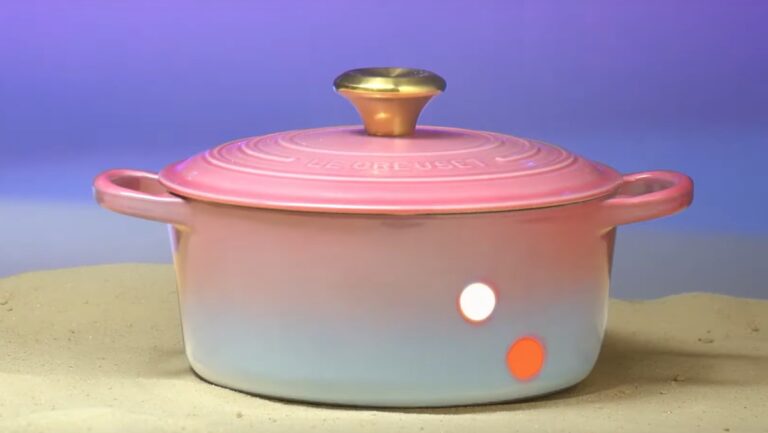
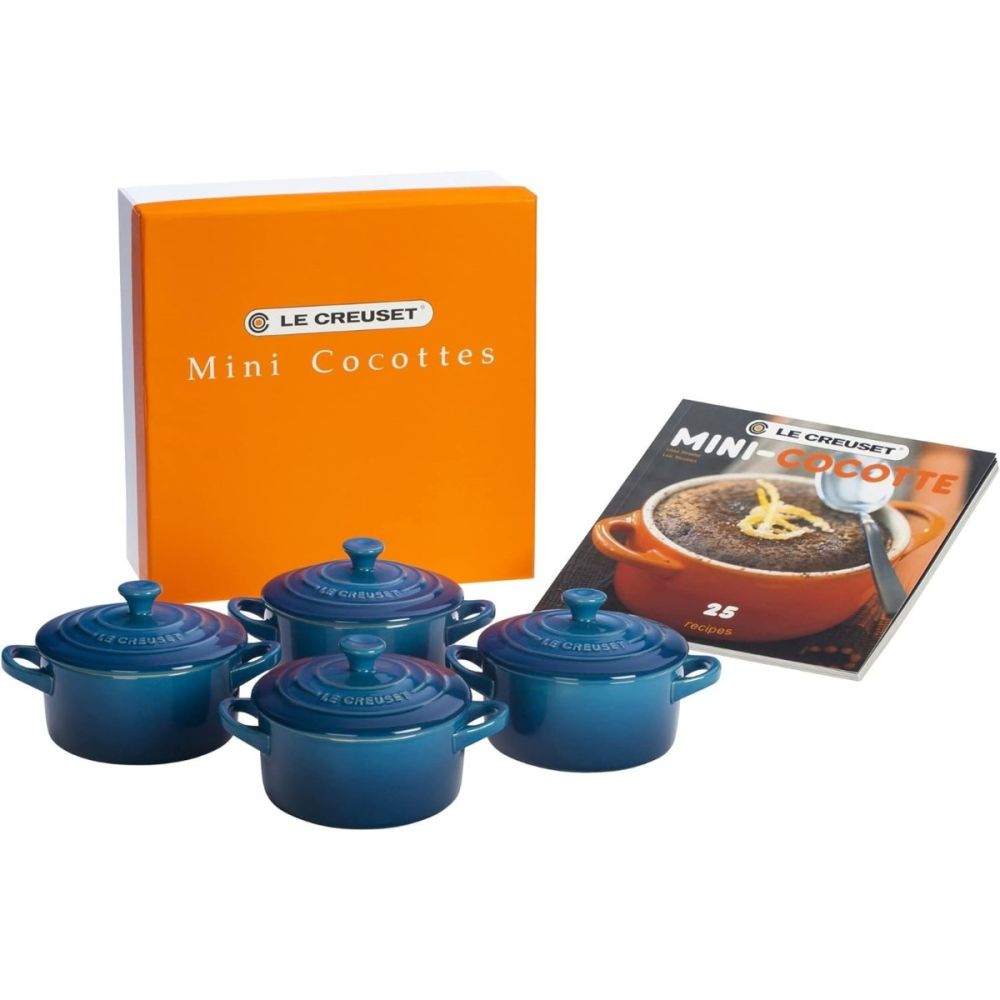
A Le Creuset mini cocotte is a small lidded cooking or serving dish. It is often used for single portions of baked eggs, macaroni and cheese, desserts, dips, soups, and side dishes.
The word cocotte means a small covered cooking pot. Le Creuset makes mini cocottes in different materials and sizes. Common examples include:
- Stoneware mini cocottes: Designed for baking, serving, and reheating.
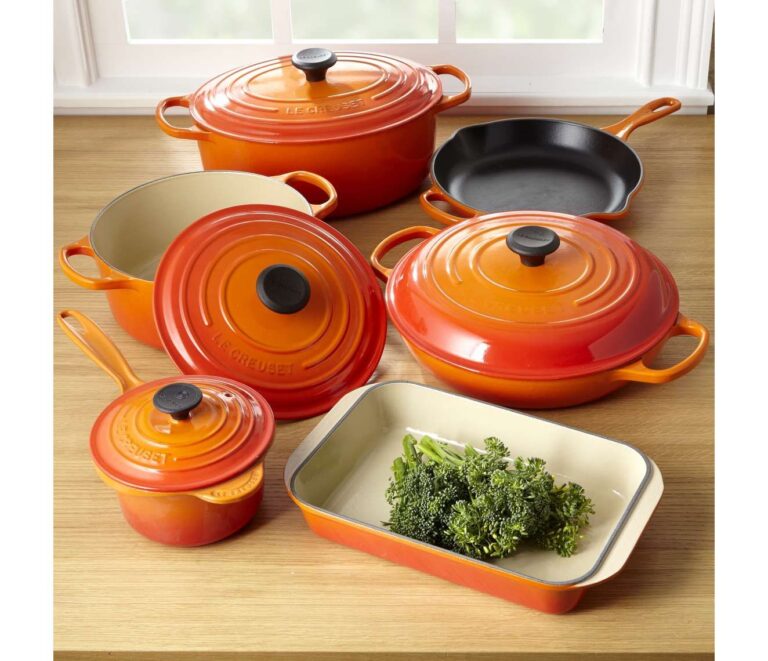
- Enameled cast-iron mini cocottes: Built for heat retention and stovetop-to-oven cooking, depending on the exact model.
- Mini ramekin-style dishes: Small vessels that may look like cocottes but have different limits.
Do not assume that every Le Creuset mini cocotte has the same instructions. Check the product label, care guide, or official model page before using it on a stovetop, under a broiler, or at a high temperature.
For cooking, the most useful detail is the inside capacity. A recipe that fits an 8-ounce cocotte may overflow in a shallow dish or leave too much empty space in a larger one.

Is There an Official Le Creuset Mini Cocottes Cookbook?
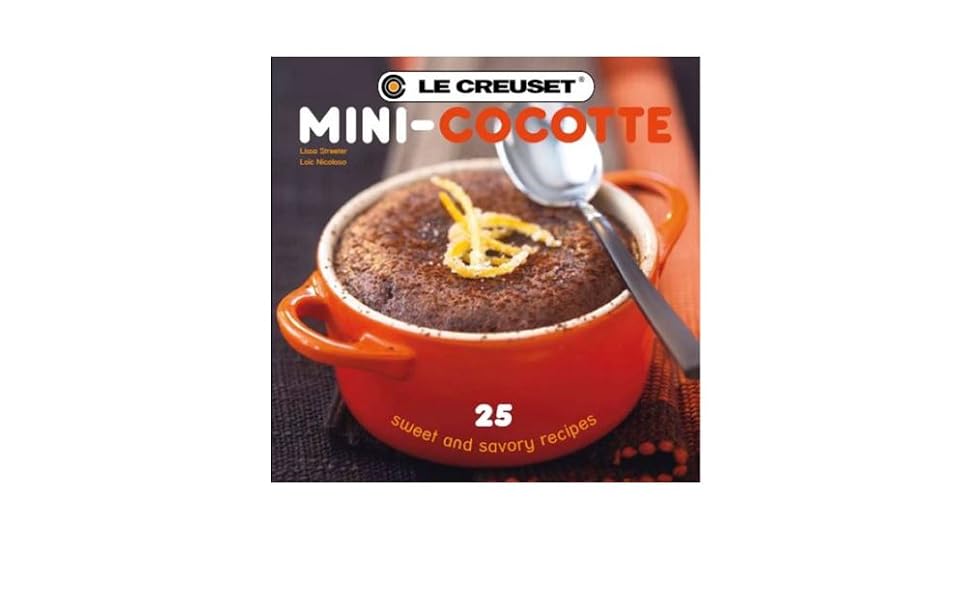
There is no single cookbook that every American cook would recognize as the official Le Creuset mini cocottes cookbook. The phrase may refer to several types of content:
- A third-party cookbook focused on small cocotte recipes.
- A Le Creuset recipe collection that includes mini cocotte dishes.
- A personal recipe binder or digital collection made for these small pots.
- Recipes written for ramekins, gratin dishes, or other small baking vessels.
Le Creuset publishes recipes and product guidance through its official U.S. website. Those materials can be useful because they are connected to the brand’s cookware, but they may not focus only on mini cocottes.
When choosing a printed cookbook, read the recipe format before buying. A useful book should state:
- The number of mini cocottes needed.
- The capacity of each dish.
- Whether the dish must be covered.
- Whether the recipe begins on the stovetop or in the oven.
- The correct temperature in Fahrenheit.
- The cooking time for individual portions.
- Whether the recipe can be prepared ahead.
- How to adjust the recipe for a larger dish.
A cookbook with attractive photographs but no vessel size or timing details may be difficult to use. Small dishes cook food in a different way from a large pot, so clear measurements matter.
What Recipes Work Best in Mini Cocottes?
Mini cocottes work best for foods that benefit from individual portions and gentle, even baking. They are especially useful for breakfast, side dishes, desserts, and small servings for guests.
Baked Eggs
Eggs are one of the easiest mini cocotte recipes. A typical version may include:
- One or two eggs.
- Cream or milk.
- Cheese.
- Cooked vegetables or meat.
- Herbs.
- Toast for serving.
The key is to avoid overbaking. Eggs continue to cook after they leave the oven. Remove them when the whites are set but the yolks still look softer than you want.
For food safety, the USDA advises cooking eggs until both the yolk and white are firm when serving people at higher risk of foodborne illness. Use a food thermometer when a precise internal temperature is needed.
Individual Macaroni and Cheese
Mini cocottes are well suited to baked macaroni and cheese. Use fully cooked pasta, a smooth cheese sauce, and a modest topping. Do not fill the dish to the rim because the sauce may bubble during baking.
A shallow layer of pasta gives better browning than a deep, tightly packed layer. If the recipe comes from a standard casserole, divide it among cocottes and begin checking the food sooner than the original cooking time.
Soufflés and Small Bakes
Small soufflés, cornbread, bread pudding, and savory custards can work well. These recipes need room to rise, so fill each dish only about two-thirds full unless the recipe gives different instructions.
Grease the inside evenly. A thick or uneven coating may affect how the food rises or releases.
Dips and Appetizers
Hot spinach dip, baked crab dip, queso-style dips, and warm bean dips are practical choices. Mini cocottes help keep each portion warm at the table.
Because dips can dry around the edges, cover them during part of the bake when the recipe allows. Add a small amount of cheese or oil near the end if the top needs moisture and color.
Desserts
Good dessert options include:
- Chocolate lava cakes.
- Fruit crisps.
- Bread pudding.
- Crème brûlée-style custards.
- Rice pudding.
- Apple or peach cobbler.
- Individual cheesecakes.
Desserts often need a water bath or a lower oven temperature. Follow the recipe rather than guessing from the dish size.

Mini Cocotte Recipe Conversion Chart
Use this chart as a starting point, not as a fixed rule. Exact results depend on the depth, shape, material, oven, and food.
| Original recipe | Suggested adjustment | What to watch |
|---|---|---|
| 8-inch square baking dish | Divide among 4 to 6 mini cocottes | Start checking 10 to 20 minutes early |
| 9-inch pie dish | Divide among 4 to 6 dishes | Watch the center for doneness |
| 9-by-13-inch casserole | Divide among 8 to 12 dishes | Do not overfill |
| One 4-ounce ramekin | Use one small cocotte | Cooking time may be similar |
| One 8-ounce serving | Use one 8-ounce cocotte | Leave space for bubbling |
| Large soup or stew recipe | Portion after cooking | Avoid filling hot dishes to the rim |
These are hypothetical planning examples. The correct number of cocottes depends on the recipe’s total volume.
To estimate portions, convert the recipe into ounces. For example, a recipe with about 32 fluid ounces of filling could provide four 8-ounce portions. In practice, use slightly less than the full capacity to leave room for expansion and bubbling.
How to Adjust Cooking Time
Small portions often heat faster than one large casserole. However, a deep cocotte may take longer in the center than a shallow ramekin.
Use these steps:
- Keep the original oven temperature unless the recipe or cookware instructions say otherwise.
- Divide the mixture evenly.
- Begin checking before the original cooking time ends.
- Look for the recipe’s doneness sign, such as a set center, browned top, or firm egg white.
- Use a thermometer when temperature is the safest measure.
- Rest the food for a few minutes before serving.
Do not rely only on color. A browned top can appear before the center is fully cooked.

How to Choose a Le Creuset Mini Cocottes Cookbook
The best cookbook depends on how you plan to use the dishes. A breakfast-focused book will not help as much if you mainly want desserts or dinner sides.
Choose Recipes by Use Case
Look for a collection with recipes in the category you need most:
| Your goal | Useful recipe categories |
|---|---|
| Breakfast | Baked eggs, oatmeal, breakfast casseroles |
| Date-night dinner | Gratins, pot pies, seafood bakes |
| Family meals | Side dishes, individual casseroles |
| Entertaining | Dips, baked cheese, warm appetizers |
| Dessert | Cobblers, cakes, custards, puddings |
| Meal preparation | Make-ahead bakes and reheatable dishes |
A cookbook that covers several categories offers more value than one with many versions of the same dish.
Check the Measurement System
For a U.S. kitchen, the cookbook should use:
- Fahrenheit temperatures.
- U.S. cups and spoons.
- Ounces where useful.
- Clear serving counts.
- Common American ingredients or easy substitutions.
Metric measurements are not a problem, but unclear conversions can lead to errors in small recipes. A difference of one tablespoon matters more in an 8-ounce dish than in a large casserole.
Look for Equipment Notes
A strong mini cocotte cookbook should explain whether the recipe needs:
- A baking sheet under the cocottes.
- Lids or no lids.
- A water bath.
- A broiler-safe vessel.
- Preheating.
- Cooling before refrigeration.
- Room around each dish for oven air to circulate.
These details often determine whether a recipe works.
Consider Dietary Filters
Small cocottes are useful for separate portions. This can help when serving guests with different needs, such as vegetarian, gluten-free, or low-sugar meals. Still, the cookbook should provide actual ingredient guidance rather than simply labeling recipes.
Check packaged ingredients for allergen statements. Cross-contact can occur when the same utensils, work surfaces, or cookware are used for different foods.

Five Easy Mini Cocotte Recipe Ideas
These ideas are starting points, not complete tested recipes. Use a recipe with exact amounts when you cook.
1. Herbed Baked Eggs
Add cooked vegetables, one or two eggs, a spoonful of cream, and shredded cheese. Bake until the whites set. Finish with herbs and serve with toast.
For a softer yolk, remove the cocotte earlier. For a firm yolk, continue cooking while checking often.
2. Individual Potato Gratin
Layer thin potato slices with cream, cheese, salt, and pepper. Use a shallow layer so the potatoes cook evenly. Cover at first if the top browns too fast.
The potatoes must be tender in the center. A browned top does not prove that the middle is done.
3. Mini Chicken Pot Pie
Use cooked chicken and vegetables in a thick sauce. Top each cocotte with pastry, leaving a small opening for steam if the recipe calls for it.
Place the cocottes on a baking sheet. This catches drips and makes it safer to move several hot dishes at once.
4. Berry Crisp
Fill each dish with fruit, then add a topping made from oats, flour, butter, sugar, and spices. Leave room for the fruit juices to bubble.
Serve after a short rest. The filling will be extremely hot when it leaves the oven.
5. Chocolate Cake
Divide cake batter evenly and avoid filling the dishes too high. Cooking time depends on whether you want a fully baked cake or a soft center.
Use the recipe’s stated cocotte size. A deeper vessel can leave the center undercooked while the surface looks finished.

Le Creuset Mini Cocotte Safety and Care
Use each mini cocotte only within the limits listed for its material and model. Le Creuset’s care instructions differ between stoneware and cast iron.
Stoneware Care
Le Creuset stoneware is commonly used in the oven, microwave, refrigerator, freezer, and dishwasher when the product instructions allow it. Avoid sudden temperature changes. Moving a cold stoneware dish directly into a very hot oven can cause thermal shock.
Practical rules include:
- Do not place a hot dish on a cold or wet surface.
- Do not pour cold liquid into a hot dish.
- Use a dry, heat-resistant pad.
- Allow the dish to cool before washing.
- Check the manufacturer’s maximum temperature.
- Do not use a damaged dish.
Cast-Iron Care
Enameled cast iron can retain heat for a long time. Use oven gloves when handling it, even after the food leaves the oven.
Some cast-iron mini cocottes may be suitable for stovetop use, while some small vessels are intended mainly for baking and serving. Confirm the exact model before placing it on a burner.
Avoid dragging cast iron across glass cooktops. Lift it instead.
Broiler Use
Broiler safety depends on the exact cookware and the manufacturer’s instructions. Do not assume that a lid, knob, or decorative finish can tolerate direct broiler heat.
If a recipe uses a broiler, verify the cookware instructions first. When in doubt, brown the topping in a regular oven rather than taking an unnecessary risk.
Refrigerator and Freezer Use
Allow hot food to cool in a safe way before placing a hot dish in the refrigerator or freezer. Do not move a frozen or chilled stoneware cocotte directly into a hot oven.
For leftovers, cover the food according to food-safety guidance and label the date. Reheat until hot throughout.
The USDA FoodKeeper and USDA cooking temperature chart provide current U.S. food-safety information.

Common Mini Cocotte Cooking Mistakes
Filling the Dish to the Rim
Food expands, bubbles, and releases liquid as it cooks. Leave headspace unless the recipe gives a specific fill level.
Using the Wrong Cooking Time
A recipe written for one large casserole may not transfer directly to small cocottes. Start checking early and use doneness signs that match the food.
Ignoring the Material
Stoneware and cast iron do not behave in exactly the same way. Cast iron holds heat strongly. Stoneware may need careful handling during temperature changes.
Serving Without a Heat Barrier
Mini cocottes can become very hot. Place them on a heat-safe trivet, wooden board, or folded towel designed for hot cookware.
Moving Several Hot Cocottes by Hand
Use a rimmed baking sheet to move multiple dishes. Keep both hands free and clear a landing place before removing them from the oven.
Storing Food in a Damaged Dish
Inspect for cracks, chips, or deep scratches. Stop using a damaged vessel for cooking or food storage if the damage could affect safety or cleaning.
Frequently Asked Questions
Can I use ramekin recipes in Le Creuset mini cocottes?
Often, yes, if the capacity and material are suitable. Compare the ramekin size with the cocotte’s internal capacity, then adjust the cooking time as needed. Follow the cocotte manufacturer’s temperature and use limits.
What size is a typical Le Creuset mini cocotte?
Many mini cocottes sold in the United States hold about 8 ounces, but the range is not universal. Check the product packaging or official product page because shape, depth, and material can differ.
Can mini cocottes go from the freezer to the oven?
Do not assume that they can. Sudden temperature changes may damage stoneware and other ceramic cookware. Check the exact care instructions and allow the dish to warm gradually when required.
Are Le Creuset mini cocottes safe on the stovetop?
It depends on the model. Some enameled cast-iron pieces may be made for stovetop use, while many stoneware mini cocottes are intended for oven and serving use. Confirm the model before using direct heat.
How do I keep baked eggs from overcooking?
Remove them when the whites are just set and the yolks are still slightly softer than your target. Residual heat will continue cooking the eggs. Use a lower cooking time and check each cocotte early.
Can I make mini cocotte recipes ahead of time?
Many casseroles, dips, and desserts can be assembled ahead, but storage and temperature changes matter. Keep prepared food refrigerated, avoid moving a cold ceramic dish straight into a hot oven, and follow the recipe’s reheating instructions.
Key Takeaways
- Choose a cookbook with exact cocotte capacity, portions, temperatures, and cooking times.
- Most mini cocotte recipes are best for baked eggs, sides, appetizers, and desserts.
- Do not fill the dishes to the rim.
- Begin checking converted recipes early.
- Verify whether your exact Le Creuset model is safe for stovetop, broiler, freezer, or microwave use.
- Use official Le Creuset care instructions and current USDA food-safety guidance.
- Treat recipe ideas as starting points unless they include tested amounts and clear doneness instructions.
Conclusion
A good Le Creuset mini cocottes cookbook should do more than collect attractive recipes. It should explain capacity, portion size, cooking time, material limits, and safe handling. The most useful recipes are written for small vessels and tell you what success looks like.
Start with baked eggs, individual gratins, warm dips, fruit crisps, or small cakes. Confirm the size and material of your cocottes, use a baking sheet for easy handling, and adjust large-dish recipes with care. For the safest results, pair cookbook instructions with the care guide for your exact Le Creuset model and current U.S. food-safety advice.

Hi, I’m Mary, the founder of KitchenClue.com. I’m deeply passionate about everything that makes a kitchen smarter, easier, and more enjoyable. I share hands-on insights and practical expertise on kitchen gear that truly helps in daily cooking. Along with my dedicated research team, we study products carefully, and our writers create honest, well-tested reviews using trusted, authentic sources—so you can choose kitchen tools with total confidence.