What Is A 1 1/2 Quart Casserole Dish: Size And Uses
Introduction
A 1 1/2-quart casserole dish is a small baking dish that holds 1.5 liquid quarts, or 6 US cups. That equals 48 US fluid ounces, or about 1.42 liters.
In an American kitchen, this size is useful for small casseroles, baked dips, side dishes, cobblers, and leftovers. It is larger than a loaf pan but smaller than a typical 9-by-13-inch casserole dish.
The name tells you the dish’s inside capacity, not its exact length, width, or depth. Two 1 1/2-quart dishes may have different shapes and dimensions but still hold about the same amount.
How Big Is a 1 1/2-Quart Casserole Dish?
A 1 1/2-quart casserole dish holds 6 cups of food or liquid when filled to its stated capacity.
| Measurement | Equivalent |
|---|---|
| US liquid quarts | 1.5 qt |
| US cups | 6 cups |
| US fluid ounces | 48 fl oz |
| Milliliters | About 1,420 mL |
| Liters | About 1.42 L |
These are volume conversions. They do not describe the dish’s outside measurements.
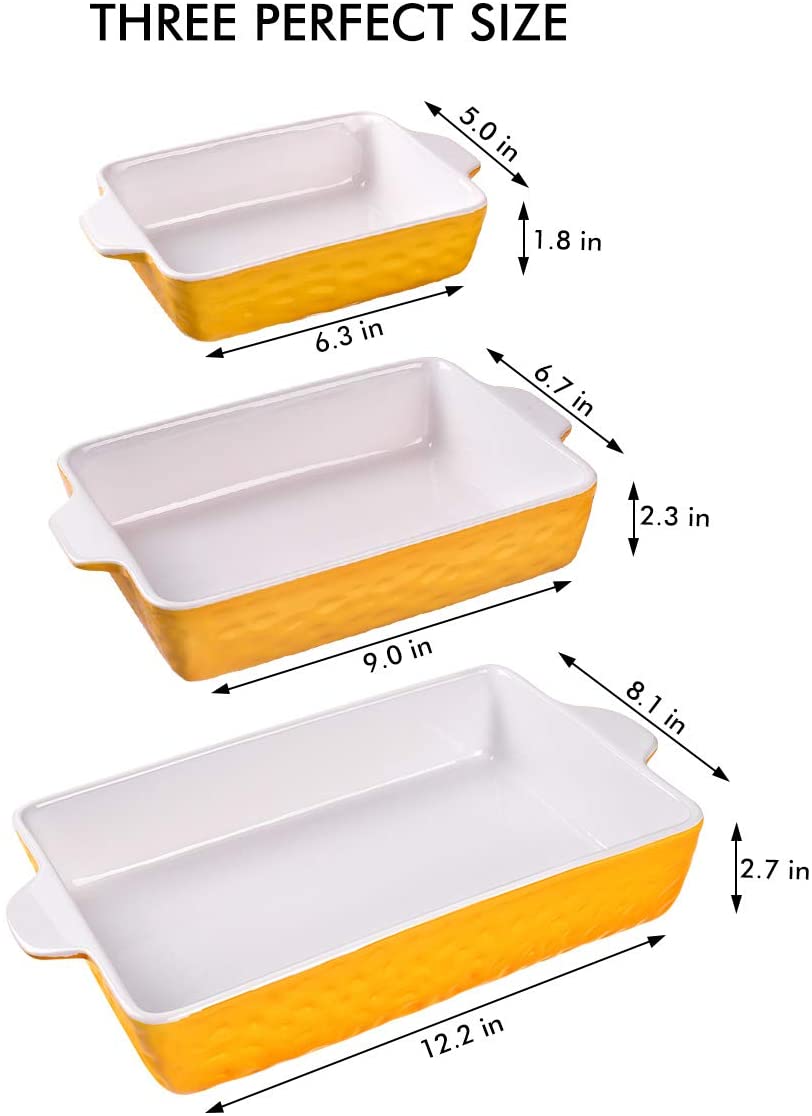
Common physical dimensions
Many 1 1/2-quart casserole dishes are close to one of these sizes:
- About 8 by 8 inches
- About 8 by 6 inches
- About 9 by 6 inches
- A round dish about 8 inches wide
- A small oval dish with similar capacity
The exact size depends on the shape, wall thickness, handles, lid, and maker. A dish with large handles may take up more space in the oven than its inside capacity suggests.
Why dimensions still matter
Capacity alone does not tell you how food will bake. A wide, shallow dish spreads food into a thin layer. A narrow, deep dish makes a thicker layer.
That difference affects:
- Baking time
- Browning
- Moisture loss
- Layer thickness
- Whether the center cooks before the edges dry
For this reason, check both the capacity and the inside dimensions when replacing a recipe’s dish.

What Is a 1 1/2-Quart Casserole Dish Used For?
A 1 1/2-quart dish works best for recipes that make about 4 to 6 cups of food. It gives enough room for the ingredients without taking up the space of a full-size baking dish.
Common uses include:
- Baked macaroni and cheese
- Small tuna or chicken casseroles
- Green bean casserole for a small group
- Scalloped potatoes
- Baked pasta
- Stuffing
- Rice dishes
- Corn pudding
- Fruit cobbler
- Bread pudding
- Hot crab, spinach, or artichoke dip
- Roasted vegetables
- Warm leftovers
It is also useful for side dishes at a small family meal. For a larger holiday gathering, a 1 1/2-quart dish may be too small unless you are making several side dishes.
How many people does it serve?
Serving size depends on the recipe and whether the dish is a main course or a side dish.
As a practical guide:
- Main dish: about 2 to 4 servings
- Side dish: about 4 to 6 servings
- Dip or snack: about 6 to 10 small servings
These numbers are estimates. A dense main dish gives more servings than a light side dish. A recipe that fills the dish to the rim may also be difficult to stir, carry, or cover.

How Do You Know If a Recipe Fits?
A recipe fits a 1 1/2-quart casserole dish when its total volume is close to 6 cups, with some space left at the top.
Do not fill a casserole dish to the rim. Leave room for:
- Bubbling sauce
- Rising ingredients
- Toppings
- Safe movement from the counter to the oven
A useful rule is to fill the dish to about two-thirds to three-quarters full for foods that bubble or expand. Some dense foods may use more of the available space, but the recipe instructions should guide you.
Quick volume examples
The following amounts fit the dish in theory:
- 6 cups of cooked pasta and sauce
- 4 cups of filling plus 1 cup of topping
- 5 cups of dip with room for stirring
- 4 cups of fruit plus a biscuit or crumb topping
These are planning examples, not guarantees. Ingredients can expand during baking. Pasta, rice, potatoes, and bread may absorb liquid and increase in volume.
How to measure your dish
If the capacity is not printed on the dish, you can measure it at home:
- Place the empty dish on a flat surface.
- Add water with a measuring cup.
- Count how many cups fill the dish to its normal safe level.
- Stop before the water reaches the rim.
- Dry the dish fully after testing.
Do not use this water test with a hot dish. Also, do not assume that the water-fill amount equals the amount of food you should bake in it. Food needs headspace for bubbling and expansion.

How Does It Compare With Other Baking Dishes?
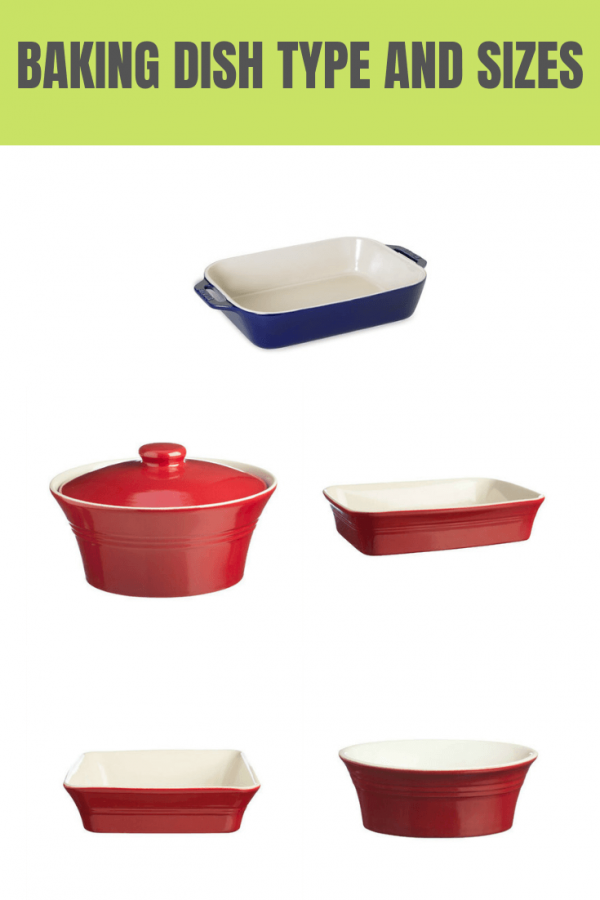
A 1 1/2-quart casserole dish sits between small and medium baking pans. The comparison below gives general guidance.
| Dish | Approximate capacity | Typical use |
|---|---|---|
| 8-by-4-inch loaf pan | About 4 to 6 cups | Quick bread, meatloaf |
| 8-by-8-inch square dish | Often about 6 to 8 cups | Brownies, small casseroles |
| 9-inch pie plate | Often about 4 to 6 cups | Pie, quiche, baked dip |
| 1 1/2-quart casserole | 6 cups | Small casseroles and sides |
| 2-quart casserole | 8 cups | Larger side dishes and family meals |
| 9-by-13-inch dish | Often 12 cups or more | Large casseroles and baked meals |
The capacities listed for common pans can vary. A deep dish holds more than a shallow dish with the same width and length.
Can you use an 8-by-8-inch pan instead?
Often, yes. Many 8-by-8-inch pans hold more than 1 1/2 quarts, depending on their depth. If the substitute pan is larger, the food may form a thinner layer and cook faster.
Check the food early and look for the recipe’s doneness signs. These may include:
- A bubbling center
- A firm middle
- Golden edges
- A set custard
- A safe internal temperature for meat or poultry
Do not rely only on the original cooking time when changing the dish’s shape.
Can you use a 2-quart dish instead?
Usually, yes, but the food will be spread more thinly. That may lead to faster cooking and less browning on top.
A smaller dish can cause the opposite problem. Food may be too deep, so the center stays cold or undercooked while the edges become dry.

What Materials Are 1 1/2-Quart Casserole Dishes Made From?
The most common materials are glass, ceramic, stoneware, and metal. Each material changes how the dish heats, browns, and handles temperature changes.
Glass
Glass dishes let you see the food as it cooks. They are common for casseroles and storage, but not every glass dish is oven-safe.
Follow the maker’s instructions about:
- Maximum oven temperature
- Preheating
- Broiler use
- Freezer-to-oven use
- Stovetop use
- Thermal shock
Avoid placing a cold glass dish into a hot oven unless the manufacturer specifically says it is safe. Do not move a hot glass dish onto a wet, cold, or very hard surface.
Ceramic and stoneware
Ceramic and stoneware dishes hold heat well and often look attractive at the table. They can be heavy and may crack if exposed to sudden temperature changes.
Look for clear instructions about oven, microwave, dishwasher, freezer, and broiler use. Decorative finishes may have limits that differ from the body of the dish.
Metal
Metal heats quickly and often promotes browning. It is useful for baked dishes, but it may not be suitable for microwave use.
Metal pans can also react with some acidic foods, such as tomato-based sauces, depending on the metal and its coating. Use the manufacturer’s care instructions.
Silicone
Silicone casserole dishes are flexible and easy to release, but they may brown food less than metal. They also need a firm tray underneath when filled with liquid food.
The label should state the temperature range and whether the product is suitable for oven, microwave, or dishwasher use.

How Do You Choose the Right 1 1/2-Quart Dish?
Choose the dish based on the recipe, heat source, storage needs, and how you plan to serve the food.
Check these features
- Capacity: Confirm that it holds 1 1/2 quarts.
- Interior shape: Match the dish to the recipe’s suggested dimensions.
- Depth: A deeper dish creates a thicker food layer.
- Lid: A lid helps with storage and transport but may not be oven-safe.
- Handles: Handles make a hot dish easier to carry.
- Weight: Stoneware and thick glass can be heavy when full.
- Cleaning: Check whether the dish is dishwasher-safe.
- Temperature limits: Confirm oven and broiler ratings.
- Microwave use: Never assume a metal dish is microwave-safe.
- Storage: Make sure the dish fits your refrigerator shelf or cabinet.
A lid may be safe for refrigeration but unsafe in the oven. Many plastic lids must be removed before heating. Read the instructions for the complete set, not just the dish itself.
Capacity is not the same as usable cooking space
A dish may hold 1 1/2 quarts when filled to the top, but that does not mean you should bake 1 1/2 quarts of bubbling food in it.
For casseroles, usable cooking volume is usually lower than the maximum fill volume. This helps prevent spills and gives toppings room to brown.

Common Mistakes to Avoid
Mistake 1: Treating every 1 1/2-quart dish as the same size
The capacity may match while the shape differs. A round, deep dish does not cook like a wide, shallow one.
Better approach: Compare inside length, width, and depth when the recipe gives pan dimensions.
Mistake 2: Filling the dish to the rim
Sauce and fat can bubble over during baking. This can create a mess and may cause burns when you move the dish.
Better approach: Leave headspace, especially with liquid, cheese, or expanding ingredients.
Mistake 3: Moving a cold dish into a hot oven
Sudden temperature changes can damage some glass and ceramic dishes.
Better approach: Follow the manufacturer’s temperature guidance. If the dish does not clearly allow the transfer, let it warm as directed or use a different pan.
Mistake 4: Using the lid under high heat
A storage lid may warp, melt, or release odors when heated.
Better approach: Check whether the lid is oven-safe. If the instructions do not say it can go in the oven, remove it.
Mistake 5: Changing the pan but keeping the same cooking time
A different depth changes how heat reaches the center.
Better approach: Start checking early when using a wider dish. Use a food thermometer when the recipe contains meat, poultry, eggs, or other foods that require careful cooking.
Mistake 6: Confusing US quarts with dry measurements
A casserole dish is normally described by liquid volume. A dry quart is a different unit used for some dry goods.
Better approach: Use the recipe’s cup measurement and the dish’s stated liquid capacity.

Is a 1 1/2-Quart Casserole Dish Oven-Safe?
A 1 1/2-quart label does not prove that a dish is oven-safe. Oven safety depends on the material and the maker’s instructions.
Before baking, check:
- The bottom of the dish for markings.
- The package or instruction sheet.
- The manufacturer’s care page.
- The maximum temperature.
- Whether preheating, broiling, or freezer-to-oven use is allowed.
Do not use a dish with cracks, deep chips, severe scratches, or other damage. Heat can make existing damage worse.
For meat and poultry casseroles, use a food thermometer and follow current USDA safe-temperature guidance. The dish’s capacity affects cooking depth, but it does not determine when meat is safe to eat.

What Can You Use Instead?
If you do not have a 1 1/2-quart casserole dish, use a pan with a similar capacity and a similar food depth.
Possible substitutes include:
- A 2-quart casserole dish
- A small square baking dish
- A deep pie plate
- A loaf pan, if the food is not too liquid
- Two smaller oven-safe dishes
When using a larger pan, the food layer will be thinner. Begin checking for doneness earlier.
When using a smaller or deeper pan, the center may need more time. Reduce the oven temperature only when the recipe or a tested conversion supports that change. Otherwise, monitor the food closely rather than making a large temperature adjustment.
For a dish that must travel, divide the recipe between two smaller containers if that gives you safer handling and more even cooking.
Key Takeaways
- A 1 1/2-quart casserole dish holds 6 US cups or 48 US fluid ounces.
- It is suited to small casseroles, side dishes, dips, and desserts.
- Its capacity does not guarantee a specific length or width.
- Shape and depth affect cooking time and browning.
- Leave room for bubbling and expansion.
- Check the manufacturer’s instructions before using glass, ceramic, a lid, or any dish with a temperature change.
- When substituting pans, watch the food rather than copying the original cooking time without checking.
Frequently Asked Questions
Is 1 1/2 quarts the same as 6 cups?
Yes. One US liquid quart equals 4 US cups, so 1.5 quarts equals 6 cups.
Is a 1 1/2-quart casserole dish the same as an 8-by-8-inch pan?
Not always. An 8-by-8-inch pan can have a different depth and may hold more than 1 1/2 quarts. Compare the pan’s stated capacity and inside dimensions.
How many people does a 1 1/2-quart casserole feed?
It usually serves about 2 to 4 people as a main dish or 4 to 6 people as a side dish. The recipe and portion size can change the result.
Can I bake a casserole with the plastic lid on?
Only if the lid is specifically marked as oven-safe for that temperature. Most storage lids should be removed before baking.
Can I use a 1 1/2-quart dish in the microwave?
Use it only when the dish is labeled microwave-safe. Do not microwave metal, metallic trim, or a material with no clear microwave guidance.
What size dish should I use for a recipe that calls for 1 1/2 quarts?
Use a dish with about 6 cups of capacity and similar interior dimensions. Leave headspace if the food bubbles or expands.
Conclusion
A 1 1/2-quart casserole dish is a compact baking dish with a capacity of 6 US cups. It is a practical size for small family meals, side dishes, baked dips, and desserts.
The best match depends on more than the quart label. Check the dish’s shape, depth, material, lid, and temperature rating. When replacing it with another pan, adjust your expectations for cooking time and watch for the recipe’s actual signs of doneness.
Sources and research basis
- National Institute of Standards and Technology: SI Units and Conversion Factors
- USDA Food Safety and Inspection Service: Safe Minimum Internal Temperature Chart
- USDA Food Safety and Inspection Service: Kitchen Thermometers
- Manufacturer care instructions should be used for the specific glass, ceramic, stoneware, metal, silicone, or lid being heated.

Hi, I’m Mary, the founder of KitchenClue.com. I’m deeply passionate about everything that makes a kitchen smarter, easier, and more enjoyable. I share hands-on insights and practical expertise on kitchen gear that truly helps in daily cooking. Along with my dedicated research team, we study products carefully, and our writers create honest, well-tested reviews using trusted, authentic sources—so you can choose kitchen tools with total confidence.