Le Creuset Family Bakeware Set: Best Buying Guide
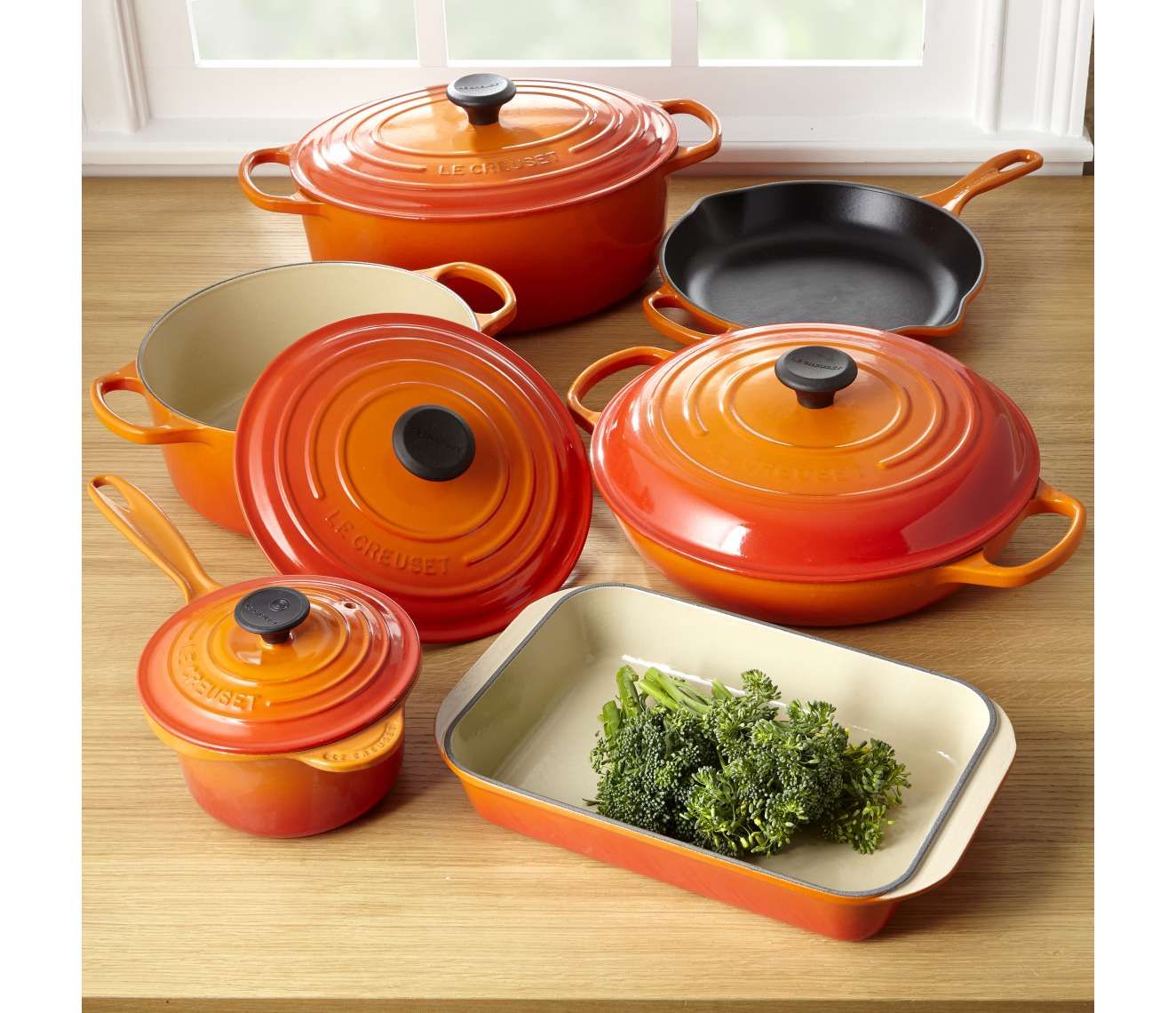
For home cooks in the United States, a Le Creuset family bakeware set can cover many everyday jobs: casseroles, baked pasta, roasted vegetables, fruit crisps, pies, and loaf cakes. The set usually combines several pieces of Le Creuset stoneware, but the exact items can change by retailer, color, promotion, or product edition.
The best way to judge the set is not by the piece count alone. Check the exact dimensions, capacities, oven limits, care instructions, and whether the included shapes match the meals your household makes most often.

What Is a Le Creuset Family Bakeware Set?
A Le Creuset family bakeware set is a group of glazed stoneware baking dishes sold together for household cooking and baking. In the United States, listings may use names such as Family Bakeware Set, Heritage Bakeware Set, or a retailer-specific bundle.
Common pieces may include:
- A rectangular baking or casserole dish
- A smaller square baking dish
- A loaf pan
- A pie dish
- A covered baker or lidded casserole dish
The exact contents are not universal. Two listings with similar names may include different sizes or shapes. Always compare the product photos and specifications with the written list before purchasing.
Le Creuset stoneware at a glance
Le Creuset’s stoneware is a ceramic material with a nonporous glazed surface. The glaze helps resist food odors, staining, and sticking when the dish is used and cleaned correctly.
Typical documented features of Le Creuset stoneware include:
- Oven use within the manufacturer’s stated temperature limit
- Microwave use
- Freezer use when handled according to care directions
- Dishwasher cleaning
- A glazed surface that does not need seasoning
- Resistance to many common kitchen stains and odors
Stoneware holds heat well. That helps food stay warm at the table, but it also means the dish can remain hot longer than a thin metal pan. Use dry oven mitts and place hot dishes on a heat-safe surface.

What Usually Comes in the Set?
The most useful piece in a family bakeware set is often the large rectangular dish. It can handle baked ziti, lasagna, enchiladas, roasted vegetables, chicken dishes, and cobblers.
The smaller pieces give the set more range. A square dish is useful for brownies, smaller gratins, and side dishes. A loaf pan suits quick bread and meatloaf. A pie dish works for pies, quiche, and some shallow baked meals.
Because set contents vary, use this checklist before buying:
| What to check | Why it matters |
|---|---|
| Exact piece count | A “set” may include three, four, or more dishes |
| Capacity in quarts | Capacity affects recipe yield and portion size |
| Interior dimensions | A recipe may require a specific pan length or width |
| Lid included or not | A lid can help with storage and transport |
| Material | Confirm that every piece is stoneware, not an accessory or insert |
| Color and finish | Some colors may be seasonal or retailer-specific |
| Care instructions | Limits can vary by material and component |
| Warranty terms | Coverage may depend on the purchase channel and region |
Do not assume that a larger dish is automatically better. A pan that is too large can spread food into a thin layer, change cooking time, and cause sauces to dry more quickly. A pan that is too small can lead to bubbling, overflow, and uneven cooking.
Capacity is more useful than piece count
A four-piece set with one large casserole, one medium dish, and two specialty pans may be more useful than a six-piece set made up of small dishes. Think about your normal meal size.
For example:
- A couple may use a medium square dish for most weeknight meals.
- A family cooking for four or more may need a large rectangular dish.
- A baker may value a loaf pan and pie dish more than a second casserole.
- A meal-prep cook may prefer two similar dishes for batch cooking.
If a recipe gives only a pan size, compare the base area and depth rather than guessing. A deeper dish cooks differently from a shallow dish even when both hold a similar volume.

How to Use Le Creuset Stoneware Safely
Use Le Creuset bakeware only within the current care instructions for that specific piece. The main safety concern is thermal shock, which occurs when ceramic experiences a sudden and large temperature change.
Follow these steps:
- Inspect the dish before use. Do not use bakeware with a crack, deep chip, or damaged edge.
- Avoid sudden temperature changes. Do not move a cold dish directly into a very hot oven unless the manufacturer specifically allows it.
- Preheat the oven when the recipe requires it. Put the dish into the oven according to the care directions.
- Use dry oven mitts. Wet fabric transfers heat more easily and may cause burns.
- Place hot bakeware on a dry, heat-safe surface. Do not set it on a wet counter, cold stone, or metal surface that may create a sharp temperature change.
- Let the dish cool before washing. Do not pour cold water into a hot dish.
- Check the product instructions for broiler use. Oven-safe does not always mean that every broiler position or heating method is suitable.
Le Creuset stoneware is generally designed for oven, microwave, freezer, and dishwasher use within its stated limits. The manufacturer’s current instructions should control if they differ from general ceramic care advice.
Can it go from freezer to oven?
Do not treat “freezer-safe” and “oven-safe” as permission for every freezer-to-oven transfer. The risk comes from the temperature change, not just the final oven temperature.
If you freeze food in a Le Creuset dish, thaw it safely and allow the dish to warm gradually unless the exact product instructions clearly approve the planned transfer. Avoid placing a frozen stoneware dish on a hot stovetop or under intense direct heat.

Best Uses for a Le Creuset Family Bakeware Set
A family bakeware set earns its space when the pieces support meals you already cook. Its strongest use is oven-to-table cooking, where the same dish moves from the oven to the dining table.
Baked pasta and casseroles
The large rectangular dish is well suited to lasagna, baked macaroni and cheese, stuffed shells, enchiladas, and layered casseroles. Stoneware can help retain serving heat, which is useful when dinner does not reach the table immediately.
Leave room at the top for bubbling sauces and melted cheese. Overfilling makes the dish harder to carry and increases the chance of spills.
Roasted vegetables and side dishes
Use a medium or large dish for roasted squash, potatoes, gratins, dressing, and baked vegetables. Spread food in an even layer when you want browning. Crowding creates steam and may leave vegetables soft rather than browned.
Desserts
A pie dish or square baker can handle fruit crumble, cobbler, brownies, and some bar cookies. A loaf pan can be used for banana bread, pound cake, and other quick breads.
Stoneware may heat more slowly than thin metal. Follow the recipe first, then check the food near the end of the suggested baking time. If the top browns before the center sets, cover it loosely with foil if the recipe allows.
Make-ahead meals
A lidded dish can be helpful for refrigerator storage and transport. However, the lid may be made from a different material and may have separate temperature limits. Remove any non-oven-safe lid before baking.
Do not seal a hot dish tightly and place it in the refrigerator at once. Allow it to cool in a safe manner, then refrigerate per food-safety guidance.

Le Creuset Stoneware vs. Metal and Glass Bakeware
Le Creuset stoneware is not automatically better than metal or glass. Each material changes how food heats, browns, stores, and serves.
| Material | Main strength | Main limitation |
|---|---|---|
| Le Creuset stoneware | Oven-to-table presentation and heat retention | Heavy and more sensitive to thermal shock |
| Aluminum or steel | Fast heating and strong browning | May cool faster and can react with some acidic foods if uncoated |
| Glass | Easy food visibility and useful for many casseroles | Can break from thermal shock and may brown differently |
| Silicone | Flexible release and light weight | Usually offers less browning and less rigid support |
Choose stoneware when you want a sturdy serving dish that looks presentable at the table. Choose metal when rapid browning, crisp edges, or a lighter pan matters most. Choose glass when seeing the food during baking is useful.
The cooking result also depends on the recipe, oven, rack position, food depth, and starting temperature. The bakeware material alone does not determine success.

How to Clean and Maintain the Set
Clean Le Creuset stoneware after it has cooled. Most current Le Creuset stoneware is dishwasher-safe, but hand washing may help preserve the appearance of the finish over time.
For routine cleaning:
- Remove loose food with a soft sponge or nylon brush.
- Wash with warm water and mild dish soap.
- Soak the dish if food has dried onto the surface.
- Use a nonabrasive cleaner for stubborn marks.
- Dry the dish before storing it.
Avoid sudden cooling, abrasive scouring pads, and harsh scraping. Do not use a damaged piece for cooking.
Removing baked-on food
Fill the cooled dish with warm water and a small amount of dish soap. Let it soak, then loosen the residue with a soft tool. For persistent stains, use a cleaner approved for glazed ceramic or follow Le Creuset’s current care instructions.
Metal marks may appear when utensils rub against the glaze. These marks do not always mean the dish is structurally damaged, but deep cracks, sharp chips, and flaking glaze are reasons to stop using it.
Storage
Store pieces with space between them when possible. If you stack them, place a soft protective layer between dishes. Do not store heavy cookware on top of a stoneware baking dish.

Is the Le Creuset Family Bakeware Set Worth It?
The set may be worth the cost if you want coordinated oven-to-table bakeware, use several included shapes, and value long-term maintenance and presentation. It is less compelling if you need only one pan or mainly bake recipes that perform best in lightweight metal.
The set is a good fit when you:
- Cook casseroles, gratins, baked pasta, or cobblers often
- Want dishes that can serve directly at the table
- Prefer a glazed surface that needs no seasoning
- Need several baking shapes for family meals
- Are comfortable handling heavier cookware
- Can follow ceramic thermal-shock precautions
Buy individual pieces instead when you:
- Need one specific pan size
- Already own several casserole dishes
- Prefer lightweight metal bakeware
- Have limited cabinet space
- Often cook under a broiler or over direct heat
- Want the lowest upfront cost
Compare the bundle price with the price of the pieces you would actually use. A set is not a bargain if two dishes remain in storage.
Also check the return policy before buying. Ceramic cookware can be damaged in transit, and a retailer’s return process may be easier than handling a manufacturer warranty claim.

Common Mistakes to Avoid
Several simple mistakes can shorten the life of stoneware or produce poor baking results.
Treating stoneware like a stovetop pan
Stoneware bakeware is not a replacement for a cast-iron skillet or metal saucepan. Do not place it on a burner unless the product instructions specifically permit that use.
Adding cold liquid to a hot dish
Cold broth, water, or sauce can create a sharp temperature change. Add liquids according to the recipe, and avoid shocking the dish after baking.
Overfilling the pan
Leave space for food to expand and bubble. This is especially important for lasagna, fruit fillings, and cheese-based casseroles.
Using sharp or abrasive tools
A knife may cut into food in the dish, but repeated force against the glaze can leave marks or damage the surface. Use silicone, wood, or suitable nylon tools when possible.
Assuming every part has the same care rules
A stoneware dish, glass lid, plastic lid, and ceramic lid may have different limits. Read the instructions for each part.
Ignoring the exact product edition
The name “family bakeware set” may describe a bundle rather than one permanent global model. Check the current U.S. listing for dimensions, capacity, included pieces, and warranty details before ordering.

Frequently Asked Questions
Is Le Creuset stoneware nonstick?
No. Le Creuset stoneware has a smooth glazed surface that can reduce sticking, but it is not the same as a coated nonstick pan. Grease or line the dish when the recipe calls for it.
Can Le Creuset bakeware go in the microwave?
Many Le Creuset stoneware pieces are microwave-safe within the manufacturer’s instructions. Do not microwave pieces with metallic decoration, and use care when removing hot food because the dish and contents may heat unevenly.
Can I use a Le Creuset family bakeware dish under the broiler?
Broiler use depends on the exact product and the manufacturer’s instructions. A dish that is oven-safe may still have limits on direct, intense top heat. Check the current care guide before using a broiler.
Does stoneware change baking time?
It can change how heat reaches and leaves the food compared with thin metal. Recipe results depend on the dish shape, food depth, oven, and starting temperature. Begin with the recipe’s stated time, then check for doneness using the appropriate visual or internal test.
What should I do if the dish develops a crack?
Stop using it for food preparation. A cracked ceramic dish can fail when heated, moved, or filled. Contact Le Creuset or the retailer with the purchase details and photos to ask about available support.
Is a Le Creuset bakeware set a good wedding or housewarming gift?
It can be a useful gift for someone who cooks casseroles, baked desserts, or family meals. Before choosing a set, consider the recipient’s storage space, cooking style, and existing bakeware.
Final Recommendation
A Le Creuset family bakeware set makes the most sense for U.S. households that want durable-looking, oven-to-table stoneware for casseroles, side dishes, and desserts. Its value depends on the exact pieces, not just the Le Creuset name or advertised piece count.
Before buying, confirm the current contents, capacities, dimensions, care limits, warranty, and return policy. If you will use most of the dishes each month, the set may replace several separate purchases. If you need only one pan, selecting an individual piece is usually the more practical choice.

Hi, I’m Mary, the founder of KitchenClue.com. I’m deeply passionate about everything that makes a kitchen smarter, easier, and more enjoyable. I share hands-on insights and practical expertise on kitchen gear that truly helps in daily cooking. Along with my dedicated research team, we study products carefully, and our writers create honest, well-tested reviews using trusted, authentic sources—so you can choose kitchen tools with total confidence.