Le Creuset 1.5 Quart Braiser: Best Uses And Care Tips
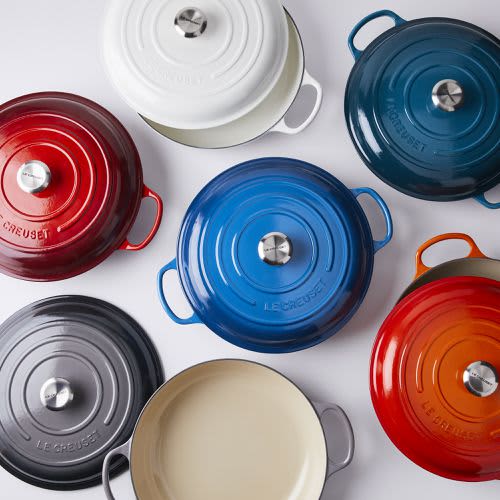
For cooks in the United States, the Le Creuset 1.5 quart braiser is a small, shallow pan made for compact meals, sauces, side dishes, and gentle braising. Its enameled surface does not need seasoning, and its broad shape helps food cook in an even layer.
The key question is size. A 1.5-quart braiser is best for one or two people. It is not a full-size replacement for a 3.5-quart or larger braiser when you need to cook a family meal.

What Is a Le Creuset 1.5 Quart Braiser?
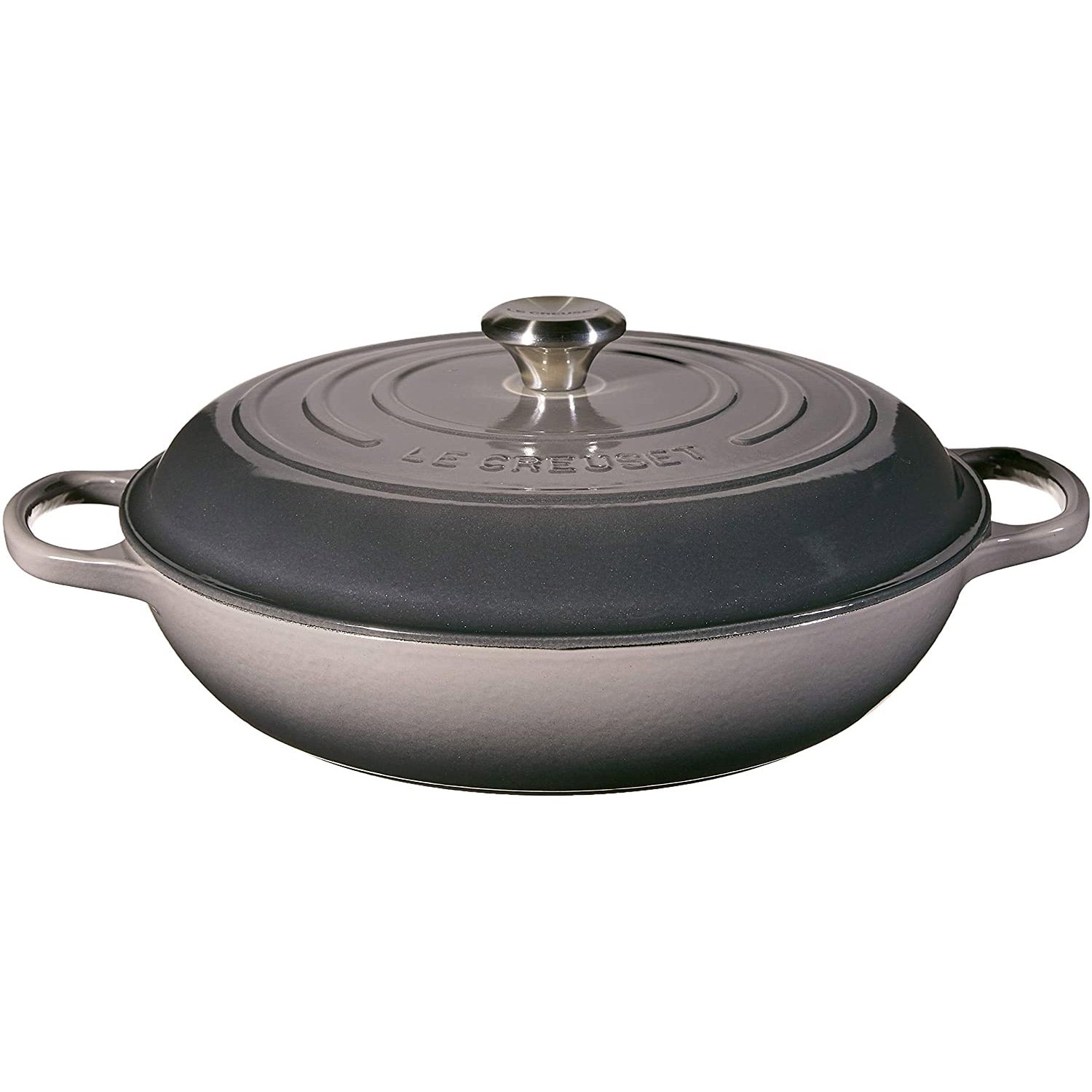
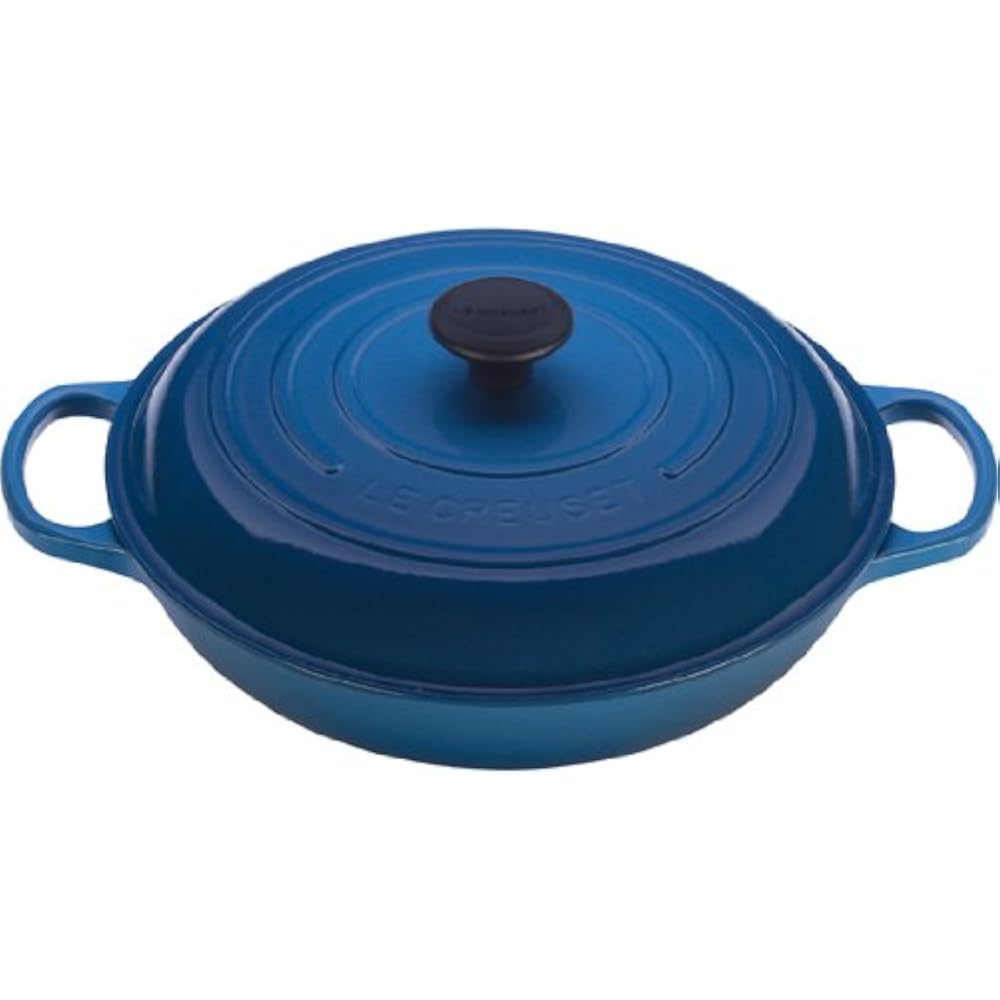
A braiser combines some of the traits of a skillet, Dutch oven, and covered sauté pan. It has a wide base, low sides, and a fitted lid. This shape lets you brown food first, then finish it with moist heat.
The Le Creuset version is generally associated with enameled cast iron, although product names and materials can vary by collection, seller, and market. Always check the exact US listing before buying. Some Le Creuset cookware uses stoneware, which has different heat limits and care rules.
The cast-iron model has three main parts:
- A heavy cooking base that holds heat well
- A light-colored enamel interior that makes browning easier to see
- A close-fitting lid that helps retain moisture
The braiser’s wide base is useful for foods that should sit in one layer. Chicken thighs, pork chops, fish fillets, vegetables, and small casseroles fit this cooking style better than tall foods or large batches.
What does 1.5 quarts mean?
A quart measures volume, not the amount of food you should fill to the rim. A 1.5-quart pan holds about 6 cups of liquid, but practical cooking capacity is lower. Leave room for stirring, bubbling, and the lid.
As a working guide:
| Household need | Fit of a 1.5-quart braiser |
|---|---|
| One serving | Generous |
| Two servings | Usually suitable |
| Three servings | Possible for small portions |
| Four or more servings | Often too small |
| Large cuts of meat | Usually unsuitable |
| Side dishes and sauces | Very suitable |
The shape matters as much as the volume. A shallow braiser may hold less than a small saucepan but offer more useful surface area for browning.
Best Uses for the Le Creuset 1.5 Quart Braiser
The small size makes this braiser useful when you want the cooking behavior of enameled cast iron without heating a large vessel. It works best for meals where the ingredients form a shallow layer.
Good uses include:
- Braised chicken thighs for one or two people
- Small portions of short ribs or pork
- Fish cooked with tomatoes, stock, or wine
- Shakshuka and baked eggs
- Creamy beans or lentils
- Small gratins and casseroles
- Sautéed greens with a covered finish
- Rice dishes and grains
- Pan sauces
- Warm dips and baked cheese dishes
- Roasted or braised vegetables
The pan is also useful for reheating foods that dry out in a microwave. Low, even heat and a lid can help retain moisture. Use a low burner setting and stir when needed.
When a larger braiser is the better choice
Choose a larger pan if you often cook for more than two people. A bigger braiser gives food more room and reduces crowding. Crowding can cause meat to steam instead of brown.
A larger model is also better for:
- A whole chicken
- Several chicken breasts
- Large batches of stew
- Family-size casseroles
- Meal preparation for several days
- Recipes that need space between pieces
Do not buy the 1.5-quart size simply because it is easier to lift. A small pan saves space, but it cannot provide the cooking area of a larger braiser.
How to Use a 1.5 Quart Braiser
Use the braiser in stages. Start with dry ingredients and moderate heat, then add liquid and cover the pan when the recipe calls for moist cooking.
Basic stovetop method
- Dry the food. Pat meat or vegetables dry before browning.
- Preheat slowly. Place the braiser on a burner at low or medium heat for a few minutes.
- Add a small amount of oil. Use enough to coat the cooking surface.
- Brown in batches if needed. Leave space around each piece.
- Lower the heat. Add aromatics, such as onion, garlic, or herbs.
- Add liquid. Use stock, water, tomato sauce, wine, or another recipe liquid.
- Scrape gently. A wooden, silicone, or other nonmetal tool can loosen browned bits.
- Cover and cook. Keep the heat low enough for a gentle simmer.
- Check early. Small portions may finish faster than the same recipe made in a large pot.
- Serve carefully. The lid and handles can become very hot.
A gentle simmer should produce small, steady bubbles. A hard boil can reduce liquid too quickly and may make meat tough.
Using it in the oven
An enameled cast-iron braiser can usually move from stovetop to oven, but the safe temperature depends on the exact model, lid, and knob. Le Creuset’s US care instructions should control over general advice.
Before using the braiser in the oven:
- Confirm that the product is cast iron, not stoneware.
- Check the lid knob’s maximum temperature.
- Use oven mitts for the body, lid, and handles.
- Avoid placing a hot pan on a cold or wet surface.
- Do not move a hot pan directly into cold water.
A metal knob may tolerate a higher oven temperature than a phenolic or composite knob. Never assume that all Le Creuset lids have the same limit.

Stovetop and Cooktop Compatibility
The cast-iron version is generally compatible with common US cooking surfaces, including:
- Gas
- Electric coil
- Smooth-top electric
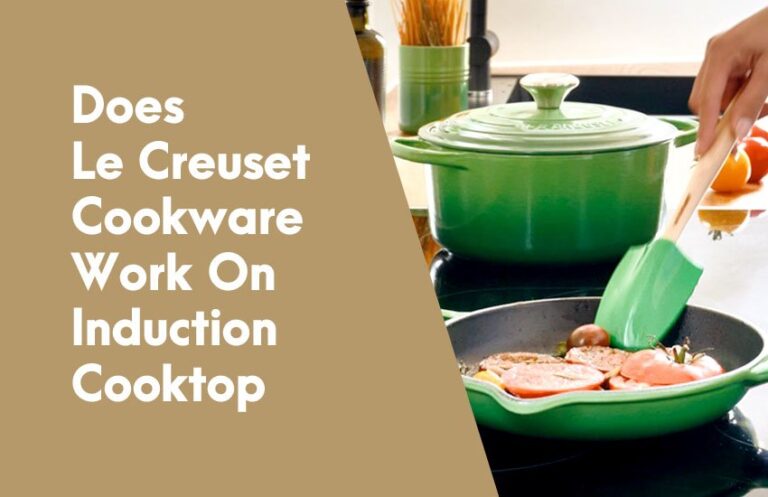
- Induction
- Radiant cooktops
The base should sit flat on the cooking surface. Lift the pan instead of sliding it across glass or ceramic cooktops. Cast iron is heavy, and sliding it may scratch the surface.
For induction, the pan must have a magnetic cast-iron base. Confirm the exact model if buying from a third-party seller. Product names can be reused across different materials.
For a glass cooktop, use these habits:
- Check the cooktop and pan base for grit.
- Lift the braiser with both hands.
- Avoid dropping the pan onto the surface.
- Keep heat at a moderate level.
- Let the pan cool before washing it.
The braiser holds heat after the burner is turned off. This is helpful for finishing food, but it also means the pan may continue cooking longer than expected.

Cleaning and Care
Clean the braiser after it has cooled. Sudden temperature changes can damage enamel or create thermal stress.
Recommended cleaning steps
- Let the pan cool to a safe temperature.
- Remove food with a silicone or wooden utensil.
- Wash with warm water, mild dish soap, and a soft sponge.
- Soak stuck food in warm, soapy water.
- Use a nylon brush for residue that does not lift easily.
- Dry the pan fully before storing it.
Avoid steel wool, harsh scouring pads, and abrasive powders. They can dull the enamel and may leave scratches.
For stubborn residue, fill the pan with warm water and a small amount of dish soap. Let it sit, then warm it gently if the care instructions for the model allow this. Do not use high heat to burn off food.
Does it need seasoning?
No. Enameled cast iron does not require the regular oil seasoning used for bare cast iron. You can apply a thin layer of oil after washing if you prefer, but it is not necessary for maintaining an enamel cooking surface.
Do not season the enamel by heating oil until it smokes. This can create baked-on residue and make cleaning harder.
Can it go in the dishwasher?
Le Creuset often describes its enameled cast iron as dishwasher safe, but repeated dishwasher cycles can dull the enamel and affect some exterior finishes. Hand washing is the better choice for preserving appearance.
Check the care instructions for the specific US model, especially if the lid has a special knob or if the listing includes more than one material.

Strengths and Limitations
The Le Creuset 1.5 quart braiser has a clear benefit: it brings the heat retention of cast iron to small meals. It can move from the stovetop to the oven, provides a broad cooking surface, and has an enamel interior that is easier to maintain than bare cast iron.
Its main limitation is capacity. The pan is not suited to large portions or tall foods. It can also feel heavy compared with aluminum or stainless steel cookware of the same size.
Main advantages
- Good heat retention
- Broad surface for browning
- Moisture-retaining lid
- No seasoning required
- Suitable for many US cooktops
- Useful for serving small meals directly from the pan
- Enamel interior helps prevent food from contacting bare iron
Main limitations
- Small cooking capacity
- Heavy for its size
- Slow to heat compared with thin metal pans
- Enamel can chip if dropped or struck
- Premium purchase price compared with basic cookware
- Exact oven limits vary by model and knob
The braiser is a strong fit for a small household that values durable cookware and cooks meals in one or two portions. It is a weaker fit for batch cooking, large families, or anyone seeking a very light pan.

Le Creuset 1.5 Quart Braiser Compared With Similar Cookware
The right comparison depends on what you want the pan to do.
| Cookware type | Best feature | Trade-off |
|---|---|---|
| 1.5-quart braiser | Browning and covered cooking in small portions | Limited capacity |
| Small sauté pan | Quick browning and open cooking | Usually less useful for long braises |
| Small Dutch oven | Deeper liquid cooking | Less broad surface area |
| Stainless steel skillet | Fast response and light weight | Does not retain heat like cast iron |
| Nonstick skillet | Easy release and simple cleanup | Usually less suited to very high heat and oven use |
| Enameled stoneware baker | Small oven dishes and serving | Not a direct substitute for stovetop cast iron |
A braiser is not simply a short Dutch oven. Its low walls favor browning and shallow cooking. A Dutch oven is better when ingredients need to be submerged or stacked.
A nonstick skillet may be more practical for eggs or delicate foods. The Le Creuset braiser becomes more useful when the recipe begins with browning and ends with a covered simmer or bake.

Buying Checklist for the US Market
Check the exact listing before purchasing. “Le Creuset braiser” is not enough to establish the material, size, or included lid.
Confirm these details:
- Capacity: Verify that it is 1.5 quarts, not 1.75, 2.25, or 3.5 quarts.
- Material: Confirm enameled cast iron if that is what you want.
- Interior: Check whether the cooking surface is light or dark enamel.
- Lid: Confirm that a fitted lid is included.
- Knob: Check the knob material and oven-temperature limit.
- Cooktop use: Verify induction and glass-top compatibility.
- Condition: Ask whether the item is new, factory second, used, or refurbished.
- Return policy: Review the seller’s return terms before opening or cooking with it.
- Warranty: Read the current US warranty terms rather than relying on a marketplace description.
- Size: Compare the listed dimensions with your stovetop, oven, sink, and storage space.
Color names and availability can change. A color shown by a third-party retailer may be discontinued or may describe an older collection.

Common Mistakes to Avoid
Heating the empty pan too fast
Cast iron stores heat well, so high heat is rarely needed. Rapid heating can cause food to stick and may stress the enamel.
Filling the pan to the rim
Leave headroom for bubbling and stirring. A filled pan is also harder and less safe to carry.
Crowding the cooking surface
Food needs contact with the hot base to brown. Cook in batches when the ingredients touch each other.
Using metal tools aggressively
Occasional careful use may not cause immediate damage, but sharp metal tools can scratch or chip enamel. Use wood, silicone, or other suitable utensils.
Pouring cold liquid into a hot pan
A sudden temperature change can harm cookware. Add room-temperature or warm liquid when possible, and follow the manufacturer’s care guidance.
Treating the pan like a lightweight skillet
The braiser is heavy and remains hot for a long time. Use two hands when moving it, and warn others when the handles are hot.
Trusting a generic product title
Marketplace listings may combine details from different models. Match the model name, capacity, material, dimensions, and knob information before buying.

Is the Le Creuset 1.5 Quart Braiser Worth It?
The braiser is worth considering if you want a small, durable pan for one- or two-person meals and you value stovetop-to-oven cooking. Its greatest practical benefit is not the brand name alone. It is the combination of a wide base, heavy heat retention, enamel coating, and fitted lid.
It is less compelling if you need a large family pan, prefer lightweight cookware, or mainly cook quick meals without a lid. In those cases, a stainless steel, aluminum, or nonstick skillet may provide better day-to-day value.
Before buying, compare the current US price with the exact material, lid, warranty, and return terms. A lower-priced listing is not a true bargain if it is a different material or lacks the expected lid.
Key Takeaways
- The Le Creuset 1.5 quart braiser is best for one or two servings.
- Its shallow, wide form supports browning, simmering, and baking.
- Verify the exact model because Le Creuset products can vary by collection and material.
- Enameled cast iron does not need seasoning.
- Use low to medium heat and avoid sudden temperature changes.
- Check the knob’s oven limit before baking.
- A larger braiser is better for family meals and batch cooking.
Frequently Asked Questions
How many people does a 1.5-quart braiser serve?
It usually suits one or two people. It may serve three if the portions are small and the dish does not require much cooking space.
Can I cook steak in a 1.5-quart braiser?
Yes, if the steak fits without touching the sides or another piece of food. A skillet may be easier for very high-heat searing because the braiser is heavy and retains heat for a long time.
Can the braiser go from the refrigerator to the oven?
Do not assume that it can. A sudden temperature change may stress enamel or cast iron. Let the pan and food warm gradually, and follow the care instructions for the exact model.
Is the braiser safe for acidic foods?
Enameled cast iron is commonly used with tomato, citrus, wine, and other acidic ingredients. Avoid cooking acidic food for unusually long periods if the enamel is chipped or damaged. Inspect the cooking surface before use.
Can I use a 1.5-quart braiser on an induction cooktop?
The enameled cast-iron version is generally induction compatible. Confirm the exact US model, especially when buying through a marketplace or from a secondhand seller.
What should I do if the enamel is chipped?
Stop using the pan if chips expose the underlying metal in the cooking area. Contact Le Creuset or the authorized seller for product-specific guidance. Do not sand or repair the interior yourself.
Final Recommendation
Choose the Le Creuset 1.5 quart braiser when you need premium small-format cookware for one or two people, especially for recipes that begin with browning and finish with a covered simmer or bake. Choose a larger braiser when surface area and serving size matter more than compact storage.
The next step is simple: verify the current US listing’s material, capacity, lid, knob temperature limit, warranty, and return policy before placing an order.

Hi, I’m Mary, the founder of KitchenClue.com. I’m deeply passionate about everything that makes a kitchen smarter, easier, and more enjoyable. I share hands-on insights and practical expertise on kitchen gear that truly helps in daily cooking. Along with my dedicated research team, we study products carefully, and our writers create honest, well-tested reviews using trusted, authentic sources—so you can choose kitchen tools with total confidence.