Cooking Rice In Le Creuset Pot: Easy Perfect Method
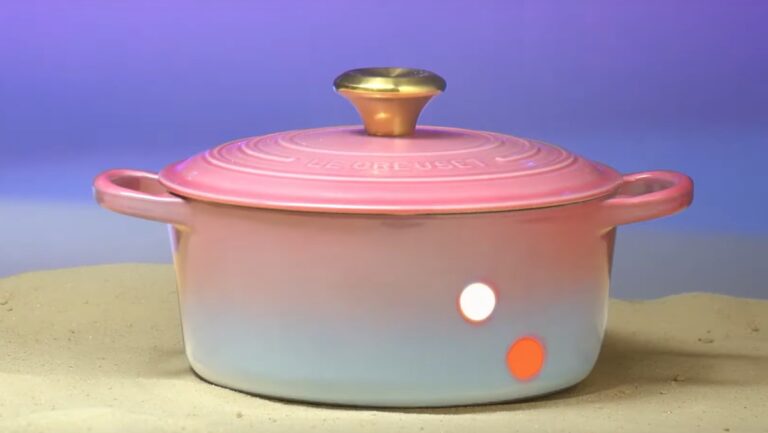
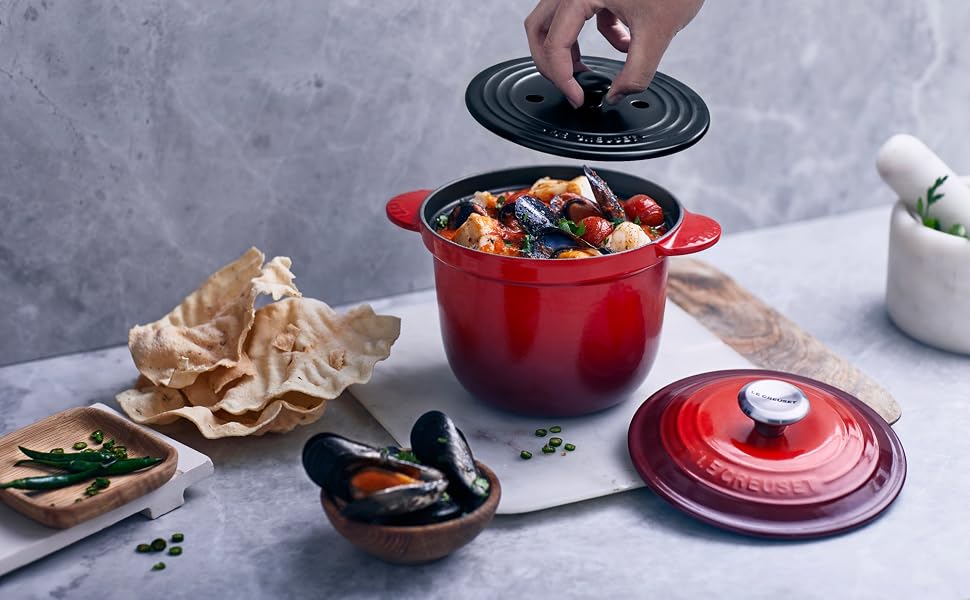
Cooking rice in a Le Creuset pot is simple when you control the water, heat, and rest time. For most white rice, use 1 cup rice, 1½ cups water, and a tight-fitting lid. Bring the water to a boil, cover, reduce the heat to low, cook for about 15 minutes, then let the rice rest off the heat for 10 minutes.
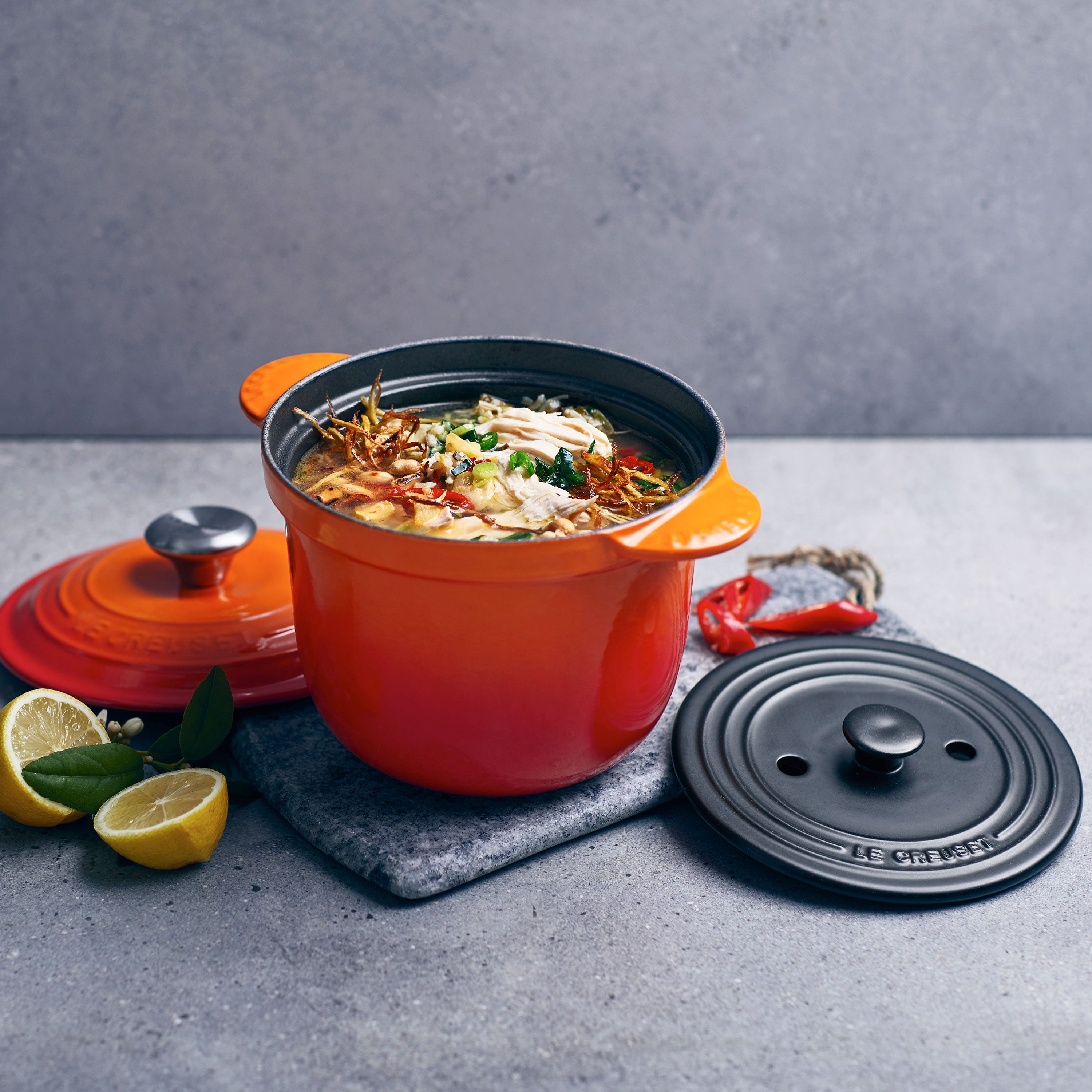
This method works well in Le Creuset enameled cast-iron Dutch ovens and saucepans. The heavy pot holds heat well, so it cooks rice evenly but may need a lower burner setting than a thin stainless-steel pan.
This guide explains how to cook white, brown, basmati, jasmine, and other common rice types in a Le Creuset pot on a U.S. stovetop.

Why a Le Creuset Pot Works Well for Rice
A Le Creuset pot cooks rice well because its thick walls spread and hold heat. Once the pot reaches a simmer, it can keep the cooking temperature steady even after you lower the burner.
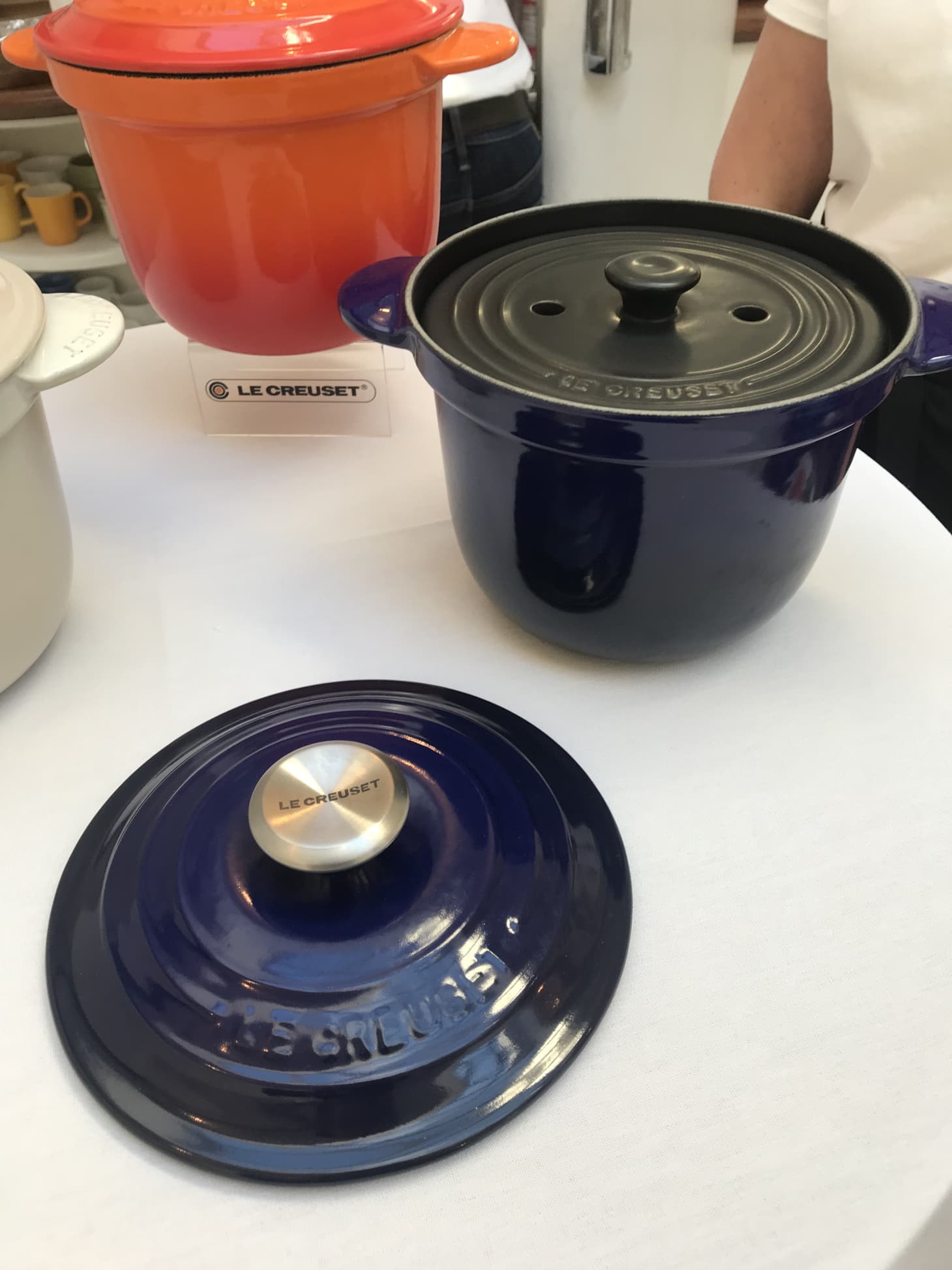
The lid also matters. Rice cooks by absorbing hot water and steam. A loose lid lets steam escape, which can leave the rice hard. A tight lid keeps the moisture inside and helps the grains finish cooking.
The main challenge is that cast iron stays hot for a long time. If the burner is too high, the rice may stick or burn on the bottom before the top is tender. Use low heat once the liquid begins to boil.
A Le Creuset pot does not require a special rice-cooking method. The rice type, water amount, lid fit, and heat level matter more than the brand of the pot.

The Best Basic Ratio for White Rice
For most long-grain white rice, begin with this ratio:
| Rice | Water or broth | Cooking time | Rest time |
|---|---|---|---|
| 1 cup white rice | 1½ cups | 15 minutes | 10 minutes |
| 2 cups white rice | 3 cups | 15–18 minutes | 10 minutes |
| 3 cups white rice | 4½ cups | 18–20 minutes | 10 minutes |
This ratio suits many types of long-grain white rice, including standard long-grain rice. However, package instructions should take priority when they give a different ratio.
Use slightly less water for rice that has been rinsed and drained well. A small amount of water remains on the grains after rinsing, so the final result may become softer if you use the full amount without accounting for that moisture.
For a richer side dish, replace some or all of the water with low-sodium chicken broth, vegetable broth, or beef broth. Add salt based on the salt level of the broth.
Rice-to-water guide by type
| Rice type | Starting liquid ratio | Typical covered simmer |
|---|---|---|
| Long-grain white | 1 cup rice to 1½ cups liquid | 15–18 minutes |
| Jasmine | 1 cup rice to 1¼–1½ cups liquid | 12–15 minutes |
| Basmati | 1 cup rice to 1½ cups liquid | 15–18 minutes |
| Short-grain white | 1 cup rice to about 1¼ cups liquid | 15–18 minutes |
| Brown rice | 1 cup rice to 1¾–2 cups liquid | 35–45 minutes |
| Wild rice blend | Follow the package directions | Often 35–50 minutes |
These are starting points, not universal rules. Rice age, brand, pot size, burner strength, and lid seal all affect the result.

How to Cook Rice in a Le Creuset Pot
Follow these steps for fluffy stovetop rice.
1. Measure the rice and liquid
Measure the rice with a dry measuring cup and the liquid with a liquid measuring cup. Accurate measuring helps prevent rice that is hard, wet, or mushy.
For a first attempt, use:
- 1 cup long-grain white rice
- 1½ cups water
- ½ teaspoon salt, or to taste
- 1 teaspoon butter or oil, optional
A 2- to 3½-quart Le Creuset saucepan or Dutch oven works well for 1 to 2 cups of dry rice. Choose a larger pot for larger batches because rice expands as it cooks.
2. Rinse the rice if you want separate grains
Place the rice in a fine-mesh strainer and rinse it under cool water until the water looks less cloudy. Rinsing removes some surface starch and can reduce stickiness.
Do not rinse rice if the recipe depends on a creamy texture, such as rice pudding or some risotto-style dishes. For ordinary fluffy white rice, rinsing is optional but often helpful.
Drain the rice well. Excess water changes the cooking ratio.
3. Combine the ingredients
Add the water, rice, salt, and optional butter or oil to the Le Creuset pot. Stir once so the grains are evenly spread.
You can also toast the dry rice in butter or oil for 1 to 2 minutes before adding the liquid. This adds a mild nutty flavor, but it is not required for good rice.
4. Bring the liquid to a boil
Set the pot over medium to medium-high heat with the lid off. Stir once or twice while the liquid heats.
Wait for a full boil, not just a few bubbles at the edge. Once the water boils, move to the next step quickly. Long boiling can cause the liquid to evaporate before the rice starts its covered cooking stage.
5. Cover and reduce the heat to low
Put the lid on the pot. Immediately reduce the burner to the lowest setting that maintains a gentle simmer.
Do not keep lifting the lid. Each opening releases steam and lowers the temperature. If you need to check the heat, listen for a quiet simmer rather than removing the lid.
Cook long-grain white rice for about 15 minutes. A heavy Le Creuset pot may continue cooking strongly even on low heat, so adjust the burner if you smell scorching or hear loud popping.
6. Turn off the heat and let the rice rest
When the cooking time ends, turn off the burner. Keep the lid closed and let the rice rest for 10 minutes.
This step allows the remaining steam to finish softening the grains. It also lets moisture spread through the rice instead of collecting at the bottom of the pot.
7. Fluff and serve
Remove the lid and fluff the rice with a fork. Use gentle lifting motions rather than vigorous stirring.
Taste the rice. If the center is still firm, add 1 to 2 tablespoons of hot water, cover the pot, and cook over low heat for another 3 to 5 minutes. Let it rest again before checking.
How to Cook Different Rice Types
Different rice varieties need different amounts of liquid and time. Use the package directions when they conflict with these general guidelines.
Jasmine rice
Jasmine rice is soft and fragrant. It often needs less water than standard long-grain rice.
Try 1 cup jasmine rice with 1¼ to 1½ cups water. Cook it covered for about 12 to 15 minutes, then rest it for 10 minutes.
Use less water if you prefer distinct grains. Use more if you prefer a softer texture.
Basmati rice
Basmati rice cooks into long, separate grains. Rinse it well to remove excess starch.
For the absorption method, start with 1 cup basmati rice and 1½ cups water. Cook over low heat for about 15 to 18 minutes, then let it rest for 10 minutes.
For especially separate grains, some cooks soak basmati rice before cooking. If you soak it, reduce the cooking time and adjust the liquid based on the package directions.
Brown rice
Brown rice keeps its outer bran layer, so it needs more water and more time than white rice.
Start with 1 cup brown rice and 1¾ to 2 cups water. Cover and simmer for about 35 to 45 minutes, followed by a 10-minute rest.
The exact amount depends on the variety. If the grains remain firm after the liquid is absorbed, add a little boiling water and continue cooking. Avoid adding a large amount of cold water, which can interrupt the simmer.
Short-grain rice
Short-grain rice releases more starch and becomes softer and more cohesive. It is useful for bowls, stuffed vegetables, and dishes where the rice should hold together.
Start with about 1¼ cups liquid per cup of rice. Do not rinse it if you want a more tender, sticky result.
Wild rice and rice blends
Wild rice is not the same as white or brown rice. It is a grass seed and usually needs much more water and cooking time.
Rice blends also vary widely. Follow the package instructions, especially when the blend contains wild rice, red rice, black rice, or other whole grains.

How to Prevent Rice From Sticking or Burning
Rice sticks when the bottom of the pot becomes too hot, the liquid is too low, or the rice is left on the burner after cooking.
Use the lowest heat that maintains a gentle simmer. Le Creuset cast iron holds heat, so turning the burner down late may not cool the pot quickly. If your stove runs hot, move the pot to a cool burner after the cooking time ends.
A small amount of butter or oil can reduce sticking, but it cannot fix an incorrect water ratio or excessive heat.
Do not scrape a burned layer into the cooked rice. Transfer the usable rice from the top to a clean bowl. Soak the cooled pot with warm water to loosen stuck grains. Avoid thermal shock, such as pouring cold water into a very hot enameled pot.
If rice regularly burns, try these changes:
- Use a smaller burner that matches the base of the pot.
- Lower the heat as soon as the liquid boils.
- Use a heavier or better-fitting lid.
- Check that the pot contains the correct amount of liquid.
- Move the pot off the burner during the rest period.
How to Tell When the Rice Is Done
Cooked rice should be tender through the center, with no hard white core. The grains should look swollen and should not have a pool of liquid around them.
Use these signs:
- Hard center: The rice needs more liquid, time, or both.
- Wet and mushy texture: There was too much liquid, too much stirring, or overcooking.
- Burned bottom with hard top: The heat was too high, the lid leaked, or the pot was too shallow for the batch.
- Uneven texture: The rice may not have been spread evenly, or the lid may have been opened during cooking.
- Sticky rice: The variety may naturally be sticky, or the grains may contain excess surface starch.
If the rice is slightly undercooked, add a small amount of boiling water and continue on low heat. If it is too wet, remove the lid and let it stand for a few minutes, but do not expect excess water to vanish without affecting the texture.

Common Mistakes When Cooking Rice in Enameled Cast Iron
Using the same ratio for every rice type
White rice, brown rice, jasmine rice, and wild rice do not absorb liquid in the same way. Start with the rice package instructions when available.
Cooking over high heat the whole time
High heat may boil away the liquid too quickly. It can also scorch the rice at the base of the pot.
Opening the lid repeatedly
Steam is part of the cooking process. Opening the lid can lengthen cooking time and produce uneven rice.
Stirring during covered cooking
Stirring can release starch and make the rice gummy. Stir only before the pot comes to a boil, or after the rice has finished cooking.
Skipping the rest period
The rest period is not wasted time. It allows the steam to finish the grains and makes fluffing easier.
Filling the pot too high
Rice expands. Keep the pot comfortably below the rim, especially when cooking brown rice or a large batch.
Using metal tools aggressively
Le Creuset cookware has an enamel surface. Use wood, silicone, or plastic utensils when possible, and avoid scraping hard with metal tools. Follow the care guidance for the specific cookware model.

Storing and Reheating Cooked Rice Safely
Cool leftover rice promptly after serving. The U.S. Department of Agriculture recommends refrigerating perishable leftovers within two hours, or within one hour when the surrounding temperature is above 90°F.
Store rice in a shallow, covered container so it cools more quickly. Use refrigerated rice within 3 to 4 days, or freeze it for longer storage.
Reheat rice until it is hot throughout. Add a spoonful of water before reheating in a covered pan or microwave-safe container to restore moisture.
Do not leave cooked rice at room temperature for a long period. Rice can support the growth of Bacillus cereus spores if it is cooled or stored improperly. Smell and appearance are not reliable safety checks.

Key Takeaways
- Use 1 cup rice to 1½ cups liquid as a starting point for most long-grain white rice.
- Rinse and drain the rice for less surface starch and more separate grains.
- Bring the liquid to a boil, then cover and reduce the heat to low.
- Cook white rice for about 15 minutes.
- Rest the rice, covered, for 10 minutes before fluffing.
- Use more liquid and more time for brown rice.
- Keep the heat low because Le Creuset cookware retains heat well.
- Refrigerate leftovers within two hours and use them within 3 to 4 days.
FAQs About Cooking Rice in a Le Creuset Pot
Can I cook rice in a Le Creuset Dutch oven?
Yes. A Le Creuset Dutch oven works well for rice. Use a burner that matches the pot base, reduce the heat after boiling, and keep the lid closed during cooking.
Should I preheat the Le Creuset pot before adding rice?
No. For basic rice, add the rice and liquid to the pot before heating. A cold start helps the water and rice heat together and reduces the risk of scorching.
Why is my rice sticking to the bottom of my Le Creuset pot?
The heat may be too high, the liquid ratio may be too low, or the rice may have remained on the hot burner during the rest period. Lower the heat, confirm the measurements, and move the pot off the burner when cooking ends.
Can I cook rice with broth in a Le Creuset pot?
Yes. Broth adds flavor. Choose low-sodium broth if you want more control over salt, and reduce or omit added salt as needed.
Do I need to soak rice before cooking it?
No. Soaking is optional for most white rice. It may help some basmati or brown rice cook more evenly, but you should reduce the cooking time or liquid if the package directions require it.
Can I cook rice and other ingredients together?
Yes, but ingredients change the liquid, heat, and cooking time. Chicken, beans, vegetables, and sauces may require a separate recipe rather than a basic rice ratio. Make sure meat reaches a safe internal temperature before serving.
Conclusion
The most reliable way to cook rice in a Le Creuset pot is to use the right liquid ratio, bring the pot to a boil, lower the heat quickly, and let the rice rest before fluffing. For most white rice, begin with 1 cup rice and 1½ cups liquid.
If the rice is hard, add a little hot water and cook it longer. If it is mushy, reduce the liquid next time. Once you learn how your burner and Le Creuset pot hold heat, you can adjust the method for the rice variety and texture you prefer.

Hi, I’m Mary, the founder of KitchenClue.com. I’m deeply passionate about everything that makes a kitchen smarter, easier, and more enjoyable. I share hands-on insights and practical expertise on kitchen gear that truly helps in daily cooking. Along with my dedicated research team, we study products carefully, and our writers create honest, well-tested reviews using trusted, authentic sources—so you can choose kitchen tools with total confidence.