Can You Use Metal Utensils On Nonstick Pans: Best Practices
No—avoid metal on nonstick. It can scratch, shorten life, and void warranties.
If you cook often, you’ve likely asked, can you use metal utensils on nonstick pans? I test cookware for a living and cook at home every day. Here’s a clear, honest guide that blends hands-on experience with industry know-how. Stick with me and you’ll learn when metal might be okay, when it’s not, and how to keep your nonstick pans slick, safe, and long-lasting.

How nonstick coatings work and why scratches ruin them
Most modern nonstick pans use PTFE or ceramic sol-gel coatings. These create a smooth, low-friction layer that food can’t grab. That easy-release magic is thin. It’s measured in microns, not millimeters.
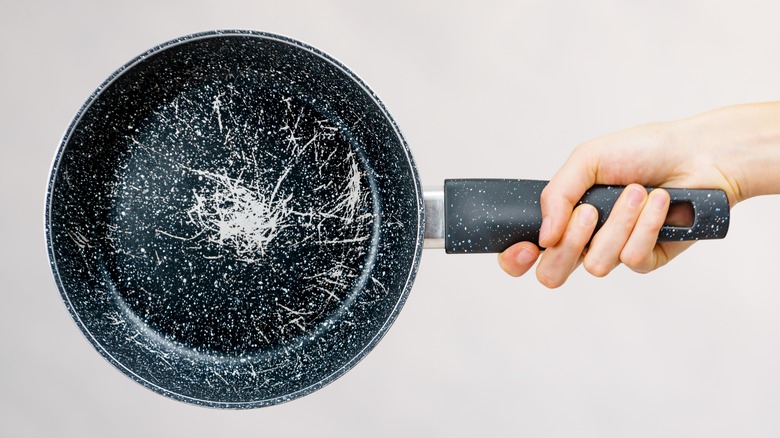
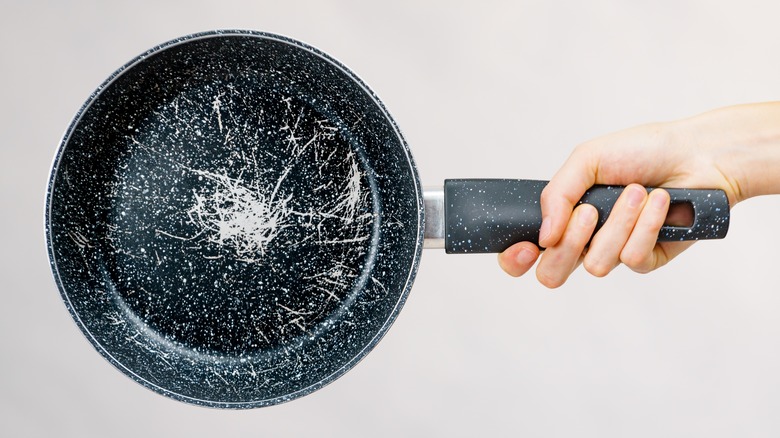
Metal tools are harder than the coating. A sharp corner or rough edge can score the surface. Those scratches break the release layer. Food starts to stick along the grooves. More sticking means more scrubbing, which causes more damage. It’s a fast slide downhill.
A quick safety note: small flakes of PTFE or ceramic that come off are considered inert. They tend to pass through the body. The worry is not the flake. It’s the faster wear and the higher heat people use to fight sticking. Overheating any empty nonstick pan is risky for the coating.
PAA-style quick answers:
- Does heat alone ruin nonstick? Very high heat can. Keep it below medium-high on most stoves. Preheat for short bursts only.
- Do cooking sprays harm the surface? Many leave gummy build-up. Use a small amount of oil instead.
So, can you use metal utensils on nonstick pans?
Many cooks ask: can you use metal utensils on nonstick pans? The short answer to can you use metal utensils on nonstick pans is mostly no. For most pans, metal tools will mark the surface fast.
I once ran a weekend test with a thin metal fish spatula on a new PTFE pan. I flipped eggs and pressed smash burgers. By Sunday, I saw hairline scratches near the rim. The pan still worked, but release was worse. That tiny damage grew each week.
If you wonder can you use metal utensils on nonstick pans and still protect your gear, think about risk. A silicone or wood spatula gives you 95% of the control with almost zero wear. That trade is worth it.
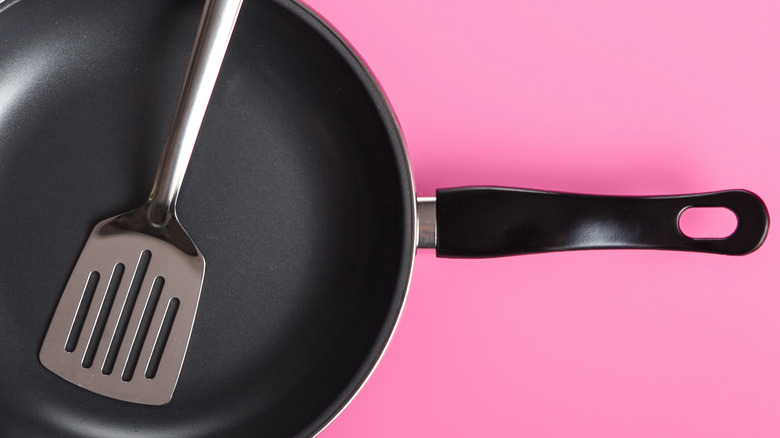
When it might be okay: pans labeled metal-utensil safe
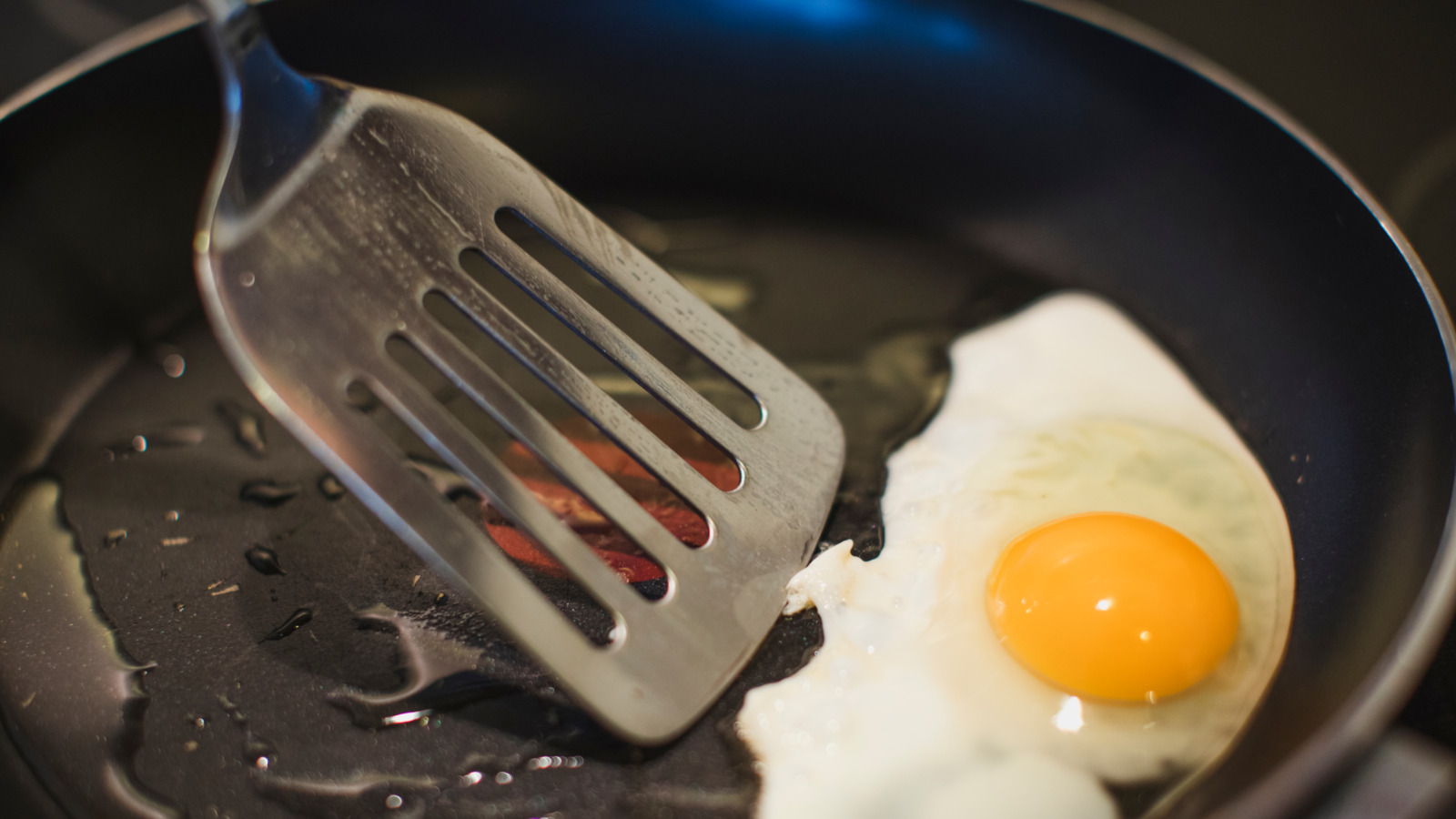
Some brands market reinforced PTFE or ceramic with claims like “metal-utensil safe.” These have tougher topcoats, often infused with diamonds, titanium, or ceramic particles. They resist light abrasion better.
Read the fine print. Many warranties still exclude misuse. The label often means “resistant,” not “invincible.” Even on those pans, I keep metal use rare and gentle.
What to look for if you choose one:
- Clear label that says metal-utensil safe
- Multi-layer coating with a hard top layer
- Guidance on max heat and utensil type in the manual
- Real-world reviews that report long-term use
Smart habits even here:
- Use rounded edges, not serrated or sharp corners
- Lift and slide; don’t scrape or saw
- Avoid crushing food with a metal spoon
When labels claim you can use metal utensils on nonstick pans, treat it as permission for careful, occasional use, not daily scraping.
Best utensils to use instead of metal
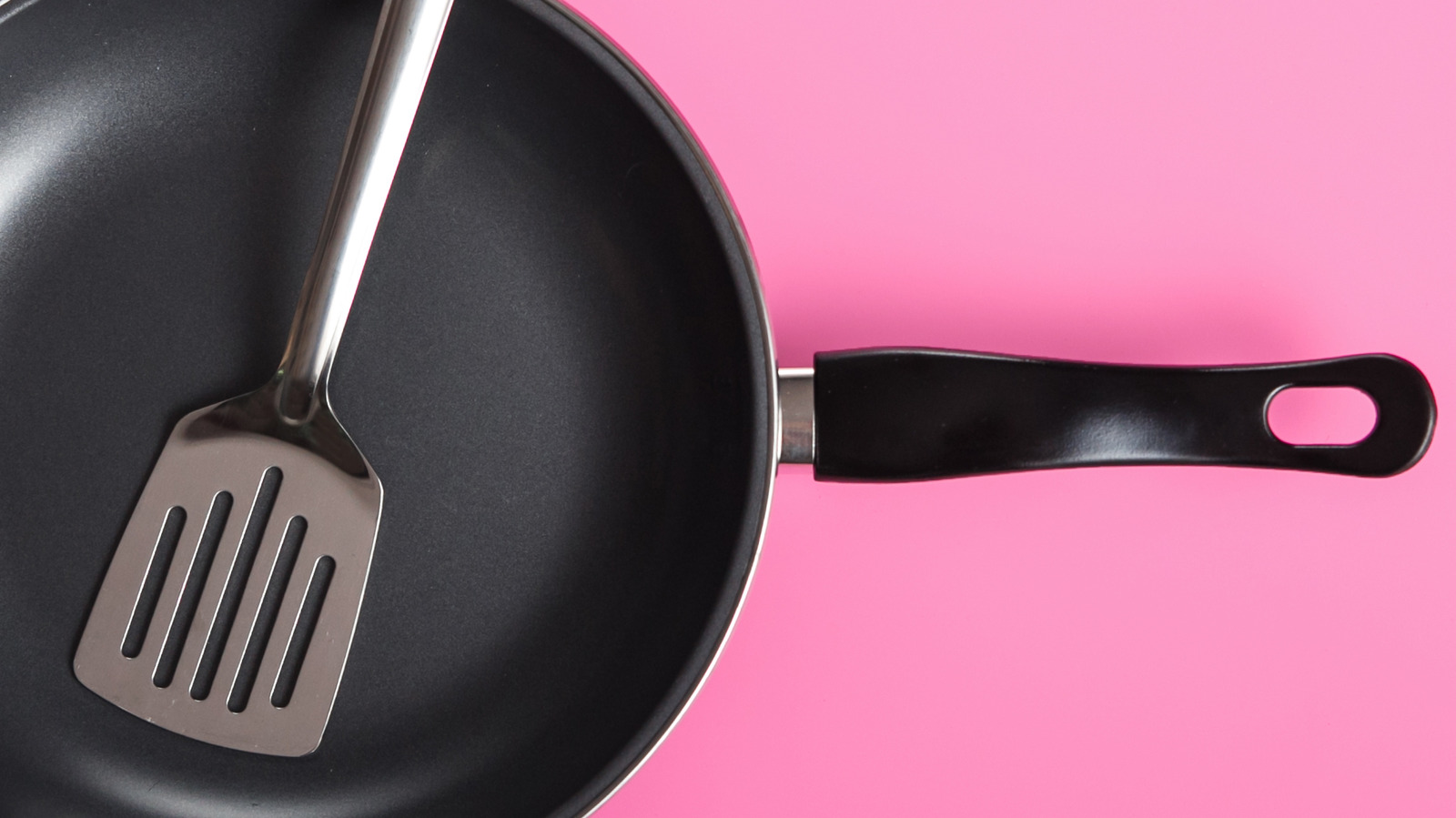
If you want that pan to last, switch your tools. This keeps you from asking can you use metal utensils on nonstick pans every time you cook.
Good picks:
- Silicone spatulas and turners Soft edges, heat-safe up to 500°F for many brands.
- Wood spoons and paddles Gentle, sturdy, and great for stirring thick sauces.
- Nylon tools Budget-friendly, but check heat limits to avoid melting.
Tips:
- Inspect edges often. A nicked silicone spatula can still scratch.
- If you need thin, try a flexible nylon fish turner. It slides well under eggs.
Care and maintenance that extend nonstick life
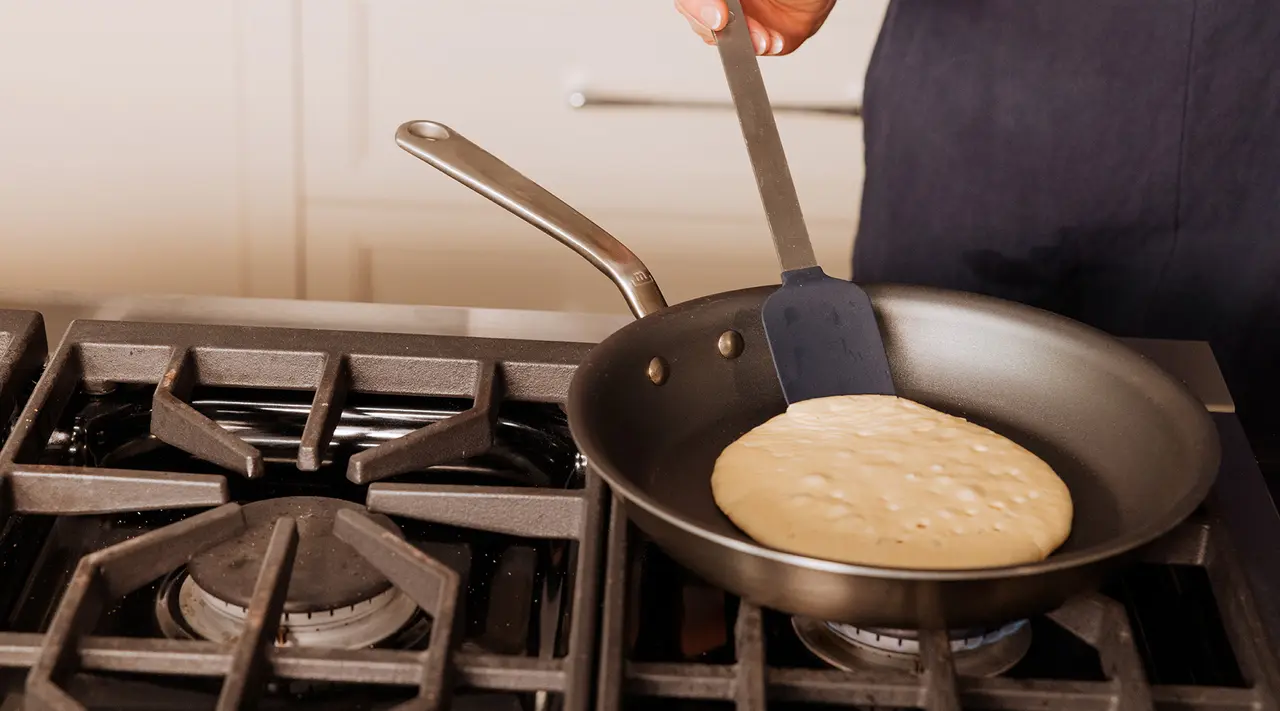
Good care matters as much as the tools. Before washing, remember the same rule that answers can you use metal utensils on nonstick pans: be gentle.
Use these steps:
- Heat control Use low to medium heat for most tasks. Nonstick shines at modest temps.
- Fat choice A little oil or butter helps release and protects the surface. Avoid long-term use of aerosol sprays.
- Preheat smart Warm the pan for 1 minute max. Add oil, then food.
- Cleaning Let the pan cool. Hand-wash with a soft sponge. Skip scouring pads.
- Storage Keep pans from rubbing. Use a pan protector or a paper towel.
If food starts sticking:
- Boil a mix of water and a spoon of baking soda for 2 minutes
- Let cool, wash, and dry
- Rub a tiny bit of oil to re-season the surface feel
Health and safety: facts vs myths
There’s a lot of noise online. Here’s the clear part.
- PTFE is stable in normal cooking. It can degrade at very high heat. Keep the pan below smoking temps. Never preheat empty on high.
- PFOA is no longer used to make modern PTFE coatings. That phase-out happened years ago.
- Ceramic nonstick is PTFE-free. It can still wear from abrasion and high heat.
- Birds are sensitive to fumes from overheated cookware. Keep heat modest and ensure good ventilation.
A question I hear is can you use metal utensils on nonstick pans without health risk? The main risk is not toxins from the metal. It’s the faster wear that leads to sticking and overheating, which can stress the coating.
Troubleshooting: already used metal on your pan?
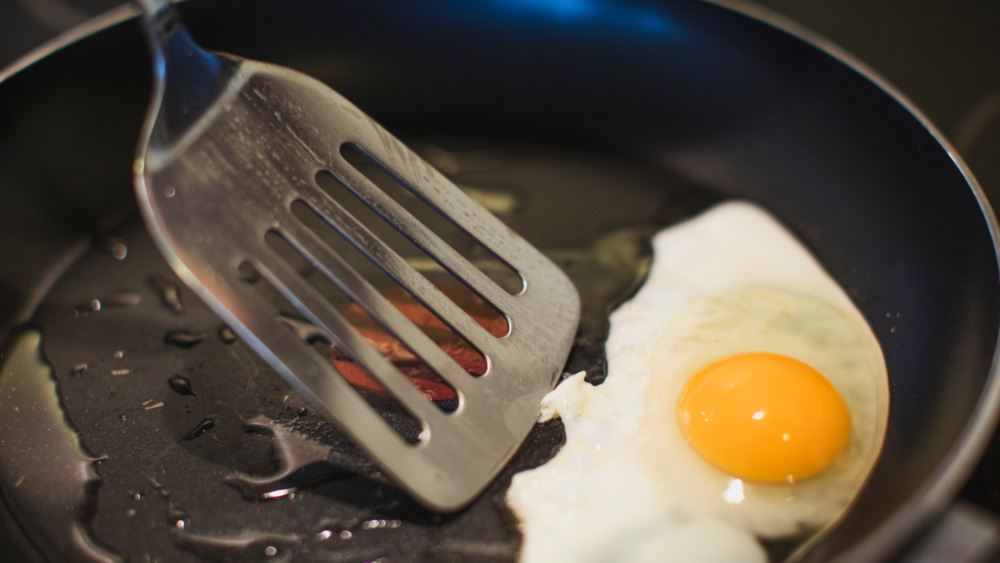
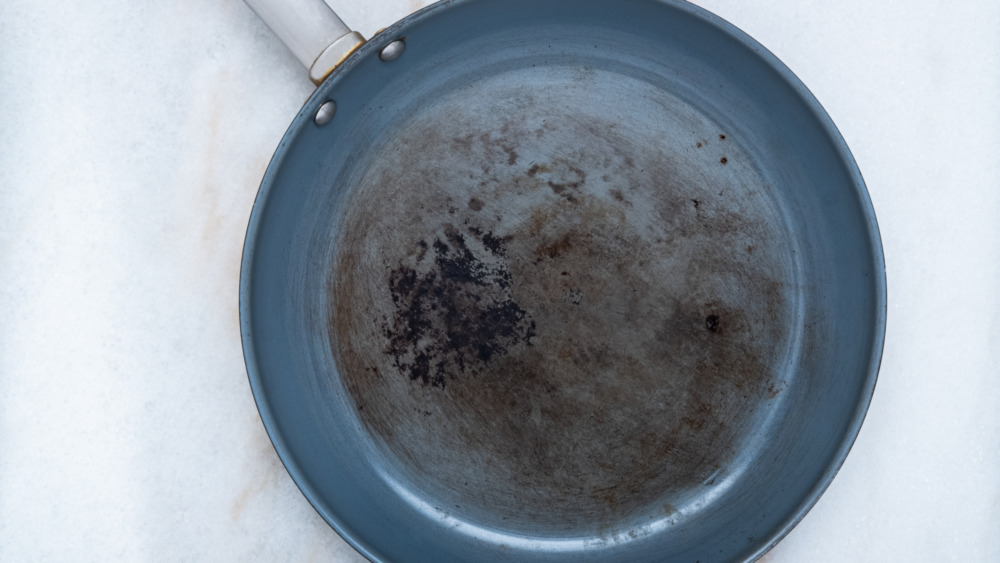
If you already did and now ask can you use metal utensils on nonstick pans after minor scuffs, take a breath. Check the surface in bright light. Light swirls are cosmetic. Deep grooves that catch a fingernail are real damage.
Try this:
- Water bead test Rinse and watch how water sheets. Smooth sheet = good; breaks around scratches = wear.
- Egg test Cook one egg with a tiny bit of oil on medium-low. If it sticks at the scratch lines, the coating is compromised.
What next:
- Keep the pan for low-stress tasks like pancakes or quesadillas
- Retire it for high-protein sears that need perfect release
- Replace when food sticks even with oil and low heat
Expert tips from the test kitchen
These small changes made the biggest difference in my long-term tests.
- Use the right pan for the job Sear steaks in stainless or cast iron. Save nonstick for eggs, fish, and crepes.
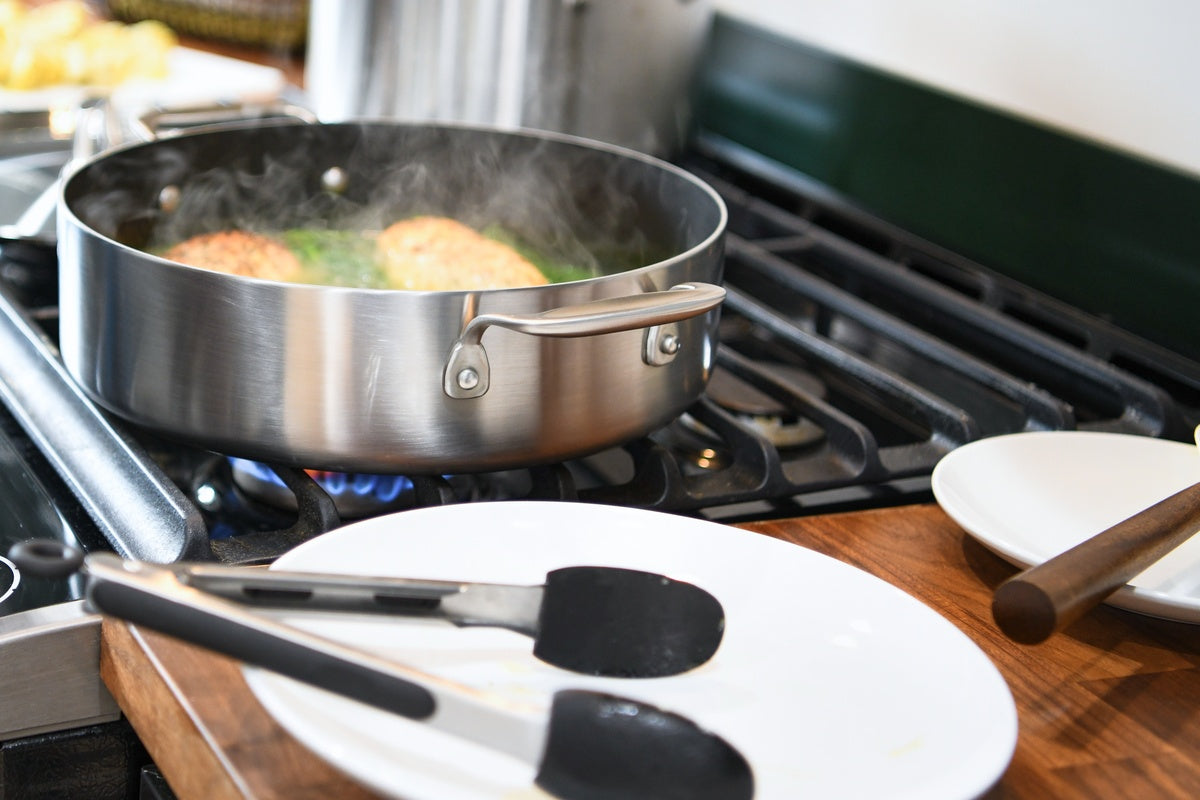
- Don’t bang metal tongs on the rim It dents and chips the coating edge.
- Slide, don’t scrape If a fond ring forms, add a splash of water to lift it.
- Rotate two nonstick pans Using one for everything wears it out faster.
Two more PAA-style quick answers:
- Can I use a metal whisk in a nonstick pot for sauces? Use a silicone-coated whisk. A bare metal whisk wears lines fast.
- Is dishwasher safe okay? Many nonsticks say yes, but detergents and banging reduce life. Hand-wash to be safe.
The buying guide: choosing a durable nonstick
If you shop with a plan, you spend less and get better performance.
What to consider:
- Coating type PTFE often has the best release. Ceramic tends to be slick at first but can lose release sooner.
- Reinforcement Harder topcoats handle light abrasion better.
- Base material Hard-anodized aluminum heats evenly and supports the coating.
- Oven safety Check the handle and lid limits. Many are 350–500°F.
- Warranty Look for clear language. Misuse and high heat are common exclusions.
If you still wonder, can you use metal utensils on nonstick pans with high-end models, the truth holds. You can with some, but sparingly, and only with smooth edges.
Common scenarios and what to do
Real kitchens are messy. Here’s how I handle tricky tasks without metal.
- Smash burgers Use cast iron for the smash. Finish in nonstick if needed.
- Crispy fish skin Use a flexible nylon fish turner on nonstick. For hard sears, switch to stainless.
- Stir-fry Use stainless or carbon steel for high-heat wok cooking. Nonstick dislikes intense heat.
- Caramel and candy Use stainless. Sugar can etch and needs high temps.
If a recipe makes you think, can you use metal utensils on nonstick pans for precision, try a thin silicone fish spatula. It’s nimble and gentle.
Quick decision tree
Use this simple guide the next time you reach for a tool.
- Is the pan labeled metal-utensil safe?
- Yes Use smooth-edged metal only, and rarely.
- No Use silicone, wood, or nylon.
- Are you cooking above medium heat?
- Yes Switch to stainless or cast iron.
- No Continue with nonstick and gentle tools.
- Do you need a razor-thin edge to slide under food?
- Yes Try a flexible nylon turner or thin silicone.
- No Use any soft-edged tool.
That way, you never need to ask can you use metal utensils on nonstick pans in the middle of a busy dinner rush.
Frequently Asked Questions of can you use metal utensils on nonstick pans
Is it ever safe to use metal on nonstick?
If the pan is clearly labeled metal-utensil safe, light use with smooth-edged tools can be okay. Still, keep it rare to extend life.
Will one scrape ruin my nonstick pan?
One light scrape won’t kill it, but it starts the wear cycle. Release will slowly drop where scratches form.
Do ceramic nonstick pans handle metal better?
Some do a little, but abrasion still harms the surface. Treat ceramic the same way: avoid metal for daily use.
Can I use a metal fish spatula for delicate fish?
Use a flexible nylon or silicone fish turner instead. You’ll get the control you need without scratches.
How long should a good nonstick pan last?
With gentle tools and low to medium heat, expect 2–5 years. Daily metal use can cut that to months.
Conclusion
Metal on nonstick is tempting, but it’s a short-term win with long-term costs. Choose silicone, wood, or nylon tools, keep heat modest, and your pan will glide for years. If you ever decide to try metal on a “metal-utensil safe” pan, keep it smooth, light, and rare.
Ready to cook smarter? Put these tips to work this week. If this helped, share it with a friend, subscribe for more kitchen-tested guides, or drop your questions in the comments.

Hi, I’m Mary, the founder of KitchenClue.com. I’m deeply passionate about everything that makes a kitchen smarter, easier, and more enjoyable. I share hands-on insights and practical expertise on kitchen gear that truly helps in daily cooking. Along with my dedicated research team, we study products carefully, and our writers create honest, well-tested reviews using trusted, authentic sources—so you can choose kitchen tools with total confidence.