Le Creuset Honeycomb Dutch Oven: Best Buying Guide
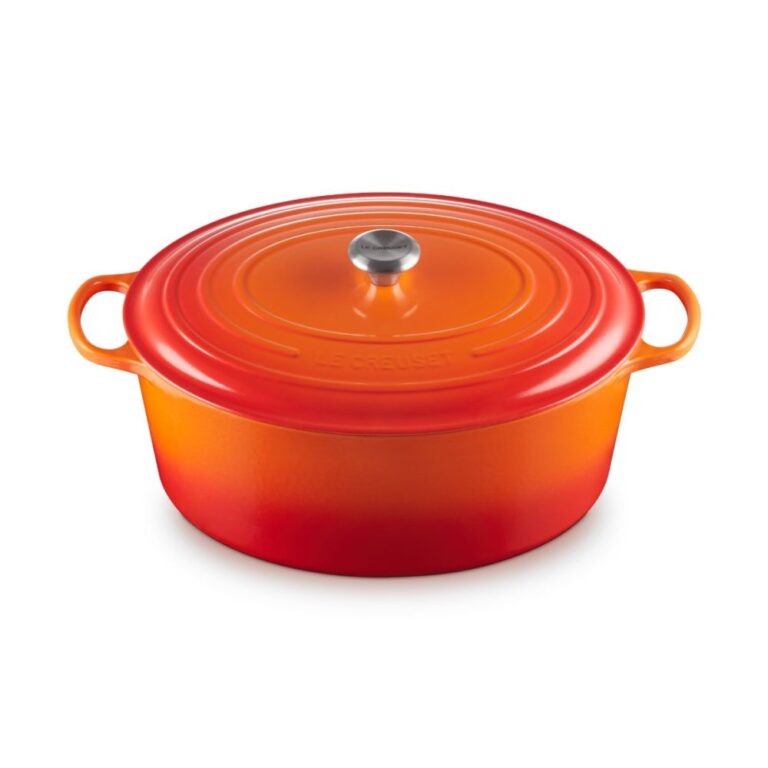
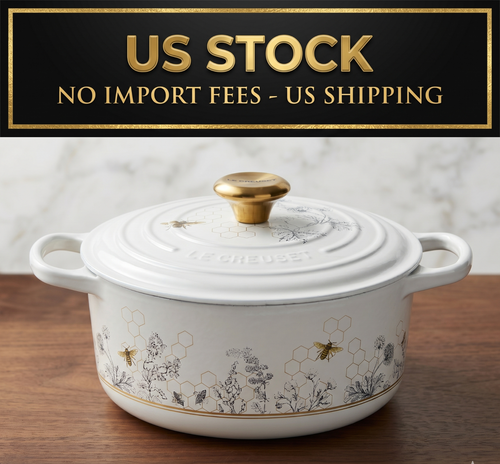
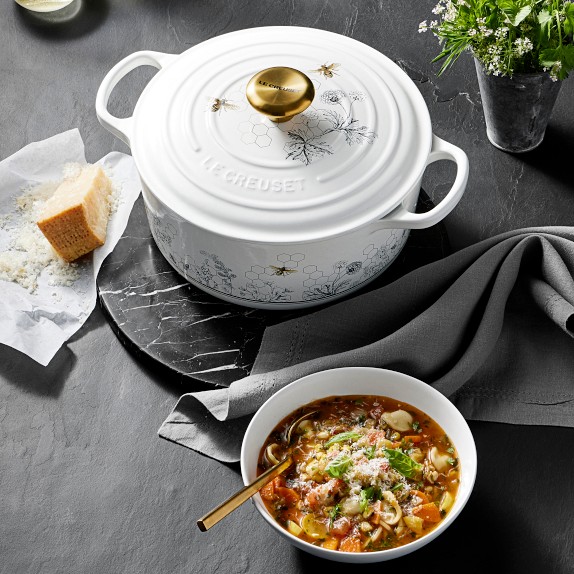
A Le Creuset honeycomb Dutch oven is generally a Le Creuset enameled cast-iron pot with a honeycomb-style exterior design or limited-edition finish. In the United States, the name may describe a pattern, color collection, retailer-exclusive model, or decorative edition rather than one universal product size.
The honeycomb design does not change the basic cooking method. You still get the main benefits of a Le Creuset Dutch oven: strong heat retention, a tight-fitting lid, an enamel cooking surface, and use on most stovetops and in the oven. Before buying, confirm the exact model, capacity, lid knob, cooking surface, warranty, and seller.

What Is a Le Creuset Honeycomb Dutch Oven?
A Le Creuset honeycomb Dutch oven is a cast-iron Dutch oven with a honeycomb-inspired finish or texture. The cooking body remains the key feature. The decorative pattern mainly affects appearance, cleaning needs, and resale interest.
Le Creuset makes Dutch ovens in several shapes and sizes. Common forms include:
- Round Dutch ovens for soups, stews, sauces, and bread
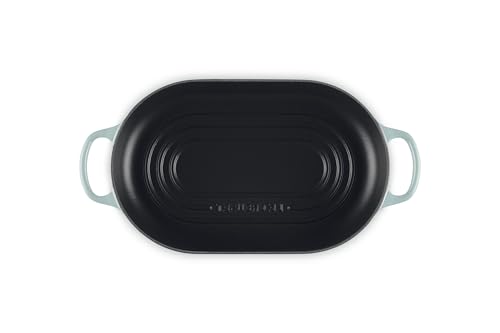
- Oval Dutch ovens for roasts, poultry, and long cuts of meat
- Shallow wide ovens for braising, searing, and one-pot meals
- Smaller ovens for side dishes, sauces, and cooking for one or two people
The word honeycomb can create confusion. It may refer to:
- An embossed or textured design on the outside
- A limited-edition color or collection
- A retailer-specific product name
- A decorative lid or exterior finish
- A used or discontinued model listed by a reseller
It does not automatically mean that the pot has a special nonstick interior or a different type of cast iron.
The basic construction
Most Le Creuset enameled Dutch ovens have:
- A cast-iron body
- A light-colored or dark enamel interior
- An enamel exterior
- A fitted lid
- A lid knob made from a material with its own heat limit
Cast iron holds heat well. Enamel creates a smooth cooking surface and helps protect the iron from rust. The enamel also allows you to cook acidic foods, such as tomato sauce, without seasoning the pot like bare cast iron.
The honeycomb exterior may collect more dust or grease than a smooth finish. That does not make the pot unsafe, but it can make cleaning less quick.
How the Honeycomb Dutch Oven Performs in the Kitchen
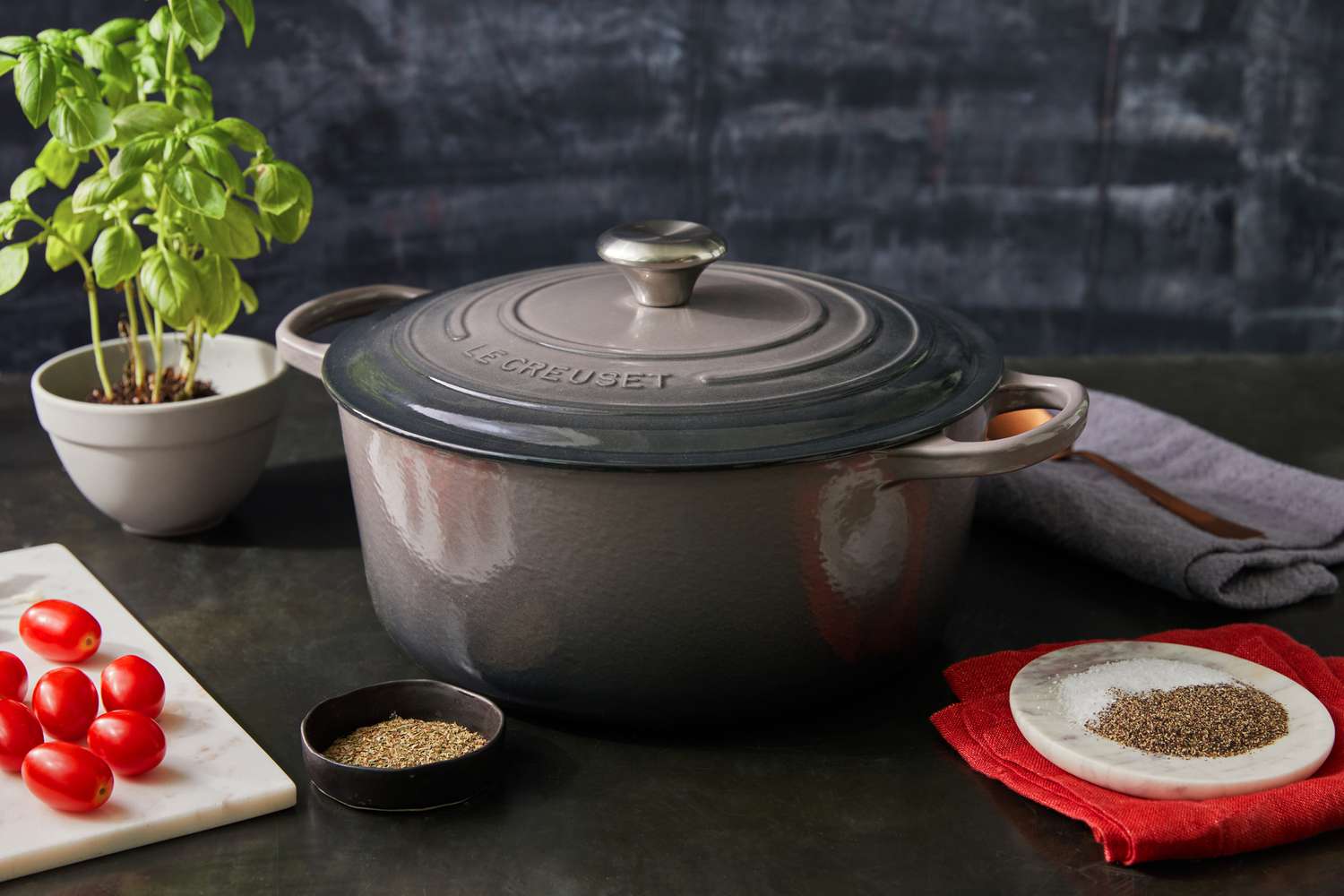
A honeycomb-patterned Le Creuset Dutch oven performs much like another Le Creuset enameled cast-iron Dutch oven of the same shape and size. The main cooking difference comes from the pot’s weight, diameter, depth, lid fit, and heat source—not from the decorative pattern.
Heat retention
Cast iron heats slowly but stores heat well. This makes a Dutch oven useful for:
- Browning meat
- Simmering chili
- Braising tough cuts
- Baking bread
- Cooking beans
- Holding heat at the table
The pot may stay hot after you lower the burner. Reduce heat early to prevent scorching, especially when cooking thick sauces or foods with sugar.
Moisture control
The heavy lid helps reduce moisture loss. This matters during braising and slow cooking. Steam rises, hits the lid, and condenses back into the pot.
A tight lid does not make every dish moist. The result still depends on:
- How much liquid you add
- The cut of meat
- The cooking time
- The oven temperature
– Whether you lift the lid during cooking
Searing
You can sear meat in an enameled Dutch oven, but the surface needs time to preheat. Use medium or medium-low heat first. Add a small amount of oil once the pan is warm.
Avoid heating the empty pot on high. Sudden, intense heat can damage enamel and can cause food to burn when the ingredients are added.
Baking
A Dutch oven can trap steam around bread dough. This may help the loaf develop a crisp crust. Check the exact lid knob and pot instructions before using high oven temperatures.
Some Le Creuset knobs have lower heat limits than the cast-iron pot itself. The weakest heat-rated part controls the safe oven temperature.
Choosing the Right Le Creuset Honeycomb Dutch Oven Size
The best size depends on the number of servings, the food you cook, and the storage space in your kitchen. Capacity alone does not tell the whole story. A wide pot is better for browning, while a deep pot holds more liquid in a smaller footprint.
| Approximate capacity | Useful for | Main trade-off |
|---|---|---|
| 1 to 2 quarts | Sauces, dips, small sides | Too small for most family meals |
| 3 to 4 quarts | Two-person meals and small braises | Limited space for large roasts |
| 5 to 6 quarts | Soups, stews, bread, and family meals | Heavy when full |
| 7 to 8 quarts | Large batches and entertaining | Needs more storage and burner space |
| 9 quarts or more | Large roasts and batch cooking | Very heavy and slower to heat |
For many U.S. households, a 5- to 6-quart round Dutch oven is the most flexible starting point. That is a practical guideline, not a rule. A 4-quart oven may be easier to lift and clean. A 7-quart model may suit a family that cooks large batches.
Round or oval?
Choose a round model when you often cook:
- Soups
- Chili
- Rice dishes
- Pasta sauces
- Small roasts
- Bread
Choose an oval model when you often cook:
- Whole chickens
- Brisket
- Pork shoulder
- Long vegetables
- Large fish or poultry pieces
Measure your cooktop before buying. The base should sit securely over the burner. An oversized pot can heat unevenly on a small burner.

How to Use a Le Creuset Honeycomb Dutch Oven
Use the pot gradually and match the heat to the food. Enameled cast iron rewards patience. High heat is rarely needed.
First-use steps
Before the first use:
- Remove all packaging and labels.
- Wash the pot with warm water and mild dish soap.
- Rinse away all soap.
- Dry the body, lid, and knob.
- Check the enamel for chips, cracks, or shipping damage.
- Read the instructions for the exact model.
You do not need to season the enamel interior. Bare cast iron and enameled cast iron require different care.
Cooking steps
For most stovetop recipes:
- Place the pot on a suitable burner.
- Add oil if the recipe calls for it.
- Warm the pot over low or medium heat.
- Add food once the oil is ready.
- Lower the heat after browning.
- Stir thick foods from the bottom.
- Use oven mitts when handling the pot or lid.
- Place the hot pot on a heat-safe surface.
The handles and lid knob can become very hot. A Dutch oven may look cool while the cast iron remains hot.
Stovetop compatibility
Le Creuset enameled cast iron is generally suitable for gas, electric, ceramic, and induction cooktops. Check the model instructions before use, especially if the product is vintage, damaged, or sold by a third party.
On glass and ceramic cooktops, lift the pot instead of sliding it. Sliding heavy cast iron may scratch the surface.
Oven use
The pot body is designed for oven cooking, but the lid knob may have a different limit. Check:
- The exact knob material
- The model instructions
- Any included care guide
- The highest temperature listed by Le Creuset for that configuration
Do not assume that a decorative knob has the same heat rating as a standard stainless-steel knob.

How to Clean and Care for the Honeycomb Finish
Clean the Dutch oven after it cools. Do not place a hot pot in cold water. The sudden temperature change may stress the enamel.
Everyday cleaning
For normal food residue:
- Let the pot cool.
- Wash it with warm water and mild dish soap.
- Use a soft sponge or nylon brush.
- Clean around the honeycomb texture with a soft brush.
- Rinse well.
- Dry fully before storage.
A textured exterior can hold oil in its grooves. A soft toothbrush or small nylon cleaning brush can help reach those areas.
Removing stuck food
If food sticks:
- Cover the residue with warm water.
- Add a small amount of mild dish soap.
- Let the pot soak.
- Warm the water gently if needed.
- Loosen the food with a wooden, silicone, or nylon tool.
- Rinse and dry.
Do not use a knife or sharp metal scraper. It can scratch the enamel or damage the decorative surface.
For stubborn stains, use a cleaner that Le Creuset approves for enameled cookware. Test any unfamiliar product on a small area first. Avoid harsh scouring powders unless the manufacturer specifically allows them.
Dishwasher use
Some enameled cast-iron cookware is dishwasher safe, but frequent dishwasher cycles may dull exterior enamel and affect certain hardware over time. Hand washing is usually the better choice for preserving the finish.
Always follow the care instructions for the exact honeycomb model. A limited edition may include parts or coatings that differ from a standard model.
Storage
Store the pot:
- Completely dry
- With the lid slightly ajar when possible
- Away from hard objects that can chip the enamel
- Without stacking heavy cookware directly on the lid
If you stack cookware inside the pot, use a towel or protective layer. This helps reduce scratches and impact damage.

Common Problems and How to Solve Them
Most problems come from heat, impact, food buildup, or incorrect product identification.
| Symptom | Likely cause | Safer response |
|---|---|---|
| Food burns on the bottom | Heat is too high or the food is too thick | Lower the heat and stir more often |
| Exterior looks dull | Dishwasher use, grease, or mineral film | Hand wash and use an approved cleaner |
| White marks appear | Minerals or starch residue | Soak, wash, and dry well |
| Food sticks | Pot was too hot, too cold, or overcrowded | Preheat gently and avoid crowding |
| Enamel is chipped | Impact or thermal shock | Stop using the damaged area for food contact and contact Le Creuset |
| Lid knob becomes damaged | Heat exceeded the knob rating | Replace it with a compatible part |
| Pot feels uneven on the cooktop | Debris or cooktop damage | Clean both surfaces and do not slide the pot |
Chipped enamel
Do not ignore a deep chip. A small surface mark may be cosmetic, but a chip that exposes iron can grow with use. Contact Le Creuset or an authorized service channel with:
- Photos
- Proof of purchase
- The product size
- The model or item number
- A description of what happened
Do not try to repair a food-contact surface with household glue or paint.
Rust
Rust is not expected on intact enamel. It may appear if the rim or another exposed iron area stays wet. Dry the pot after washing and avoid long storage with water inside.
Light surface rust on an exposed rim may need careful cleaning, but deep damage requires product support. The repair decision depends on the location and size of the damaged area.

Is a Le Creuset Honeycomb Dutch Oven Worth It?
It can be worth the cost if you want a long-lasting enameled cast-iron pot and value the honeycomb appearance. The pattern alone does not justify a large price premium.
Consider the honeycomb version when:
- You like the design enough to keep it for years
- The capacity suits your cooking
- The enamel is intact
- The seller is authorized or trustworthy
- The warranty terms are clear
- You understand the pot’s weight
Consider a standard Le Creuset Dutch oven or another brand when:
- You only want cooking performance
- The decorative finish costs much more
- You need a lighter pot
- You rarely cook braises, stews, or large one-pot meals
- You need a particular size that the honeycomb model does not offer
The practical value comes from the pot’s construction, size, lid fit, and condition. The honeycomb finish is a style choice.
New versus used
A used honeycomb Dutch oven can be a good buy, but inspect it closely. Look for:
- Chips inside the cooking surface
- Cracks near the handles
- Damage around the rim
- A loose or missing lid knob
- Warping or rocking
- Heavy staining that does not clean away
- A missing model or size mark
- Signs of counterfeit branding
Avoid a used pot if the cooking enamel has major chips or cracks. Cosmetic marks are different from damage that affects the food-contact surface.

Le Creuset Honeycomb Dutch Oven Alternatives
The right alternative depends on what you value most.
Standard Le Creuset Dutch oven
A standard model offers similar enameled cast-iron cooking without the honeycomb exterior. It may be easier to identify, compare, and replace.
Le Creuset braiser
A braiser has a wider base and lower sides. It suits shallow cooking, browning, chicken pieces, vegetables, and pan sauces. It is less useful than a deep Dutch oven for soups and tall loaves of bread.
Bare cast-iron Dutch oven
Bare cast iron can be durable and less costly. It needs seasoning and can react more with acidic foods. It may also require more care if stored in a humid kitchen.
Enameled Dutch ovens from other brands
Other manufacturers offer enameled cast-iron pots in similar sizes. Compare:
- Interior enamel quality
- Lid fit
- Handle shape
- Oven temperature limit
- Warranty
- Replacement knobs
- Weight
- Return policy
Do not compare price alone. A low price may come with fewer replacement parts or weaker support.
Stainless-steel or aluminum cookware
These materials are lighter and often heat more quickly. They do not retain heat like cast iron. Choose them when lifting weight, fast temperature changes, or easy handling matters more than heat storage.

Buying Checklist for a Honeycomb Dutch Oven
Before you place an order in the United States, check the following:
- Exact product name: Confirm that “honeycomb” describes the model and not only a seller’s title.
- Capacity: Match the size to your usual recipes.
- Shape: Choose round for general use or oval for long foods.
- Interior condition: Avoid chips and cracks.
- Lid knob: Confirm the material and oven rating.
- Cooktop compatibility: Check the manufacturer’s guidance for your stove.
- Seller: Prefer Le Creuset or an authorized retailer.
- Warranty: Confirm what is covered and whether proof of purchase is required.
- Return policy: This matters for heavy cookware and shipping damage.
- Replacement parts: Check whether a matching knob is available.
- Shipping protection: Inspect the pot before discarding the packaging.
- Price: Compare the honeycomb edition with a similar standard model.
If the product is discontinued, do not rely only on stock photos. Ask for clear photographs of the actual pot, lid, rim, interior, handles, and base.

Frequently Asked Questions
Does the honeycomb pattern improve cooking performance?
Not in a proven, meaningful way. The cooking performance comes mainly from the cast-iron body, enamel, lid, shape, and size. The honeycomb pattern is primarily decorative.
Do you need to season a Le Creuset honeycomb Dutch oven?
No. The enamel interior does not need seasoning like bare cast iron. Wash it before first use and follow the care instructions for the exact product.
Can you use a honeycomb Dutch oven on an induction stove?
Most modern enameled cast-iron Dutch ovens work on induction cooktops. Check the product instructions and keep the pot clean on the bottom. Lift it instead of sliding it across a glass surface.
Can you put it in the dishwasher?
Some Le Creuset cookware is dishwasher safe, but hand washing usually better preserves the finish. Check the model’s instructions, especially if it has a textured exterior or special hardware.
Why is my Dutch oven sticking?
Sticking can result from excessive heat, insufficient oil, cold food, overcrowding, or moving food too soon. Preheat slowly, use moderate heat, and let browned food release before turning it.
Can a chipped Dutch oven still be used?
Do not assume that a chipped cooking surface is safe. Stop using the pot if the chip is deep, spreading, or exposing the iron. Contact Le Creuset for a model-specific assessment.
Is a honeycomb Dutch oven a good bread pot?
It can work well for bread if the pot size, lid, and oven-safe parts match the recipe. Confirm the lid knob’s temperature rating before using high heat.

Final Recommendation
A Le Creuset honeycomb Dutch oven makes sense for a buyer who wants the cooking benefits of enameled cast iron and prefers its textured, decorative finish. Treat the honeycomb design as a style feature, not a performance upgrade.
Choose the size based on your recipes, use low to medium heat, avoid thermal shock, clean the texture gently, and verify the lid knob’s oven limit. If you are comparing two models with the same size and construction, select based on condition, warranty, price, and the finish you will enjoy maintaining.

Hi, I’m Mary, the founder of KitchenClue.com. I’m deeply passionate about everything that makes a kitchen smarter, easier, and more enjoyable. I share hands-on insights and practical expertise on kitchen gear that truly helps in daily cooking. Along with my dedicated research team, we study products carefully, and our writers create honest, well-tested reviews using trusted, authentic sources—so you can choose kitchen tools with total confidence.