Le Creuset Made In Thailand: What Buyers Should Know
For shoppers in the United States, a “Made in Thailand” label on a Le Creuset product does not automatically mean the item is fake or lower quality. Le Creuset uses different factories for different product types. Its famous enameled cast iron cookware is made in France, while several other product lines, including some stoneware and enamel-on-steel items, may be made in Thailand.
The country of origin depends on the specific product, collection, size, and production period. The safest way to verify an item is to match its label, packaging, model details, and product page with information from Le Creuset USA or an authorized retailer.
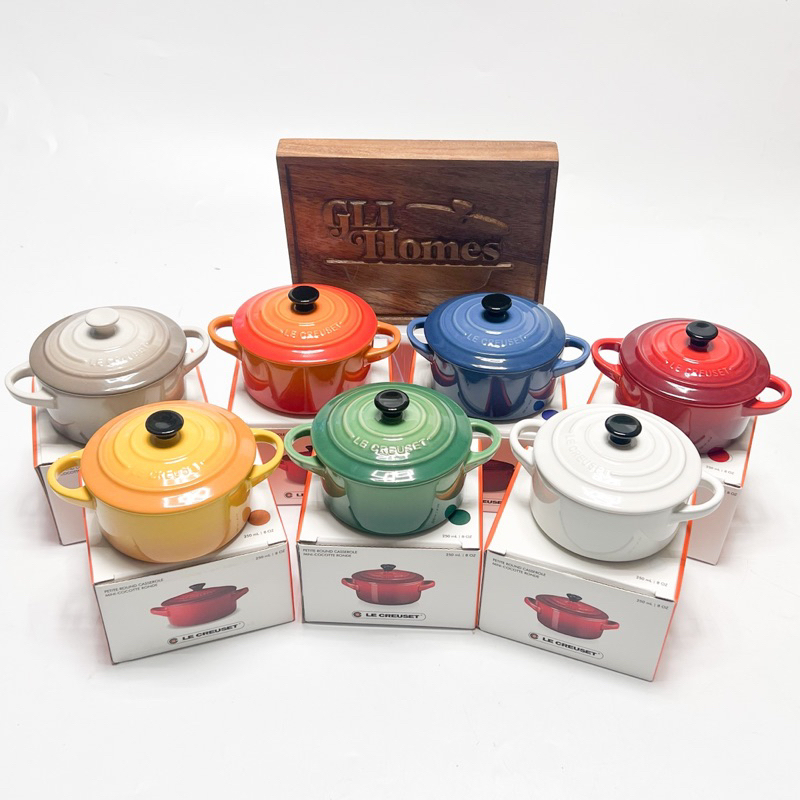
Is Le Creuset Made in Thailand Authentic?
Yes. Authentic Le Creuset products can be made in Thailand. The label alone is not proof of counterfeit merchandise.
Le Creuset is a global cookware company with manufacturing facilities in more than one country. Its country of origin varies by material and product category. In general:
| Le Creuset product type | Common country of origin |
|---|---|
| Enameled cast iron cookware | France |
| Many stoneware products | Thailand |
| Some enamel-on-steel products | Thailand |
| Toughened nonstick cookware | Italy for certain lines |
| Some stainless steel cookware | Portugal for certain lines |
These locations are general product-group guides, not a guarantee for every item. Le Creuset can change production sites, suppliers, and product specifications over time.
A Dutch oven, braiser, or skillet marked Made in Thailand deserves closer review because Le Creuset’s enameled cast iron cookware is traditionally made in France. A stoneware baking dish, mug, ramekin, utensil crock, or enamel-on-steel piece marked Thailand may be entirely consistent with legitimate production.
The product category matters most
The first question is not “Does Le Creuset make anything in Thailand?” It is:
What kind of Le Creuset product is marked Made in Thailand?
A Thai-made label is more expected on some ceramic or steel products than on a traditional cast iron French oven. Compare the item with the correct product category before judging its authenticity.
Why Does Le Creuset Manufacture Products in Thailand?
Le Creuset uses different manufacturing sites because its products use different materials and production methods. Making cast iron cookware is not the same process as producing glazed stoneware or thin enamel-coated steel.
Cast iron cookware requires:
- Molten iron casting
- Grinding and finishing
- Multiple layers of enamel
- Heat treatment and quality checks
- Final inspection and packaging
Stoneware requires a different process. The clay body must be formed, dried, glazed, fired, cooled, and inspected for defects. Enamel-on-steel cookware also needs a production method that differs from cast iron.
Using specialized factories allows Le Creuset to produce each material with the equipment and skills suited to that product. The country printed on the label identifies the production location. It does not, by itself, describe the cookware’s performance or prove that the item is counterfeit.
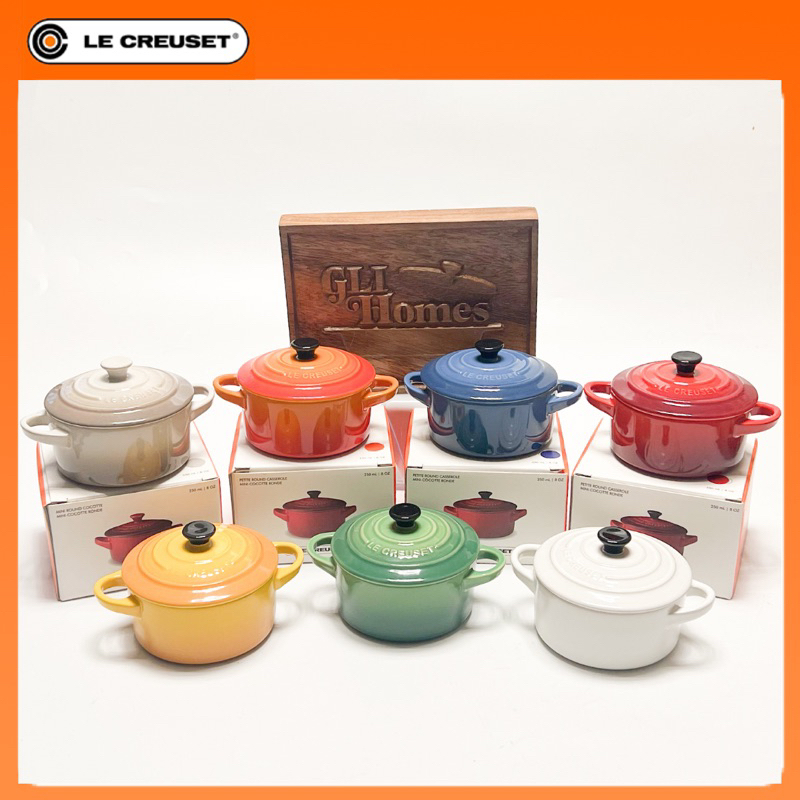
Which Le Creuset Products Are Commonly Made in Thailand?
Le Creuset’s stoneware line is commonly associated with Thailand, and some enamel-on-steel products may also carry a Thai country-of-origin mark. However, production can vary by model and time.
Stoneware
Le Creuset stoneware includes items such as:
- Mugs
- Ramekins
- Pie dishes
- Baking dishes
- Gratin dishes
- Butter dishes
- Utensil crocks
- Serving bowls
- Small covered dishes
Many of these products are marked or packaged as made in Thailand. The exact wording may appear on the base, box, sticker, or product documentation.
Stoneware should not be judged by the standards used for cast iron. A ceramic item will have different weight, sound, glaze behavior, and markings. Small variations in glaze color or texture can occur in fired ceramic products and do not automatically indicate a fake.
Enamel-on-steel cookware
Some Le Creuset enamel-on-steel pieces may also be manufactured in Thailand. These products are usually lighter than cast iron because they use a steel body with an enamel coating.
Examples may include:
- Stockpots
- Kettles
- Roasting pieces
- Large cooking vessels
- Other steel-based enamel products
Check the exact model rather than relying on a general country list. A similar-looking item may belong to a different product family and have a different origin.
Cast iron cookware
Le Creuset’s signature enameled cast iron cookware is associated with production in France. This includes many:
- Dutch ovens
- Round and oval cocottes
- Cast iron skillets
- Braisers
- Grill pans
- Sauce pans
- Cast iron specialty pieces
A cast iron product marked Thailand should not be accepted or rejected based only on that mark. Confirm the product type, model, seller, packaging, and official specifications. A seller may have placed the wrong box with the item, or the product may not be an authentic Le Creuset piece.
Does “Made in Thailand” Mean Lower Quality?
No. Country of origin alone is not a reliable measure of quality. Quality depends on the product design, material, glaze or enamel, manufacturing controls, inspection process, and condition of the individual item.
A Thai-made Le Creuset stoneware dish is not supposed to perform like a French-made cast iron Dutch oven. The products have different purposes. Comparing them by country rather than by material leads to the wrong conclusion.
Look for practical signs of a sound product:
- The glaze or enamel is even and complete.
- There are no cracks, chips, or sharp edges.
- The base sits flat.
- The lid fits the matching vessel.
- Handles feel secure.
- Printed marks and packaging look consistent.
- The item matches the official dimensions and product description.
- The seller can provide a receipt or clear purchase history.
For used cookware, condition matters more than origin. A genuine item with a deep chip, crack, warped base, or damaged interior may be unsafe or unsuitable regardless of where it was made.
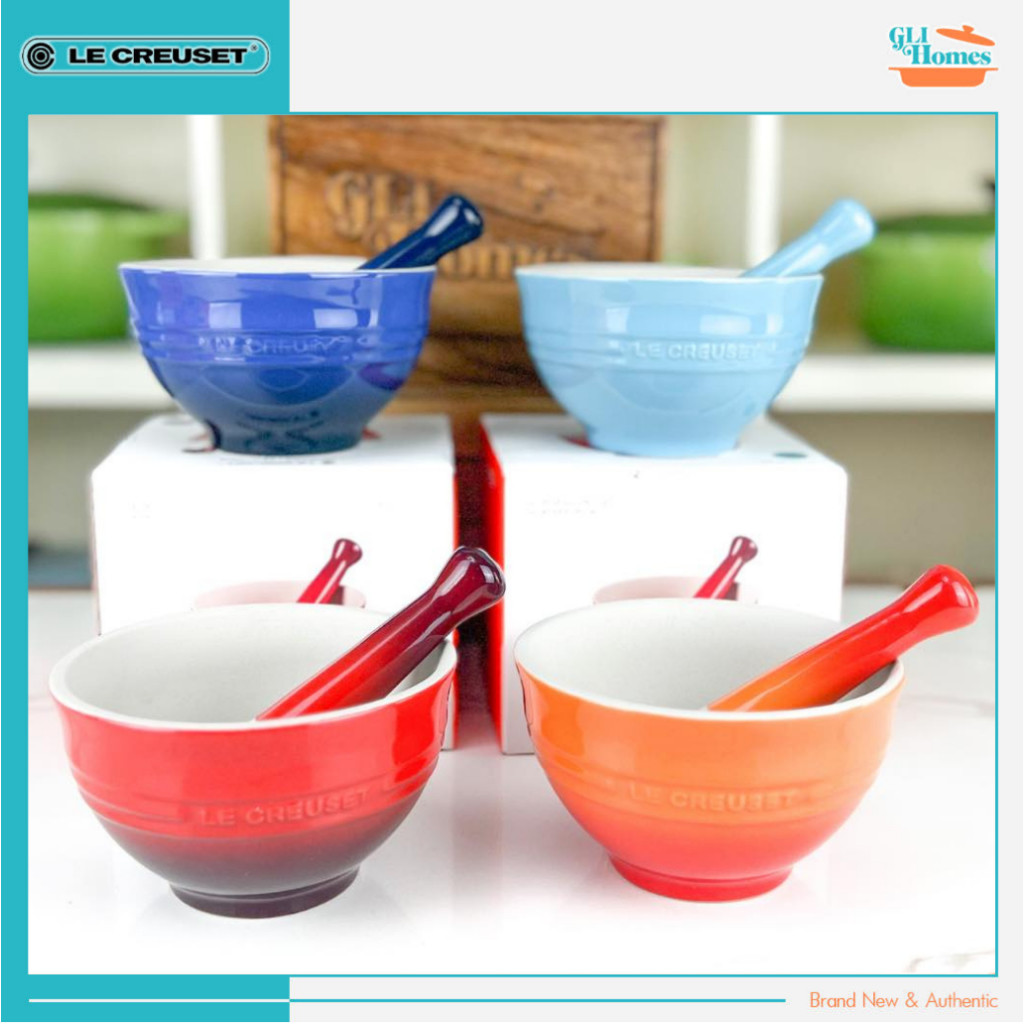
How to Check Whether a Le Creuset Product Is Genuine
No single mark can prove authenticity. Use several checks together.
1. Identify the material
Determine whether the item is:
- Cast iron
- Stoneware
- Enamel-on-steel
- Stainless steel
- Nonstick cookware
- Silicone or another accessory
This narrows the expected origin. A ceramic mug and a cast iron cocotte should not be evaluated by the same standard.
2. Compare the item with the official product page
Use the Le Creuset USA website to compare:
- Product name
- Shape
- Capacity
- Diameter
- Color name
- Handle design
- Lid design
- Interior finish
- Product dimensions
- Care instructions
- Warranty language
Be careful with old or discontinued products. Older items may not appear on the current website, and product names can differ between countries.
3. Inspect the bottom and markings
Look for:
- The Le Creuset logo
- The correct country-of-origin statement
- Model or size information
- A clear and consistent stamp
- A stable, flat base
- Manufacturing marks that fit the product type
A missing mark is not always proof of a fake. Some products use stickers, boxes, or printed packaging instead of a permanent base stamp. Likewise, a logo alone is not proof of authenticity because counterfeiters can copy logos.
4. Review the packaging
Check whether the box includes:
- A matching product name
- Correct color information
- Product dimensions
- Care instructions
- Warranty information
- Professional printing
- A barcode or stock-keeping code that matches the item
Packaging should support the product’s identity, not replace it. Counterfeit items can be placed in genuine-looking boxes, especially in resale markets.
5. Check the seller
The seller is one of the strongest clues. Lower-risk sources include:
- Le Creuset USA
- Authorized department stores
- Established kitchen retailers
- Reputable outlet stores
- Major retailers with clear return policies
Use extra care with marketplace listings, social media sellers, liquidation offers, and websites offering a new premium product at an unusually low price.
6. Ask Le Creuset or the retailer
If the product remains uncertain, contact Le Creuset customer service or an authorized retailer. Provide:
- Clear photos of the product
- Photos of the base and markings
- The box and barcode
- The seller’s name
- The purchase date
- A receipt or order record
- The product size and color
Do not send personal payment data in photographs. Ask for authentication or product-identification help before using the item if you suspect it may be counterfeit.

Common Signs That Need Further Investigation
A “Made in Thailand” label is not a red flag by itself. These combinations deserve more attention:
| Observation | What it may mean |
|---|---|
| Stoneware item marked Thailand | Often consistent with known production patterns |
| Enamel-on-steel item marked Thailand | May be consistent, but verify the exact model |
| Cast iron item marked Thailand | Confirm carefully with Le Creuset or the seller |
| Product has no country mark | May be a label or packaging issue; check the model |
| Very low price from an unknown seller | Higher counterfeit or damaged-goods risk |
| Misspelled logo or poor printing | Strong reason to pause the purchase |
| Cracks, chips, or unstable base | Condition problem, whether genuine or not |
| Product shape does not match official images | Possible wrong model or counterfeit |
| Seller refuses photos or returns | Significant buying risk |
A product can be genuine and still be damaged, used, refurbished, or incorrectly described. Authenticity and condition are separate questions.
What About Le Creuset Outlet and Discounted Products?
Outlet products can be genuine, but shoppers should still check the product details. Outlet stores may carry:
- Discontinued colors
- Older packaging
- Special outlet models
- Cosmetic seconds
- Factory-overrun merchandise
- Products with minor visual differences
The word “outlet” does not automatically mean defective or counterfeit. However, ask what warranty applies and whether the item has a visible cosmetic flaw.
When buying online, compare the discount with normal market pricing. A modest sale from a known retailer is different from a supposedly new Dutch oven sold at a fraction of its usual price by an unknown seller.
Is Le Creuset Made in Thailand Dishwasher Safe?
Dishwasher safety depends on the product’s material and care instructions, not only on its country of origin.
Many Le Creuset stoneware products are designed for dishwasher use, but repeated dishwasher cycles may affect the appearance of some finishes over time. Cast iron cookware often has different care instructions, especially when it includes an exposed or black satin interior.
Before washing the item:
- Find the exact model.
- Read the care instructions on the official product page or included guide.
- Remove food residue with the recommended method.
- Avoid sudden temperature changes with hot stoneware.
- Do not use a cracked or chipped stoneware item for cooking.
If the care instructions are missing, identify the product before applying a general rule. A mug, casserole dish, cast iron pot, and enamel-on-steel kettle may not share the same care requirements.
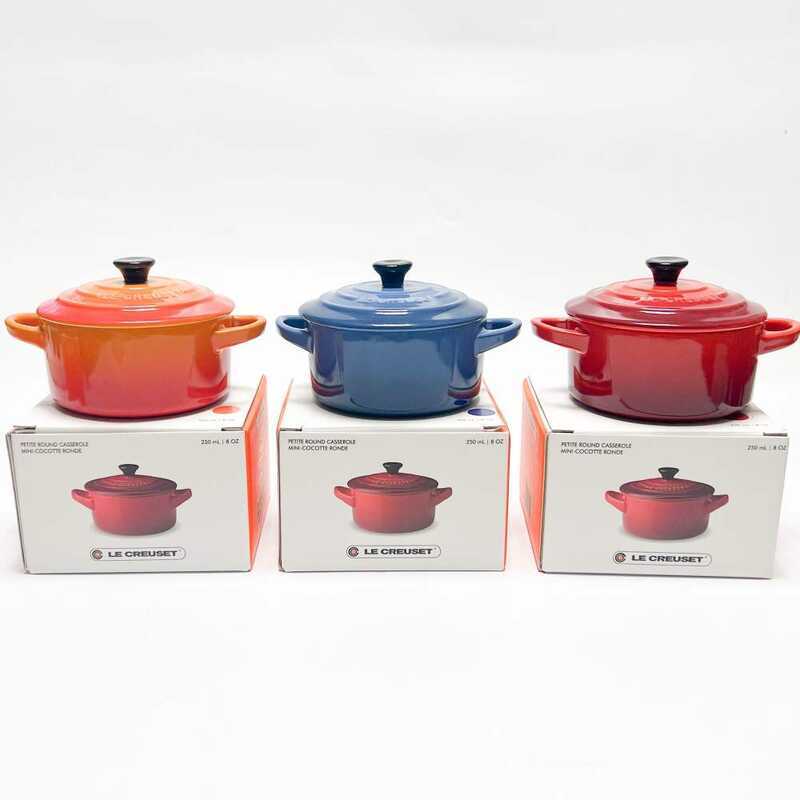
Can You Use a Thai-Made Le Creuset Product on a U.S. Stove?
Usually, the answer depends on the product type. Stoneware is generally used in the oven or microwave only when the specific product instructions allow it. It is not automatically suitable for direct stovetop heat.
Cast iron and many enamel-on-steel products may be designed for stovetop use, but check the model instructions first. The main risks include:
- Thermal shock
- Cracking
- Warping
- Damage from direct heat
- Use on an unsuitable cooktop
- Contact with an incompatible heating element
For U.S. kitchens, also check whether the product is intended for the type of cooking surface you use, such as gas, electric, glass, or induction. Never assume that every Le Creuset item can move from freezer to oven, oven to stovetop, or stovetop to table.
How Much Does the Country of Origin Matter When Buying Le Creuset?
The country of origin matters most when it helps you verify the product category and seller. It should not be the only basis for a purchase decision.
Use this decision guide:
| Your priority | What to check first |
|---|---|
| Authenticity | Seller, model, markings, packaging, and official comparison |
| Cooking performance | Material, size, shape, lid fit, and heat use |
| Durability | Condition, enamel or glaze, base, handles, and warranty |
| Safety | Cracks, chips, care instructions, and intended heat source |
| Value | Price, condition, return policy, and included accessories |
| Warranty support | Proof of purchase and seller status |
If you want a French-made Le Creuset product, focus on the specific cast iron product and verify its origin. If you want a stoneware baking dish, a Thai-made product may be an expected choice. The right answer depends on the item you are buying.
What to Do If You Already Bought a Product Marked Made in Thailand
Do not discard or return the item solely because it says Thailand. First, collect evidence.
- Save the receipt, order page, and seller information.
- Photograph the item, base, lid, box, labels, and barcode.
- Identify the material and product name.
- Compare the item with Le Creuset USA’s current or archived product information.
- Check the retailer’s return period.
- Contact the retailer or Le Creuset if the details do not match.
- Stop using the product if it has a crack, sharp chip, unstable base, or other safety defect.
If the product came from a marketplace, keep all communication on the platform. This preserves a record if you need a refund or dispute.
A product that appears genuine but has a manufacturing defect should be handled through the warranty or retailer process. A product that appears counterfeit should not be resold as authentic.
Frequently Asked Questions
Is Le Creuset stoneware made in Thailand?
Many Le Creuset stoneware products are made in Thailand. Confirm the exact product because manufacturing details can vary by model and production period.
Is French-made Le Creuset better than Thai-made Le Creuset?
Not automatically. French-made cast iron and Thai-made stoneware are different product types with different uses. Compare the material, design, condition, warranty, and intended cooking method rather than country alone.
Can fake Le Creuset products say “Made in Thailand”?
Yes. A country-of-origin label can be copied. Check the seller, product shape, logo, packaging, dimensions, markings, and purchase records together.
Is a Le Creuset Dutch oven made in Thailand real?
Treat it as a product that needs verification. Traditional Le Creuset enameled cast iron cookware is associated with France, so a Thai-made cast iron Dutch oven should be checked with the seller or Le Creuset before use or resale.
Where can I verify a Le Creuset product in the United States?
Start with the official Le Creuset USA website and an authorized retailer. If the model is discontinued or the origin is unclear, contact Le Creuset customer service with detailed photographs and proof of purchase.
Conclusion
“Made in Thailand” does not automatically make a Le Creuset product fake. Le Creuset manufactures different product categories in different countries, and Thailand is associated with several legitimate stoneware and enamel-on-steel products.
The key distinction is the product type. A Thai-made stoneware dish may be expected, while a Thai-made enameled cast iron Dutch oven requires closer verification. Check the material, official specifications, markings, packaging, seller, condition, and warranty before making a decision.
For the safest purchase in the United States, buy from Le Creuset USA or an authorized retailer. If you already own the item, verify the model before judging it by the country label alone.

Hi, I’m Mary, the founder of KitchenClue.com. I’m deeply passionate about everything that makes a kitchen smarter, easier, and more enjoyable. I share hands-on insights and practical expertise on kitchen gear that truly helps in daily cooking. Along with my dedicated research team, we study products carefully, and our writers create honest, well-tested reviews using trusted, authentic sources—so you can choose kitchen tools with total confidence.