Can A Pot Go In The Oven: Oven-Safe Cookware Guide
Yes, many pots can go in the oven, but material and handles matter.
If you have ever paused at the stove and wondered can a pot go in the oven, you are not alone. I have tested dozens of pots in home and pro kitchens, and the truth depends on build, coatings, and temperature limits. Stick with me, and you will learn exactly which pots are safe, how hot they can go, and the simple checks that keep food great and gear safe.
What the phrase “can a pot go in the oven” really means
When people ask can a pot go in the oven, they want two things. They want to know if the pot will stay safe and if the food will cook well. The answer depends on the whole pot, not just the base.
Think about the body, the coating, the handles, and the lid knob. One weak part can limit the whole setup. For example, a stainless pot with a plastic handle may only be safe to 350°F, even if the steel could handle 600°F.
You also need to match the recipe to the gear. A low and slow braise is gentle. The broiler is harsh and can ruin nonstick in minutes. So, can a pot go in the oven? Yes, when the parts and the heat match your plan.
Oven-safe materials and typical temperature limits
Not all pots are equal. If you ask can a pot go in the oven, start with the material. Here are common bodies and their usual limits. Always check your manual for the final word.
- Cast iron and carbon steel. Usually safe to 600°F or more. Great for sear to oven cooking and baking bread.
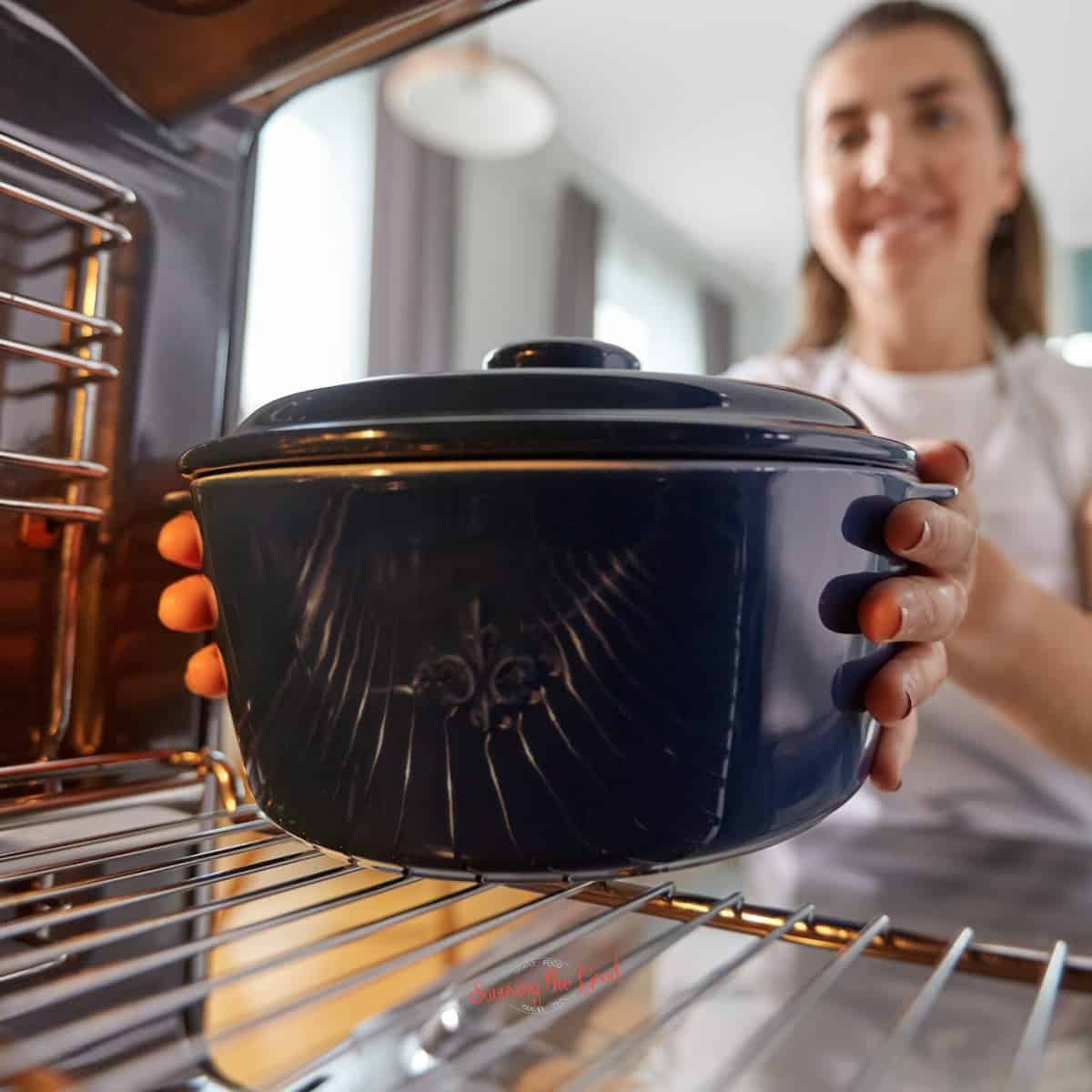
- Enameled cast iron. Often safe to 500°F. Some knobs limit to 400°F unless replaced with metal.
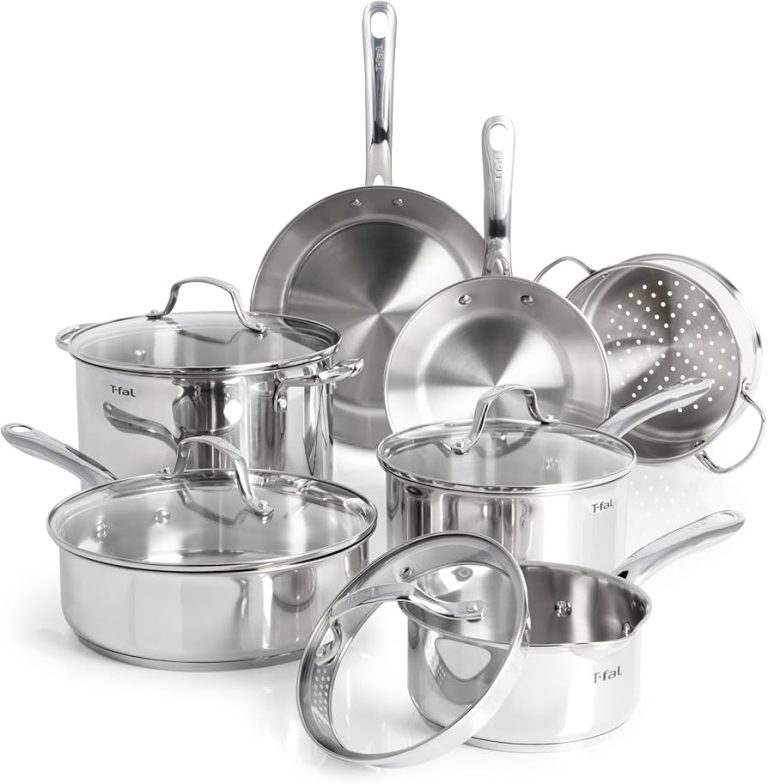
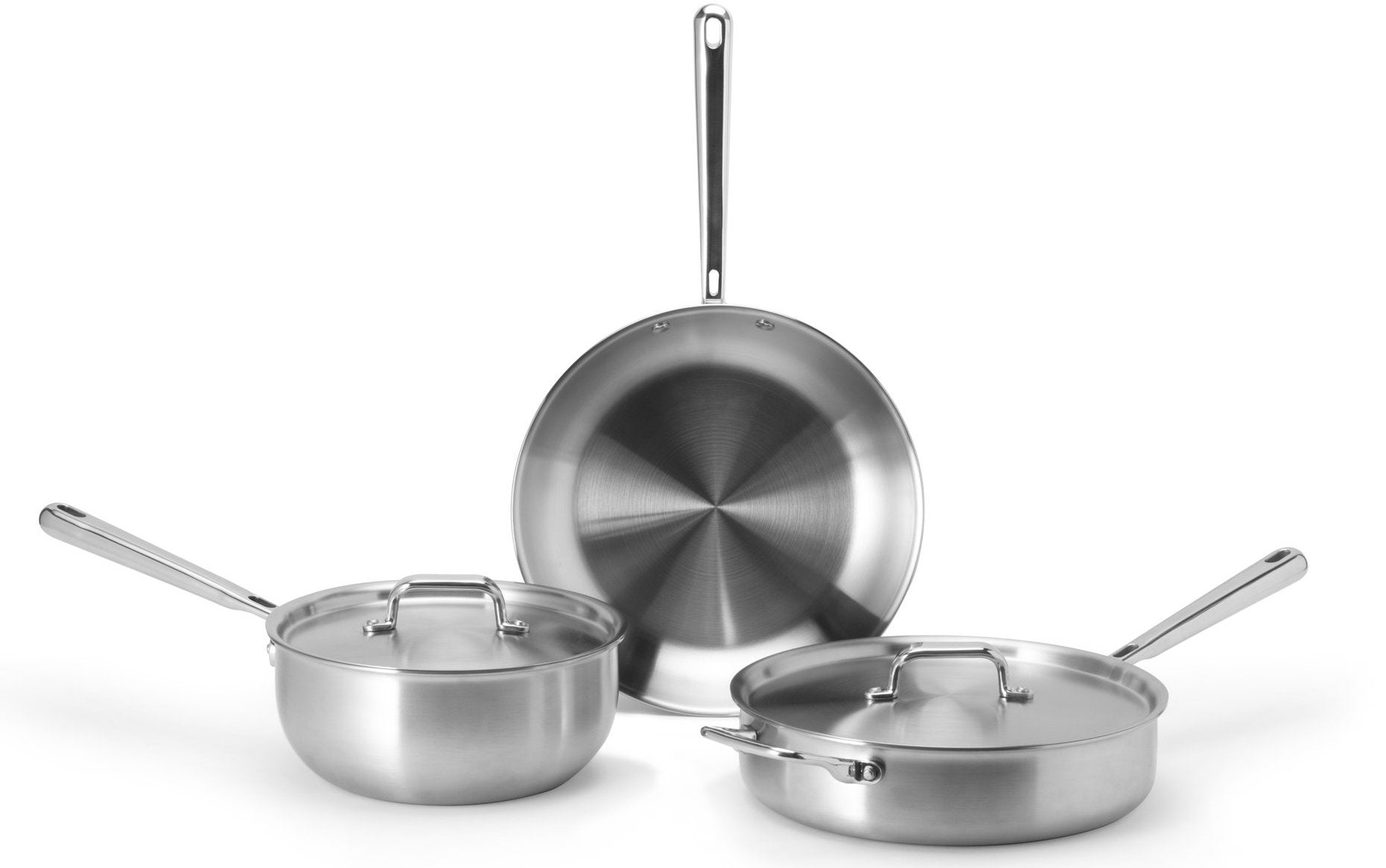
- Stainless steel. Most all-metal stainless pots go to 500°F or higher. If the handles have silicone or plastic, limits drop to 350 to 400°F.
- Hard anodized aluminum. Commonly safe to 400 to 450°F. Watch for nonstick coatings that may lower this range.
- Copper. The body is fine to high heat, but check the lining and handle. Tin linings and glued handles can limit temps.
- Ceramic and heat-safe glass. Often safe to 350 to 450°F. Avoid broilers and fast temperature swings.
- Silicone handles and sleeves. Often safe to 400 to 428°F. They can smoke or deform at higher temps.
If your goal is high-heat roasting, a bare cast iron or all-metal stainless pot is a safe bet. If your goal is gentle casseroles, many more pots qualify.
:strip_icc()/removing-skillet-from-oven-5db366184f2940eb9891ad355e7e9cc8.jpg)
Features that make a pot unsafe in the oven
Even if the base is strong, small parts can fail. Before you decide can a pot go in the oven, look for these limiters.
- Plastic or bakelite handles. Often only safe to 300 to 350°F. They can warp or give off odors.
- Rubberized or silicone grips. Better than plastic but still limited, often near 400°F.
- Nonstick coatings. Many PTFE and ceramic coatings are not broiler safe and lose life above 450°F. Overheating PTFE can release fumes.
- Glass lids with steam vents. Often safe to 350 to 400°F. Many are not broiler safe.
- Decorative paint, decals, or wooden parts. These are for the stovetop only.
- Pressed-on or glued knobs. If you cannot see a metal fastener, the adhesive may fail in the oven.
If any one part says no, treat the whole pot as not oven safe.

How to check if your pot is oven safe
Before you ask can a pot go in the oven tonight, do a fast safety check. You can do most of this in under two minutes.
- Look for the oven-safe symbol under the pot. It often looks like wavy heat lines with a box. Some brands also print a max temperature.
- Read the manual or product page. Most brands list exact limits for the body, handles, and lid.
- Check the handle and knob material. All metal is a good sign. Silicone or plastic means a lower limit.
- Search the model number. If the pot is old, brand sites or customer PDFs often list the temp range.
- When in doubt, stay under 400°F and skip the broiler. That safe zone covers many recipes.
A final tip: photograph the base and the manual page. I keep a folder on my phone so I never guess at 6 p.m. on a weeknight.

How to use a pot in the oven the right way
Once you know can a pot go in the oven, use these steps for safe, even results.
- Preheat the oven. Hot air gives even cooking and avoids hot spots on the base.
- Dry and oil the pot if needed. Wet enamel can stain. A thin oil coat prevents rust on bare cast iron.
- Mind the lid. Metal lids are more heat proof. Glass lids often cap the max temp.
- Place on the middle rack. This protects the handles from intense bottom heat.
- Skip the broiler unless all-metal and broiler safe. Nonstick and glass lids should never see the broiler.
- Avoid thermal shock. Do not add cold liquid to a screaming hot pot. Let the pot cool on the stove or a rack before washing.
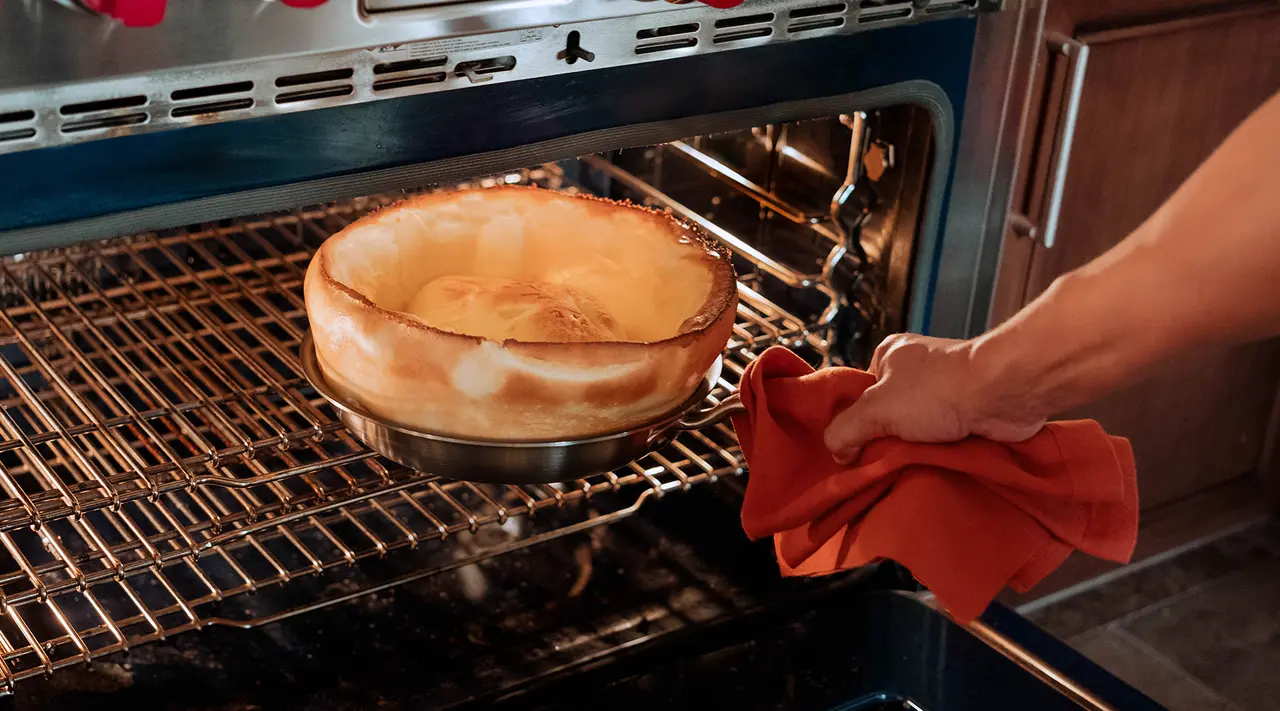
- Use dry, high-heat mitts. Steam from lids can burn fast.
Quick PAA-style checks:
- Is it safe to bake with a nonstick pot? Yes, if the label says oven safe and you stay under the posted limit, often 400°F.
- Can I put a pot with rubber handles in the oven? Often yes up to about 400°F, but confirm with the brand.
- Can I move a pot from oven to fridge? No. The shock can crack enamel or glass and warp metal.

Real-world examples and lessons from my kitchen
I once asked myself can a pot go in the oven when making a weeknight chicken. I seared thighs in a stainless pot, then slid it into a 425°F oven. The metal handles made it easy, and the skin stayed crisp. The fond on the base led to a fast pan sauce.
My first Dutch oven loaf taught me about lid knobs. The bread needed 475°F. The pot was fine, but the phenolic knob was only safe to 400°F. I swapped it for a stainless knob, and the next loaf came out perfect.
My biggest mistake was a glass lid under the broiler. The label warned me, but I missed it. It did not shatter, but the gasket scorched. Since then, I ask can a pot go in the oven with this exact lid every time, and I keep broiling to bare metal gear only.

Common mistakes to avoid
If you search can a pot go in the oven and still get mixed results, avoid these common traps.
- Guessing the limit. Always check parts, not just the body.
- Using the broiler on nonstick. It shortens life and can cause fumes.
- Grabbing a hot handle with a damp towel. Steam burns are fast and painful.
- Preheating an empty nonstick pot. This can overheat the coating in minutes.
- Shock cooling. Do not rinse a hot pot with cold water.
- Forgetting that lids lower the limit. The safest plan is metal pot and metal lid.
Frequently Asked Questions of can a pot go in the oven
Can a pot go in the oven if it has a nonstick coating?
Yes, if the manufacturer says it is oven safe. Stay below the listed max, which is often 400 to 450°F, and never use the broiler.
Can a pot go in the oven with a glass lid?
Often yes up to 350 to 400°F. Most glass lids are not broiler safe and can crack with sudden heat.
Can a pot go in the oven if it has silicone handles?
Usually yes up to about 400 to 428°F. Confirm the limit for your exact brand and keep handles away from direct flames.
Can a pot go in the oven at 500°F?
Only if it is all metal and rated for that heat. Cast iron and some stainless pots can handle 500°F, but many lids and knobs cannot.
Can a pot go in the oven straight from the fridge?
It is risky due to thermal shock. Let the pot warm on the counter for 20 to 30 minutes before baking.
Can a pot go in the oven under the broiler?
Only if it is broiler safe and all metal. Do not broil nonstick, plastic handles, or glass lids.
Can a pot go in the oven on convection mode?
Yes, but watch that convection can run hotter at the surface. Lower the set temp by about 25°F if your recipe browns too fast.
Conclusion
You now have a clear answer to can a pot go in the oven. Match the material and the small parts to the heat you plan to use, and you will cook safer and better.
Take one minute today to check your favorite pots and note their limits. You will cook with more freedom, from stovetop sears to oven finishes, without guesswork. Have a question or a brand you want me to check? Drop a comment, subscribe for more kitchen guides, and keep cooking with confidence.

Hi, I’m Mary, the founder of KitchenClue.com. I’m deeply passionate about everything that makes a kitchen smarter, easier, and more enjoyable. I share hands-on insights and practical expertise on kitchen gear that truly helps in daily cooking. Along with my dedicated research team, we study products carefully, and our writers create honest, well-tested reviews using trusted, authentic sources—so you can choose kitchen tools with total confidence.