Induction Cooktop vs Gas
If you’re thinking about upgrading your kitchen or just curious about what’s available, you’ve probably heard about induction cooktops. Maybe you’re wondering how they stack up against the traditional gas stove you’ve been using for years. The decision between an induction cooktop and a gas range can feel confusing. Both have their fans, their pros, and their cons.
Let’s break this down in a way that makes sense. By the end of this guide, you’ll understand the real differences between these two cooking methods. You’ll know which one might work best for your kitchen, your cooking style, and your wallet.
How Do Induction Cooktops Work?
An induction cooktop uses electromagnetism to heat your pans directly. Sounds fancy, but it’s actually pretty simple to understand.
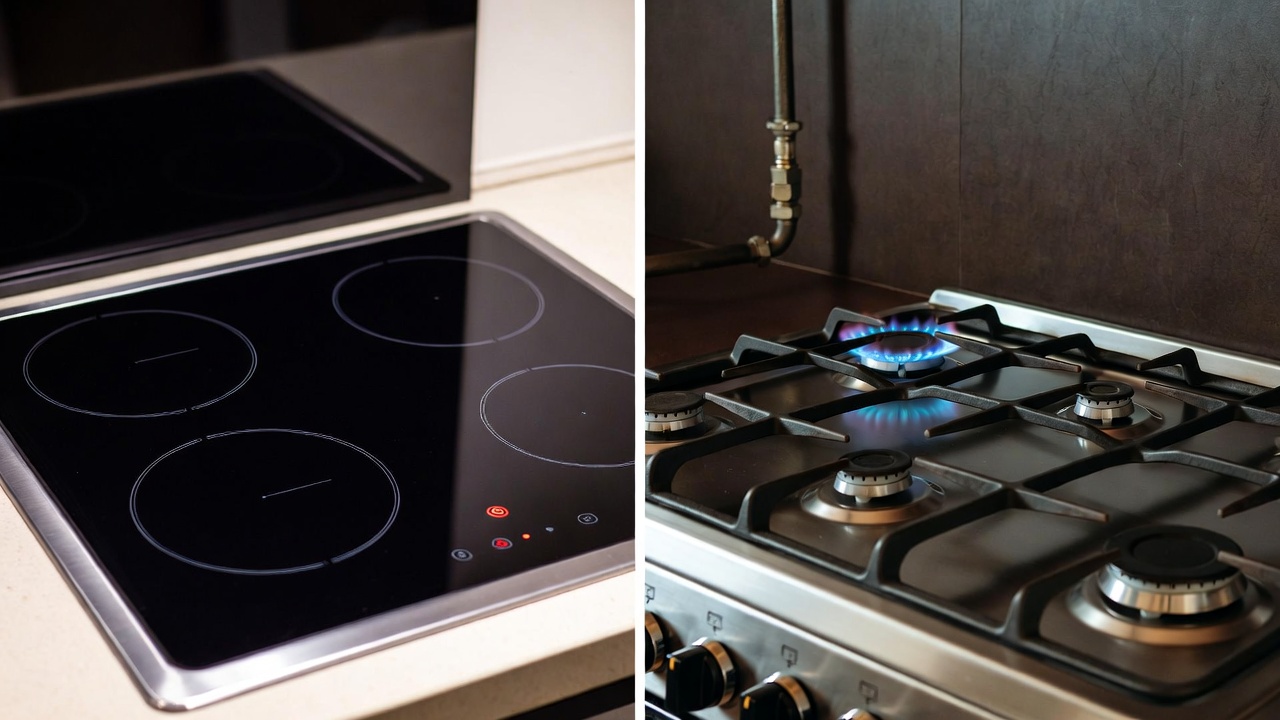
When you turn on an induction cooking surface, an electromagnetic field activates beneath the glass top. This field only works with magnetic cookware. When your magnetic pan sits on the induction burner, the electromagnetic energy moves right into the pan itself. The pan heats up, and the heat cooks your food.
Here’s the key thing: the glass top stays cool. Only the pan gets hot. The cooking surface beneath your pan stays cool to the touch. You can touch the area next to your hot pan without burning yourself. That’s a major safety advantage.
Induction cooktops respond to temperature changes incredibly fast. You can go from low heat to high heat almost instantly. The cooking surface adjusts heat faster than any other cooking method. This means more control and better results for certain dishes.
How Do Gas Stoves Work?
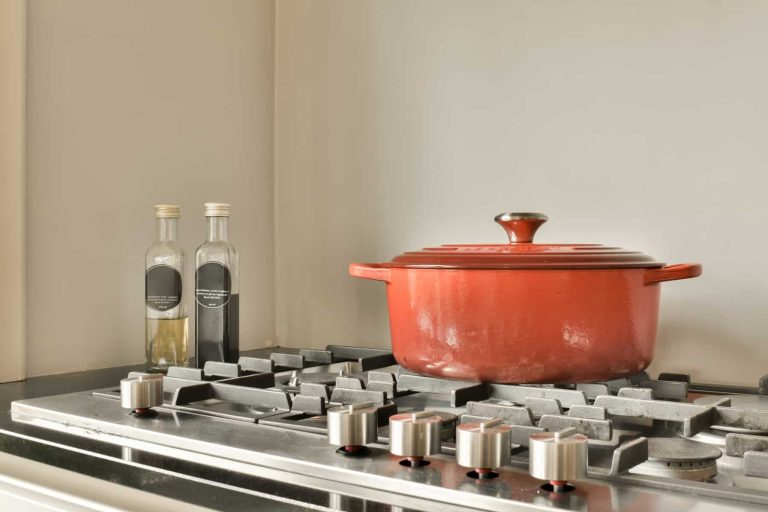
Gas stoves work the way most people understand them. You light a flame using either a pilot light or an electric igniter. That flame heats your cookware directly. The heat rises from the flame and transfers to your pan.
The glass or metal surface around the burner can get hot from the flame, but it’s the flame itself that cooks your food. You can see the flame and adjust it as you cook. Many cooks love this visual feedback. You watch the flame size and know exactly how much heat you’re producing.
Gas ranges need a gas line connection to work. If your home doesn’t already have natural gas service, installing one can be expensive. Some homes use propane tanks instead of natural gas lines.
Speed and Heat Control Comparison
When it comes to heating food fast, induction cooking takes the crown.
Induction cooktops heat water in a pot about 30% to 50% faster than gas burners. This isn’t marketing talk. It’s a real difference you’ll notice when you boil water, make pasta, or sear meat. If you’re boiling water on a gas stove and it takes 10 minutes, an induction cooktop might get there in 6 or 7 minutes.
Why does this matter? Faster cooking means less time in the kitchen. Over time, this saves you real minutes every single day. If you cook dinner every night, that adds up.
For heat control, both systems work well but in different ways. With gas, you see the flame and can adjust it instantly. Many professional and home cooks prefer this visual control.
With induction, you don’t see a flame, but you have precise electronic control. You can set exact temperatures on many induction cooktops. The heating response is faster, which some cooks prefer.
Energy Efficiency: Which One Wastes Less Power?
Energy efficiency matters for your electric bill and for the planet.
Induction cooktops are hands down the most energy-efficient option. Around 85% to 90% of the electrical energy transfers directly into your pan and food. The rest gets lost as heat.
Gas stoves? They’re much less efficient. Only about 65% to 75% of the gas energy actually heats your food. The rest rises up and out of your kitchen as waste heat. In summer, this extra heat makes your air conditioning work harder, which costs more money.
If you care about reducing your carbon footprint, induction cooking is the better choice. You use less energy to cook the same meal.
Over a year, this energy difference can add up to real savings on your utility bills. The exact amount depends on how much you cook and your local electricity and gas prices.
Safety Features: Which Is Safer?
Both cooking methods are safe when used properly, but they have different safety advantages.
Induction cooktop safety features:
- The cooking surface stays cool, so you can’t burn yourself on the glass top
- No open flames, so no risk of fire from a flame touching something nearby
- If you leave a pot on the cooktop too long, many induction models shut off automatically
- If cookware isn’t magnetic, the induction cooktop won’t heat at all, so nothing cooks unintentionally
- The pan heats but the surrounding area stays cool
Gas stove safety features:
- Open flames that you can see
- If you have a gas leak, you can smell it (utilities add a scent for this reason)
- Traditional cooking method that most people understand
- However, gas flames can be knocked over or cause fire damage
- Gas fumes release nitrogen dioxide and carbon monoxide, which need ventilation
- Hot surfaces around the flame can cause burns
For households with small children, induction cooktops have a big safety advantage. Kids can’t burn themselves on a cool cooking surface. Gas flames are more accessible and easier to reach.
Equipment You’ll Need to Buy
Here’s something important: your pans might not work with induction cooking.
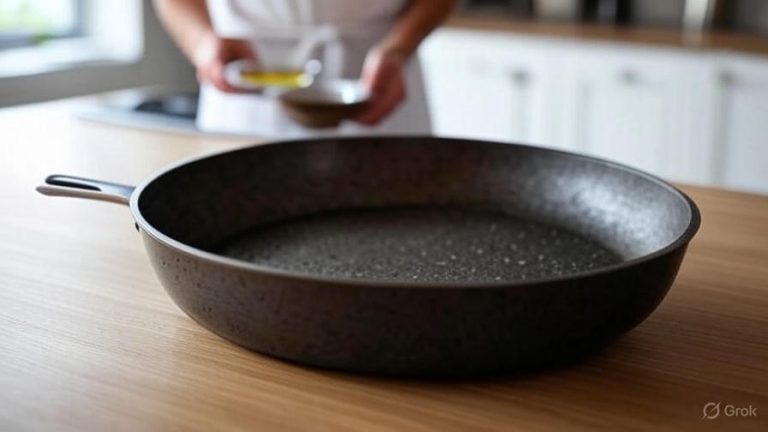
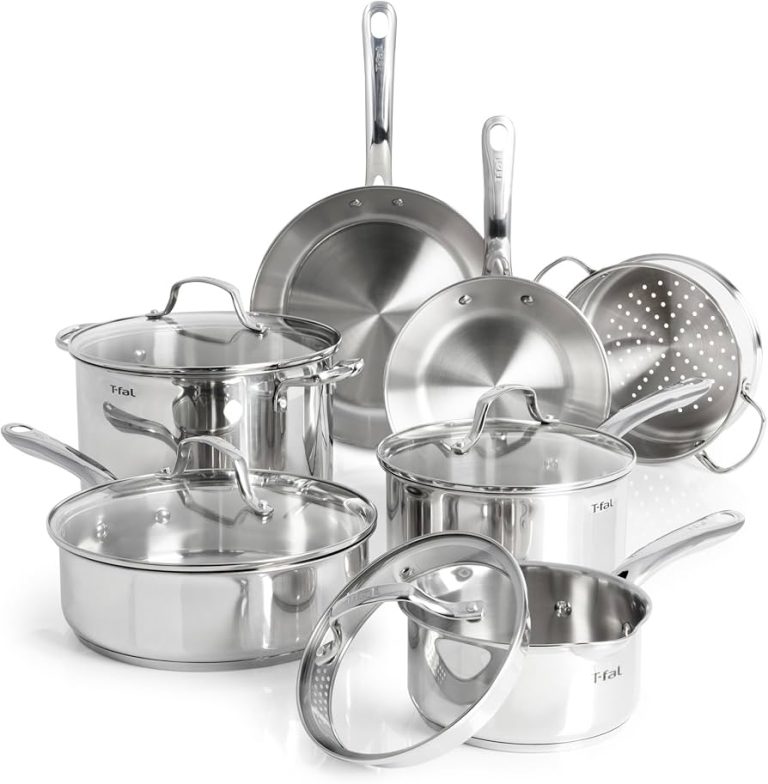
Induction cooktops only work with magnetic cookware. The pan must have a magnetic base. Most stainless steel pans work. Cast iron pans work great. But many aluminum and copper pans don’t work at all.
To check if your pans are magnetic, grab a magnet from your fridge. If it sticks to the bottom of the pan, your pan will work on an induction cooktop. If it falls off, that pan won’t work.
This matters because if you have a lot of expensive non-magnetic cookware, switching to induction means buying new pans. This adds to your upfront costs.
Gas stoves work with any cookware. Any pan, any material, any shape. You don’t need to buy anything new.
However, if you use traditional aluminum pans or copper-bottomed cookware that you love, you’ll need to replace them for induction cooking.
Installation and Setup Costs
Installation costs vary based on what you’re working with.
Induction cooktops are usually simpler to install. If you already have an electric outlet and countertop space, you can plug in a portable induction cooktop. These range from $50 to $200. They’re great for trying out induction cooking before you commit to a full built-in model.
Built-in induction cooktops cost more to install. If you have an existing gas range, removing it and installing an induction cooktop requires the gas line to be capped off. This is usually cheap and quick. You need to make sure your electrical panel can handle the power requirements. Some homes need electrical work, which gets expensive.
Gas stoves need a gas line. If your home already has natural gas service, installation is straightforward. If you don’t have a gas line, running one from the street to your kitchen can cost hundreds to thousands of dollars. Propane stoves are an alternative if you don’t have natural gas.
Maintenance and Cleaning
Induction cooktops are easier to clean. The smooth glass top wipes down easily. Nothing sticks or bakes on since the surface doesn’t get as hot. Spills are easy to wipe away. You can clean it while cooking because the surface stays cool.
You’ll want to use glass-safe cookware to avoid scratching the glass top. But overall, maintenance is minimal.
Gas stoves have more components to clean. The grates need regular cleaning. Food can drip down between the burners. The burner heads can get clogged if you’re not careful. Keeping a gas stove clean requires more work.
However, if something breaks on a gas stove, it’s usually cheaper to fix because the parts are simple and inexpensive.
Cost: Induction vs Gas
Let’s talk money. This is often the biggest factor in the decision.
A basic portable induction cooktop costs $50 to $150. A decent one runs $100 to $300. These are temporary solutions, not permanent kitchen upgrades.
A built-in induction cooktop costs $800 to $3,000 or more, depending on size and features. High-end models from fancy brands can cost way more.
A basic gas range costs $400 to $800. Mid-range models run $800 to $2,000. High-end gas ranges can cost $2,000 to $5,000+.
So on the surface, gas ranges seem cheaper. But remember the energy efficiency advantage. An induction cooktop costs less to operate over time. The payback period for the higher upfront cost varies, but for people who cook regularly, it usually pays for itself within 5 to 10 years.
If you’re renting and can use a portable induction cooktop, that’s the cheapest option. If you own your home and plan to stay there for several years, the long-term savings from induction might make sense.
The Cooking Experience: What Do Professional Chefs Think?
Here’s something interesting: professional kitchens use both types of cooking equipment.
Many high-end restaurants use induction cooktops because they heat fast and give precise control. They use less energy and make the kitchen cooler. Less heat in the kitchen means more comfortable working conditions for the chef.
Some restaurants still use gas because chefs like the visible flame and the instant heat adjustment. Gas burners are what many chefs learned to cook on, and they feel comfortable with that method.
Home cooks have similar preferences. Some swear by induction and will never go back. Others prefer the feel and feedback of gas cooking.
The best choice depends on your personal cooking style. If you like seeing your flame and adjusting heat visually, you’ll prefer gas. If you want faster heating and precise electronic control, induction is better.
Cooking Different Types of Food
Both methods cook food well, but they have different advantages for certain dishes.
Induction cooktops excel at:
- Boiling water quickly for pasta or rice
- Simmering sauces with precise temperature control
- Melting chocolate or butter gently
- Searing meat quickly because heat ramps up so fast
- Making candy or other temperature-sensitive recipes
Gas stoves excel at:
- High-heat stir-frying because you can see flame intensity
- Cooking with a wok (some woks aren’t magnetic)
- Dishes where you want instant heat adjustment
- Cooking with non-magnetic cookware
- Visual flame control that many cooks prefer
The truth is, both methods produce delicious food. It’s more about what feels natural to the cook.
Making the Switch: What You Need to Know
If you’re thinking about switching from gas to induction, here are the important things to know:
First, check your cookware. Use the magnet test on all your favorite pans. If most of them work, great. If not, budget for new pans.
Check your electrical panel. Induction cooktops need decent electrical power. An electrician can tell you if your home can handle it.
Try before you buy. Get a cheap portable induction cooktop first. Cook with it for a month. See if you like it. This costs less than $100 and tells you everything you need to know.
Think about your future. Are you staying in this home for years? Will you cook regularly? Do you care about energy bills and environmental impact?
Consider resale value. Some home buyers prefer gas cooking. Others prefer induction. In most markets, either option is fine, but it’s worth thinking about.
The Bottom Line
Induction cooktops are faster, more energy-efficient, and safer. They cost more upfront but save money over time. They need special magnetic cookware and decent electrical power.
Gas stoves give you visual flame control and work with any cookware. They’re simpler to install in homes with existing gas service. They cost less upfront but run less efficiently and create more waste heat.
Neither option is “wrong.” The right choice depends on your cooking style, budget, kitchen setup, and how long you plan to stay in your home.
A Quick Comparison Table
| Feature | Induction | Gas |
|---|---|---|
| Heat Speed | Very fast | Medium |
| Energy Efficiency | 85-90% | 65-75% |
| Safety | Better (cool surface) | Good |
| Cookware Required | Magnetic pans | Any pans |
| Installation Cost | Medium to high | Low to medium |
| Equipment Cost | $800-3000+ | $400-5000+ |
| Operating Cost | Lower | Higher |
| Maintenance | Easy | Moderate |
| Cook Control | Electronic | Visual flame |
| Noise | Quiet | Quiet |
Final Thoughts
The decision between induction and gas cooking comes down to your specific situation. Test an induction cooktop if you’re unsure. Most people who try induction love it. But if you prefer gas cooking, there’s nothing wrong with sticking with what works for you.
Your kitchen should feel comfortable and work the way you like. Both induction and gas cooking methods produce amazing food. Pick the one that fits your home, your budget, and your cooking style.
If you love cooking and spend significant time in your kitchen, investing in the right cooktop pays dividends every single day.

Hi, I’m Mary, the founder of KitchenClue.com. I’m deeply passionate about everything that makes a kitchen smarter, easier, and more enjoyable. I share hands-on insights and practical expertise on kitchen gear that truly helps in daily cooking. Along with my dedicated research team, we study products carefully, and our writers create honest, well-tested reviews using trusted, authentic sources—so you can choose kitchen tools with total confidence.