Can Pots With Glass Lids Go In The Oven: 2026 Safety Tips
Yes, but only if both pot and glass lid are clearly oven-safe.
If you’ve ever paused mid-recipe and asked, can pots with glass lids go in the oven, you’re not alone. I test cookware for a living and I’ve put many glass lids through real kitchen trials. In this guide, I’ll show you how to check your gear, the safe temperatures, and the small steps that prevent cracks or shattering. By the end, you’ll know exactly when to use that glass lid in the oven, and when to skip it.

Understanding Oven-Safe Glass Lids and Pots
Can pots with glass lids go in the oven depends on materials, design, and temperature ratings. The lid, knob, rim, and even the pot’s coating all matter. One weak link can make the whole setup unsafe.
What most people call a glass lid is usually tempered soda-lime glass with a steam vent and a metal rim. It is stronger than regular glass. But it still has limits. The knob might be metal, silicone, or Bakelite. Each has a different heat tolerance. Your pot may be stainless steel, hard-anodized aluminum, enameled cast iron, or nonstick. Those choices also affect the max oven temperature.
Key ideas to anchor your decision:
- Oven-safe means the maker tested the part for enclosed, dry heat.
- Broiler-safe is different. Many glass lids are not broiler-safe.
- A lid can be oven-safe while the knob is not, or vice versa.
- A pot can be oven-safe, but its nonstick coating may limit the temp.
If you wonder, can pots with glass lids go in the oven for everyday baking or braising, the answer is often yes at moderate heat. But always match the lowest-rated part in your setup.

Temperature Limits by Material
Can pots with glass lids go in the oven at high heat? It depends. Here are typical ranges I see in product manuals and test labs:
- Tempered glass lids: Often 350 to 400°F. Some go to 425 or even 500°F if the knob and rim allow it.
- Metal knobs: Often 450 to 500°F or more.
- Silicone knobs or handles: Commonly up to about 400 to 428°F.
- Bakelite or phenolic knobs: Often 350°F max.
- Stainless steel pots: Commonly 500°F or more.
- Enameled cast iron: Often 500°F or more.
- Nonstick aluminum pots: Often 350 to 400°F.
Manufacturers set these limits after stress and thermal-shock tests. To play it safe, follow the most conservative rating you see. If the lid says 400°F max and the pot says 500°F, stay at or under 400°F. When people ask, can pots with glass lids go in the oven for a roast at 450°F, the real question is whether the lid and knob are both rated for that heat. If not, remove the lid or switch to a metal one.

How To Check If Your Glass Lid Is Oven-Safe
Can pots with glass lids go in the oven without a manual? You can still verify a lot:
- Look for an oven-safe symbol or text under the lid or on the knob.
- Check the pot’s base for oven-safe markings.
- Scan the product page or the PDF manual on the maker’s site.
- Identify knob material. Metal handles tend to allow higher heat. Bakelite or some plastics usually cap out around 350°F.
- Check the lid rim and vent. A stainless rim is common. If you see a rubber gasket, that can lower the limit.
Before use, do a quick safety check:
- Make sure the lid has no chips, deep scratches, or star cracks.
- Confirm the knob screw is tight.
- If the lid was just washed, let it return to room temp before hitting heat.
Can pots with glass lids go in the oven if the pot is nonstick? Often yes, at lower temperatures. But many nonstick coatings top out around 400°F. Follow that lower limit.
Safe Oven Use: Best Practices and Common Mistakes
Can pots with glass lids go in the oven and stay safe? Yes, if you control heat and shock. Here is what works in my kitchen testing:
Best practices:
- Preheat the oven. Sudden heat spikes stress glass.
- Place the pot on the middle rack for even heat.
- Keep the temperature at or below the lowest-rated part.
- Use dry, thick oven mitts. Wet mitts can flash steam and cause slips.
- When you pull it out, set the hot lid on a dry towel or trivet. Do not put it on a cold, wet, or stone surface.
- Vent steam away from your face when lifting the lid.
Mistakes to avoid:
- Never use a glass lid under a direct broiler or during self-clean cycles.
- Do not go from fridge to hot oven. Let the pot and lid warm up a bit first.
- Do not add cold liquid to a screaming-hot pot. That is thermal shock.
- Avoid temps above the knob’s rating, even if the glass could go higher.
- Do not slam or twist the lid while hot. Micro-cracks can form.
Quick answers to common searches:
- Can you put a glass lid under a broiler? No. Most glass lids are not broiler-safe.
- Can you use a glass lid at 450°F? Only if both lid and knob are rated for 450°F or higher.
- Is convection different? Air flow is stronger, but heat is heat. Follow the same temperature limits.
Can pots with glass lids go in the oven for braises and stews? Yes. That is where they shine. The lid traps steam and keeps food moist.

Brand and Material Examples You’re Likely to Own
Here is what I see across common setups and why it matters:
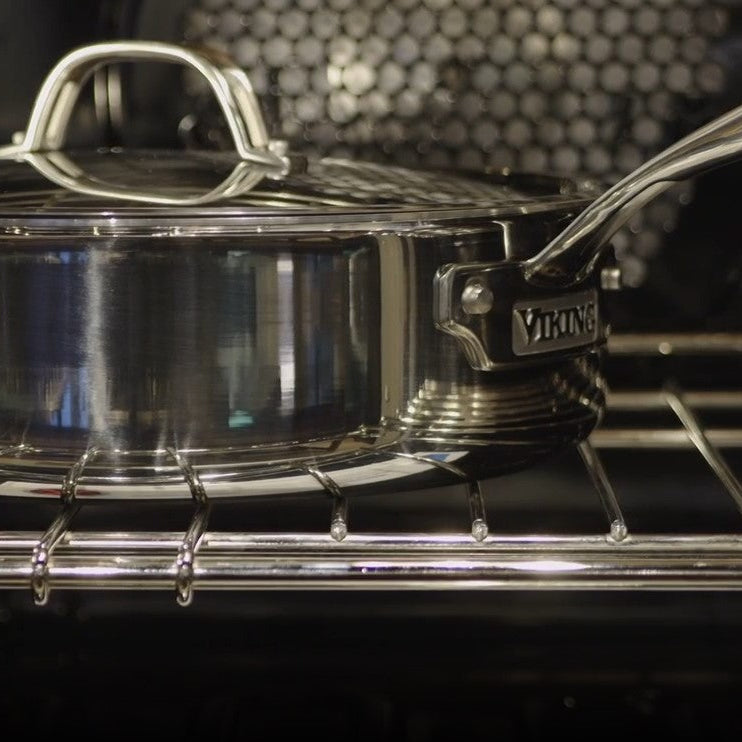
- Stainless steel pot with tempered glass lid. Often safe at 400°F for the lid, higher for the pot. Great for baked pasta, rice casseroles, or covered braises.
- Hard-anodized aluminum with nonstick and glass lid. Pot often rated 400°F. Lid often 350 to 400°F. Good for gentle oven finishes. Avoid very high heat.
- Enameled cast iron with glass lid. The pot is usually fine at 500°F, but many glass lids are lower. Consider swapping to a metal lid for hot bakes.
- Stockpot with tall walls and glass lid. Safe for oven simmering at moderate heat. Not ideal for dry roasting.
- Specialty pressure cooker or multicooker glass lids. Some are only for slow cook or keep-warm. Do not assume oven-safe unless it says so.
People ask me all the time, can pots with glass lids go in the oven if the label wore off? My rule is simple: if I cannot verify, I do not risk it. I use a metal lid or foil instead.

What To Do If Something Goes Wrong
If a glass lid cracks or shatters, act fast but stay calm:
- Turn off the oven. Let everything cool with the door closed if glass is everywhere.
- Protect hands and eyes. Wear gloves if you must move parts.
- Use a stiff piece of cardboard to lift larger shards.
- Sweep tiny pieces with a brush and dustpan. Then use damp paper towels to pick up fine slivers.
- Check food for glass. If in doubt, discard it.
- Inspect the pot rim for chips. Replace the lid. Do not reuse a damaged one.
If your lid warps or the knob loosens after a hot bake:
- Let it cool fully. Tighten the screw from underneath.
- Contact the maker. Many will replace knobs or lids under warranty when used within stated limits.
Can pots with glass lids go in the oven again after a small chip? No. Even a small chip can spread under heat. Replace the lid.
When A Glass Lid Helps vs Hurts
A glass lid helps when you want moisture and a gentle cook. Think braised chicken, rice pilaf, pot roast, poached fish, and no-boil pasta bakes. It keeps splatter down. You can see progress without opening the oven.
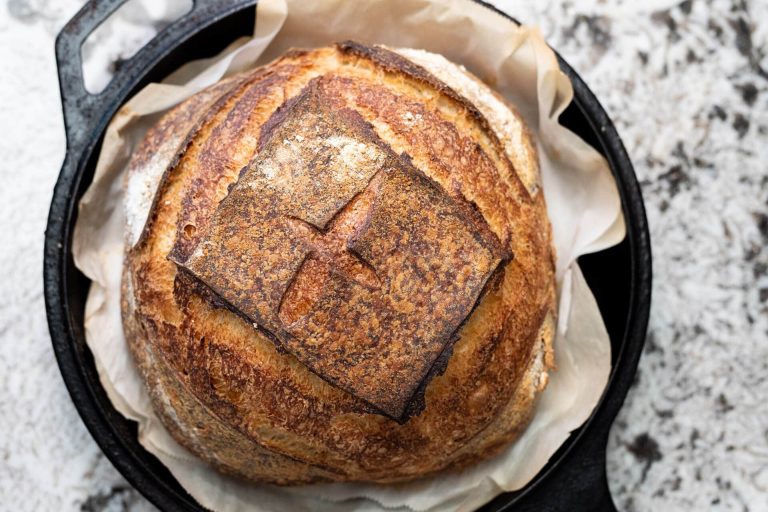
Skip the glass lid when you need intense dry heat or direct top heat. For crusty bread, broiled steaks, or high-heat roasting above 450°F, use a metal lid or go lid-off. If you still ask, can pots with glass lids go in the oven for artisan bread, the answer is usually no. The heat is too high.

Frequently Asked Questions of can pots with glass lids go in the oven
Are all glass lids oven-safe?
No. Only lids marked oven-safe should go in the oven. Check the lid, knob, and manual for a temperature rating.
Can I put a glass lid in a 500°F oven?
Only if both lid and knob are rated for 500°F. Most tempered glass lids cap out around 400 to 425°F.
Is a glass lid broiler-safe?
Usually not. Direct radiant heat can stress and crack glass, even if it’s tempered.
What happens if I exceed the rated temperature?
The lid or knob can warp, discolor, or break. Exceeding limits also voids most warranties.
Can I move a hot glass lid to a cool counter?
Avoid that. Set the lid on a dry towel or trivet. Sudden temperature changes can cause thermal shock.
Do convection ovens change the rules?
No. Follow the same maximum temperature. Convection just moves hot air faster.
How do I know if my knob is Bakelite or metal?
Metal feels cool and solid, and often has visible screws or rivets. Bakelite feels like hard plastic and often has lower heat ratings.
Conclusion
Using a glass lid in the oven can be safe, simple, and smart. The key is matching the lowest-rated part, avoiding thermal shock, and skipping the broiler. If you verify the markings and respect the limits, you can get moist, even results with less mess.
Put this advice to work on your next braise or baked pasta. Check your lid, preheat the oven, and cook with confidence. Want more tested kitchen tips? Subscribe or leave a comment with your gear and I will help you verify its safe range.

Hi, I’m Mary, the founder of KitchenClue.com. I’m deeply passionate about everything that makes a kitchen smarter, easier, and more enjoyable. I share hands-on insights and practical expertise on kitchen gear that truly helps in daily cooking. Along with my dedicated research team, we study products carefully, and our writers create honest, well-tested reviews using trusted, authentic sources—so you can choose kitchen tools with total confidence.