
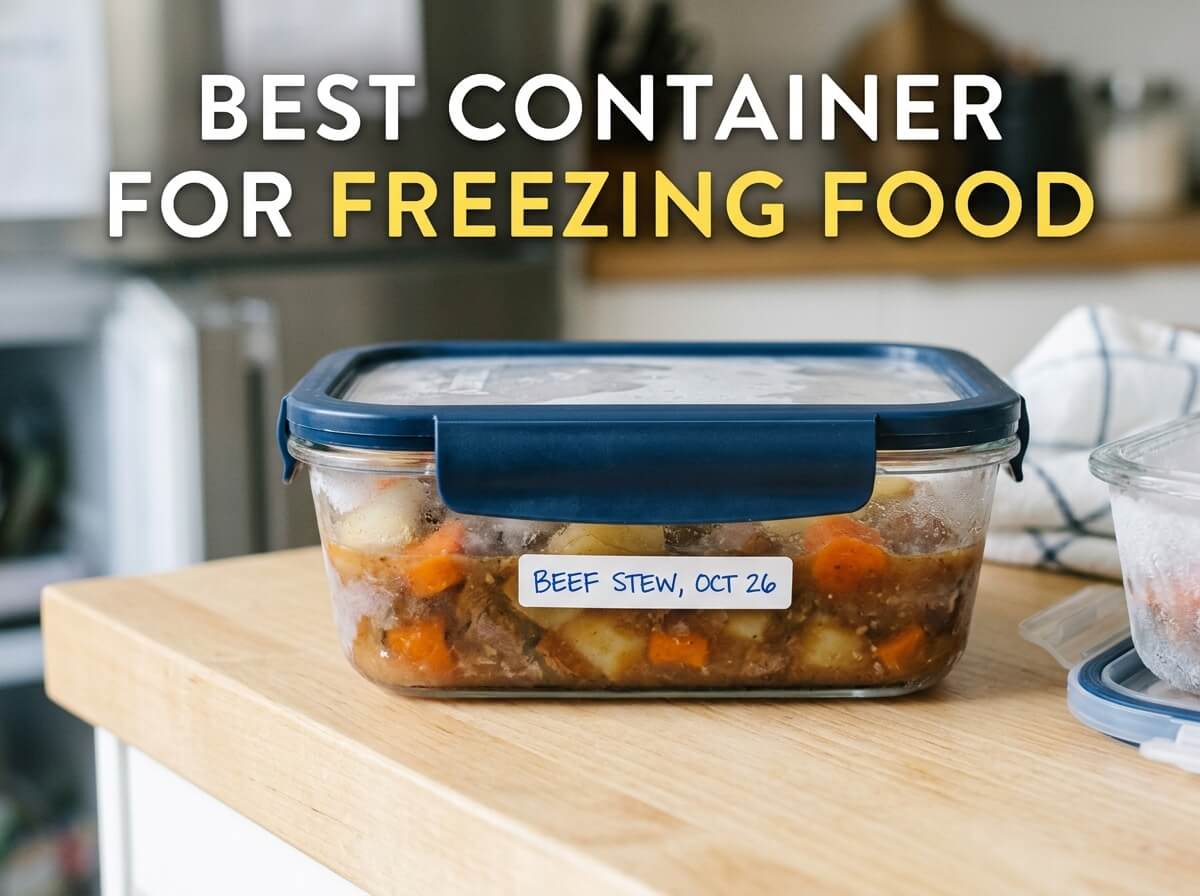
5 Best Container for Freezing Food In 2026
Let’s be honest. Freezing food is one of the best ways to save time and money in the kitchen. But here’s the problem that nobody talks about: sticking random containers in your freezer is a recipe for disaster. You end up with freezer burn, spilled liquids, wasted meals, and containers that break when they freeze. It’s frustrating and wasteful.
Finding the best container for freezing food changes everything. The right freezer storage options keep your food fresh longer. They stack neatly in tight spaces. They don’t leak all over your freezer. They actually open and close without a fight when things get cold. And honestly, they just make meal prep and batch cooking so much easier.
In this roundup, I’ve tested and reviewed five of the most popular food storage containers and freezer options. Some are made for specific jobs. Others work great for almost everything. I’ll break down what works, what doesn’t, and which ones deserve a spot in your freezer.
What Makes a Great Freezer Container?
Before we jump into the reviews, let’s talk about what separates a good freezer storage container from a mediocre one. You’ll want containers that are:
Leak-proof and durable. Nobody wants frozen soup dripping onto everything below. The best freezer containers have secure lids that seal tight, even when ice forms around the edges. The walls should be thick enough to survive cold temperatures without cracking or warping.
Freezer-safe materials. This is huge. Some plastics become brittle in the freezer. Others warp or crack. The best options use materials tested to handle extreme cold without breaking down. Glass is naturally freezer-safe. Quality plastics marked as freezer-safe work well too.
Easy to label and identify. When you open your freezer, you need to know what’s in each container without squinting. Flat surfaces for labels help. Clear containers let you see contents at a glance.
Stackable design. Freezer space is precious. Containers that stack efficiently let you fit more into less space. Weird shapes waste room and create headaches.
Temperature-friendly operation. The best freezer containers open easily even when cold. Brittle lids that won’t budge don’t help anyone. You also want materials that won’t become toxic or degrading when cold.
Silicone Freezer Tray for Soup Ice Cubes
Product Description and Purpose
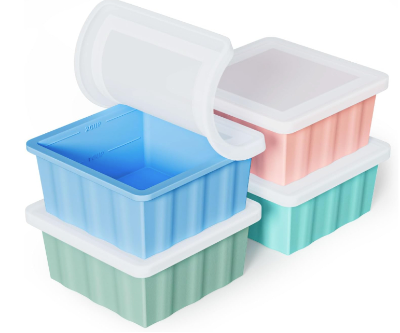
The Silicone Freezer Tray for Soup Ice Cubes is a specialized tool designed with one job in mind: portioning out soups, broths, and sauces into freezer-friendly portions. This 4-pack comes with 2-cup capacity freezing trays and matching lids. The silicone construction is flexible and designed specifically for the freezing process.
Best Use Cases for This Product
This freezer tray works best when you’re making big batches of homemade soup or stock. You pour your soup into the tray, freeze it solid, then pop out the portions and store them in bags. Perfect for those busy weeks when you want quick lunch options ready to go. Stock enthusiasts love these for freezing bone broth in portions. Sauce makers use them for freezing pesto, gravy, and other liquid condiments. Parents preparing baby food find these trays helpful too.
Key Features Explained Simply
Silicone construction. The flexible silicone material is the star here. Unlike plastic ice cube trays that crack, silicone bends and flexes when frozen. That means popping out portions is easy. Just twist and flex the tray, and cubes slide right out.
2-cup capacity. Each tray holds 2 cups of liquid. That’s larger than standard ice cube trays but smaller than full meal prep containers. The compartments are sized to give you practical portions, not tiny cubes.
Lids included. The trays come with lids to cover the top while freezing. This prevents odor transfer and stops freezer burn on the surface. It’s a small detail that makes a real difference.
4-pack bundle. You get four trays total. That means you can have multiple batches going at once. Great for serious meal preppers.
Real-Life Usage Insight
In actual use, these trays shine when you’re dealing with liquids. Fill them, freeze them, then pop out portions. The silicone is forgiving. It flexes without cracking. The lids keep things clean during the long freezing process. They’re compact and store nicely in a freezer drawer.
The honest truth? These aren’t meant for solid foods or dry items. They work best with broths, soups, and sauces. If you’re trying to freeze chicken breasts or leftover rice, these won’t be your best choice. They’re purpose-built tools that excel at their specific job.
Honest Pros and Cons
Pros:
- Silicone is flexible and lasts forever
- Easy to pop portions out without struggling
- Lids prevent freezer burn and odor transfer
- Compact and stackable
- Four trays let you handle big batches
- Food-grade silicone is safe for all temperatures
- Clean up is simple, even after frozen contents
Cons:
- Only works well with liquids and pourable items
- Not ideal for solid foods or chunks
- Silicone can absorb odors over time
- May not fit in all freezer door racks
- Takes up more space than a standard ice cube tray
- Not transparent, so you can’t see contents without opening
Performance Discussion
These trays perform exactly as designed. They freeze liquid items reliably. The silicone doesn’t crack or become brittle. Portions pop out cleanly. The lids create a proper seal. Where they struggle is with anything that isn’t pourable. Try to freeze a chunk of meat or a solid portion in these, and you’ll be fighting them.
The real performance win is consistency. Every time you use them, they work the same way. No surprises. That reliability matters when you’re meal prepping.
Ease of Use
Pop the filled trays in the freezer. Let them sit until frozen solid. Then flex and twist to pop out portions. Transfer to freezer bags if you want to save space. Wash in the sink or toss in the dishwasher. It’s straightforward. The silicone is forgiving enough that you don’t have to be precise or careful. Just fill, freeze, and go.
The only learning curve is figuring out the best way to pop portions out without spilling. Some people find twisting from the bottom works best. Others prefer peeling back the sides. You’ll develop your own technique.
Value for Money
At a reasonable price point, these trays deliver solid value if you regularly freeze soups and broths. The 4-pack means you get multiple trays for a single purchase. Silicone lasts years. You’ll use these containers often if soup freezing is part of your routine. For people who batch-cook soups and broths, the value is excellent.
If you don’t cook soups often, you might find these sit unused. They’re specialized tools for specific jobs. That’s okay. You don’t need everything.
Bentgo Prep Meal Prep Containers
Product Description and Purpose
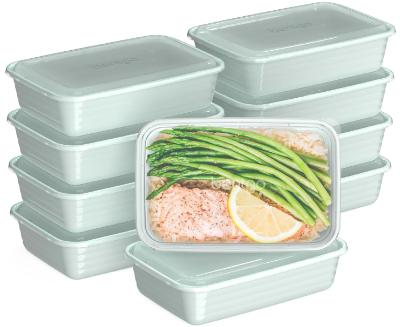
Bentgo Prep containers are designed with meal prep and portion control in mind. This 20-piece set includes reusable containers with matching lids. Each container has a single large compartment, perfect for holding complete meals or portioned sides. The set comes in a fresh mint color, though functionality is the real focus here.
Best Use Cases for This Product
These containers excel at meal prep routines. Pack your protein, grains, and veggies into one container per meal. Stack them in the fridge or freezer for grab-and-go convenience. They work great for people following strict portions. Lunch boxes for work get better with these containers. Parents packing kids’ meals find them reliable. Fitness enthusiasts meal prepping for the week love the durability and leak resistance.
Key Features Explained Simply
20-piece set. You get ten containers and ten matching lids. That’s enough for a full week of lunches, with backups. The quantity makes sense for serious meal preppers.
1-compartment design. Unlike those multi-compartment containers that separate foods, these have one large space. That means no silly walls separating your sides. Your food can touch. This works great for mixed meals and stews.
Durable plastic material. The plastic is tough. It won’t crack easily from freezing. It won’t warp in the microwave. It’s built to last through dozens of reuse cycles.
PFAS and BPA-free. These containers use safe plastic. No harmful chemicals. No toxic compounds leaching into your food. This matters if you’re freezing and reheating over and over.
Microwave, freezer, and dishwasher safe. Freeze them. Thaw them. Reheat in the microwave. Toss the lids in the dishwasher. They handle all your kitchen appliances without issue.
Real-Life Usage Insight
Day-to-day, these containers are workhorses. Fill them on Sunday with your meal prep. Stack ten in the freezer. Grab one each morning. Thaw in the fridge or microwave. Eat straight from the container if you want. They’re reliable, nothing fancy, but they just work.
The mint color is nice aesthetically without being so bold that it looks silly in a lunch bag. The containers are hefty enough that they feel like they’ll last years. Unlike flimsy disposable containers, these feel like an investment.
The honest assessment? These aren’t specialized tools. They’re general-purpose containers that do basic tasks really well. They freeze fine. They thaw fine. They don’t do anything revolutionary, but they don’t mess up either.
Honest Pros and Cons
Pros:
- 20-piece set gives excellent quantity for meal prep
- One large compartment works for most meals
- Leak-proof lids seal well even when frozen
- Durable plastic handles repeated use
- Completely microwave and freezer safe
- Safe materials without harmful chemicals
- Easy to clean and dishwasher friendly
- Attractive mint color design
- Lids fit securely without gaps
Cons:
- Single compartment doesn’t separate foods
- No clear view of contents from outside
- Containers are somewhat bulky for small portions
- Lids can occasionally pop off if overstuffed
- Not as stackable as some competitors
- Plastic can stain from tomato-based foods over time
- Higher price point than basic options
- Mint color might not appeal to everyone
Performance Discussion
In terms of freezing and thawing, these containers perform as expected. No cracking. No warping. Lids create genuine seals that keep food fresh. When you microwave them, heat distributes evenly. Reheating frozen meals works smoothly.
Where they excel is durability. These containers survive hundreds of freeze-thaw cycles without degrading. They don’t become brittle. Lids don’t crack. The plastic maintains its integrity year after year. That’s real performance.
The weak spot is the staining issue. Foods with strong colors can leave marks on the plastic. It doesn’t affect function, just appearance. If aesthetics matter to you, this might be annoying.
Ease of Use
These containers are genuinely easy to use. Spoon your meal in. Snap the lid on. Freeze. Thaw. Reheat. Repeat. That’s the whole process. No complicated steps. No learning curve. Anyone can use them effectively on day one.
The only trick is not overfilling them. Pack them too tight, and the lids get stressed. Leave a little space at the top, and everything works smoothly.
Value for Money
For serious meal preppers, this set offers excellent value. Twenty pieces means you can prep a month of lunches without running out. Reusable containers beat buying disposable options every time. Even at a higher price point, the cost per meal is reasonable when spread across hundreds of uses.
For casual freezing needs, you might not need twenty containers. Buying smaller quantities elsewhere could be cheaper per piece. But for dedicated meal prep routines, this set is worth the investment.
Dealusy Meal Prep Containers (50-Pack)
Product Description and Purpose
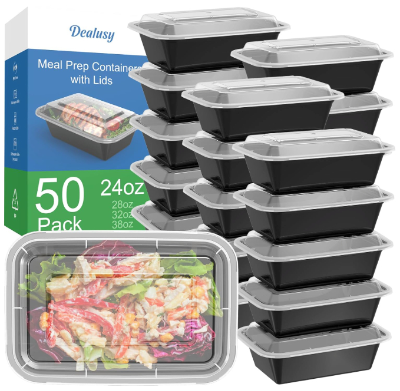
The Dealusy meal prep containers come in massive bulk. You get 50 containers with 50 matching lids—100 pieces total. They’re 24 ounces each, sized for standard lunch portions. These are plastic containers designed for storage, freezing, and reheating. The focus here is pure volume and affordability.
Best Use Cases for This Product
Bulk quantity makes these perfect for commercial kitchens, catering, meal prep businesses, or people who freeze hundreds of meals. They work great for portion control because the 24-ounce size encourages reasonable serving sizes. Parents packing school lunches use these by the case. Restaurants freeze sauces and prepped ingredients in them. Anyone who hates running out of containers loves having 50 backups.
Key Features Explained Simply
50-pack quantity. This is bulk buying at its best. You get fifty containers and fifty lids. That’s serious volume. You’ll never run out for years.
24-ounce capacity. Each container holds a standard meal portion. Not tiny. Not enormous. Just right for lunch or a reasonable dinner component.
Sturdy and leakproof. Despite the budget-friendly price, these containers seal tight. The plastic is rigid enough to prevent squishing. Lids lock down securely.
Food-safe plastic. The material is approved for food contact. It won’t degrade when frozen. It handles microwave reheating without degrading.
Freezer, microwave, and dishwasher safe. Freeze them solid. Pop them in the microwave. Toss them in the dishwasher. They handle all the standard kitchen appliances.
Real-Life Usage Insight
In actual kitchens, these containers are practical. They’re not fancy. They’re not beautiful. But they work. Fill them. Stack them. Freeze them. Reheat them. They don’t fail or cause surprises.
The bulk quantity is the real appeal here. Instead of rationing containers and rewashing them constantly, you have fifty. When you finish with a meal, you can throw away the container if you want, or wash it and reuse. That flexibility is valuable.
The honest take? These are workhorse containers. They do the job without pretense. If you need to freeze fifty meals and have them ready to go, this set makes it easy.
Honest Pros and Cons
Pros:
- Incredible value at 50-pack quantity
- 24-ounce size is practical for meal portions
- Containers seal leakproof when lids are secure
- Durable plastic handles multiple freeze-thaw cycles
- Works in freezer, microwave, and dishwasher
- Food-safe materials
- Stackable design saves freezer space
- Perfect for meal prep businesses
- Backup containers mean you’re never short
Cons:
- Basic design feels utilitarian
- Containers are clear but can become cloudy over time
- Plastic can warp if overheated in microwave
- Lids occasionally loosen during freezing
- Can develop odors if not stored properly
- Not as attractive as premium options
- 50-pack might be overkill for small households
- Takes up storage space when not in use
Performance Discussion
These containers freeze food reliably. No cracking. No major warping. Lids maintain seals through multiple freeze cycles. Thawing is straightforward. Microwave reheating works, though you need to be careful not to overheat and warp the plastic.
The performance question with bulk containers is durability. These aren’t built to last hundreds of cycles. They’ll last quite a few, though. A single container might be good for twenty or thirty uses before you’d consider replacing it. But with fifty containers, you have backups constantly.
The real performance edge here is reliability. Every container works like the last one. No surprises. No quality variation.
Ease of Use
Maximum simplicity. Put food in. Put lid on. Freeze. Thaw. Reheat. Repeat. These containers don’t require any special handling or technique. Anyone can use them effectively immediately.
The only consideration is not overfilling and not overheating in the microwave. Leave a little space at the top for expansion. Use medium microwave power rather than high. Follow those basic rules, and you’ll have smooth operation.
Value for Money
For sheer quantity and affordability, these containers are hard to beat. At a low price per piece when buying fifty, they’re budget-friendly. The value is exceptional if you actually need fifty containers. If you’re meal prepping seriously or running a small catering operation, this bulk option saves money compared to buying containers in smaller batches.
For average households, fifty might be too many. You might not use them all before they degrade or get lost. But if quantity is your goal, the value is outstanding.
MCIRCO Glass Meal Prep Containers
Product Description and Purpose
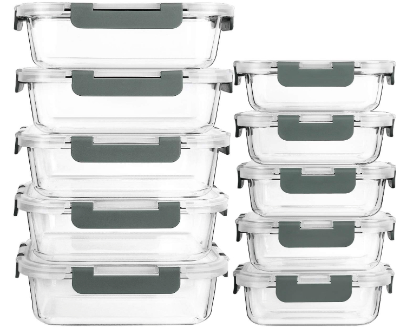
MCIRCO glass meal prep containers swap plastic for glass. This 10-pack includes containers and snap-locking lids. Each container is made from borosilicate glass, which is extra strong and temperature-resistant. The snap-locking lids create airtight seals. These containers work for storage, freezing, and reheating without any concern about plastic degrading or off-gassing.
Best Use Cases for This Product
Glass containers are perfect for people who want zero plastic in their food storage. They work beautifully for freezing soups, stews, and sauces. Reheating is simple because you can pop the whole thing in the oven. People with sensitivities to plastic or concerned about chemical leaching choose glass. They’re ideal for long-term freezing because glass doesn’t degrade. Restaurants and meal prep services use glass for premium offerings.
Key Features Explained Simply
Borosilicate glass construction. This special glass is tough and temperature-resistant. It won’t crack when you go from freezer to oven. It won’t shatter from sudden temperature changes like regular glass.
Snap-locking lids. The lids lock down with a satisfying snap. They create airtight seals that keep food fresh. You can hear and feel when they’re secured properly.
10-pack quantity. Ten containers with matching lids gives you good quantity without excessive bulk.
Microwave, oven, and freezer safe. Freeze them solid. Bake them in the oven. Microwave reheat them. Pop them on the stovetop in a pinch. Glass handles all heat sources.
Airtight design. The sealed lids create true airtight storage. That means food stays fresh longer and develops less freezer burn.
Real-Life Usage Insight
Using glass containers feels better to many people. There’s no plastic taste or smell. The glass maintains clarity so you can always see what’s inside. When you reheat, glass distributes heat evenly. You don’t worry about plastic leaching chemicals when the food gets hot.
The honest reality is that glass is heavier. Each container weighs more than plastic options. If your freezer has limited space, the weight adds up. But many people prefer glass enough that the extra weight doesn’t bother them.
These containers stand out for long-term freezing. After weeks in the freezer, glass looks exactly the same. Plastic containers might show cloudiness or slight degradation. Glass just stays pristine.
Honest Pros and Cons
Pros:
- Borosilicate glass is durable and temperature-safe
- No plastic concerns or potential chemical leaching
- Airtight lids create excellent seals
- Containers maintain clarity over time
- Oven-safe for reheating
- Can see contents easily
- Glass handles all temperatures without issues
- Lasts for years without degradation
- Snap-locking lids are secure and satisfying
- Dishwasher safe
Cons:
- Glass is significantly heavier than plastic
- Takes up more freezer space due to weight and bulk
- More expensive than plastic options
- Can break if dropped or banged together
- Lids are plastic, creating a mixed material situation
- Takes longer to freeze due to glass thickness
- Not ideal for very small spaces
- Replacement lids can be pricey
- Overkill if you just need basic freezing
Performance Discussion
Glass containers perform beautifully for freezing. They maintain structural integrity through countless freeze-thaw cycles. The airtight lids work year after year. Food stays fresher longer in glass because seals remain effective.
Reheating performance is where glass shines. Pop a glass container directly from freezer to oven. Heat distributes evenly. No plastic concerns during cooking. The whole experience feels more premium.
The performance issue is durability of the lids. After many cycles, plastic lids can crack or lose their snap. The glass lasts forever, but the lids might need replacing eventually.
Ease of Use
These containers are simple to use. Fill them. Snap the lids down. Freeze. Thaw. Reheat. The snap-locking mechanism is intuitive. You feel when they’re properly sealed. No confusion about whether they’re closed.
The extra consideration is weight. Heavy containers take a bit more effort to move around. Stacking multiple containers in the freezer requires some care to avoid dropping them.
Value for Money
Glass containers cost more than plastic. The price per container is higher. You’re paying a premium for glass, durability, and the experience of using them.
Whether that premium is worth it depends on your priorities. If you want the absolute safest food storage and plan to keep these containers for years, glass is worth it. If you’re budget-conscious and just need basic freezing, plastic offers better value.
For people committed to plastic-free living or very concerned about chemical exposure, glass provides peace of mind that justifies the cost.
Rubbermaid Brilliance Glass Food Storage Containers
Product Description and Purpose
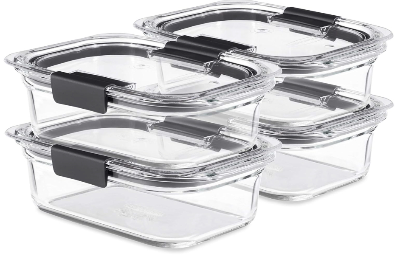
Rubbermaid Brilliance is a classic glass storage line with a reputation built over decades. This set of four containers holds 3.2 cups each. The glass is clear and durable. Lids are plastic and designed to seal properly. These containers represent the middle ground between basic storage and premium options.
Best Use Cases for This Product
These containers work great for general food storage. Freeze leftovers, soups, or prepped ingredients. Store in the fridge. Pop in the microwave. They handle everything adequately. People who want glass without paying top dollar choose Rubbermaid. Families storing various types of food benefit from the variety a mixed set provides. The 3.2-cup size is good for complete meals or large side portions.
Key Features Explained Simply
Clear glass construction. You see exactly what’s inside without opening. The glass is thick enough to handle temperature changes without cracking. It won’t yellow or degrade over time.
3.2-cup capacity. Each container holds a generous portion. Perfect for complete meals or multiple servings of sides. Not too big, not too small.
Leak-proof lids. The plastic lids seal securely. They prevent spills in the freezer. They’re designed to work well with frozen contents expanding slightly.
BPA-free materials. The plastic lids are made without BPA. Safe for freezing and reheating.
Microwave, freezer, and dishwasher safe. Freeze them. Microwave reheat them. Toss everything in the dishwasher. They handle standard kitchen appliances.
Set of four. You get four containers total. Enough for a small family or a few meals for one person.
Real-Life Usage Insight
Day-to-day, these containers just work. They’re not exciting. They’re not fancy. But they’re reliable. Fill them. Freeze them. Thaw them. Reheat them. Year after year, they perform the same.
The clarity of the glass is genuinely useful. Glancing at your freezer, you know what’s in each container without opening. That saves time and prevents unnecessary thawing.
The honest assessment is that these are solid, unspectacular containers. They do their job. Nothing more. Nothing less. That’s actually perfect for people who just want freezer storage without overthinking it.
Honest Pros and Cons
Pros:
- Reliable performance over many years
- Clear glass lets you see contents
- Leak-proof lids work well when sealed
- Handles freezing without cracking
- Microwave safe for reheating
- BPA-free plastic lids
- Dishwasher safe
- Durable and long-lasting
- Good 3.2-cup capacity
- Affordable for quality glass
Cons:
- Set of four is limited quantity
- Glass is heavy
- Lids are plastic, not glass
- Can develop mineral deposits or cloudiness
- Replacement lids can be hard to find
- Not the most attractive design
- Plastic lids can degrade after years
- Not as premium as some glass options
- Takes up considerable freezer space
Performance Discussion
Rubbermaid Brilliance performs consistently. Freezing and thawing work reliably. Microwave reheating is straightforward. These containers survive hundreds of use cycles without breaking. The glass maintains its structural integrity.
The performance question is the plastic lids. After several years of repeated freezing and heating, the plastic can become less flexible. Seals might loosen slightly. But for years of use, performance is solid.
Ease of Use
Simple to use. No complicated steps. Fill, freeze, thaw, reheat. The lids snap down easily. No special technique required. Anyone can operate these containers on day one.
The main consideration is handling. Glass containers are heavier than plastic. Moving them around requires a bit of care to avoid dropping.
Value for Money
At a mid-range price point, these containers offer good value. You’re paying for proven brand reliability and glass construction. The price per container is lower than premium glass options but higher than basic plastic.
For families who want glass durability without premium pricing, this is a solid choice. You get decent quantity with good performance.
Comparison Insights: What Sets Each Product Apart
Let’s step back and compare these five options. Each serves a different purpose. Each has different strengths.
For liquid portions: The silicone freezer trays win. If you’re freezing soups, broths, stocks, or sauces, these specialized trays excel. Nothing else pops portions out as easily.
For serious meal prep: Bentgo Prep and Dealusy containers both work well. Bentgo is durable and premium. Dealusy offers bulk quantity at lower cost. Pick based on your budget and how many meals you need.
For plastic-free storage: Glass containers from MCIRCO and Rubbermaid are your best options. MCIRCO is more premium. Rubbermaid is more accessible. Both freeze food reliably.
For pure volume on budget: The 50-pack Dealusy option is unbeatable. You’re not getting the most premium experience, but you’re getting fifty containers for a fraction of what other options cost.
For a balanced approach: Bentgo Prep containers hit a sweet spot. Good quality. Reasonable quantity. Proven durability. They don’t excel in any one area, but they’re solid across the board.
The real comparison question isn’t which is best. It’s which is best for your situation. A busy mom meal prepping for five kids needs different containers than a single person batch cooking soups.
Buying Guide: How to Pick the Right Freezer Container
Your choice depends on several factors. Let’s break them down.
Volume Needs
How much food are you freezing? If you meal prep one week of lunches, you need fewer containers than someone meal prepping a month. Start by counting how many meals you typically freeze at once. Pick a container quantity that matches that number.
Type of Food
What are you freezing? Liquids, solids, or both? Soups and sauces work in trays or any sealed container. Solid foods like proteins or rice go in any basic container. Mixed meals with components need adequate space. Think about what you actually freeze most often.
Freezer Space
How much room do you have? Glass containers take up more space than plastic due to weight and thickness. Bulk packs like the 50-piece might not fit if your freezer is small. Measure your available space before committing.
Budget
What’s your comfortable price range? Silicone trays and bulk plastic options are budget-friendly. Bentgo Prep is mid-range. Glass containers cost more. Determine your budget first, then look at options within that range.
Durability Priorities
How long do you want your containers to last? Expecting five years of heavy use? Glass and quality plastic are your friends. Plan to replace every few years? Bulk plastic works fine.
Convenience Features
Do you care about seeing contents easily? Glass is clearer. Do you prefer lightweight containers? Plastic wins. Do you want maximum stackability? Some plastic options stack better than others. Identify your convenience priorities.
Sustainability
Are you concerned about plastic use? Glass or silicone last decades and reduce waste. Bulk plastic can last longer too because you’re using fewer containers overall. Identify what matters to your environmental priorities.
Who Should Buy These Products
Buy silicone freezing trays if:
- You regularly freeze soups, broths, or stocks
- You want portion-controlled cubes
- You want easy pop-out portions
- You’re doing batch cooking of liquid foods
Buy Bentgo Prep containers if:
- You’re serious about meal prep
- You value durability and reliability
- You have space and budget for quality containers
- You prep complete meals
Buy Dealusy bulk containers if:
- You need maximum quantity affordably
- You freeze dozens of meals regularly
- You’re starting a meal prep business
- Budget is your primary concern
Buy glass containers from MCIRCO if:
- You want to eliminate plastic from your kitchen
- You’re freezing for long-term storage
- You want premium performance
- You plan to keep containers for years
Buy Rubbermaid Brilliance if:
- You want glass without premium pricing
- You need basic freezer storage
- You value brand reliability
- You prefer transparency and simplicity
Common Mistakes to Avoid When Freezing Food
Learning from others’ mistakes saves you headaches. Here are the most common problems people run into.
Overfilling containers. Food expands when frozen. If you fill containers to the brim, you’ll have lids popping off and food exploding everywhere. Leave an inch or two of space at the top. This prevents disasters.
Not labeling anything. Open your freezer in three months and have mystery containers. You can’t remember what’s in them. Label everything with contents and date. Use waterproof markers or freezer tape. This prevents wasted food when things go bad unnoticed.
Mixing containers randomly. Using whatever container you find creates problems. Hot food in cold containers causes condensation inside. Glass against plastic can cause freezing issues. Use consistently the same type of container for the same types of food.
Putting hot food directly in the freezer. This temperature shock can cause uneven freezing and quality loss. Cool food to room temperature first. Then freeze. This prevents bacterial growth risks and gives better texture.
Stacking containers unevenly. Lopsided stacks can crack containers or pop lids. Stack carefully and evenly. Don’t load weight haphazardly. Take thirty seconds to stack properly.
Ignoring freezer burn. That white coating on frozen food is freezer burn. It doesn’t mean food is bad, but it means quality is degrading. Use containers that seal properly. Reduce air exposure. This prevents unnecessary freezer burn.
Overheating in the microwave. Plastic containers warp when overheated. Glass can develop hot spots. Use medium microwave power. Heat slowly. Stir occasionally. This prevents damage to containers and uneven heating.
Storing incorrectly between uses. Containers that aren’t sealed properly between uses develop odors and degradation. Store with lids on securely. Keep away from direct freezer ice. Proper storage extends container life.
Individual Product Pros and Cons Summary
Let’s quickly recap each product’s strongest points and weaknesses.
Silicone Freezer Trays:
- Great for: Soups, broths, sauces, and portioned liquids
- Watch out for: Not suitable for solid foods
- Real value: Perfect portions without ice cube tray limitations
Bentgo Prep:
- Great for: Complete meal prep with serious quality
- Watch out for: Higher price point
- Real value: Durability justifies the investment
Dealusy Bulk Containers:
- Great for: Maximum quantity on a budget
- Watch out for: Basic quality and utilitarian design
- Real value: Unbeatable cost per container
MCIRCO Glass Containers:
- Great for: Plastic-free storage and premium experience
- Watch out for: Weight and higher cost
- Real value: Glass durability lasts decades
Rubbermaid Brilliance:
- Great for: Reliable glass storage at reasonable cost
- Watch out for: Limited quantity in set
- Real value: Brand reliability without premium pricing
Final Verdict: Your Freezer Storage Solution
After reviewing all these options, here’s the honest truth. There’s no single best container for freezing food. The best choice depends on your specific situation.
If you freeze soup and broths regularly, grab the silicone freezing trays. They’re specialized, affordable, and perfect for their job. You’ll use them constantly.
If you’re committed to meal prep and willing to invest in quality, Bentgo Prep containers are worth every penny. They’ll serve you for years without complaint.
If you’re on a tight budget and need massive quantity, Dealusy containers deliver. You won’t regret stocking up on fifty.
If plastic bothers you and you want containers that last forever, either glass option works. MCIRCO is more premium. Rubbermaid is more accessible. Both freeze food beautifully.
The real strategy is matching the container to your actual freezing habits. Don’t overthink it. Pick the option that fits your situation, your budget, and your priorities. Then commit to using it consistently.
Freezer storage is one of those kitchen decisions that impacts your life more than you’d expect. The right containers make meal prep enjoyable. They prevent waste. They save money over time. They make freezer organization possible instead of chaotic.
Start with one option. See how it works for you. If you love it, stick with it. If you want something different, try another. Most people end up with a combination of different containers anyway. That’s perfectly fine. Different tools for different jobs is practical, not complicated.
Your freezer will thank you. Your schedule will thank you. Your wallet will thank you. That’s the real benefit of finding the best container for freezing food. It’s not about the container itself. It’s about making meal prep and batch cooking so easy that you actually do it consistently. And that changes how you eat for the better.
Start freezing with confidence. Pick your container. Fill it up. Enjoy having prepared meals ready when you need them. That’s the whole point.

Hi, I’m Mary, the founder of KitchenClue.com. I’m deeply passionate about everything that makes a kitchen smarter, easier, and more enjoyable. I share hands-on insights and practical expertise on kitchen gear that truly helps in daily cooking. Along with my dedicated research team, we study products carefully, and our writers create honest, well-tested reviews using trusted, authentic sources—so you can choose kitchen tools with total confidence.
2 Comments