Can You Vacuum Seal A Ziploc Bag: 2026 Guide & Safety
Yes, but results vary, and not all Ziploc bags vacuum-seal well.
If you’ve ever wondered can you vacuum seal a Ziploc bag, you’re in the right place. I test food storage methods for meal prep, sous vide, and bulk buying. In this guide, I’ll explain what works, what fails, and how to do it safely. You’ll get clear steps, real examples, and pro tips to help you make smart calls at home.

Can You Vacuum Seal a Ziploc Bag? What “vacuum” really means
Vacuum sealing removes air, slows oxidation, and helps keep food fresh. True vacuum seal bags are multi‑layer and have a low oxygen transmission rate. Regular Ziploc bags are single‑layer polyethylene. They are good for short storage, but they are more air‑permeable over time.
So, can you vacuum seal a Ziploc bag? Yes, in a pinch, you can remove most air and get a near‑vacuum. This helps reduce freezer burn and saves space. But it is not a perfect, long‑term seal. For weeks, it’s fine. For months, quality drops faster than with real vacuum bags.
If you ask, can you vacuum seal a Ziploc bag at home and trust it like pro bags, the answer is no. It works for short and mid‑term uses, but not for long storage or high‑heat sous vide.

When it works and when it doesn’t
The big question many people ask is can you vacuum seal a Ziploc bag for freezer storage? You can, but pick the right tasks and the right bag grade.
Best use cases:
- Short‑term freezing of meats and veggies saves space and cuts frost.
- Marinating under slight vacuum speeds flavor pull.
- Sous vide at lower temps and shorter times can work with freezer‑grade bags.
- Travel and camping save space in coolers and keep smells contained.
Not ideal cases:
- Long‑term storage over 2–3 months loses quality faster than real vacuum bags.
- Sharp bones or shells can pierce thin plastic.
- Hot or fatty liquids can leak, warp, or break the seal.
- High‑heat sous vide or long cooks need proper vacuum sealer bags.
Choose the right Ziploc type:
- Freezer‑grade bags are thicker and hold a seal better.
- Double‑zip bags seal better than slider bags.
- Sandwich bags are too thin for vacuum‑style use.

Safe ways to vacuum seal a Ziploc bag at home
Many people wonder, can you vacuum seal a Ziploc bag without a machine? Yes. Here are the best DIY methods I use in the kitchen.
Water displacement method:
- Fill a bowl or sink with cold water.
- Place food in a freezer Ziploc and zip most of the way.
- Lower the bag into water so pressure pushes air out, then close fully.
- Dry the outside and check the corners for leaks.
Straw method:
- Place food in the bag and close until only a small gap remains.
- Insert a clean straw, suck out air, and pull the straw as you finish sealing.
- Use for small items and quick jobs.
Handheld pump bags:
- Some brands sell Ziploc‑style bags with a one‑way valve.
- Use the matching hand pump to remove air. This gives a better, more stable result.
External vacuum sealer tips:
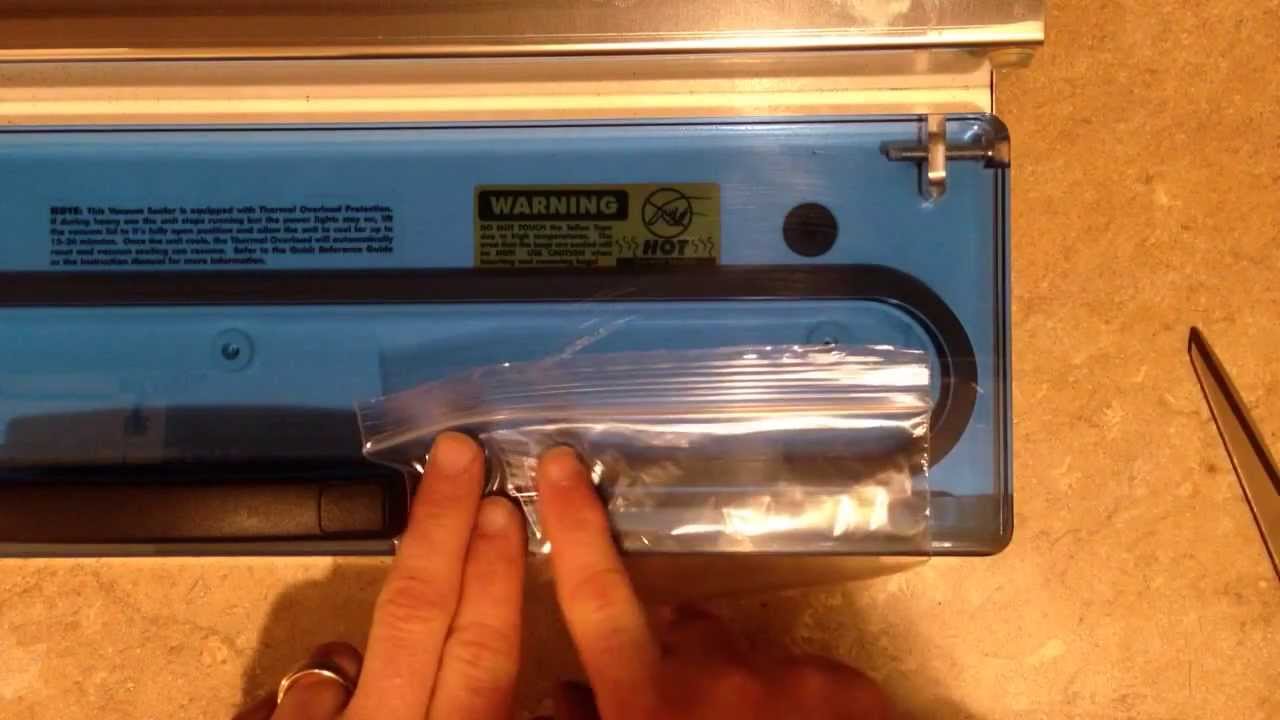
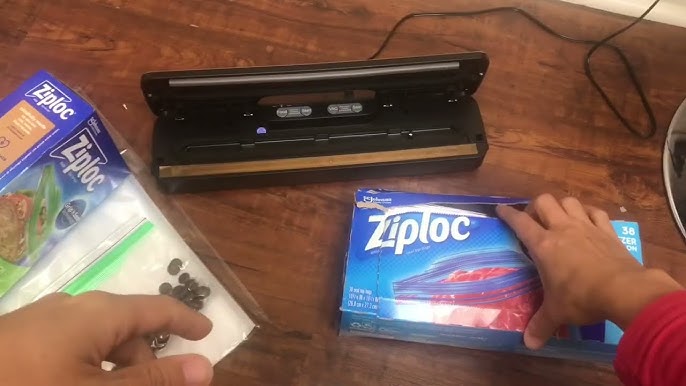
- Most edge sealers need textured vacuum rolls, not Ziploc zipper bags.
- You can place a Ziploc inside a vacuum sealer bag and seal the outer bag. It works, but it wastes material.
Before you start, ask yourself: can you vacuum seal a Ziploc bag with liquids? You can, but pre‑freeze liquids in a tray first. Or add a paper towel “dam” near the seal to catch juices. Keep raw meat cold as you work. Label with date and contents.

Food safety and quality: what you must know
Vacuum or near‑vacuum does not replace safe temperatures. Food safety guidance says keep cold foods at 40°F or below and hot foods at 140°F or above. Anaerobic conditions can let harmful bacteria grow if foods sit in the danger zone.
Many cooks ask, can you vacuum seal a Ziploc bag for sous vide? Freezer‑grade bags can handle many sous vide cooks, but long, high‑heat jobs raise risk of leaks. For cooks above about 158°F or lasting many hours, use real vacuum sealer bags rated for heat.
Smart safety habits:
- Chill food before sealing and work fast.
- For raw meat, freeze or refrigerate right away.
- Don’t store vacuum‑packed food at room temp.
- Date your bags and use FIFO: first in, first out.
Shelf life guidance:
- In my tests, a near‑vacuum Ziploc cuts freezer burn for 1–3 months.
- True vacuum bags keep quality longer, often 6–12 months, depending on the food.
- Fatty fish and ground meat are more sensitive than solid cuts.
Pros, cons, and real‑world examples
People often ask, can you vacuum seal a Ziploc bag for long‑term storage? You can try, but the trade‑offs matter. Here’s what I’ve learned after many batches of chicken, steaks, and berries.
Pros:
- Easy and cheap for short‑term storage.
- Great for meal prep and space saving.
- Fast for marinating and last‑minute sous vide.
Cons:
- Not as airtight over time as vacuum rolls.
- Seals can open with liquids, bones, or slider zips.
- More prone to air seep on corners and folds.
From my kitchen:
- Berries: I use the water method, then freeze flat. Texture holds for weeks.
- Steaks: Fine for quick sous vide at 129°F for 1–2 hours. I switch to real bags for 24‑hour cooks.
- Chicken wings: I once skipped pre‑freezing the marinade. The bag leaked and my freezer smelled like garlic for days. Lesson learned.
So, can you vacuum seal a Ziploc bag for everyday tasks? Yes, and it works well when you respect its limits.

Cost, sustainability, and best alternatives
If you meal prep often, price and waste add up. Here’s how I decide whether to buy rolls or stick with zip bags.
Cost notes:
- Ziploc freezer bags are cheap per unit, good for short storage.
- Vacuum rolls cost more but protect better and reduce food waste.
- Reusing clean bags saves money, but be careful with raw meat bags.
Greener choices:
- Reusable silicone bags can handle water displacement. They are thicker and last longer.
- Mason jars with a vacuum jar sealer attachment are great for coffee, nuts, and grains.
- Rigid vacuum canisters are perfect for soups and saucy leftovers.
So, can you vacuum seal a Ziploc bag or invest in a vacuum sealer? If you store food long term, a real sealer pays off. If you prep short term, Ziploc plus good technique is enough.

Troubleshooting and common mistakes
Many readers ask, can you vacuum seal a Ziploc bag if the seal keeps popping? Yes, but fix the cause first. These tips solve the most common issues.
Common problems and fixes:
- Leaks from corners: Smooth out folds. Press the zipper line hard. Double‑seal the zip if needed.
- Liquid creep: Pre‑freeze wet foods. Use a paper towel strip near the top as a dam.
- Seal won’t hold: Switch to freezer‑grade, not slider bags. Wipe the zipper dry before closing.
- Odor and stains: Use thicker bags for spicy or oily foods. Store strong smells in a second bag or canister.
If you still wonder can you vacuum seal a Ziploc bag for messy foods, use a tray to freeze first. Then seal once solids are firm.

Frequently Asked Questions of can you vacuum seal a ziploc bag
Is it safe to use Ziploc bags for sous vide?
Freezer‑grade bags can work for shorter, lower‑temperature sous vide. For long cooks or high heat, use heat‑rated vacuum sealer bags.
How long does food last if I vacuum seal with a Ziploc?
Quality is good for weeks and often up to a couple of months. For multi‑month storage, true vacuum bags keep flavor and texture longer.
Can I use my FoodSaver with a regular Ziploc bag?
Most edge sealers need textured vacuum bags to draw air and seal. Use proper rolls, or use a jar or canister attachment for Ziploc‑packed foods.
Will this stop freezer burn completely?
It reduces freezer burn but may not stop it over long periods. Air can seep in through the zipper and plastic over time.
Are Ziploc bags BPA‑free and food‑safe?
Most name‑brand bags are BPA‑free and made for food contact. Follow the maker’s heat and use guidelines for safety.
Can I vacuum seal liquids in a Ziploc?
Yes, but pre‑freeze liquids or chill them very cold to avoid leaks. Keep the seal line dry and consider a towel dam.
Can I reuse Ziploc bags after vacuum sealing?
Yes for dry foods if the bag is clean and intact. Do not reuse bags that held raw meat or strong odors.
Conclusion
You asked, can you vacuum seal a Ziploc bag, and the answer is yes—with smart limits. For quick freezing, marinating, and short sous vide cooks, it’s a handy trick. For long storage and high‑heat jobs, step up to true vacuum bags for better safety and quality.
Try the water displacement method this week on something simple, like chicken breasts or berries. Label, date, and notice the space you save. If you want more kitchen tests and step‑by‑step gear tips, subscribe and drop your questions in the comments.

Hi, I’m Mary, the founder of KitchenClue.com. I’m deeply passionate about everything that makes a kitchen smarter, easier, and more enjoyable. I share hands-on insights and practical expertise on kitchen gear that truly helps in daily cooking. Along with my dedicated research team, we study products carefully, and our writers create honest, well-tested reviews using trusted, authentic sources—so you can choose kitchen tools with total confidence.