Can A Stainless Steel Pot Go In The Oven: Safe Use Guide
Yes, many stainless steel pots are oven-safe, but check handles and lids first.
If you’ve ever wondered can a stainless steel pot go in the oven, you’re not alone. I’ve cooked with stainless steel for years in home and pro-style kitchens, and I’ll walk you through exactly when it’s safe, what to check, and how to get the best results without warping, melting parts, or cracked lids. By the end, you’ll know with confidence when can a stainless steel pot go in the oven and how to use it like a pro.

Is stainless steel actually oven-safe?
Most uncoated stainless steel pots are oven-safe. The steel itself can handle high heat. The real issue is the parts attached to the pot. That means handles, knobs, and lids.
Common oven ratings from cookware makers sit around 500°F. Some go to 600°F. Glass lids and plastic parts lower that number. So can a stainless steel pot go in the oven? Yes, if all parts are rated for the heat you plan to use.
Why stainless does well:
- It does not react with acidic foods.
- It has strong structure under heat.
- It spreads heat evenly when bonded with aluminum or copper cores.
Watch-outs:
- Thin, single-ply pots can warp at high heat.
- Rapid temperature changes can cause stress and discoloration.
To be safe, match your oven temp to the lowest-rated part of the pot. If your glass lid tops out at 400°F, keep the whole setup under 400°F.

What to check before you bake
Before you ask again can a stainless steel pot go in the oven, scan your pot. One part can make or break oven safety.
Look for:
- Handle material. Metal handles are best. Silicone covers often rate to about 400–428°F. Plastic or Bakelite can soften around 350°F or lower.
- Lid type. Tempered glass lids are commonly rated 350–400°F. Metal lids usually match the pot rating.
- Nonstick coatings. Some stainless pots have a hybrid or nonstick interior. Many coatings top out at 400–450°F.
- Bottom construction. Tri-ply or multi-ply bases resist warping better than thin, single-ply steel.
- Labels and manuals. Check the bottom stamp, the manual, or the maker’s site for the oven-safe temperature.
If any part lacks an oven rating, assume it can’t go in hot. Or remove that part before baking if possible.
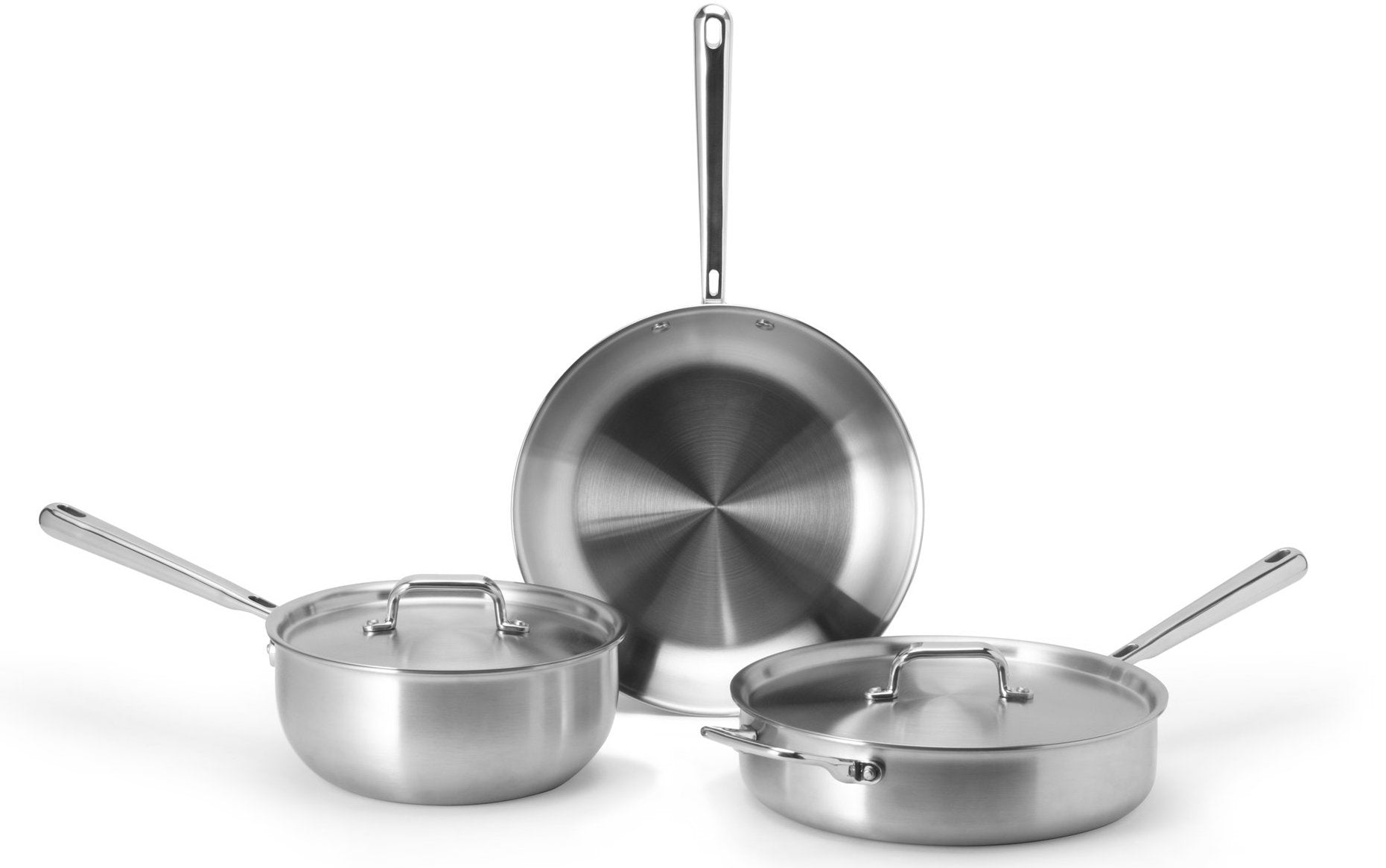
Temperature limits and best practices
Can a stainless steel pot go in the oven at 500°F? Often yes, but confirm. The weak link sets your limit. Use these general ranges as a guide, then verify:
Typical ranges:
- Fully stainless pot with metal handles: up to 500–600°F.
- Silicone-wrapped handles: up to about 400–428°F.
- Tempered glass lids: about 350–400°F.
- Plastic or Bakelite knobs: about 300–350°F.
Best practices:
- Preheat the oven so heat rises evenly.
- Do not slide a cold pot into a very hot oven. Bring it to room temp first.
- Avoid broilers unless the pot and parts are broiler-safe. Many are not.
- Add a little liquid for long bakes to reduce scorching.
- Use dry towels or mitts. Metal handles get very hot.
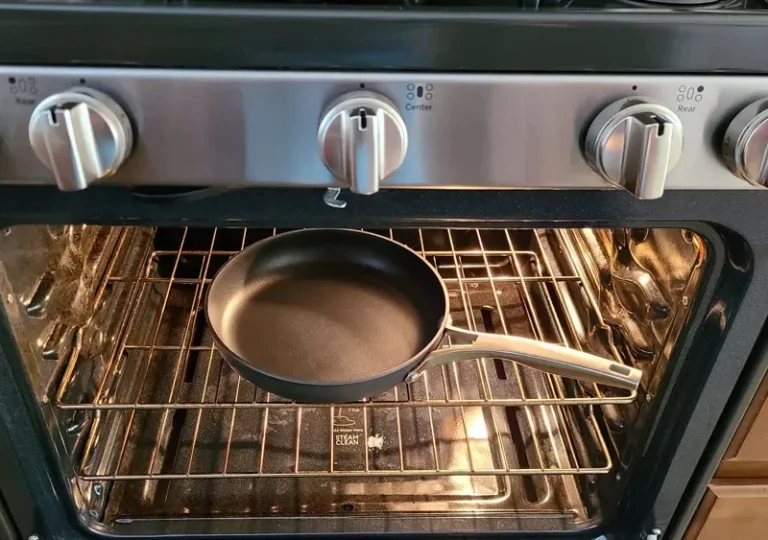
- Place the pot on the middle rack for even heat.
Mistakes to avoid:
- Do not heat an empty pot at high temps. It can discolor or warp.
- Do not move a screaming-hot pot into a sink of cold water. That shock can cause damage.
- Do not exceed the lowest-rated part’s limit.

How to use a stainless steel pot in the oven step-by-step
Follow this easy flow the next time you think, can a stainless steel pot go in the oven for my recipe?
Steps:
- Confirm the oven-safe rating of the pot, handles, and lid.
- If the lid has a lower limit, use a metal lid or heavy foil instead.
- Sear on the stove if your recipe needs browning. Then transfer to the oven.
- Preheat the oven. Place the pot on the center rack.
- Bake within the rated temperature. Avoid the broiler unless approved.
- When done, set the pot on a trivet. Let it rest a bit before deglazing.
- Deglaze with stock or wine to lift fond and build a sauce.
- Clean with warm soapy water. For rainbow tints, a vinegar rinse helps.
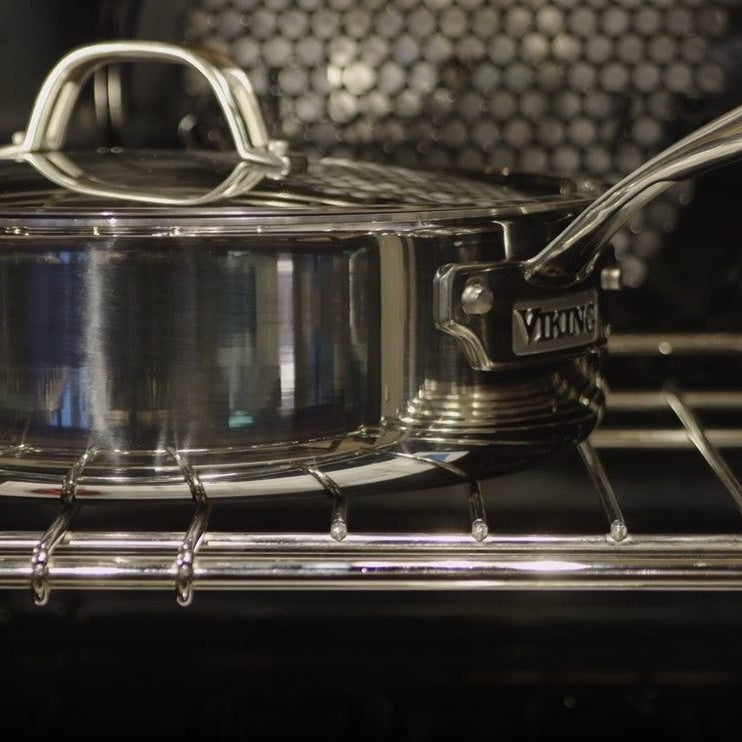
Benefits and best use cases
Why choose stainless in the oven? It is tough, steady, and clean-tasting. It shines in dishes that start on the stove and finish in the oven.
Great uses:
- Braises and stews that need a sear first.
- Baked pasta with a crisp top.
- Roasts with pan gravy made from fond.
- Acidic dishes like tomato braises or wine-based sauces.
What you get:
- Even heating with cladded bases.
- Safe use with acidic foods.
- Easy cleanup and long life with simple care.
If you ask can a stainless steel pot go in the oven for your weeknight braise, the answer is usually yes, and it delivers rich flavor and tender results.

Limitations, risks, and when not to do it
Stainless is strong, but not magic. It has limits.
Know the risks:
- Warping in thin pots at high heat.
- Rainbow discoloration from heat stress. A mild acid rinse can fix it.
- Pitting if salt sits on a hot dry surface. Add salt to liquid, not a dry pot.
- Melted handles or knobs if you exceed ratings.
- Cracked glass lids under broilers or very high heat.
Avoid:
- The self-clean cycle. It’s too hot for cookware.
- Shocking a hot pot with cold water.
- Leaving it empty under a broiler.
If you wonder can a stainless steel pot go in the oven for broiling steaks, use a broiler-safe pan instead.

Real-world notes from my kitchen
I use tri-ply stainless daily. My go-to 5-quart pot lives on the stove and in the oven. I often sear short ribs, add aromatics, cover with foil, and finish at 325°F. The pot handles it without fuss.
I once tested a pot with silicone handle sleeves at 450°F. The sleeves turned tacky. Lesson learned: the lowest-rated part rules the day. I’ve also cracked a glass lid under a broiler years ago. Since then, I stick to metal lids or foil for high heat.
For cleanup, a splash of hot water and a wood scraper lifts fond. Rainbow tints fade with a little vinegar or a gentle stainless cleanser. When friends ask can a stainless steel pot go in the oven for a one-pot pasta bake, I say yes, but mind the handles and skip the glass lid.

Alternatives and oven-safe substitutions
If your setup is not rated for the heat you need, swap tools.
Good stand-ins:
- Enameled cast iron Dutch oven for braises and bread.
- Carbon steel for high-heat roasting.
- Hard-anodized aluminum with metal handles for casseroles.
- A stainless roasting pan for larger cuts and sheet-pan meals.
These options cover broilers and high heat better in many cases. If you still ask can a stainless steel pot go in the oven for broiler work, use a broiler-rated pan instead.

Frequently Asked Questions of can a stainless steel pot go in the oven
Can all stainless steel pots go in the oven?
No. The steel can, but parts may not. Check the ratings for handles, knobs, and lids before baking.
Can a stainless steel pot go in the oven with a glass lid?
Often up to 350–400°F. Do not use glass lids under a broiler or above their rated limit.
Can a stainless steel pot go in the oven at 500°F?
Many can if they have metal handles and no coating or glass. Verify the exact rating from the maker first.
Is it safe to put a stainless steel pot under the broiler?
Usually no unless it is clearly broiler-safe. Handles, knobs, and thin lids can fail fast under direct flame.
Will a stainless steel pot warp in the oven?
Thin pots can warp at high heat or with thermal shock. Choose multi-ply pots and avoid sudden temperature changes.
Can a stainless steel pot go in the oven for sourdough or high-heat bread?
Use an enameled cast iron Dutch oven instead. Most stainless pots and lids are not ideal for very high, enclosed heat.
How do I remove rainbow stains after oven use?
Rinse with warm water and wipe with a vinegar solution. A gentle stainless cleanser also works well.
Conclusion
Can a stainless steel pot go in the oven? Yes, when all parts are oven-rated and you respect the lowest limit. Stick to steady heat, avoid shocks, and skip the broiler unless approved. You will get great browning, clean flavors, and easy one-pot meals.
Grab your pot, check the rating, and try a simple stovetop-to-oven braise tonight. Have questions or a favorite recipe? Leave a comment and subscribe for more smart, kitchen-tested guides.

Hi, I’m Mary, the founder of KitchenClue.com. I’m deeply passionate about everything that makes a kitchen smarter, easier, and more enjoyable. I share hands-on insights and practical expertise on kitchen gear that truly helps in daily cooking. Along with my dedicated research team, we study products carefully, and our writers create honest, well-tested reviews using trusted, authentic sources—so you can choose kitchen tools with total confidence.