Can You Use Pots And Pans On A Grill: What To Use Safely
Yes, you can use pots and pans on a grill if they’re truly heat-safe.
If you’ve ever wondered whether the backyard grill can double as an outdoor kitchen, you’re in the right place. I’ve tested this many times, from cast-iron skillets on roaring charcoal to stainless saucepans simmering on a gas grill. In this guide, I’ll show you exactly how, when, and why can you use pots and pans on a grill without warping them, ruining food, or risking safety. Expect clear steps, real-world tips, and expert-backed advice that make outdoor cooking easier and more fun.
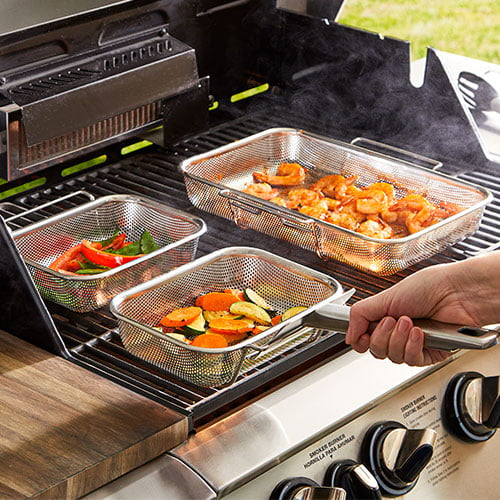
Can you use pots and pans on a grill? How it works
Yes. You can use pots and pans on a grill when they are built for high heat and direct flame. Grills run hotter than most ovens. They heat from below, often unevenly. The key is choosing grill-safe materials and using zones to control heat.
Grills cook with conduction from the grate, convection from hot air, and radiant heat from burners or coals. This affects cookware more than a kitchen stove. That is why the right pan thickness and metal matter. It also explains why recipes may cook faster outside.
Here are fast answers people also ask:
- Will cookware warp on a grill? Thin pans can warp from intense heat. Thicker bases and gradual preheats reduce risk.
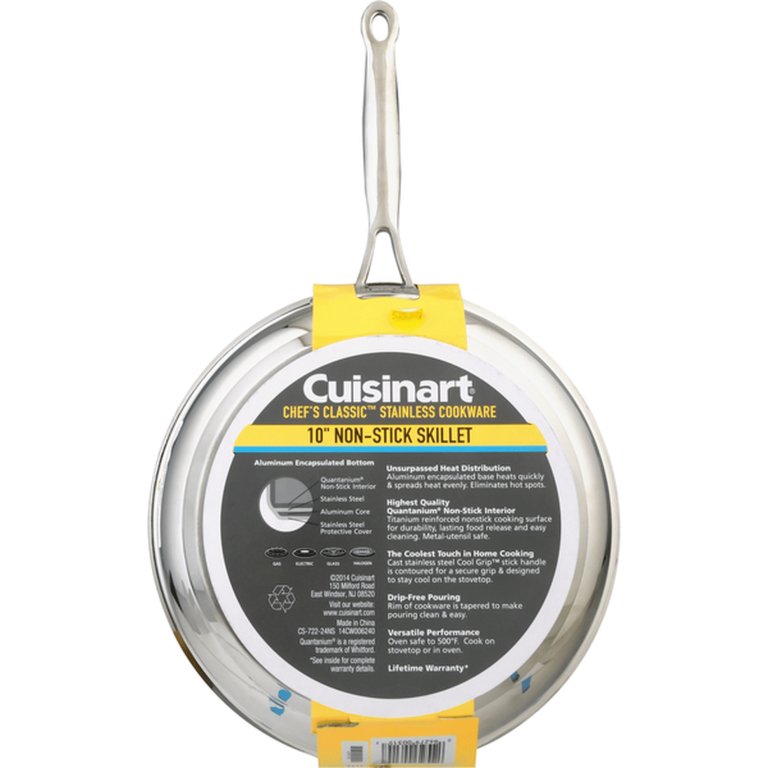
- Will nonstick coatings fail? Most PTFE-based nonstick degrades near 500°F. Grills often exceed that, so avoid it.
- Can you set a pot directly on grates? Yes, if it has metal handles and an oven-safe body. Keep the handle away from flames.
Can you use pots and pans on a grill for sauces and sides? Absolutely. Try simmering beans, reducing glazes, or toasting spices in a small pan while the main cooks. Can you use pots and pans on a grill for searing and baking? Yes. Cast iron excels at steak sears, skillet cornbread, and fruit crisps.

Cookware that works best on the grill
Some materials shine on high heat and uneven surfaces. These are my go-to choices after many weekend cooks.
- Cast iron skillets and Dutch ovens. They hold heat, sear hard, and handle flames. Great for searing, baking, and braising.
- Enameled cast iron. Works well if you preheat gently and avoid empty heating. Ideal for stews and sauces.
- Stainless steel (fully clad or heavy-bottom). Durable, resists rust, and cleans up well. Perfect for sautéing and simmering.
- Carbon steel pans and woks. Heat fast, lighter than cast iron, great for stir-fries. Season them like cast iron.
- Heavy-gauge aluminum with metal handles. Conducts heat well. Use on moderate heat and avoid flare-ups.
- Disposable aluminum pans. Excellent for drip trays, casseroles, and smoking setups. Use indirect heat for best results.
- Paella pans and planchas. Large surface area and shallow sides. Great for shellfish, veggies, and smash burgers.
Can you use pots and pans on a grill if they have silicone or plastic handles? Only if they are removed or rated above your grill temp. When in doubt, stick with all-metal handles.
Personal pick: A 12-inch cast-iron skillet and a 4–6 quart Dutch oven cover 80% of my grill cooking.

Cookware to avoid or use with caution
Not everything belongs over live fire. Skip these or use extreme care.
- Nonstick PTFE coatings. Grills can exceed 500°F fast. High heat can degrade coatings and release fumes.
- Glass or ceramic not rated for stovetop. Thermal shock can shatter them. Most bakeware glass is not grill-safe.
- Thin bargain pans. They warp, scorch, and cook unevenly.
- Wood, plastic, or rubber handles. Many melt or weaken on a hot grill.
- Low-quality enamel coatings. Some chip under intense heat or when knocked on grates.
- Lids with plastic knobs. Replace with metal knobs or remove when temps climb.
Can you use pots and pans on a grill if they are labeled oven-safe? Often yes, but verify temperature limits. Grills can run hotter than listed oven ratings.

Setup and technique: step-by-step
Follow this plan to cook cleanly, safely, and with control.
- Check the rating. Verify your cookware is oven-safe with metal handles.
- Build zones. Set one hot side for searing and one cooler side for simmering.
- Preheat gradually. Warm the pan on the cooler zone first, then move it hotter.
- Oil smart. Add oil after the pan warms to reduce sticking.
- Watch flare-ups. Keep a spray bottle of water for the grates and a lid for oxygen control.
- Stir and rotate. Rotate the pan to even hot spots and stir to prevent scorching.
- Use a trivet trick. A thin baking steel, a small roasting rack, or crumpled-foil coils under the pan diffuse heat.
- Measure heat. An infrared thermometer helps keep surface temps steady.
- Mind handles. Use long mitts. Position handles away from direct flame and traffic.
- Rest and finish. Move to the cool zone to finish gently or rest food.
Can you use pots and pans on a grill for slow cooks? Yes. On a charcoal or pellet grill, set indirect heat at 275–325°F and let soups, beans, and braises hum along with light smoke.

Converting stovetop recipes to the grill
You can turn many indoor dishes into outdoor winners.
- Simmering sauces. Use a small stainless saucepan over the cooler zone. Add smoke by venting the lid.
- Searing protein. Start in a hot cast-iron skillet over direct heat. Finish indirect to target temperature.
- Baking and roasting. Use a lidded grill as an oven. A Dutch oven or covered skillet keeps heat steady.
- Braising. Brown meat first, add liquid, then cover and move indirect. Maintain gentle bubbling.
- Stir-fry. Carbon steel wok on high heat. Preheat well, then cook fast in small batches.
Can you use pots and pans on a grill for desserts? Yes. Skillet cobbler, brownies, and baked apples work great in cast iron.

Real-world tips from my weekend cooks
A few lessons learned from years of grilling with pans:
- I warped a thin aluminum pan by blasting it over a roaring charcoal bed. Since then, I preheat low and use heavy bases.
- A plastic knob on a lid softened at 550°F. I swapped it for a metal knob and never looked back.
- My best sear came from a dry, ripping-hot cast-iron skillet. Pat the steak dry, add oil to the pan, and don’t crowd.
- For sauces, I keep a small stainless pan on the cool side. It catches drips, reduces glaze, and stays stable.
Can you use pots and pans on a grill for weeknight meals? Yes. It speeds things up. Sear mains while sides simmer. You’ll cook cleaner and carry fewer dishes back inside.
Cleaning and maintenance after a grill session
Treat gear right and it lasts for years.
- Cast iron. Wipe out while warm. Scrub with coarse salt if needed. Dry fully and rub a thin coat of oil to season.
- Enameled cast iron. Soak warm, not boiling-hot. Use nonabrasive cleaners. Avoid banging edges on grates.
- Stainless steel. Deglaze while warm. For discoloration, a gentle stainless cleaner or baking soda paste works well.
- Carbon steel. Clean like cast iron. Dry and re-oil. Expect patina to deepen over time.
- Aluminum. Hand-wash. Avoid harsh scouring that removes anodized layers.
Can you use pots and pans on a grill every week and keep them nice? Yes. Clean while warm, avoid thermal shock, and store dry.

Safety, temperature, and science in brief
Grills can spike well above 600°F at the grate. That is why cookware choice matters. PTFE-based nonstick coatings can degrade near 500°F, and glass not rated for stovetop can crack with flame or sudden temperature swings.
Key pointers:
- Go slow on preheats and cool-downs to prevent thermal shock.
- Keep mitts nearby and plan handle positions.
- Confirm oven-safe ratings and stick to all-metal hardware.
- Use indirect heat for liquids to prevent violent boiling.
Can you use pots and pans on a grill in cold weather? Yes. Preheat longer and keep lids closed to hold heat.

Frequently Asked Questions of can you use pots and pans on a grill
What types of pans are safest to use on a grill?
Cast iron, stainless steel, carbon steel, and enameled cast iron are safe bets. They handle high heat and deliver steady results.
Can I use nonstick pans on a grill?
It’s risky. Most nonstick coatings degrade around 500°F, and grills can exceed that quickly.
Do I need to create heat zones for cookware on the grill?
Yes. Zones help you sear on one side and simmer on the other. This protects pans and food from scorching.
Will the pan get smoke flavor into my food?
Yes, especially if the pan is uncovered. Smoke particles circulate in the grill and season sauces, stews, and braises.
Can you use pots and pans on a grill over charcoal and gas?
Yes, for both. Charcoal offers stronger radiant heat and smoke, while gas gives finer control over temperature.
Conclusion
You can turn your grill into a full outdoor kitchen with the right pots and pans. Choose heavy, grill-safe cookware, use smart heat zones, and treat your gear with care. Soon you’ll be searing steaks, simmering sauces, and baking desserts without stepping back inside.
Ready to try it tonight? Pick one durable pan, set up two heat zones, and cook your next meal outside. If this helped, subscribe for more outdoor cooking guides or drop a question in the comments.

Hi, I’m Mary, the founder of KitchenClue.com. I’m deeply passionate about everything that makes a kitchen smarter, easier, and more enjoyable. I share hands-on insights and practical expertise on kitchen gear that truly helps in daily cooking. Along with my dedicated research team, we study products carefully, and our writers create honest, well-tested reviews using trusted, authentic sources—so you can choose kitchen tools with total confidence.