Can I Put A Pot In The Oven: Ultimate Safety Guide 2026
Yes, you can put a pot in the oven if it’s labeled oven-safe and within its temperature limits.
If you have ever wondered can i put a pot in the oven, you are not alone. I test cookware daily and teach home cooks how to move from stovetop to oven with ease. This guide explains what oven-safe really means, which pots can go in the oven, and how to avoid damage. Keep reading to cook better, safer, and with more confidence.
What “oven-safe” actually means
Oven-safe means the whole pot can handle oven heat without damage. That includes the body, handles, lid, knobs, and any coatings or adhesives. One weak part can make the pot fail.
Look for a clear oven-safe mark. It may show a small oven icon and a max temperature. If you see a temp rating, follow it. If you do not see one, check the manual or the maker’s site.
Broiler heat is different. It is direct and very intense. A pot can be oven-safe but not broiler-safe. Nonstick coatings, glass lids, and plastic knobs often fail under a broiler.
Here is the simple test I teach: if you ask yourself can i put a pot in the oven, confirm all parts are rated to the same or higher oven temperature as your recipe. If one part is not, do not put it in.
Which pots can go in the oven
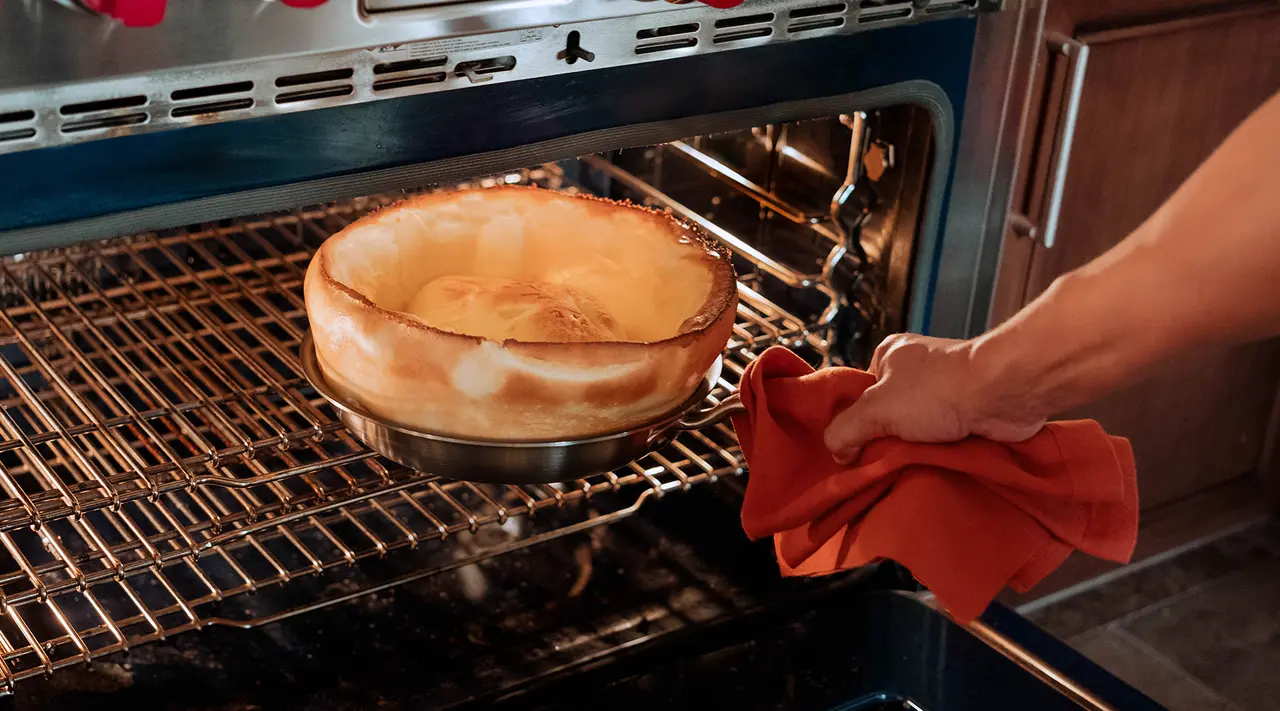
Many common pots are oven-safe. The key is the material and the handle.
- Cast iron. Safe for high heat and broiling. Great for searing and baking.
- Enameled cast iron. Often safe up to 500°F. Check the lid knob rating.
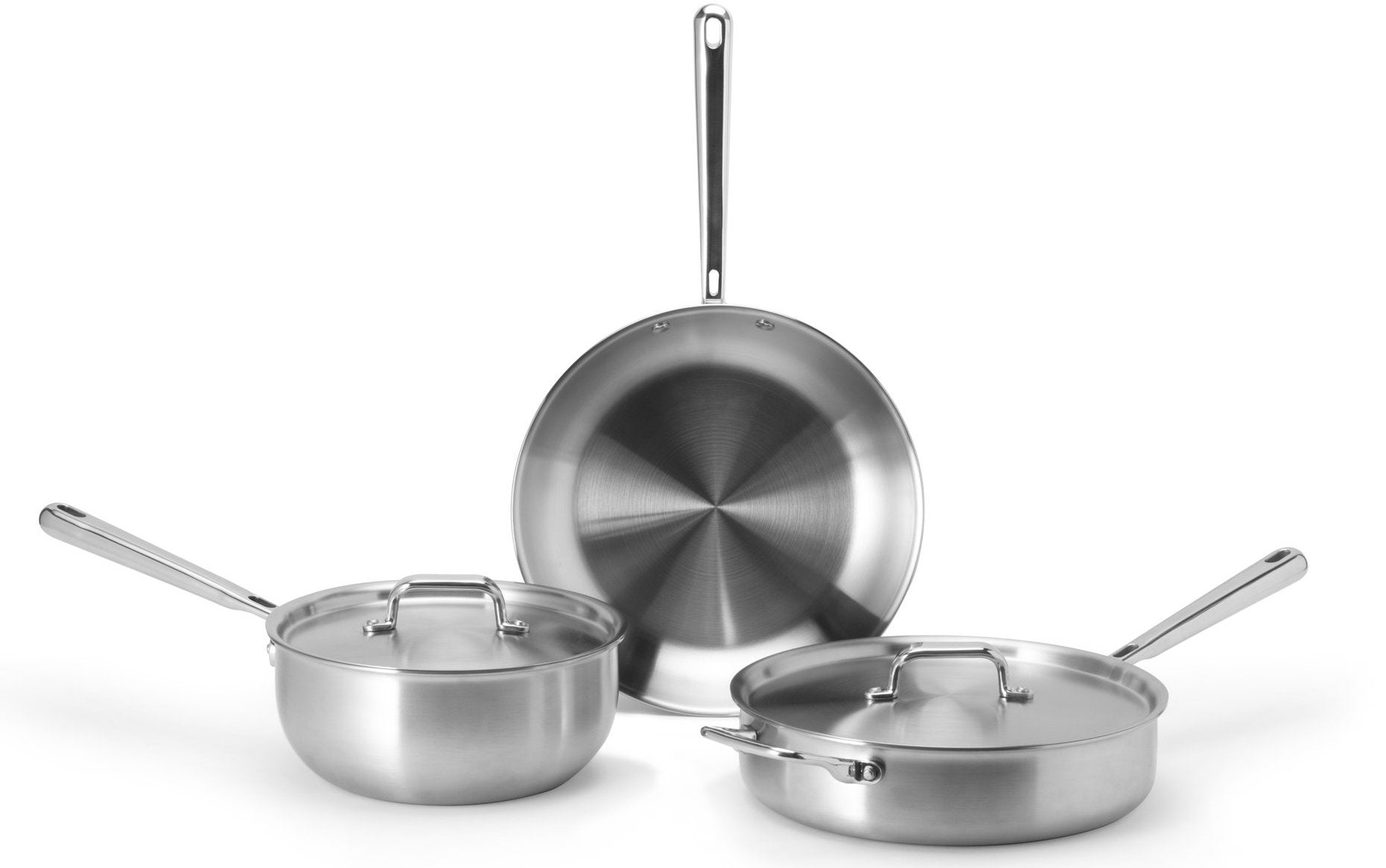
- Stainless steel (fully clad). Safe for most ovens. Heats evenly in the oven.
- Carbon steel. Safe for high heat. Season like cast iron.
- Hard-anodized aluminum. Often oven-safe to 400–500°F. Check the handles.
- Glass-ceramic cookware (like certain amber pots). Oven-safe, but avoid broiling.
- Stoneware and ceramic casseroles. Oven-safe, but not for stovetop searing.
From my kitchen: I use a 5.5-quart enameled Dutch oven at 475°F for bread. It traps steam and gives a crisp crust. I also roast chicken in a stainless pot after a stovetop sear. Both moves save dishes and time.
PAA: Is cast iron safe under the broiler?
Yes, bare cast iron is fine under a broiler. Keep it a few inches from the element and watch closely.
PAA: Are glass lids safe in the oven?
Many glass lids are safe to 350–400°F. The lid knob and gasket often set the limit, so check both.

Pots that should not go in the oven
Some pots look sturdy but are not made for oven heat.
- Pots with plastic, bakelite, or wood handles. These can melt or crack.
- Nonstick pots with low ratings. Many cap at 350–400°F.
- Pressure cooker pots and lids. Do not oven-bake a sealed pressure lid.
- Cheap thin aluminum with glued handles. Glues can fail and release fumes.
- Electric cooker inserts. Most are not made for dry oven heat.
- Tinned copper at high heat. Tin can soften near 450°F.
If you need to ask can i put a pot in the oven and it has any of the parts above, the safe answer is no.

Heat limits and handle materials
Heat limits vary by brand. But these rules help when you plan, can i put a pot in the oven for this recipe.
- Stainless steel handles. Often safe to 500°F or more.
- Cast iron handles. Safe at very high heat and under the broiler.
- Silicone handles. Commonly safe to 400–428°F. Check the brand.
- Phenolic or bakelite handles. Often safe to 300–350°F only.
- Plain plastic handles. Often not oven-safe at all.
- Glass lids. Many safe to 350–400°F. Knobs may limit to 300–350°F.
- PTFE nonstick coatings. Many brands rate to 400–500°F. Avoid broilers.
- Ceramic nonstick. Often 400–600°F. Still avoid sudden heat shocks.
- Enamel. Usually safe to 500°F. Do not heat empty on high.
When in doubt, cap heat at the lowest-rated part. If you plan to broil, use bare cast iron or all-metal stainless.
How to tell if your pot is oven-safe
Before you decide can i put a pot in the oven, run this check.
- Read the bottom stamp. Look for an oven icon and a temp.
- Check the manual or maker’s site. Use the model number.
- Study the handles and lid. Plastic, wood, or glued parts are red flags.
- Inspect knobs and gaskets. These often set the limit, not the pot body.
- Call support if unsure. Brands keep test data you may not see online.
- Do a low-heat trial. Warm in a 200°F oven for 15 minutes. Check for odor, soft parts, or loosening screws.
I once saved a client’s heirloom pot by removing a bakelite knob before baking. A metal replacement made it safe to 500°F.

How to safely put a pot in the oven (step-by-step)
Follow these steps for a smooth move from stove to oven.
- Check the rating. Confirm the pot, handles, and lid are all oven-safe.
- Preheat the oven. Use the right rack height for airflow.
- Prep the pot. For sear-then-bake, start on the stovetop.
- Watch heat. For enamel and nonstick, avoid preheating the pot empty.
- Move with care. Use dry oven mitts and support the pot with two hands.
- Mind the lid. Lids trap steam. Use a vent or remove for browning.
- Avoid thermal shock. Do not add cold liquid to a hot pot. Let it rest after baking.
- Cool down. Set on a trivet. Do not dunk in cold water.
Pro tip: To keep drips off the oven floor, set a sheet pan on the rack below the pot, not under the pot itself.

Smart uses: When an oven-ready pot shines
Putting a pot in the oven opens many easy wins.
- Sear and roast. Brown short ribs on the stove. Braise covered at 325°F.
- No-knead bread. Preheat a Dutch oven to 450–475°F. Bake for steam.
- Baked pasta. Mix on the stove. Bake uncovered for a crisp top.
- Frittata. Start on low heat. Finish at 375°F for a tender center.
- One-pot meals. Sear, simmer, and bake in one vessel. Less mess.
Any time you ask can i put a pot in the oven to save time, one-pot cooking is the likely yes.

Common mistakes and how to avoid them
These errors can ruin a pot or a meal.
- Ignoring handle limits. One plastic handle can melt and ruin dinner.
- Using the broiler on nonstick. Coatings can degrade fast.
- Thermal shock. Cold water on a hot pot can warp or crack it.
- Loose screws. Handles can fail when hot. Tighten before heavy use.
- Overheating enamel empty. It can discolor or craze.
- Forgetting the oven mitt. Hot handles look cool and safe. They are not.
If you ever pause and think can i put a pot in the oven at this temp, consider the weakest part first.
:strip_icc()/BHG-oven-safe-skillet-hero-2680_1rrwNcHR424Ar7XISRl75a-404a2bf75be940169e049eebed3ba417.jpg)
Care and maintenance after oven use
Treat your pot well so it lasts.
- Let it cool. Then wash with warm water and mild soap.
- For cast iron. Rinse, dry, then oil lightly. Bake to set the seasoning.
- For stainless. Remove stains with a non-scratch cleaner.
- For enamel. Use non-abrasive pads. Soak, do not scrape.
- Check hardware. Tighten loose handle screws after cooling.
- Refresh seals. Replace worn knobs or gaskets with oven-rated parts.
I keep a small kit with a screwdriver, spare knobs, and felt pads. It has saved many handles and many meals.
Frequently Asked Questions of can i put a pot in the oven
Can I put a pot with a plastic handle in the oven?
Usually no. Plastic and many phenolic handles melt or weaken above 300–350°F, even if the pot body is metal.
Can I put a nonstick pot in the oven?
Yes, if it is labeled oven-safe and you stay within its limit. Many nonstick pots cap at 400–500°F and are not broiler-safe.
Can I put a pot lid in the oven?
Often yes, but check the knob and gasket. Glass lids and phenolic knobs are usually safe only to 350–400°F.
Can I put a pot in the oven at 500°F?
You can if every part is rated for 500°F. Cast iron, stainless, and many enameled Dutch ovens can handle it, but confirm the lid knob.
Can I put a pressure cooker pot in the oven?
Do not bake a pressure lid in the oven. Some bare stainless pots from pressure cookers can go in the oven without the lid, but check the maker.
Can I put a ceramic pot in the oven?
Yes, most ceramic and stoneware are oven-safe. Avoid direct stovetop heat and sudden temperature swings.
Can I put a pot in the oven with food already simmering?
Yes, that is how braises start. Use mitts, move with care, and avoid overfilling to prevent spills.
Conclusion
You can put a pot in the oven when all its parts are truly oven-safe, the heat limit is clear, and you handle it with care. Choose the right material, watch the weakest link, and avoid thermal shock. With these habits, you get better browning, steady heat, and fewer dishes.
Try one simple move this week: sear in a stainless or cast iron pot, then finish in the oven. If you found this helpful, subscribe for more gear-smart kitchen tips, or drop your questions in the comments so we can cook smarter together.

Hi, I’m Mary, the founder of KitchenClue.com. I’m deeply passionate about everything that makes a kitchen smarter, easier, and more enjoyable. I share hands-on insights and practical expertise on kitchen gear that truly helps in daily cooking. Along with my dedicated research team, we study products carefully, and our writers create honest, well-tested reviews using trusted, authentic sources—so you can choose kitchen tools with total confidence.