Can All Pans Go In The Oven: Safe Use Guide 2026
No. Not all pans are oven-safe; materials, handles, and coatings set limits.
If you’ve asked, can all pans go in the oven, this guide has you covered. I test cookware for a living, and I’ve seen pans warp, handles melt, and coatings fail. Below, I break down what oven-safe really means, how to check your pan, and what to use at every temperature. By the end, you will know exactly which pans can go in the oven and how to use them well.
What “oven-safe” really means
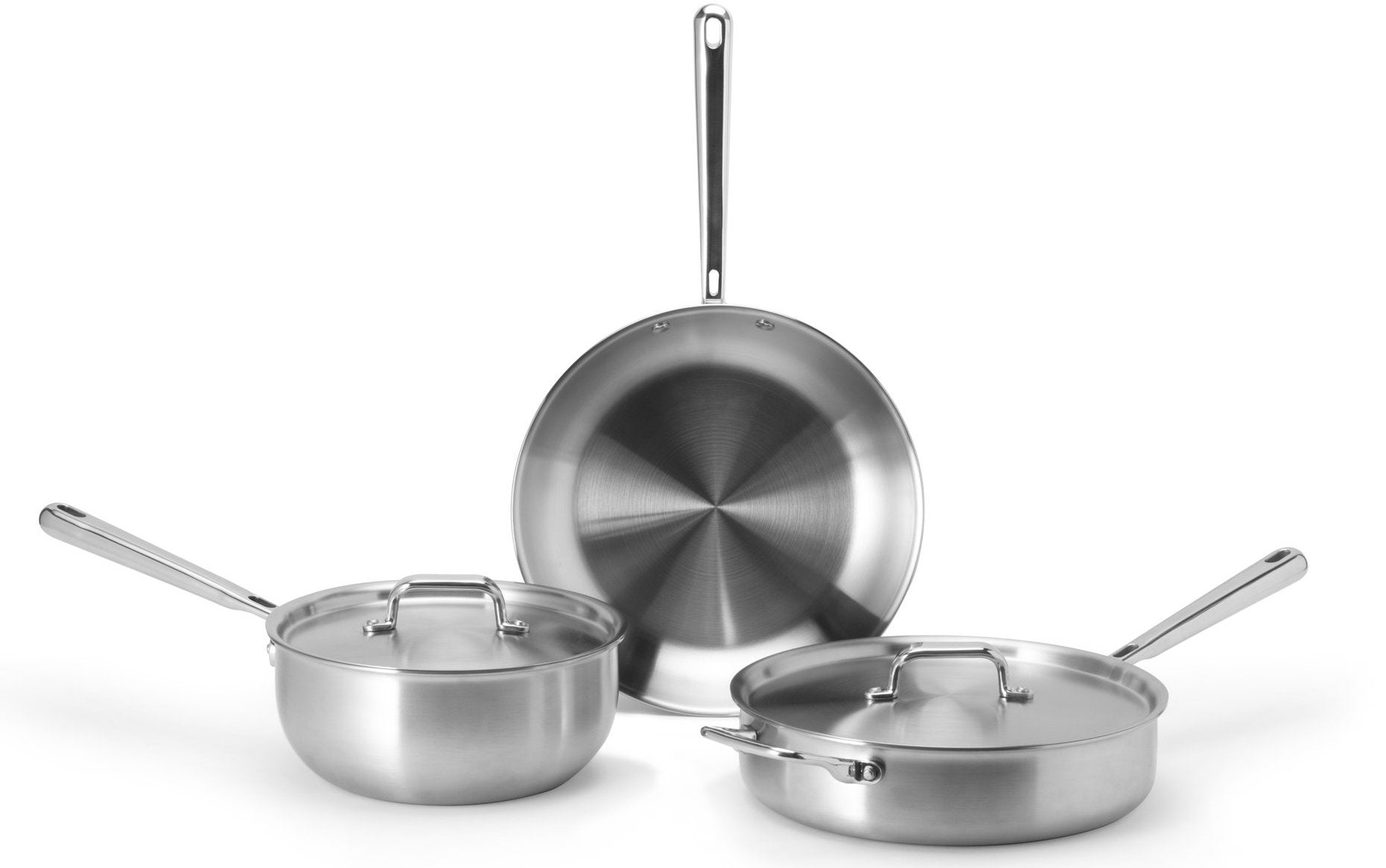
People ask, can all pans go in the oven, but the real key is ratings. Oven-safe means the entire pan, including handle, lid, knobs, and coating, can handle a set temperature. That number comes from the maker after lab tests.
Look for a clear oven-safe temperature printed on the base, in the manual, or on the product page. If only part of the pan is safe, the lowest-rated part rules. A steel body with a plastic knob is only as safe as the plastic. If the brand does not list a rating, treat it as not oven-safe.
Heat also changes a pan over time. Repeated high heat can loosen rivets, fade seasoning, and weaken nonstick. Even oven-safe pans do best below their max temperature.
Which pans can go in the oven? A material-by-material guide
So, can all pans go in the oven? No, but many common types can, within limits. Here is a quick guide to help you match pan to task.
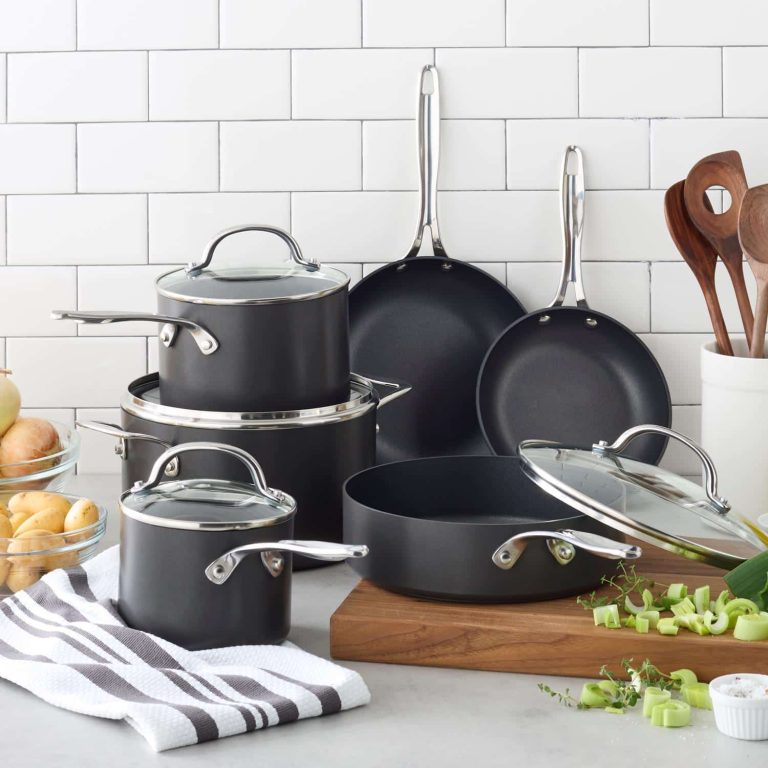
- Cast iron, including enameled cast iron. Safe at high heat. Bare cast iron handles broiler heat; enameled cast iron is often safe to 500°F. Avoid thermal shock by letting it cool before washing.
- Carbon steel. Similar to cast iron but thinner, heats fast, and is usually safe to 600°F. Great for searing then baking.
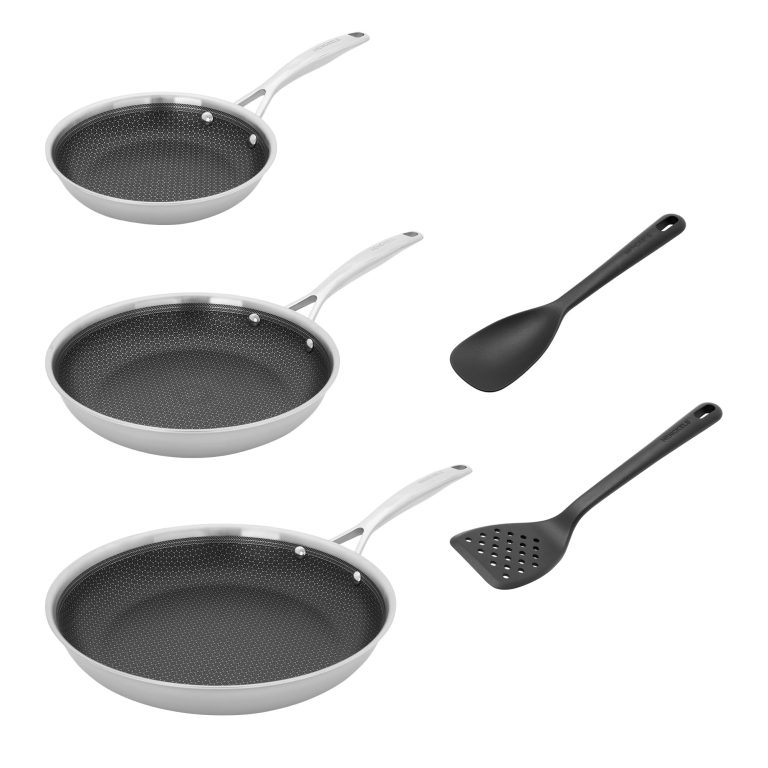
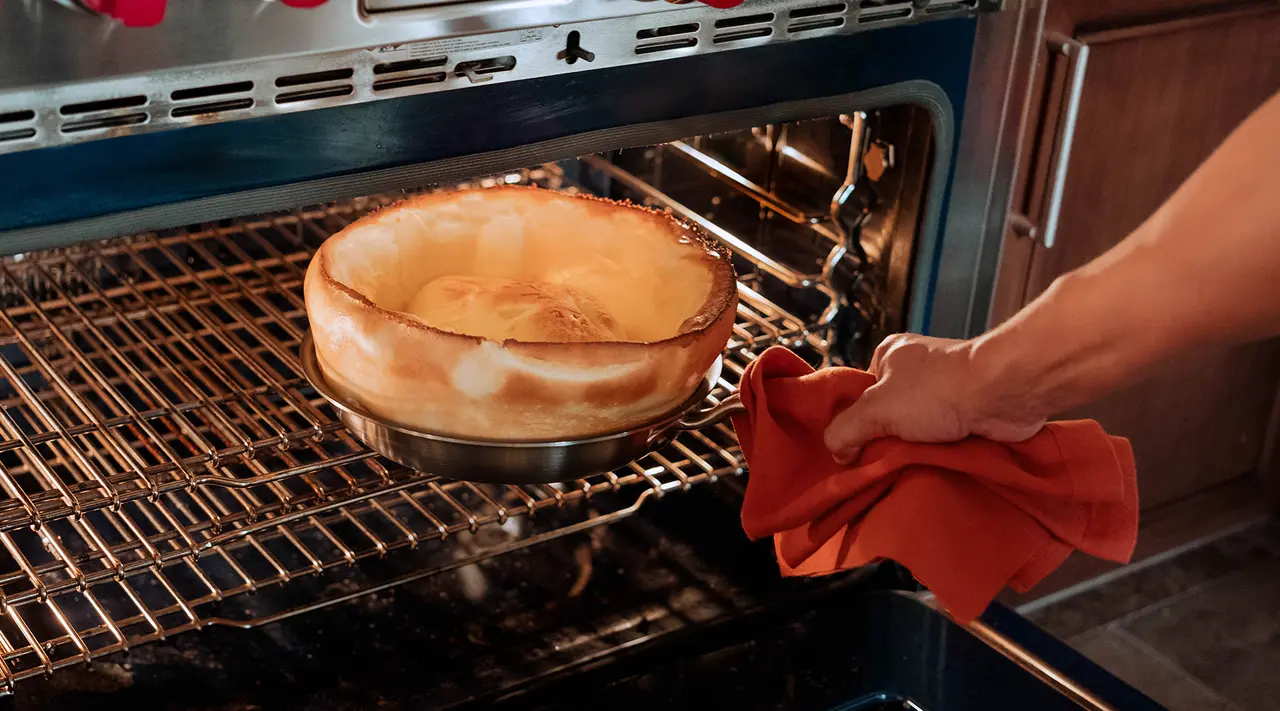
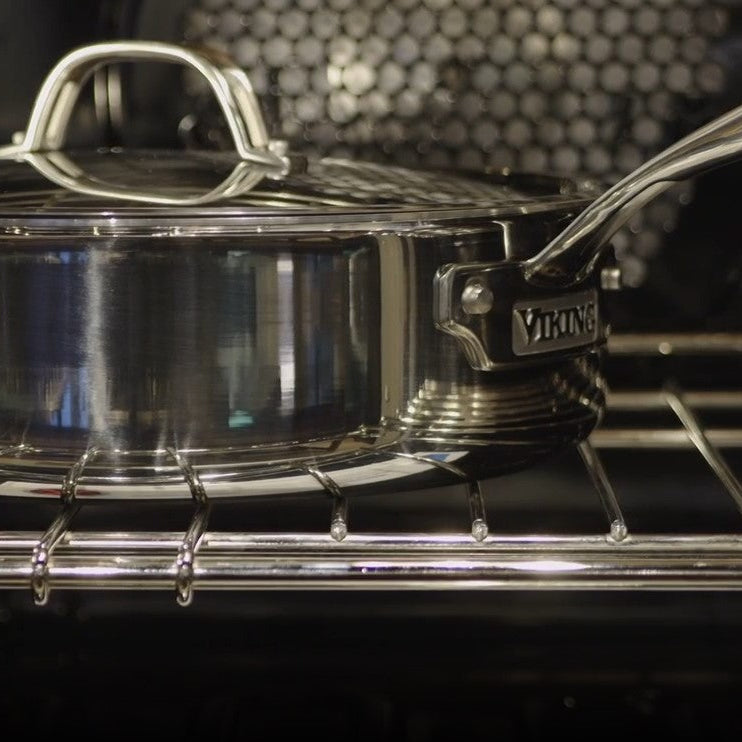
- Stainless steel. Most stainless steel pans, including clad, are oven-safe to 500°F. Watch the handle material and any nonstick layer.
- Hard-anodized aluminum. Often oven-safe to 400–500°F. Some have silicone grips that cap the limit at 350–400°F.
- Copper. Most tin-lined copper is oven-safe but keep it under 450°F to protect the lining. Stainless-lined copper can go hotter.
- Nonstick (PTFE). Many are safe to 400–450°F. Do not use under the broiler. Empty pans at high heat can off-gas.
- Ceramic nonstick. Typically safe to 400–450°F. The coating can discolor at higher temps.
- Glass and stoneware. Good for baking. Avoid broilers and thermal shock.
- Pure ceramic and porcelain. Often safe to 500°F if rated. Check for lead-free glazes and maker guidance.
If you still wonder, can all pans go in the oven, remember this rule: the softest part, like a silicone grip or plastic knob, sets the ceiling.
The parts that make or break oven safety
When you ask, can all pans go in the oven, think beyond the pan body. Handles, lids, and coatings decide the limit. Small details matter.
- Handles and grips. Solid metal handles are best. Silicone sleeves often cap at 400°F. Plastic or wood are not oven-safe unless the brand says so.
- Lids and knobs. Glass lids are usually safe to 350–400°F and never under the broiler. Plastic knobs can melt. Metal lids are safest.
- Coatings and adhesives. PTFE nonstick should stay below 500°F. Enamel holds up well but can craze with shock. Some handles use epoxy or glue that softens in heat.
- Seals and gaskets. Pressure cooker lids and gasketed pans are not for ovens unless rated.
If any piece lacks a rating, the safe choice is to skip the oven.

Temperature zones, broilers, and common pitfalls
Another way to frame can all pans go in the oven is to match pans to heat zones. Use this simple map to avoid damage.
- Up to 350°F. Most cookware with silicone grips can handle this. Good for gentle bakes.
- 400–450°F. Use metal-handled stainless, cast iron, carbon steel, and many nonstick pans. Check the label for nonstick.
- 450–500°F. Stick to cast iron, carbon steel, stainless, and enameled cast iron rated for it.
- 500°F and above, plus broilers. Use bare cast iron or carbon steel. Avoid nonstick and glass. Keep handles away from direct flame.
Common mistakes include preheating an empty nonstick pan, using the broiler with a glass lid, or grabbing a hot handle without a mitt. Heat moves fast in the oven. Stay under the weakest link’s limit.
How to check a pan before baking
If you still wonder, can all pans go in the oven, use this simple check. It takes two minutes and can save a pan.
- Read the base and the manual. Look for an oven-safe icon and a max temperature.
- Check the handle and lid materials. Metal is a green light. Silicone or plastic need a clear rating.
- Search the maker’s site. Model numbers help. If you cannot find a rating, assume no.
- Do a low-heat proof test only if you must. Bake empty at 300°F for 10 minutes on a sheet tray. If a handle softens or a smell appears, stop. This is a last resort and not ideal for nonstick.
When in doubt, move food to a known oven-safe dish. Your breaded cutlets can finish in a cast iron skillet or a sheet pan.

Real-world lessons from my kitchen
I once thought, can all pans go in the oven, right before sliding a skillet with a soft grip into a 425°F oven. The grip sagged. Lesson learned: the handle decides the rules. I also warped a thin aluminum pan at 450°F. It became wobbly and never sat flat again.
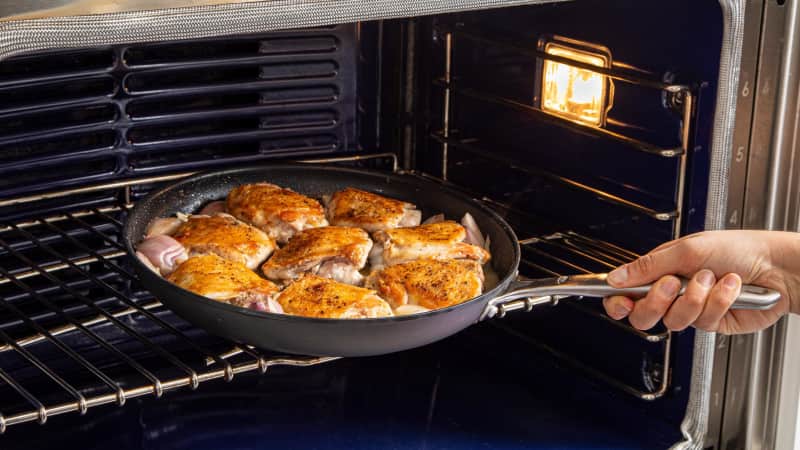
On the flip side, my carbon steel pan lives for sear-then-bake meals. I brown chicken thighs on the stove, then finish at 425°F. The skin crackles, and cleanup is easy. For fish, I use enameled cast iron at 400°F with a metal lid. The result is moist, and the pan still looks new.

Care tips after oven use
Good care extends pan life and keeps coatings safe. A little routine goes a long way.
- Use dry, thick mitts. Metal handles get hotter than you think.
- Let pans cool on the stove or a rack. Avoid cold water on hot pans.
- For stuck bits, soak with warm water. Use a soft scrub or a nylon brush.
- Reseason cast iron and carbon steel. Wipe a thin oil layer on the warm surface.
- For nonstick, avoid steel wool. Gentle soap, soft sponges, and no cooking sprays that gum up.
Store lids off to let moisture escape. Check screws on handles now and then. Tighten if needed.

Frequently Asked Questions of can all pans go in the oven
Can all pans go in the oven if they have silicone handles?
Often yes, but check the rating. Many silicone grips are safe to 400°F, not higher.
Can all pans go in the oven under the broiler?
No. Avoid nonstick, glass, and plastic parts under a broiler. Use bare cast iron or carbon steel.
Can all pans go in the oven if they are nonstick?
Not all. Many nonstick pans are safe to 400–450°F. Keep them away from broiler heat.
Can all pans go in the oven with glass lids on?
No. Most glass lids cap at 350–400°F and are not broiler-safe. Use metal lids instead.
Can all pans go in the oven if only the body is metal?
No. The weakest part rules. Plastic knobs, glued handles, or seals can fail in heat.
Can all pans go in the oven straight from the fridge?
It is risky. Sudden heat can crack glass or enamel and warp thin metal. Let the pan warm first.
Can all pans go in the oven on convection settings?
Most that are oven-safe can. Use 25°F lower settings for the same results and watch nonstick limits.
Conclusion
Not all pans belong in the oven. The answer to can all pans go in the oven depends on parts, coatings, and rated limits. Read the markings, know the weakest link, and match heat to material. With a little care, you can sear on the stove, finish in the oven, and keep your gear in top shape.
Try one upgrade this week: finish your next steak or chicken in a cast iron or carbon steel pan at 425°F. You will taste the difference. Have questions or a pan you are unsure about? Drop a comment, subscribe for more kitchen tests, and cook with confidence.

Hi, I’m Mary, the founder of KitchenClue.com. I’m deeply passionate about everything that makes a kitchen smarter, easier, and more enjoyable. I share hands-on insights and practical expertise on kitchen gear that truly helps in daily cooking. Along with my dedicated research team, we study products carefully, and our writers create honest, well-tested reviews using trusted, authentic sources—so you can choose kitchen tools with total confidence.