Can You Put Cooking Pans In The Oven: 2026 Safety Tips
Yes—but only if the pan’s material, handle, and lid are truly oven-safe.
If you’ve ever wondered can you put cooking pans in the oven, you’re not alone. I test pans for a living, and I’ve made every mistake so you don’t have to. In this guide, I’ll show you what makes a pan oven-safe, how to check your gear, the right temperatures, and the exact steps I use at home. Stick with me to cook smarter, safer, and with far less stress.

What oven-safe really means for cooking pans
Oven-safe means the whole pan can handle heat without warping, cracking, or releasing fumes. That includes the body, the coating, the handle, and the lid. The number on the box or bottom is only true if every part matches that rating.
Here’s the simple rule I teach new cooks: the weakest part sets the limit. A cast iron skillet is fine in a 500°F oven, but not if it has a plastic handle or a low-rated lid. If you’re asking can you put cooking pans in the oven, the answer depends on these parts working together.
Common oven-safe materials:
- Cast iron, carbon steel, and stainless steel are usually safe at high heat.
- Hard-anodized aluminum is often safe at moderate to high heat.
- Enameled cast iron is great for braises and roasts.
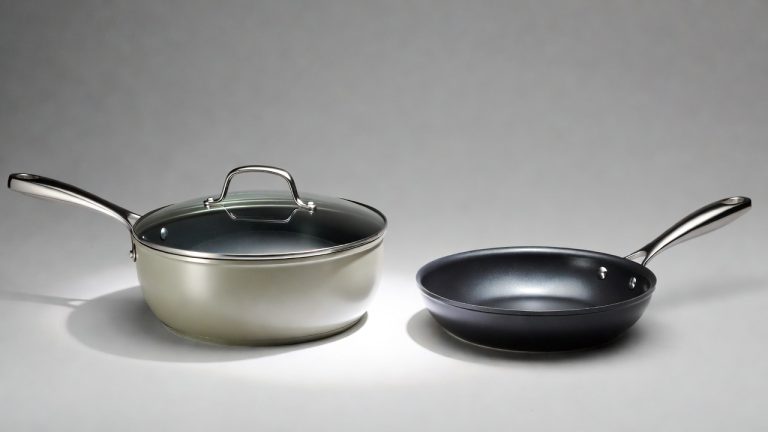
- Nonstick (PTFE) can be oven-safe but has lower limits.
- Copper is fine, but check the lining (tin vs stainless).
Materials that are risky:
- Plastic or Bakelite handles often max out at 350°F to 400°F.
- Wooden handles are usually not oven-safe.
- Standard plastic knobs on lids can melt near 375°F.
- Some nonstick coatings break down under broilers.
Personal note: I once slid a skillet with a phenolic handle into a 425°F oven. It survived, but the handle turned brittle. That taught me to check handles first.
Is a nonstick pan safe in the oven?
Often yes, but only to about 400°F to 500°F, per most makers. Skip the broiler, which can exceed safe limits in seconds.
Can any pan go under the broiler?
No. Avoid nonstick under a direct broiler. Choose bare cast iron, carbon steel, or stainless steel with metal handles.
What about lids in the oven?
Tempered glass lids are usually safe to 350°F to 400°F. Many knobs are the weak link; check the rating.
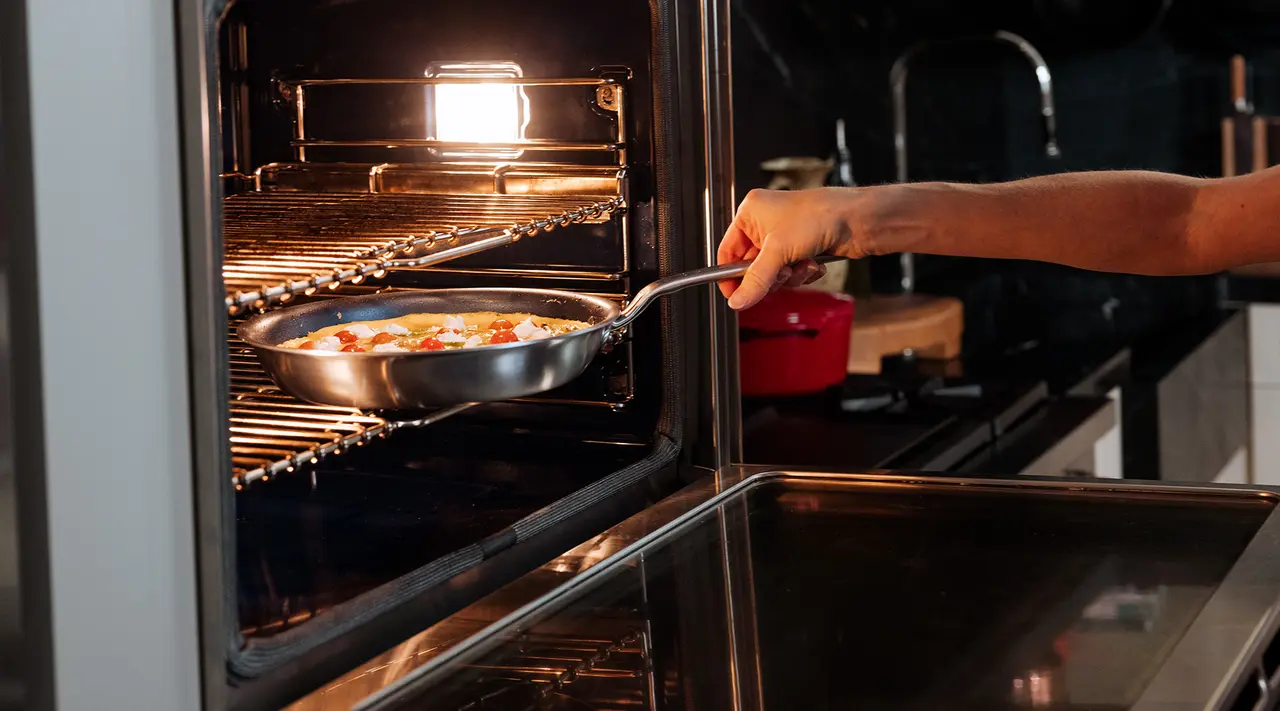
How to check if your pan is oven-safe
Use this quick plan when you wonder can you put cooking pans in the oven.
Step-by-step:
- Look for an oven icon or temperature stamp on the pan bottom.
- Read the manual or the maker’s site for the exact limit.
- Check handles and knobs. Metal is safest. Plastic, wood, or rubber may limit heat.
- Inspect the lid. Tempered glass can be safe, but knobs can fail first.
- Confirm the coating. PTFE nonstick has a lower cap. Ceramic nonstick varies.
- Match oven mode. Bake or roast is fine for many pans; broil is harsher.
- When unsure, stay at or below 400°F and avoid the broiler.
Red flags I watch for:
- Loose rivets or wobbly handles.
- Unknown coating with no rating.
- Silicone sleeves without a temp range.
- Decorative wrap or paint on the handle.
Pro tip from my kitchen: I keep a small label on each pan with its safe temp. It saves me from guessing when I’m mid-recipe.
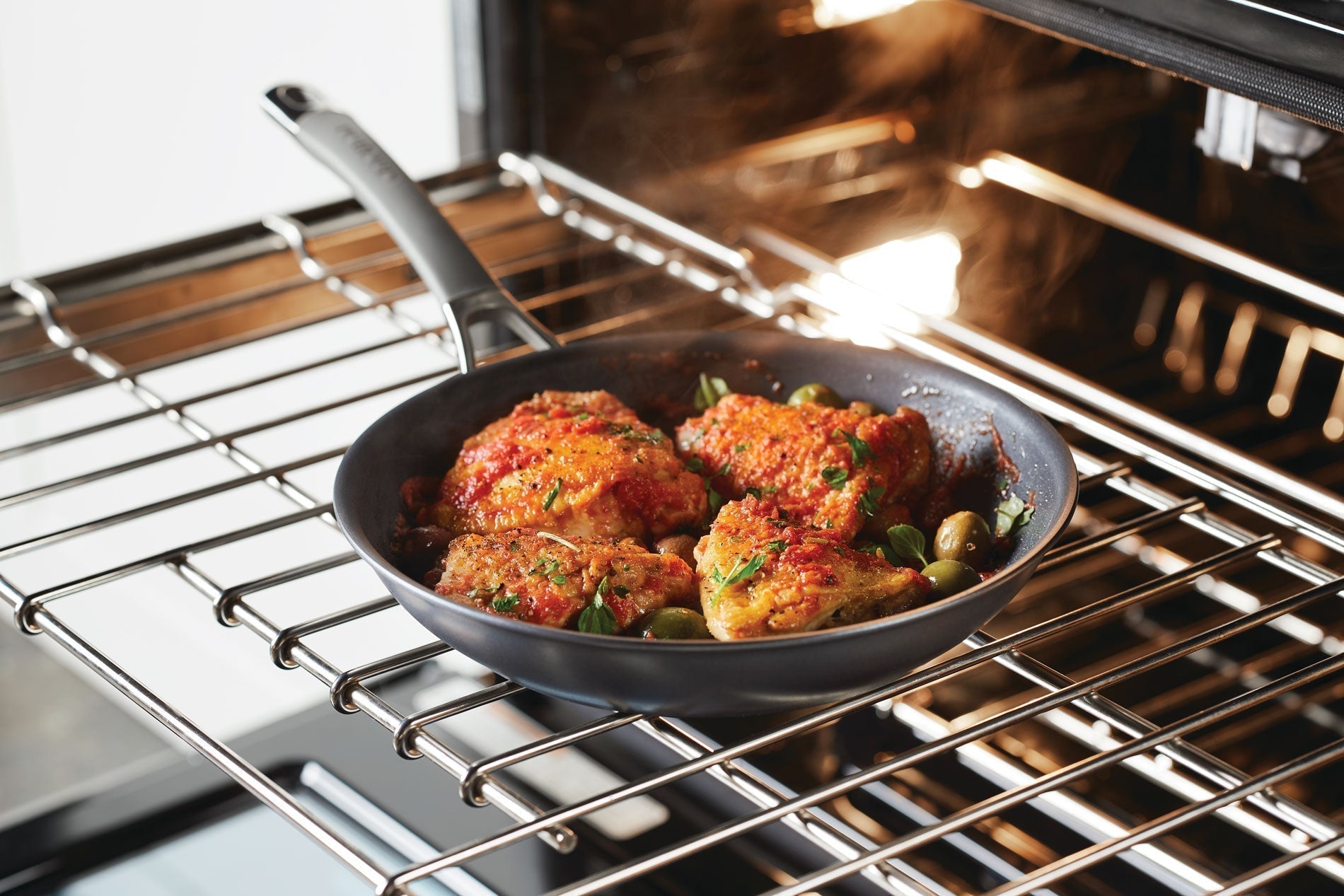
Temperature limits by material
If you ask can you put cooking pans in the oven, think in ranges, not absolutes. Always check your specific model, but these are common limits:
- Cast iron (bare): 500°F+; great for sear-then-bake and high heat roasts.
- Carbon steel: 500°F to 600°F; similar to cast iron, lighter and fast-heating.
- Stainless steel: 500°F+ if handles are metal; sturdy and versatile.
- Enameled cast iron: 500°F+; protect enamel from thermal shock.
- Hard-anodized aluminum: Often 400°F to 500°F; verify the handle rating.
- Nonstick (PTFE): Usually 400°F to 500°F; avoid broilers and empty preheats.
- Ceramic nonstick: Often 400°F to 450°F; varies by brand.
- Copper with stainless lining: Around 500°F; check handle and bonding.
- Copper with tin lining: About 450°F; avoid very high heat to protect tin.
- Tempered glass lids: Commonly 350°F to 400°F; knobs may cap the rating.
- Silicone handles/sleeves: About 400°F to 450°F; remove if limits are lower.
- Bakelite/phenolic handles: Often 350°F; can discolor or crack above.
Why limits matter:
- Overheated PTFE can degrade and release fumes.
- Handles can soften or break, leading to burns.
- Lids can shatter if overheated or shocked.
From testing, I’ve found manufacturers are conservative with ratings, but pushing limits is not worth the risk or the warranty.
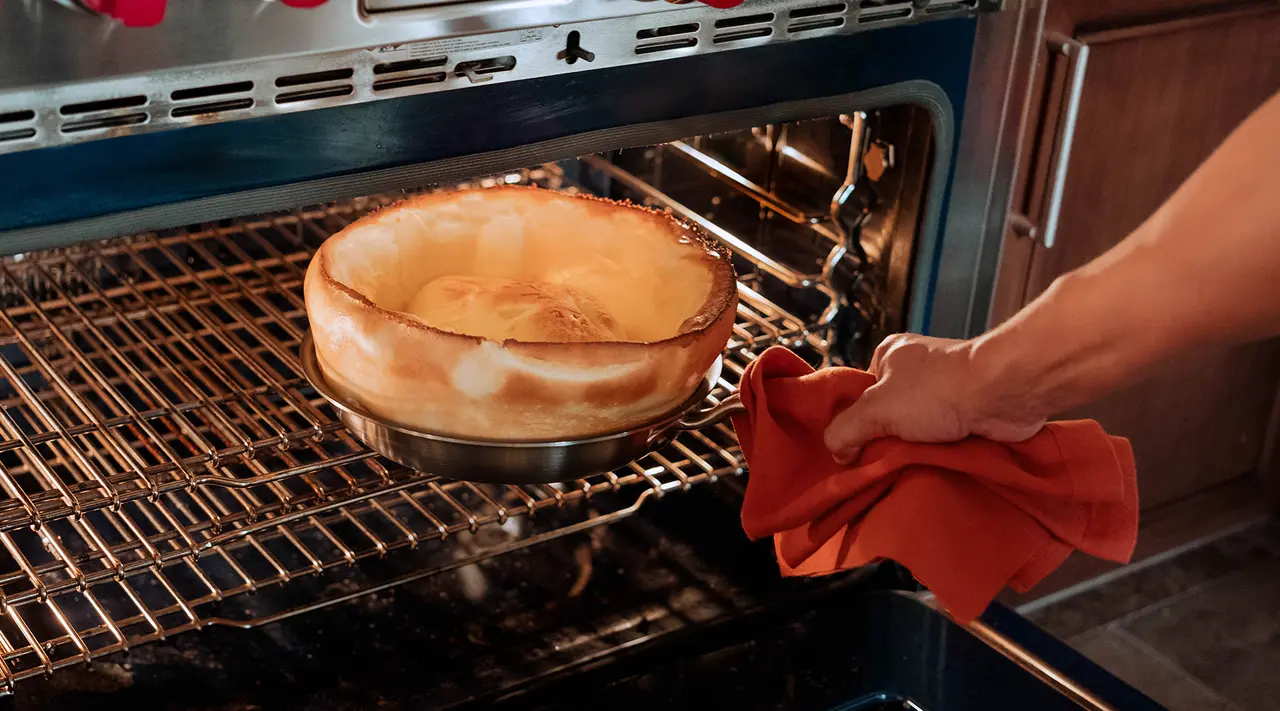
Stovetop-to-oven techniques that work
When you think can you put cooking pans in the oven, you also need the how. Smooth moves make better food and protect your gear.
Before you start:
- Preheat the oven to stabilize temps.
- Use an oil with a high smoke point if searing first.
- Dry proteins before searing to avoid steam.
Move with care:
- Use a dry, thick mitt. Wet fabric can flash to steam.
- Keep the handle forward and stable. Clear the path to the oven.
- Place the pan on the middle rack for even heat.
Cook smarter:
- Skip broilers for nonstick or plastic handles.
- For cast iron and carbon steel, preheat the pan for better crust.
- Rest meat on a rack in the pan to prevent soggy bottoms.
Safety matters:
- Never add cold liquid to a smoking-hot pan. That’s thermal shock.
- Do not leave silicone tools in the pan while baking.
- Watch sugar-heavy sauces that can scorch fast.
One-pan winner I love: Sear chicken thighs skin-side down, then finish in a 425°F oven until crisp and juicy. Stainless steel or cast iron shines here.

Risks, warnings, and what to avoid
If you ask can you put cooking pans in the oven, also ask what can go wrong. A few minutes of care can save a pan—and dinner.
Common risks:
- Warping from thin aluminum at high heat.
- Melting or cracking handles and knobs near 400°F.
- Coating damage from broilers or empty preheats.
- Shattered glass lids from shock or overheat.
Health and home tips:
- Keep pet birds away from kitchens when heating nonstick.
- Vent your kitchen well when cooking at high heat.
- If anything smells off, power down and cool the pan.
Manufacturer cautions I’ve seen:
- Nonstick warranties often exclude broiler use.
- Some lids are rated below the pan body.
- Dishwashers can weaken handle assemblies over time.
My early mistake: I once broiled salmon in a “probably fine” nonstick. The coating dulled, and the pan never cooked the same again. Now I broil with cast iron only.

Cleaning and care after baking or roasting
Good pans last when you clean them right. This also answers can you put cooking pans in the oven next time without worry.
Do this first:
- Let the pan cool until warm to the touch.
- Deglaze with warm water while the fond is soft.
- Use a soft sponge; avoid harsh pads on coatings.
Material-specific care:
- Cast iron and carbon steel: Hand-wash, dry well, and wipe with a thin oil layer to keep seasoning strong.
- Stainless steel: Boil water with a splash of vinegar to loosen stuck bits, then scrub gently.
- Nonstick: Mild soap, no metal tools, no abrasive powders.
Avoid:
- Cold water on a hot pan.
- Soaking wooden handles.
- Stacking pans without a soft liner.
I keep a small bottle of grapeseed oil near the stove for quick cast iron touch-ups. It has kept my skillet slick for years.

Ideas and recipes that love oven-safe pans
Once you know can you put cooking pans in the oven, the menu opens wide.
Easy wins:
- Steakhouse sear then roast: Cast iron, 500°F oven, butter baste at the end.
- Frittatas: Start on the stove, finish under moderate heat.
- Skillet cookies or brownies: Even edges, gooey center.
- Roasted veggies: Preheat the pan for extra char.
- Pan pizzas: Crispy bottom, chewy rim, simple cleanup.
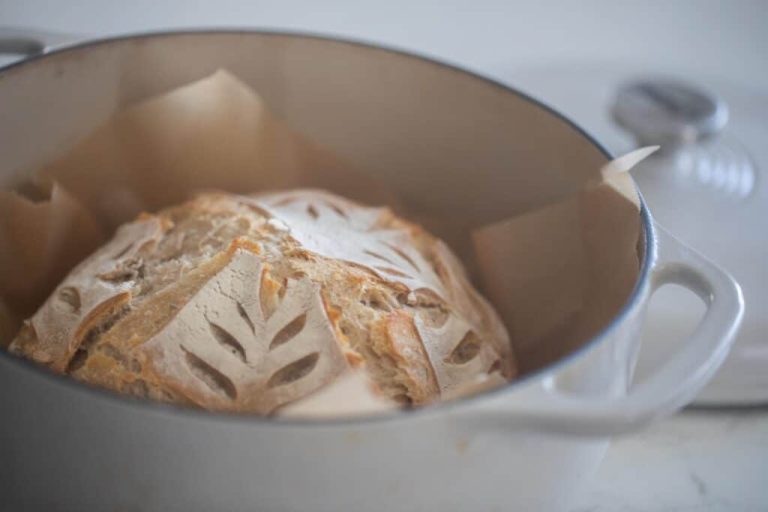
- No-knead bread in cast iron: Great crust without a Dutch oven.
Weeknight flow I use:
- Sear protein.
- Add aromatics and a splash of stock or wine.
- Slide into the oven to finish while you toss a salad.
One-pan meals save time, dishes, and sanity. This is where oven-safe pans earn their keep.
Frequently Asked Questions of can you put cooking pans in the oven
Can you put cooking pans in the oven if they have rubber handles?
Sometimes, if the manufacturer rates the rubber to 400°F to 450°F. If you do not know the rating, avoid the oven or remove the sleeve.
Can you put cooking pans in the oven with a glass lid?
Yes, if it is tempered glass and rated to about 350°F to 400°F. Check the knob’s rating too, since it often fails first.
Can you put cooking pans in the oven under the broiler?
Use bare cast iron, carbon steel, or stainless with metal handles. Skip nonstick and anything with plastic or wood under direct broiler heat.
Can you put cooking pans in the oven straight from the fridge?
It is risky and can cause warping or cracks. Let the pan and food sit at room temperature for 15 to 20 minutes first.
Can you put cooking pans in the oven lined with foil?
Yes, but do not wrap nonstick surfaces tightly, as trapped heat can rise above safe limits. Leave space for airflow and never block vents.
Can you put cooking pans in the oven if they are nonstick?
Often yes, to 400°F to 500°F, depending on the brand. Avoid empty preheats and broilers to protect the coating.
Can you put cooking pans in the oven with wooden handles?
No. Wood can dry out, crack, or scorch. Transfer food to an oven-safe pan instead.
Conclusion
You can put cooking pans in the oven when every part is rated for the heat you plan to use. Check the material, handle, lid, and coating, then match the right technique to the right pan. That simple habit protects your cookware and boosts flavor.
Try one stovetop-to-oven meal this week—maybe a skillet frittata or a seared-then-roasted chicken thigh. Want more gear-tested tips like this? Subscribe, share your pan’s model in the comments, and I’ll help you confirm its safe oven range.

Hi, I’m Mary, the founder of KitchenClue.com. I’m deeply passionate about everything that makes a kitchen smarter, easier, and more enjoyable. I share hands-on insights and practical expertise on kitchen gear that truly helps in daily cooking. Along with my dedicated research team, we study products carefully, and our writers create honest, well-tested reviews using trusted, authentic sources—so you can choose kitchen tools with total confidence.