Can Bread Go In The Compost Bin: The Essential Guide
Yes, bread can go in the compost bin if you manage pests and moisture.
I’ve managed backyard bins and a busy community compost site, and I get this question a lot: can bread go in the compost bin without causing trouble? The short answer is yes, and I’ll show you how to do it right. In this guide, you’ll learn what happens to bread in compost, how to avoid pests and smells, and the best methods for different systems. Stick with me for expert tips, research-backed steps, and real-world lessons you can use today.
Why composting bread works (and when it doesn’t)
Bread is mostly carbohydrate. It breaks down fast and can feed a healthy compost pile. But it is also soft and moist. That means it can attract pests and cause odors if you add it the wrong way.
Here’s the key science in simple words:
- Fresh bread acts like a “green” because it is moist and breaks down fast.
- Stale, dry bread behaves like a “brown” because it is dry and carbon rich.
- Mixing bread well with dry browns helps air flow and odor control.
So, can bread go in the compost bin? Yes, but you must balance it with enough dry, bulky browns and keep it buried to avoid critters.

Benefits of putting bread in compost
Composting bread keeps food waste out of landfills. That cuts methane, a strong greenhouse gas. It also turns leftovers into a soil booster.
Key gains you can expect:
- Faster pile heat due to easy-to-digest carbs.
- Steady microbial activity, which helps other scraps break down.
- Less trash and more nutrient-rich compost for your garden beds.
From years of testing, can bread go in the compost bin and help your pile? Yes. It can speed the process when you add small pieces and layer them with browns.

Risks and limits you must manage
Bread can cause issues if you dump it in without care. Most problems come from too much moisture or adding large chunks.
Watch for these risks:
- Pests like rats, raccoons, and ants if bread sits on top.
- Odors and slime from soggy, compacted bread layers.
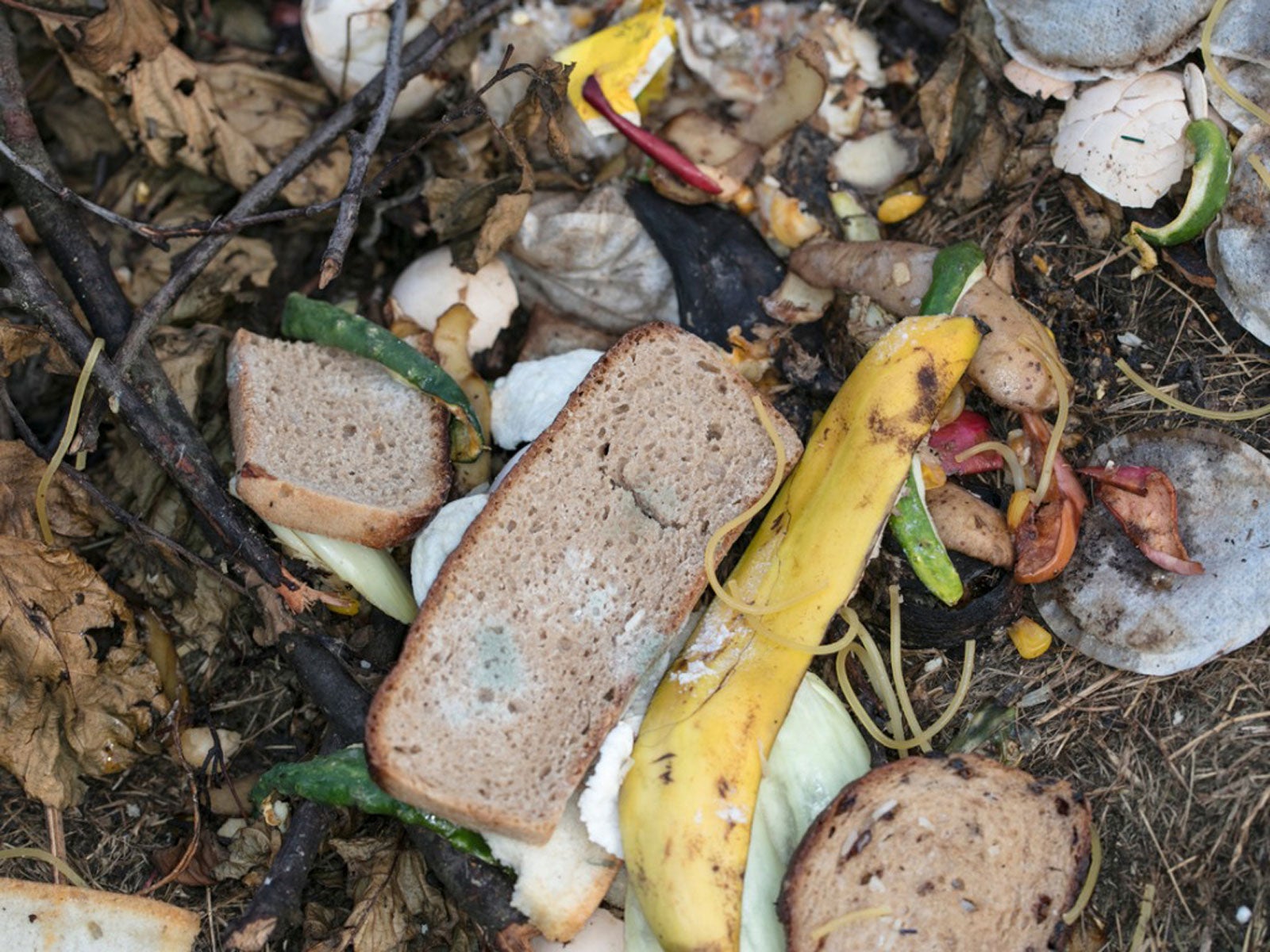
- Mold blooms that signal an anaerobic pocket.
These risks are avoidable. If you ask, can bread go in the compost bin without trouble, the answer is still yes—when you bury it and balance moisture.

Step-by-step: How to compost bread in a backyard bin or tumbler
I use this simple workflow at home and in community bins. It works in most climates and seasons.
- Break or chop bread into small pieces. Aim for crouton size or smaller.
- If the bread is very fresh and wet, dry it out a bit first. Leave it out or toast it lightly.
- Add a layer of browns to the bin. Use dry leaves, shredded paper, or cardboard.
- Toss in the bread pieces. Spread them thinly across the layer.
- Cover with more browns. At least two to three times the volume of bread.
- Bury it in the hot center of the pile. This speeds breakdown and reduces pests.
- Keep your pile as damp as a wrung-out sponge. Add browns if it feels wet.
- Turn or tumble every week. This adds air and blends any dense bits.
If you’re wondering, can bread go in the compost bin year-round, yes. In winter, chop it small and tuck it deep in the warm core for best results.

Special methods: Worm bins and Bokashi
Some systems handle bread better than others.
Worm bins (vermicompost):
- Use small amounts. Too much bread can turn gummy and go anaerobic.
- Bury it in multiple spots under bedding. Keep a thick bedding cap on top.
- Freeze-thaw bread first. This helps worms process it faster.
Bokashi (fermented pre-compost):
- Bread does great in Bokashi. It ferments fast and does not attract pests.
- After fermenting, bury it in soil or add it to a hot compost pile.
- Drain the Bokashi liquid often to prevent smells.
Can bread go in the compost bin you use for worms? Yes, but go slow. In Bokashi, bread is easy mode.

Troubleshooting and real-life tips
Over the years, I’ve made the classic mistakes. I once tossed in a whole loaf after a bake sale. The bin went smelly and drew ants. Here is what I learned.
- If you smell sour rot, add a thick cap of dry browns and turn the pile.
- If you see pests, switch to a rodent-proof bin and bury bread 8 to 12 inches deep.
- If the pile looks slimy, mix in wood chips or shredded cardboard for structure.
- If mold worries you, relax. Most molds in compost are fine. They signal active breakdown.
From that messy bake sale week, my fix was simple: smaller bits, deeper burial, and more browns. Since then, can bread go in the compost bin at my site? Yes, without a hitch.

What bread types are okay? What to avoid
Most plain bread is fine. Some add-ons need more care.
Safe to compost:
- White, wheat, sourdough, rye, gluten-free bread
- Stale, dry, or moldy bread
- Plain crackers and pizza crusts without toppings
Use caution or avoid:
- Bread with butter, oil, cheese, or meat
- Frosted pastries or very sugary items
- Large, dense loaves unless chopped well
When in doubt, ask yourself: can bread go in the compost bin if it’s greasy or cheesy? It’s best to leave out oily or animal-based toppings, or run them through Bokashi first.

Common myths, answered fast
Here are quick, PAA-style replies to common concerns.
Does bread ruin compost?
No. Bread breaks down fast and feeds microbes. Balance it with dry browns and you’ll be fine.
Will bread cause rats every time?
No. Pests show up when bread is on the surface or there’s easy access. Use a secure bin and bury it deep.
Is moldy bread unsafe to compost?
It’s safe. Mold is part of natural decay. Bury it and cover with browns to manage spores and smells.
Can bread go in the compost bin if it’s moldy? Yes, that is normal and manageable with a browns cap.

Environmental impact and community guidelines
Food waste is a big source of methane in landfills. Composting bread helps cut that. Local extension agencies and municipal programs often say bread is fine with proper care. They stress pest control and balance.
Best practices to align with common programs:
- Keep bread under cover and off the top layer.
- Avoid large deposits at once. Spread it out over time.
- Follow any local rules for food scraps and neighborhood bins.
If your town accepts food scraps, can bread go in the compost bin they provide? Most programs say yes, but always check local rules.
Frequently Asked Questions of can bread go in the compost bin
Can I compost bread in a cold pile?
Yes. It will take longer, so chop it small and bury it deep. Add extra browns to prevent smells.
How much bread is too much?
Small amounts are best. If bread is more than 10% of recent inputs, add extra browns and mix well.
Does sourdough’s acidity harm compost?
No. Once mixed, its acidity dilutes fast. Microbes handle it without issues.
Should I dry bread before composting?
Drying helps reduce odor and clumping. If bread is fresh, add more browns and mix well.
Can I add bread daily?
Yes, in small amounts. Rotate where you bury it and keep a steady browns stockpile.
Is bread a green or a brown?
Fresh bread acts like a green due to moisture. Stale bread behaves more like a brown.
Can I compost bread in an apartment?
Yes, with Bokashi or a tight tumbler. Use a pest-proof setup and manage moisture well.
Conclusion
Bread can be a helpful compost feedstock when you use simple rules: chop it, bury it, and balance it with dry browns. This keeps pests away, prevents smells, and turns leftovers into rich compost for your plants. Try a small batch this week and note how your pile responds.
If you found this useful, share it with a neighbor, subscribe for more zero-waste tips, or leave a comment with your results.

Hi, I’m Mary, the founder of KitchenClue.com. I’m deeply passionate about everything that makes a kitchen smarter, easier, and more enjoyable. I share hands-on insights and practical expertise on kitchen gear that truly helps in daily cooking. Along with my dedicated research team, we study products carefully, and our writers create honest, well-tested reviews using trusted, authentic sources—so you can choose kitchen tools with total confidence.