Can You Microwave Vacuum Sealer Bags: Safety Guide 2026
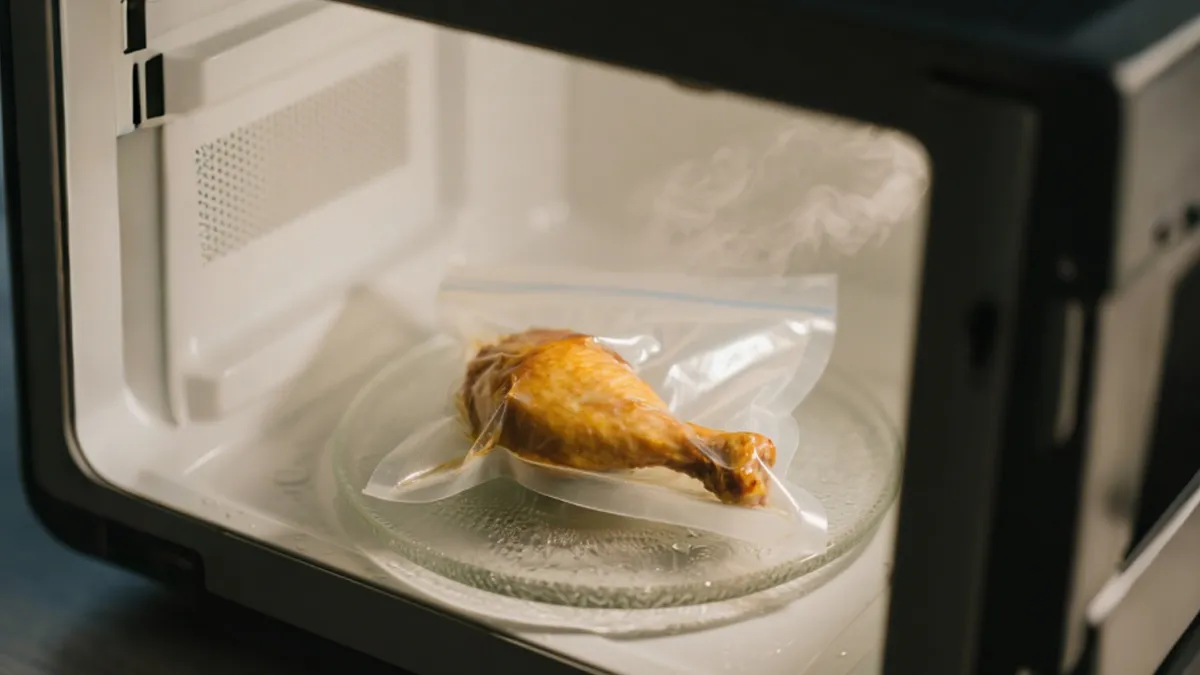
Yes, but only if the bag is labeled microwave safe, vented, and used for reheating.
If you have ever stared at a sealed pack of leftovers and wondered can you microwave vacuum sealer bags, you are not alone. I have tested dozens of bags in real home kitchens and pro settings. In this guide, I will break down what is safe, what is not, and exactly how to reheat food without ruining flavor or risking a mess. Stick with me to get clear, simple steps that work.

Microwave safety basics for vacuum sealer bags
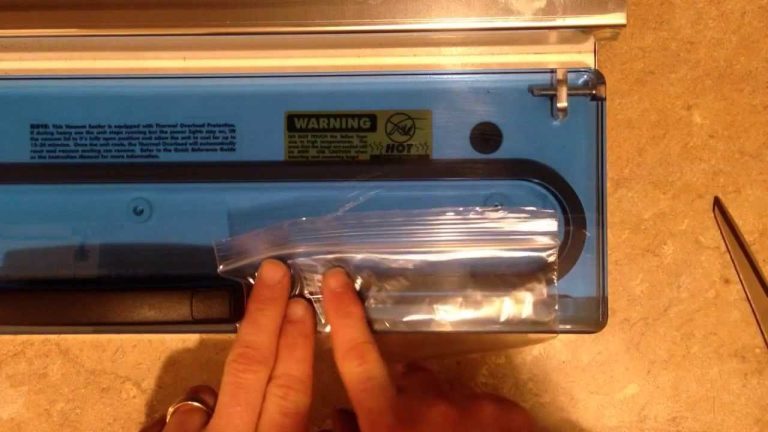
Here is the straight answer to can you microwave vacuum sealer bags. You can microwave many vacuum-sealed bags, but only those marked microwave safe or reheat safe by the manufacturer. Most quality channel bags and chamber bags made of food-grade polyethylene and nylon blends fall into this group. They are designed to handle brief heat and steam during reheating.
The risk is not the microwave energy itself. The risk is steam pressure and excess heat. A sealed bag traps steam. That pressure can pop seams, warp plastic, or spray hot food. This is why venting is not optional. Cut a small corner or poke a tiny vent so steam can escape.
Watch the heat. Microwaves can create hot spots. Thin sauces stay safe. Thick, fatty foods and sticky glazes can overheat fast. Use medium power and short bursts. Let the food rest so heat spreads evenly.
When in doubt, check the bag. If the bag has no microwave-safe label, do not nuke it. Transfer the food to a glass dish with a vented cover.
Quick PAA-style checks:
- Is it safe to microwave a vacuum-sealed bag? Yes, if it is labeled microwave safe and you vent it.
- Can I cook raw food in the bag? No. Reheat only. Use other methods to cook.
- Will chemicals leach into food? Food-grade, microwave-safe bags are tested to prevent this when used as directed.
Core safety rules:
- Look for microwave-safe or reheat-safe on the box or bag.
- Always vent the bag.
- Reheat in short bursts at 50 to 70 percent power.
- Keep the bag off the microwave walls and floor with a plate.
- Stop if the bag balloons or warps.

Types of vacuum sealer bags and what labels mean
Not every vacuum bag is the same. Knowing the types helps answer can you microwave vacuum sealer bags in your kitchen.
Common types:
- Channel or embossed roll bags. These are for edge-seal machines. Many are microwave safe when vented and used for reheating.
- Smooth chamber pouches. These are used with chamber sealers. Many are microwave safe for reheating when vented.
- Zip vacuum bags with valves. Some are microwave safe for short reheats. Many have thinner film, so use low power and short times only.
- Boil-safe or sous vide bags. These tolerate boiling and low-temperature cooking. Many are also microwave safe for reheating, but check the label.
Labels to look for:
- Microwave safe or reheat safe. Allows reheating, not high-heat cooking.
- Boil safe. Good heat tolerance. Still vent in the microwave.
- BPA free and food contact safe. Standard for modern bags.
- Freezer safe. Prevents freezer burn but does not guarantee microwave safety.
Red flags:
- No safety label anywhere.
- Bags with printing ink on the food-contact side.
- Decorative storage bags not meant for heat.
- Metal clips, twist ties, or staples attached.
If the packaging is missing, test with caution. Use a small piece of bag with water for 60 seconds at 50 percent power. Check for softening, odor, or warping. If you notice any of these, do not use it in the microwave.

How to microwave vacuum sealer bags the right way
You can improve safety and results with a simple routine. This is the method I rely on when people ask can you microwave vacuum sealer bags and expect a step-by-step plan.
- Check the label. Confirm the bag is microwave safe or reheat safe.
- Vent the bag. Snip a tiny corner or poke one small hole near the top.
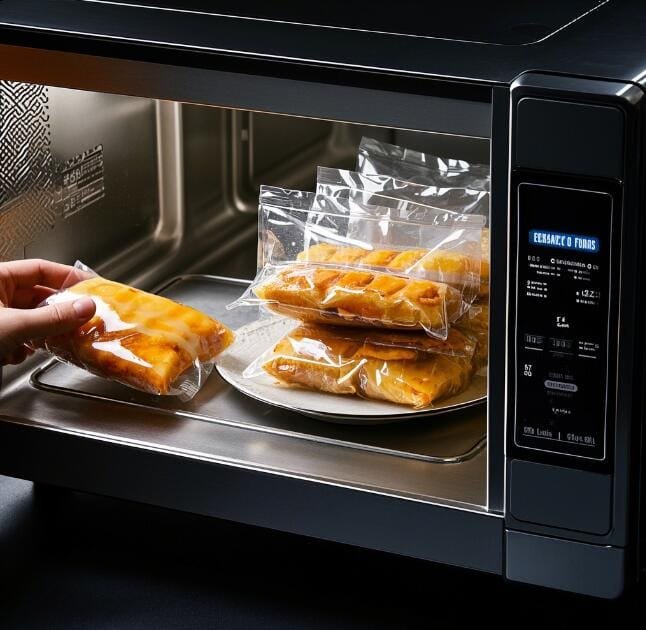
- Place on a microwave-safe plate. This prevents hot spots and keeps messes easy to clean.
- Set to 50 to 70 percent power. Use lower power for thicker foods.
- Heat in short bursts. Start with 45 to 60 seconds, then stir or squeeze the bag gently through a towel.
- Rest for 1 minute. Let heat spread so the center warms without cooking the edges.
- Repeat in short bursts. Stop when food reaches a safe serving temp. Use a food thermometer if needed.
- Open away from your face. Steam burns hurt. Use tongs or a towel.
Extra tips:
- Cut long bags down before heating so food sits in a flat layer.
- Place the vent away from the food to avoid splatter out of the hole.
- Stand the bag upright in a mug for soups or sauces. This prevents tipping.
- For rice or pasta, add a tablespoon of water before heating to refresh texture.

What you should never microwave in vacuum sealer bags
To keep things simple, think low and slow for reheats only. These items can cause problems in a bag.
Foods and situations to avoid:
- Raw or dense uncooked meals. The microwave heats unevenly and can leave unsafe cold spots.
- Very fatty cuts and thick sauces. Fats can overheat and melt seams.
- Sharp bones or shells. These can puncture bags and leak hot liquid.
- Long high-heat cycles. Extended heating breaks down plastic and weakens seals.
- Alcohol-heavy marinades. Vapors build pressure fast and can pop the bag.
- Metal clips or twist ties. Never put metal in the microwave.
If you are not sure, transfer food to a glass or ceramic dish. That small step removes risk.

Real kitchen lessons and tips from testing
I have sealed and reheated hundreds of meals for home meal prep, private chef work, and events. Here is what helped most when people asked can you microwave vacuum sealer bags and wanted dependable results.
What worked well:
- Thawed or chilled foods reheat best. Frozen blocks cause hot edges and cold centers.
- Thin, even layers prevent steam pockets. Spread food in a flat sheet before sealing.
- Short bursts with rests protect flavor and texture. Food tastes fresher and less rubbery.
Mistakes I made so you do not have to:
- I once reheated pulled pork at full power. The fat boiled, the seam warped, and I lost a portion to a messy pop. Lesson learned: vent and lower power.
- I sealed a chicken breast with a sharp rib tip. It nicked the bag during heating and leaked. Pad sharp edges or use a dish instead.
- I tried to cook raw potatoes in a sealed bag. The outside broke down while the center stayed hard. Microwaves are for reheating in bags, not cooking dense raw foods.
Pro move:
- Keep a pair of kitchen scissors near the microwave. Snip a vent, reheat, then cut the rest of the top to pour cleanly.

Smart alternatives to microwaving in the bag
Sometimes the safest and tastiest move is to skip the bag in the microwave. If you are asking can you microwave vacuum sealer bags but want better texture, try these options.
Better options:
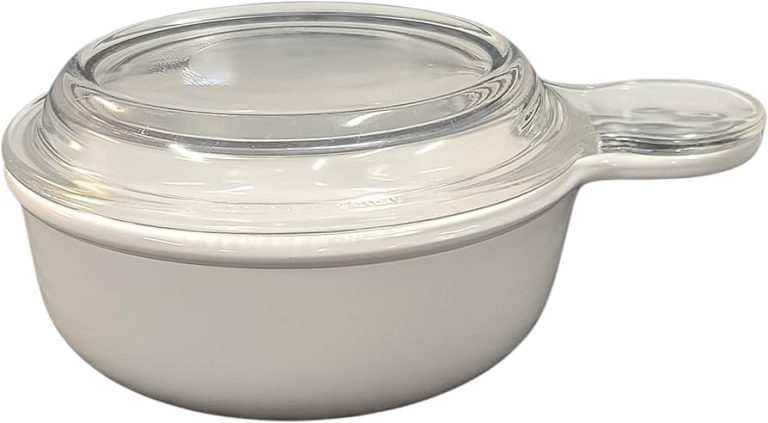
- Transfer to a glass or ceramic bowl with a vented lid. Even heating and easy stirring.
- Use a silicone steam bag or microwave steamer. Great for veggies and rice.
- Reheat fatty meats on a skillet. Crisp edges beat soggy steam every time.
- Use sous vide to reheat sealed food, then sear or sauce on the stove.
- Thaw in the fridge, then reheat gently in the microwave or on the stove.
These swaps keep flavor and texture in top shape, and they reduce bag stress.

Troubleshooting and common mistakes
If things go wrong, you can still save the meal. These fixes apply to most cases of can you microwave vacuum sealer bags gone sideways.
Problems and fixes:
- Bag balloons hard. Stop, let it rest, then add a bigger vent and use lower power.
- Uneven heat. Spread food flatter in the bag, or transfer to a dish and stir.
- Bag warps or smells off. Discard the bag and transfer food. Use a different brand next time.
- Splatter inside the microwave. Place the bag in a bowl and cover loosely with a paper towel.
- Dry texture. Add a spoon of water, broth, or sauce before reheating.
Brand and bag quality matter. Thicker, food-grade bags hold up better. Cheap storage bags are hit or miss and are not worth the risk.
Frequently Asked Questions of can you microwave vacuum sealer bags
Can you microwave vacuum sealer bags straight from the freezer?
You can, but results are better if you thaw first. If you must, use low power and longer rests to avoid cold centers and burst seams.
How long should I reheat food in a vacuum-sealed bag?
Start with 45 to 60 seconds at medium power, then rest and repeat. Time depends on portion size, thickness, and your microwave’s wattage.
Are all vacuum sealer bags BPA free and food safe?
Most modern food-grade bags are BPA free and safe when used as directed. Check the box for safety labels and temperature limits.
Can I cook raw meat in a vacuum bag in the microwave?
No. Reheat only. Use sous vide, baking, or stovetop methods to cook raw meat safely and evenly.
Will microwaving vacuum sealer bags make them melt?
Quality microwave-safe bags will not melt with short, low-power reheats. Overheating, high-fat foods, or unvented bags can warp seams.
Is it safe to microwave liquids in a vacuum-sealed bag?
Yes, if the bag is microwave safe and vented, and you use low power. Place the bag upright in a mug to prevent spills.
Can I reuse vacuum sealer bags after microwaving?
It is best not to reuse them for hot foods. Heat stresses the plastic and seams, which reduces safety and sealing performance.
Conclusion
Yes, you can microwave vacuum sealer bags, but only if they are labeled microwave safe, vented, and used for gentle reheating. Keep power low, cut a vent, and heat in short bursts. When in doubt, pour food into a glass dish for safer, more even results.
Try the method on your next meal prep day. Test one portion, note power and time, and save your winning settings. Have a question or a tip to share? Drop a comment, subscribe for more smart kitchen guides, and keep exploring simple ways to cook better at home.

Hi, I’m Mary, the founder of KitchenClue.com. I’m deeply passionate about everything that makes a kitchen smarter, easier, and more enjoyable. I share hands-on insights and practical expertise on kitchen gear that truly helps in daily cooking. Along with my dedicated research team, we study products carefully, and our writers create honest, well-tested reviews using trusted, authentic sources—so you can choose kitchen tools with total confidence.