Can I Put A Frying Pan In The Oven: Ultimate Safety Guide
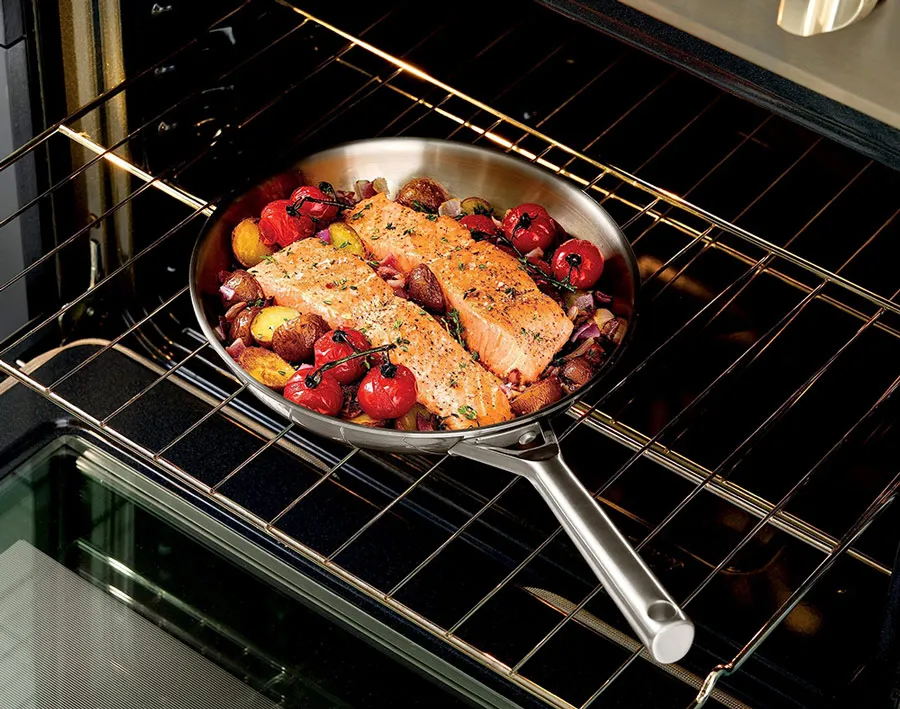
Yes, you can put a frying pan in the oven if it’s rated oven-safe.
If you have ever wondered, can i put a frying pan in the oven, you are not alone. I test this weekly in a busy kitchen. I will show you how to check materials, handles, and heat limits. You will learn when it is safe, when it is risky, and how to do it well. Read on before you risk warping a pan or melting a handle.

What Makes a Frying Pan Oven-Safe?
A pan is oven-safe when its body, handle, lid, and coating can handle the set heat. That includes short spikes and the long bake. It also means the pan will not warp, crack, or release fumes. The label or manual should list a max temperature.
Key factors that decide safety:
- Material The pan body must resist heat and hold shape.
- Handle The handle must not melt, smoke, or loosen.
- Lid The lid and knob must match or beat the pan’s rating.
- Coating The nonstick or enamel must stay stable at the set heat.
- Broiler use Many pans that bake well still fail under a broiler.
If you ask, can i put a frying pan in the oven, start with those five checks. It is simple, fast, and can save a pan.
Materials Guide: Which Pans Can Go from Stovetop to Oven?
The pan’s metal matters most. Here is a quick guide from years of testing and brand manuals.
- Cast iron Often safe to 500°F or higher. Great for steak, cornbread, and frittata.
- Carbon steel Often safe to 500°F. Light, heats fast, and builds a slick seasoning.
- Stainless steel Clad pans are often safe to 500°F. They brown well and clean up with a soak.
- Hard-anodized aluminum Often safe to 400 to 500°F. Check the handle and coating limits.
- Nonstick PTFE pans often top out at 400 to 500°F. Avoid the broiler due to direct heat.
- Ceramic-coated Often safe to 500°F. The base is often aluminum, so avoid shocks.
- Copper Often safe if lined with stainless steel. Always check the handle and lid ratings.
Ask yourself, can i put a frying pan in the oven if it is nonstick or has a special finish? Yes, but only within the listed limit. If the pan has no label, test low and slow.

Handles, Lids, and Coatings: Read This Before You Bake
Handles are the first fail point. Bare metal handles are the safest. Silicone sleeves often rate to 400 to 500°F. Phenolic or plastic handles can soften or smoke above 350°F. Wood handles are almost never oven-safe.
Lids need the same care. Metal lids are simple and safe when matched to the pan. Glass lids can be safe to 350 to 400°F, but ratings vary. Knobs can fail even if the lid glass can take the heat.
Coatings need strict heat control. PTFE nonstick can break down at high heat and under a broiler. Many makers cap at 400 to 500°F. Ceramic nonstick can handle 450 to 500°F but chips with shocks. Enamel is tough but hates fast changes in heat.
You might think, can i put a frying pan in the oven if the handle has a silicone grip? You can if the maker says so and you stay under the limit. Remove slip-on covers if they are not rated.

Temperature Limits and Safe Use Tips
Follow the lowest rated part. If your pan is 500°F safe but the lid is 400°F, treat it as 400°F. If the handle is 392°F in Celsius-only docs, round down and play safe.
Practical heat rules:
- Stay below 450°F for most nonstick.
- Up to 500°F is fine for many cast iron, carbon steel, and stainless pans.
- Do not use the broiler for nonstick. Use broiler only for bare metal pans with metal handles.
If you still ask, can i put a frying pan in the oven at high heat, the safe answer is yes within ratings. When in doubt, lower the temp and add time.

Step-by-Step: How to Move a Frying Pan to the Oven Safely
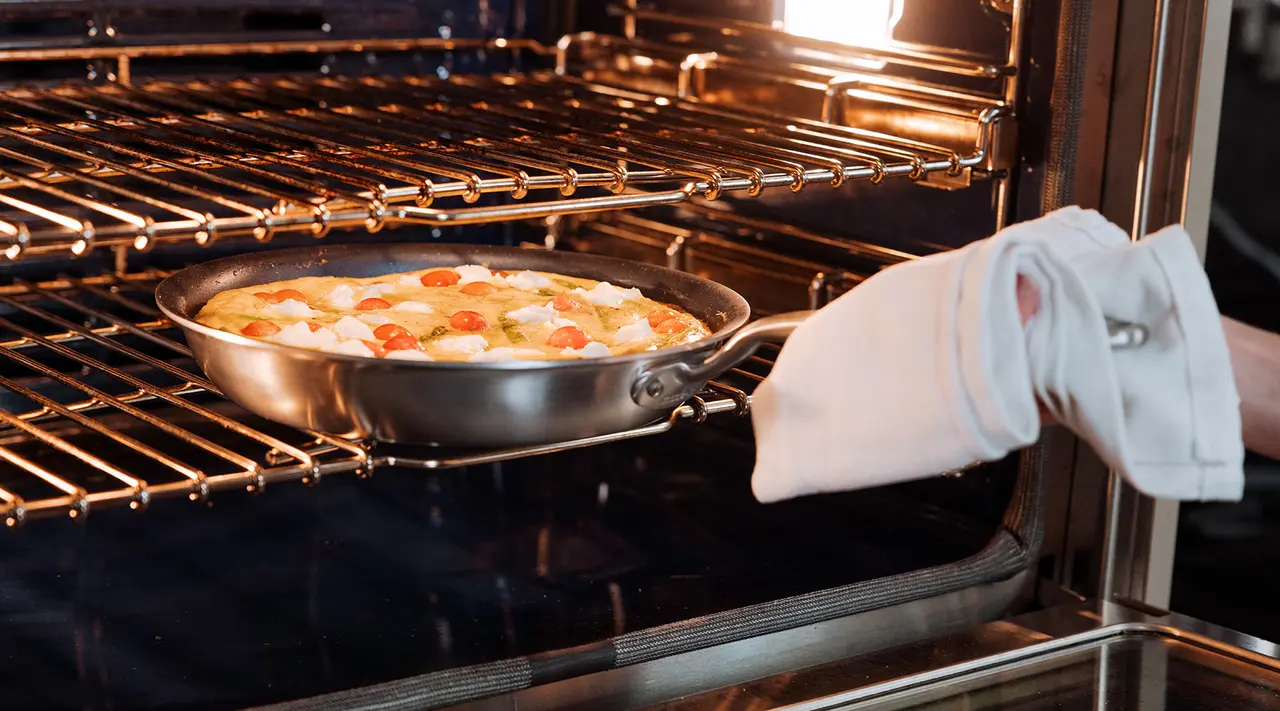
- Check labels Confirm the oven-safe temperature for the pan, handle, and lid.
- Preheat the oven Bring it to target temp before moving the pan.
- Dry the pan Wipe off water to avoid steam shocks.
- Start on the stove Sear or sauté, then turn off the burner.
- Remove weak parts Take off plastic covers or non-rated lids.
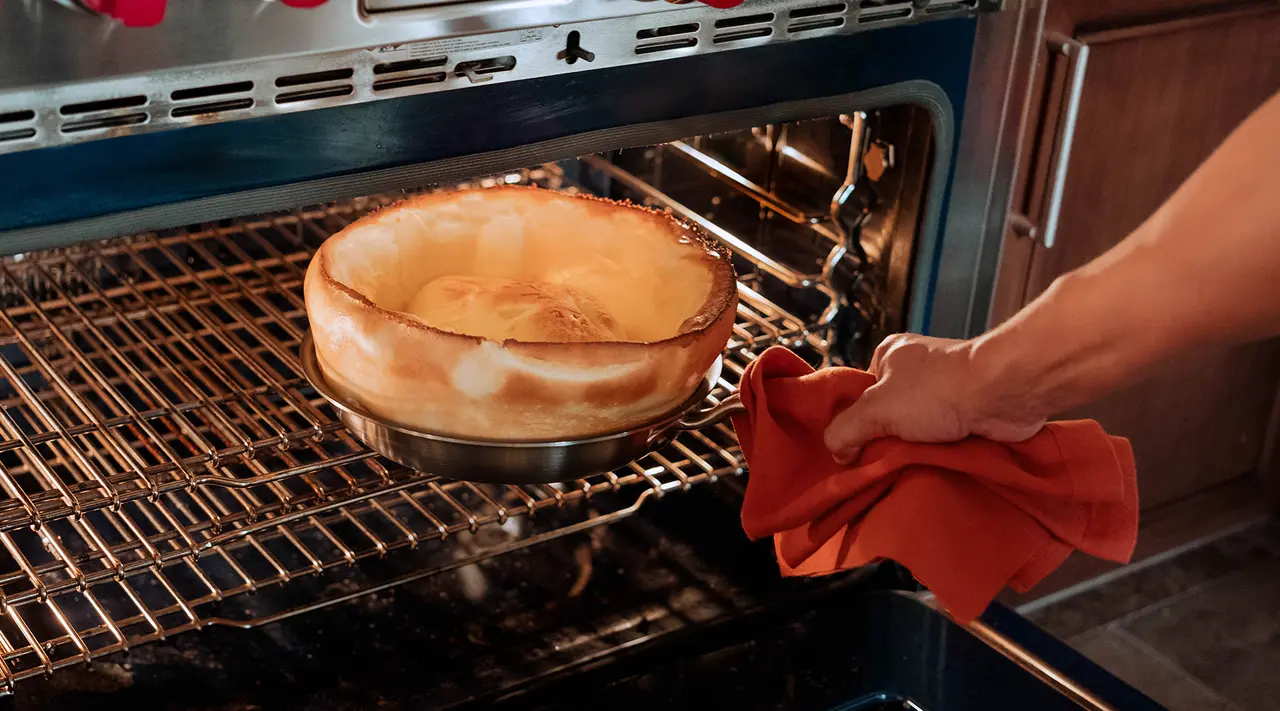
- Use dry mitts Grab the handle with a thick, dry towel or glove.
- Place on middle rack Avoid the top rack if you fear radiant heat.
- Set a timer Heat only as long as needed to finish the dish.
- Rest on a trivet The pan stays hot longer than you think.
- Mark the handle Leave the mitt on the handle so no one grabs it bare.
I do this flow when I finish steak, frittata, or crispy chicken thighs. It works every time and keeps gear safe.
Common Mistakes and How to Avoid Them
- Ignoring the handle rating Many pans are oven-safe, but the handle is not. Check it first.
- Using the broiler with nonstick Radiant heat can ruin the coating fast.
- Thermal shock Do not move a hot pan into cold water. Let it cool first.
- Overheating empty pans Heat oil first to buffer the metal and coating.
- Using spray oils at high heat They can leave sticky buildup that smokes next time.
A reader once asked, can i put a frying pan in the oven even if it has a logo plate on the handle? If that plate is plastic, the answer is no. Remove parts you can or pick another pan.

Use Cases: Why You’d Put a Frying Pan in the Oven
- Sear and finish Steak, pork chops, and chicken thighs stay juicy and brown well.
- One-pan meals Start on the stove, then bake to melt cheese or set eggs.
- Frittata and shakshuka Even heat sets the center without burning the bottom.
- Pan pizza and cornbread Cast iron gives a crisp edge and soft crumb.
- Baked fish Gentle heat with lemon and herbs keeps it moist.
If you ask, can i put a frying pan in the oven for weeknight speed, the answer is yes. It saves dishes and makes better crusts.

Cleaning and Care After Oven Use
Let the pan cool on a trivet. Do not dunk it hot. That can warp metal and crack enamel.
- Cast iron Wipe out, add a thin oil layer, and heat to keep seasoning strong.
- Carbon steel Same as cast iron. Avoid long soaks to protect seasoning.
- Stainless steel Deglaze while warm, or soak and use a soft scrub.
- Nonstick Hand wash with mild soap and a soft sponge. Skip abrasives.
- Enamel Soak and use a nylon scrub. Avoid metal tools.
People still ask, can i put a frying pan in the oven and then rinse it right away? Please wait. A few minutes saves your pan from stress and chips.
Frequently Asked Questions of can i put a frying pan in the oven
Can I put a frying pan in the oven with a rubber or plastic handle?
Only if the maker says it is oven-safe at your target temp. Many rubber or plastic handles max out at 350°F, and some are not safe at all.
Can I put a frying pan in the oven under the broiler?
Use only bare metal pans with metal handles under a broiler. Do not broil nonstick or pans with silicone, plastic, or wood parts.
Can I put a frying pan in the oven at 500°F?
Cast iron, carbon steel, and many stainless pans can handle 500°F. Check the handle, lid knob, and coating first, and avoid broilers unless stated.
Can I put a frying pan in the oven if it has a glass lid?
Maybe. Many glass lids cap at 350 to 400°F, and the knob may be lower. If unsure, bake without the lid or use a foil tent.
Can I put a nonstick frying pan in the oven?
Yes within limits, usually 400 to 500°F, and never under a broiler. Keep times short, and avoid preheating an empty nonstick pan.
Can I put a frying pan in the oven if it has a removable silicone sleeve?
Yes if the sleeve is rated for the heat or can be removed. If it is not rated, take it off before baking.
Conclusion
You can put a frying pan in the oven when the whole setup is rated for heat. Check the pan body, handle, lid, and coating. Match your recipe to those limits, and skip the broiler unless the pan is bare metal.
Use this guide the next time you wonder, can i put a frying pan in the oven for steak, frittata, or pan pizza. Start small, track temps, and protect your tools. Try one of the one-pan ideas this week, and share how it went in the comments.

Hi, I’m Mary, the founder of KitchenClue.com. I’m deeply passionate about everything that makes a kitchen smarter, easier, and more enjoyable. I share hands-on insights and practical expertise on kitchen gear that truly helps in daily cooking. Along with my dedicated research team, we study products carefully, and our writers create honest, well-tested reviews using trusted, authentic sources—so you can choose kitchen tools with total confidence.