Can You Put Regular Salt In A Salt Grinder: Best Guide 2026
Yes, but only if it’s coarse, dry, and free of additives and moisture.
If you have ever stood with a clogged mill mid-dinner, you know the struggle. I test grinders for a living, and I’ll walk you through when can you put regular salt in a salt grinder makes sense, when it damages your gear, and what to do instead. We will break down salt types, grinder parts, and real fixes, so you get perfect flakes every time.

How a salt grinder works (and why size and moisture matter)
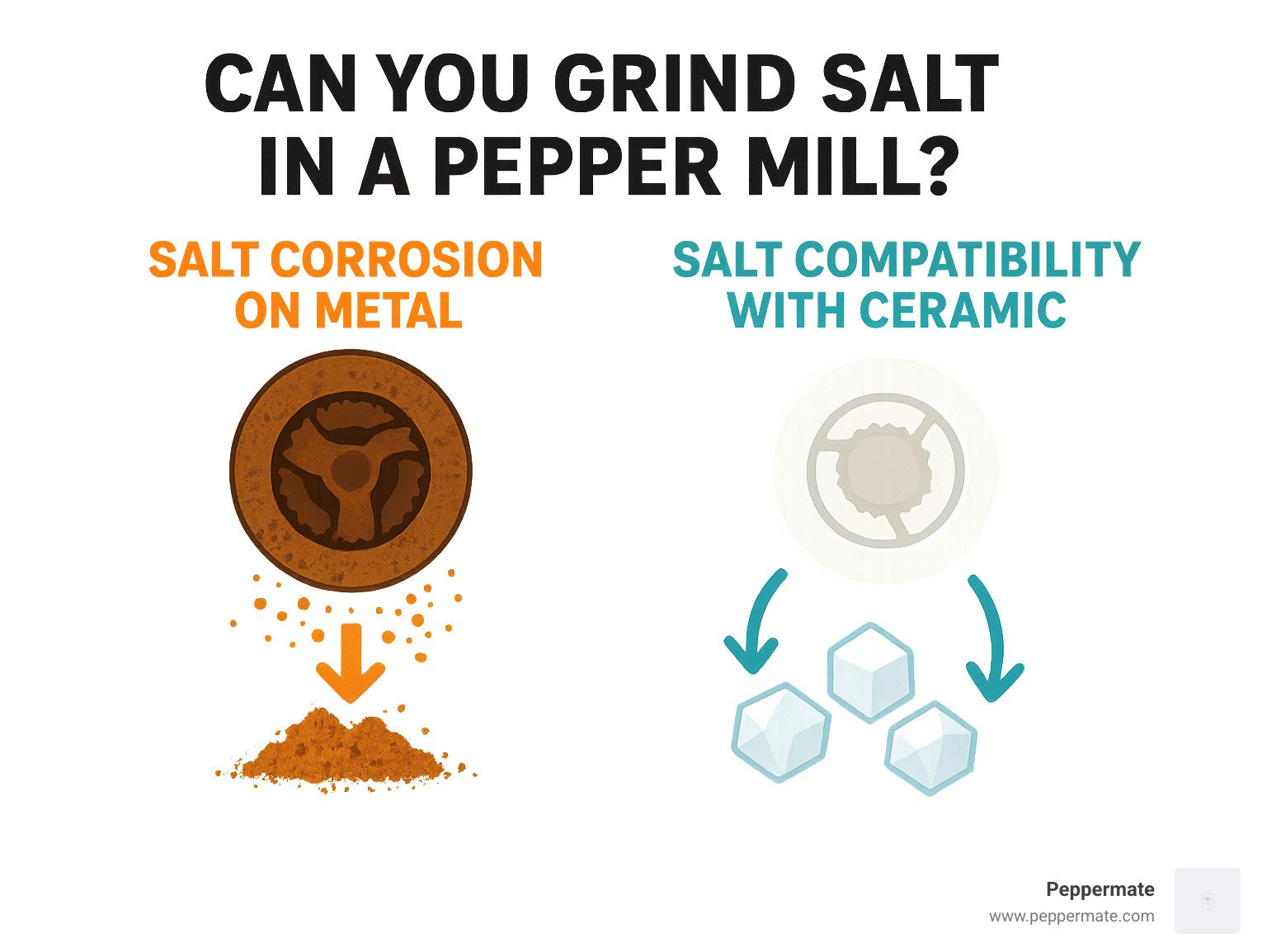
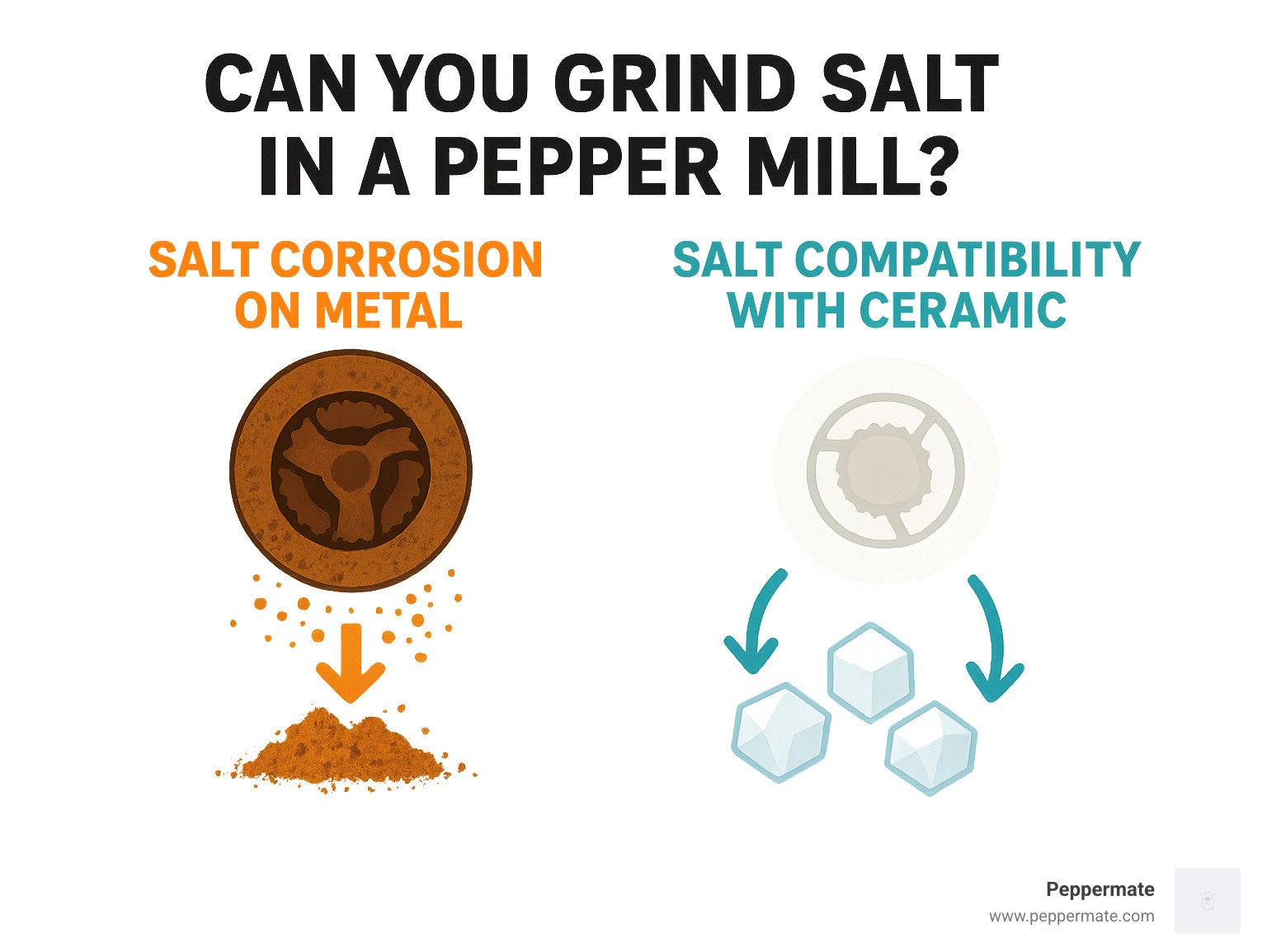
Most salt grinders use a burr or plate mechanism that crushes crystals. Ceramic burrs are best for salt because they resist corrosion. Stainless steel can pit over time from chloride ions in salt.
Grain size drives everything. If crystals are too small, they fall straight through or compact and jam. If they are too big or too moist, they stick and grind unevenly.
Moisture is the main villain. Water pulls salt into clumps, locks the burrs, and invites rust on non-ceramic parts. If you ask can you put regular salt in a salt grinder, the first check is always size and dryness.

What does “regular salt” mean?
People use regular salt to mean table salt from the grocery shelf. It is usually fine-grained and often iodized. Many brands add anti-caking agents to keep it free-flowing in shakers.
Here is how common “regular” salts behave in grinders:
- Iodized table salt. Very fine. Often clogs, compacts, or slips through. Not ideal.
- Fine sea salt. Still too small for most mills. Can cake in humid kitchens.
- Kosher salt. Some brands are coarse and work well. Others are flaky or fine and can jam.
- Rock salt and large sea salt crystals. Made for grinders. Stable and dry.
When you ask can you put regular salt in a salt grinder, read the bag. Look for words like coarse, grinder, or mill.

So, can you put regular salt in a salt grinder?
Yes, but with clear rules. If by regular salt you mean fine iodized table salt, the answer is usually no. It is too small, compacts under pressure, and can chew up soft mechanisms over time. It also contains additives that may leave residue.
If by regular salt you mean a coarse crystal with a size close to peppercorn halves, then yes. Choose dry, chunky grains around 2 to 4 millimeters. That size engages the burrs, produces even flakes, and avoids leaks.
Mechanism matters. Can you put regular salt in a salt grinder with metal burrs? You can, but expect long-term corrosion risk. Can you put regular salt in a salt grinder with ceramic burrs? Yes, ceramic tolerates chloride and will last longer.
From years of kitchen testing, my rule is simple: if I can pinch one grain and see it as a clear pebble, it grinds well. If it looks like dust or tiny flakes, it either jams or pours through. That is the honest answer to can you put regular salt in a salt grinder without problems.

Best salts for your grinder and why
You want large, dry crystals with no added moisture.
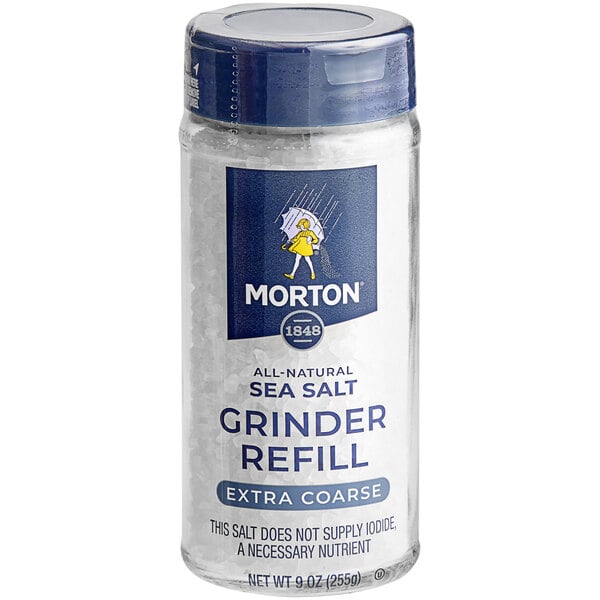
- Coarse sea salt. Clean, bright flavor, steady size, easy to grind.
- Rock salt or halite. Very hard and dry, great for consistent output.
- Coarse kosher salt. Works if the crystals are large and uniform. Check the label.
Skip damp salts like fleur de sel and sel gris for grinders. They are great as finishing salts by hand but tend to clump in mills.
When readers ask can you put regular salt in a salt grinder, I steer them to a bag labeled coarse or grinder. It solves 90% of issues before they start.
Step-by-step: prep, fill, and store your grinder
Follow this simple process to keep your grinder smooth and safe.
- Choose the right salt
- Pick a coarse salt with 2 to 4 millimeter crystals.
- Avoid fine table salt and damp salts.
- Dry the salt if needed
- Spread crystals on a sheet pan for 30 minutes to air-dry.
- For stubborn moisture, warm in the oven at 200°F for 10 to 15 minutes, then cool fully. Do not heat plastic parts.
- Clean the grinder
- Empty and tap out dust.
- Brush burrs with a dry, soft brush. Avoid water on metal burrs.
- Ceramic burrs can be rinsed, but dry completely before refilling.
- Fill and set the grind
- Fill only two-thirds full to prevent packing.
- Set the adjuster to medium and test. Tweak finer or coarser as needed.
- Store smart
- Keep the grinder capped and away from steam.
- Do not grind over boiling pots. Steam is the fastest way to cause clumps.
If you still wonder can you put regular salt in a salt grinder, try this routine with a small batch first. You will know in minutes if your salt and mill play well together.

Troubleshooting: clogs, corrosion, and weak output
Use these quick fixes drawn from test-kitchen trials and cookware servicing.
The grinder jams or turns hard
- Empty it. Dry-brush the burrs. Refill with drier, coarser salt.
- Open the adjuster to the coarsest setting and grind a few turns to clear the path.
The grinder pours salt without turning
- Your salt is too fine. Switch to a coarser crystal size.
Rust spots or pitting appear
- You likely have metal burrs. Move to a dedicated ceramic salt mill.
- Keep the grinder away from steam and wipe the exterior dry.
Output is weak or dusty
- Adjust coarser. Fine settings crush too aggressively and create dust.
- Try a larger crystal. Some kosher salts are flaky and powdery.
Taste seems flat or metallic
- Old, damp, or iodized residues can affect flavor. Clean and refill with fresh coarse sea salt.
Quick PAA-style answers:
Is it safe to use fine table salt in a grinder?
It will not harm you, but it can harm the grinder. Fine salt compacts, clogs, and wears parts faster.
Can moisture ruin a salt grinder?
Yes. Moisture clumps salt and triggers corrosion on metal burrs. Always grind away from steam.
Does ceramic matter?
Yes. Ceramic burrs resist salt corrosion and last longer. If you grind salt often, choose ceramic.
Frequently Asked Questions of can you put regular salt in a salt grinder
Can you put regular salt in a salt grinder if it is iodized?
You can, but it is not ideal. Iodized table salt is too fine and can clog or leak through the grinder.
Will anti-caking agents cause problems?
They may leave residue and make grinding less smooth. Choose coarse salts without additives for the best results.
What grind size should I aim for?
Start at medium and test a pinch on food. Adjust finer for seasoning at the table, coarser for crusting meats or veggies.
How do I clean a salt grinder safely?
Brush burrs with a dry brush. If the burrs are ceramic, you can rinse and dry fully. Avoid water on metal parts.
Can I use the same grinder for pepper and salt?
Avoid sharing one mill. Pepper needs steel burrs; salt can corrode metal. Use a dedicated ceramic salt grinder.
Does brand matter for coarse salt?
Brand matters less than size and dryness. Buy salts labeled coarse or grinder to match your mill.
Can you put regular salt in a salt grinder with stainless steel burrs?
You can, but long-term corrosion is likely. If you use salt daily, switch to a ceramic-burr grinder.
Conclusion
You can get great results with a grinder if you match the salt to the tool. Choose coarse, dry crystals and a ceramic mechanism, and store the mill away from steam. That simple combo keeps the grind smooth and the flavor bright.
If you are still asking can you put regular salt in a salt grinder, test a small batch of coarse salt today and note the difference on your next meal. Want more smart kitchen tips? Subscribe for gear-tested guides, or drop a question in the comments and I will help you troubleshoot your exact setup.

Hi, I’m Mary, the founder of KitchenClue.com. I’m deeply passionate about everything that makes a kitchen smarter, easier, and more enjoyable. I share hands-on insights and practical expertise on kitchen gear that truly helps in daily cooking. Along with my dedicated research team, we study products carefully, and our writers create honest, well-tested reviews using trusted, authentic sources—so you can choose kitchen tools with total confidence.