Can You Bring A Knife Into Canada: Legal Guide 2026
Yes, but only non-prohibited knives; many folders and automatic knives are banned.
If you have asked can you bring a knife into Canada, you are not alone. The rules changed in 2026 and they catch many travelers off guard. I work with travel gear and outdoor kits, and I see the same mistakes often. In this guide, I explain what is legal, what is not, and how to avoid costly seizures at the border. Read on to get clear, practical steps before you pack.
What Canadian law actually says about knives
Canada does not ban knives by blade length. The law focuses on how a knife opens, how it is disguised, and what you plan to do with it. Two parts of federal law matter most:
- Criminal Code definitions of prohibited weapons. These cover knives that open by automatic, gravity, or centrifugal force, and knives disguised as other objects.
- Regulations updated in January 2026. These changes now treat many one-hand opening folders as prohibited if they can be flicked open by wrist action after any initial hand pressure on a stud, tab, or hole.
Key point: A knife can be legal to own in one province but still be barred at the border. The Canada Border Services Agency (CBSA) applies federal rules for import. If a knife fails their test, they can seize it, even if similar models are sold in local shops.
Practical reading of the rules:
- If it opens by button, spring, gravity, or wrist flick, do not bring it.
- If it is hidden in a belt buckle, cane, comb, or necklace, do not bring it.
- If it is a plain kitchen, hunting, fishing, or utility knife with true manual opening, you are usually fine.
What you can bring into Canada without trouble
If you want a simple answer to can you bring a knife into Canada, start here. The safest options are tools that do not open automatically and are not disguised.
Commonly allowed when packed right:
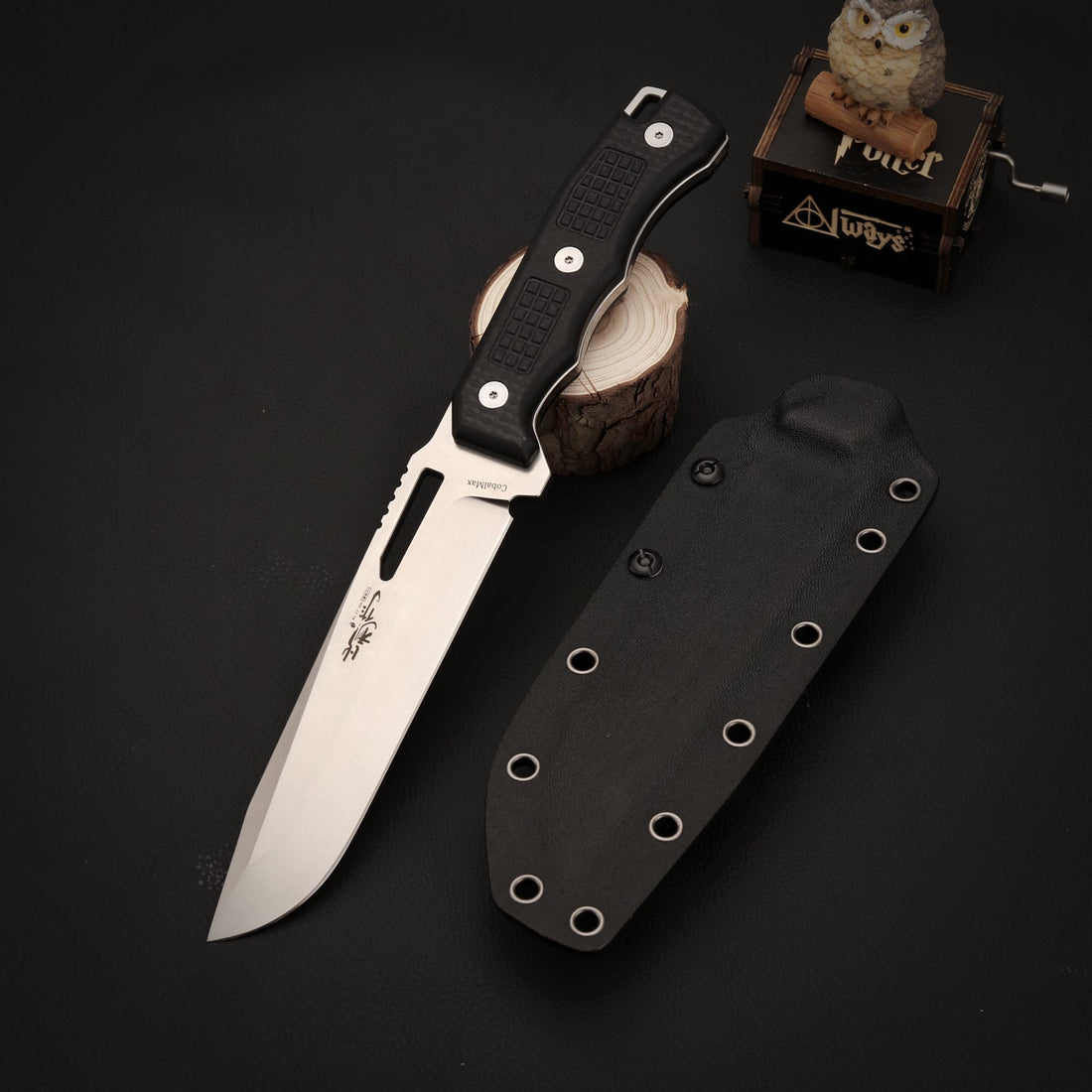
- Fixed-blade kitchen knives and chef knives. These are tools and are fine to import and use.
- Hunting and camping fixed blades. Pack clean and sheathed.
- Fishing and fillet knives. Remove any scale-covered sheath and clean well.
- Manual folding knives that cannot be flicked open. They must need steady two-hand opening and have clear resistance.
- Multi-tools with non-flickable blades. Think classic pliers-based tools with firm detents.
Note: CBSA looks at the specific sample in your bag. If an officer can wrist-flick it open, even after a few tries, that sample is treated as prohibited at the border.

Knives you cannot bring into Canada
The list below comes from federal law and CBSA policy. If you ask can you bring a knife into Canada and it matches any item here, the answer is no.
Do not bring:
- Switchblades and automatics. Any knife that opens by a button, spring, or other device.
- Gravity knives. Blades that fall or swing open by gravity or a flick.
- Centrifugal-opening knives. Any knife that can be opened by wrist action after applying pressure to a stud, hole, or flipper tab. This now includes many one-hand opening folders.
- Butterfly or balisong knives. Hinged handles that swing around the blade.
- Push daggers. T-handled blades held in a fist.
- Belt buckle knives, cane swords, pen knives, comb knives, lipstick knives, and other disguised blades.
- Throwing stars and certain other prohibited weapons.
Two warnings:
- Tightening a pivot screw is not a fix. If CBSA can still flick it, it is prohibited at the border.
- Glow-up trainer versions of butterfly knives can still be banned if they match the design.
How CBSA tests your knife at the border
Import decisions turn on a simple field test. Officers will:
- Inspect for buttons, springs, and opening aids like studs or flipper tabs.
- Try repeated wrist-flicks from a closed position. If the blade opens and locks with inertia, they treat it as centrifugal.
- Consider whether the action gets easier after a few attempts. If yes, it is prohibited.
My field note: I once had a sleek flipper seized even though it felt stiff at home. After three flicks, it snapped open for the officer. Meanwhile, my compact fixed blade sailed through with no issue. If your question is can you bring a knife into Canada and you like modern folders, assume risk is high.

Air, land, and mail: different ways to enter Canada
The law is federal, but your mode of travel changes your packing plan.
By air:
- Carry-on. Knives in carry-on are restricted by aviation rules. Small knives under 6 cm may be allowed on some domestic and international flights, but not on US-bound flights, and box cutters and razor blades are still banned. Airlines can be stricter.
- Checked baggage. Pack legal knives in checked bags. Use a sheath, wrap the blade, and label the bundle. Avoid oily or blood-stained gear.
By car or RV:
- Store knives in a locked bin or tool roll. Keep them out of reach of the driver. Have a clear use case like cooking or camping.
By boat or cruise:
- Cruise lines often ban most knives. Check their list. If you disembark in Canada, you still face CBSA rules ashore.
By mail or courier:
- The same import tests apply. If customs can flick it open, they will seize it. Add a clear invoice that calls it a kitchen or utility tool if true.
Carrying a knife inside Canada after you arrive
Owning a legal knife is one thing. Carrying it in public is another. Canada looks at purpose and intent.
Simple rules of thumb:
- There is no federal blade length limit. The issue is function and intent.
- You cannot carry any knife for a dangerous purpose. Saying it is “for self-defense” is a fast way to get in trouble.
- Keep it as a tool. Going to work, a campsite, or a kitchen is a valid reason.
- Do not conceal or disguise. Clip it in a pocket or keep it in a bag with tools.
If you asked can you bring a knife into Canada so you can EDC a folder, be careful. Many one-hand folders risk the wrist-flick test. A small, true two-hand slipjoint often draws less attention.

How to pack, declare, and avoid seizures
Want a smooth crossing? Follow this checklist.
Before you travel:
- Choose fixed blades or true two-hand folders. Avoid studs, flippers, or thumb holes.
- Clean the blade and sheath. Remove any traces of blood, bait, or game.
- Take product info. Keep a printout that shows the knife type and specs.
Packing tips:
- Use a rigid sheath or blade guard. Wrap with cloth and tape.
- Put knives in checked baggage. Place them in the middle of the bag.
- Keep other tools with them. It shows a work or camping purpose.
At the border:
- Answer questions simply and truthfully. Say it is a kitchen or camping tool if that is true.
- Do not argue the test. CBSA has the final import call.
- Be ready to abandon a knife. Better to lose gear than face a weapons charge.

Real-world examples and lessons learned
From my travel kit tests and client trips, a few patterns stand out.
What went right:
- A chef flying to Toronto packed three chef knives in a roll, all in checked luggage. Clean, labeled, and declared as kitchen tools. No issues.
- A camper drove across with a 4-inch fixed blade and a small slipjoint. Both stored with stove fuel and cookware. Smooth entry.
What went wrong:
- A collector mailed a flipper folder that looked legal online. CBSA wrist-flicked it open and seized it. The seller refunded the item but not the shipping.
- A traveler kept a multitool in a carry-on. The tiny blade was under 6 cm, but the US-bound leg killed it. Security tossed the tool.
If your thought is can you bring a knife into Canada for a trip, stick with fixed blades or true two-hand folders. Leave fancy flippers at home.
What changed in 2026 and why it matters
In early 2026, Canada tightened the meaning of centrifugal knives. Many knives once seen as fine for import became prohibited overnight. The update focused on knives that open with wrist action after the user presses a stud or flipper tab.
What this means for you:
- Many modern EDC folders now fail the border test.
- Sellers’ marketing claims do not control the decision at the port.
- Past success is not a promise. A model you brought in 2026 may be seized in 2026.
If you wonder can you bring a knife into Canada today, plan as if the test is strict. Pick designs with no opening aids and clear resistance.
Practical alternatives if you need a cutting tool
If you use a blade for work or travel, there are safe options.
Consider:
- A compact fixed blade under 4 inches with a sheath.
- A classic two-hand slipjoint with firm backspring.
- A multitool with a strong detent and no opening aids.
- Disposable safety cutters with guarded blades for packages.
These tools cover most jobs on the road and pose less import risk. They also carry well inside Canada when used as tools, not weapons.
People also ask about bringing knives to Canada
Can I bring a pocket knife into Canada?
Yes, if it is not prohibited and cannot be flicked open. Avoid studs, flipper tabs, and easy one-hand openers.
Are there blade length limits in Canada?
No federal length limit applies. The focus is on how it opens, whether it is disguised, and your intent.
Can I pack a knife in my carry-on to Canada?
Usually no. Aviation rules restrict knives in carry-on, and rules are stricter on US-bound flights. Use checked baggage.
What happens if CBSA seizes my knife?
They can detain, forfeit, or destroy it and may issue a penalty. You can appeal, but results vary and take time.
Are kitchen knives allowed at the border?
Yes. Clean, sheathed kitchen knives in checked baggage are fine. Pack them safely and answer questions honestly.
Can I bring a knife as a gift to Canada?
Yes, if it is not prohibited. Choose a kitchen or utility knife and avoid assisted or one-hand flippers.
Conclusion
You can bring a knife into Canada if it is a true tool, not a weapon, and not prohibited by how it opens or how it is disguised. The 2026 rules make many one-hand folders risky at the border. Fixed blades and real two-hand folders remain the safest bet.
Use this guide to choose the right knife, pack it well, and explain its purpose with confidence. If you are unsure, leave it home or pick a simpler tool. Want more travel gear tips like this? Subscribe for updates or drop your question in the comments so I can help with your exact setup.

Hi, I’m Mary, the founder of KitchenClue.com. I’m deeply passionate about everything that makes a kitchen smarter, easier, and more enjoyable. I share hands-on insights and practical expertise on kitchen gear that truly helps in daily cooking. Along with my dedicated research team, we study products carefully, and our writers create honest, well-tested reviews using trusted, authentic sources—so you can choose kitchen tools with total confidence.