Can You Dishwash Non Stick Pans: Safe Cleaning Guide 2026
Yes, you can dishwash non stick pans, but hand washing is safer and lasts longer.
If you have ever asked, can you dishwash non stick pans, you are not alone. I test cookware for a living and cook daily at home. I know how fast a “nonstick dream” can turn into a sticky mess. This guide breaks down what really happens in the dishwasher, how to read labels, and when it is OK to load the pan. You will get practical tips, pro habits, and clear answers so you can cook smarter and keep your pans slick.

What really happens in a dishwasher to nonstick
A dishwasher is tough love for pans. The water is hot. The detergent is strong. The spray is forceful. That combo can wear down coatings and hardware over time.
Here is what does the damage:
- High heat can dry out and embrittle PTFE and ceramic binders. Heat also weakens glued handles and silicone gaskets.
- Alkaline detergents strip oils. That sounds good, but those oils help your nonstick surface glide.
- Water jets blast food and detergent under the rim and into rivets. That leads to edge lift and flaking.
- Abrasive additives in some pods can haze the surface and make it grabby.
- Hard water leaves mineral film. Film feels sticky and makes eggs glue to the pan.
So, can you dishwash non stick pans every day? You can, but expect a shorter life. I have watched cheap pans lose their glide in a month under daily dishwashing. With gentle hand washing, the same pan lasted a year.
Types of nonstick coatings and what “dishwasher safe” really means
Not all nonstick is the same. Labels can be vague. Here is a plain guide.
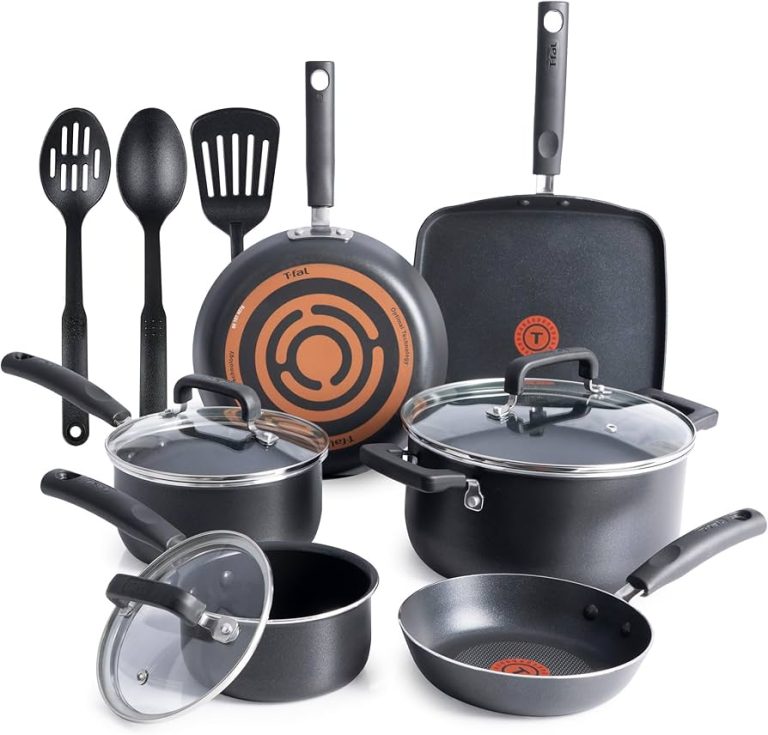
- PTFE nonstick (often called Teflon). Great release at low to medium heat. Many PTFE pans say dishwasher safe, but makers still suggest hand washing. Repeated dishwasher cycles can dull the slick top layer.
- Ceramic nonstick (silica-based sol-gel). Good when new, but it can lose release faster. Dishwashers push that aging. Bright colors and printed exteriors can fade in hot, alkaline water.
- Hard-anodized aluminum with nonstick interior. Strong bodies, but the interior is still PTFE or ceramic. The anodized exterior can spot or chalk in harsh detergents.
- Stainless steel pans with nonstick interior. Bodies hold up well in dishwashers. The coating faces the same wear risk.
- Riveted vs rivetless interiors. Riveted pans trap detergent and food at the seams. That speeds coating lift in dishwashers.
If you are wondering, can you dishwash non stick pans with a ceramic finish, yes, if the label says so. Still, the coating often loses slickness faster than hand washing.
What cookware brands and testing labs say
Most major brands allow dishwashers for many models. Then they add this line: hand wash recommended. Why? Because dishwashers are rough on release and looks. Some warranties exclude damage from dishwasher use even if the label says dishwasher safe.
Independent testing also shows that dishwasher exposure raises surface roughness. Roughness makes food stick. Color and gloss also drop with repeated cycles.
So, can you dishwash non stick pans and keep your warranty? Read the care guide. Many brands only cover defects, not wear from detergents, high heat cycles, or abrasive pods.

When you can dishwash non stick pans: a quick decision guide
Use this simple check before you toss a pan in:
- Does the pan say dishwasher safe on the base or box? If yes, you can dishwash non stick pans with care.
- Is the handle metal or stainless with rivets? Better. Bakelite, wood, or glued handles do not love dishwashers.
- Is the pan very new or very old? New pans are safer to dishwash than worn ones. Old or peeling pans will degrade fast.
- Are there deep scratches or edge lift? Do not dishwash. Water blasts can widen damage.
- Is the pan budget-tier you plan to replace soon? Go ahead. Save time. Expect a shorter life.
If you decide to run it:
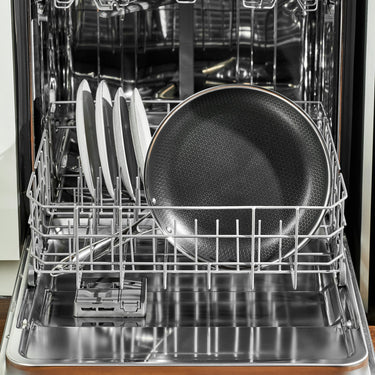
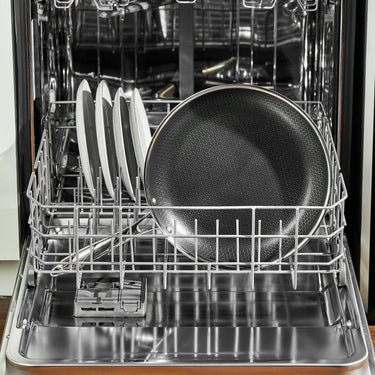
- Place it on the bottom rack at an angle for drainage.
- Use a mild pod. Avoid ones with heavy abrasives.
- Choose a normal or eco cycle. Skip sanitize or high-heat dry.
- Leave space. Do not let utensils rub the coating.
- Towel dry out of the machine to prevent water spots.
This approach makes sense when time is short. Still, if you ask me, can you dishwash non stick pans as your main method, I would not. You will feel the difference in a month.

The best way to hand wash nonstick
Hand washing takes two minutes and pays off. Here is the method I teach:
- Let the pan cool a bit. Hot shock can warp.
- Wipe out food with a paper towel.
- Add warm water and a drop of mild soap.
- Use a soft sponge or dish cloth. No scouring pads.
- Rinse and dry at once. Water spots can grab.
- Wipe a dot of oil with a towel to refresh the glide. This is optional but helpful.
From my own kitchen tests, this routine keeps eggs sliding with less oil. If someone asks, can you dishwash non stick pans to save time, I say this is just as fast once you learn the flow.

Fixing stains, haze, and sticky spots
Nonstick can get a white haze, brown film, or a sticky feel. Most times you can fix it.
For brown film from oil:
- Make a paste of baking soda and water.
- Rub gently with a soft sponge.
- Rinse, dry, and wipe a drop of oil.
For white haze from hard water:
- Fill the pan with a 1:3 mix of white vinegar and water.
- Simmer for 5 minutes. Cool, rinse, and dry.
- Wipe a dot of oil to smooth the surface.
For stuck-on food:
- Soak in warm, soapy water for 15 minutes.
- Use a plastic scraper. No metal tools.
- Repeat as needed. Do not rush with abrasives.
Avoid:
- Steel wool. It scratches the release layer.
- Oven cleaner. It strips coatings.
- Dishwasher sanitize cycles. They are too hot.
If you must ask again, can you dishwash non stick pans to remove stains, it might help with looks but not with release. Gentle deep cleaning works better.
Daily habits that extend nonstick life
Small habits matter more than any wash method.
- Cook on low to medium heat. High heat ages coatings fast.
- Preheat with a dab of oil or butter. Dry, empty preheats can hurt PTFE.
- Skip aerosol sprays. They build sticky film.
- Use wood, nylon, or silicone tools. Metal edges are risky.
- Do not stack bare. Use pan protectors or a paper towel.
- Let pans cool before washing to avoid warping.
- Store dry. Moisture at rivets can creep under the coating.
How long should a good pan last? With care, 2 to 5 years is normal. If food sticks even on fresh oil, the coating is done. Recycle the pan if your local center accepts mixed metal. Or repurpose it for camping as a spare.
If a friend asks, can you dishwash non stick pans and still get five years, maybe. But these habits do more than the choice of wash method.

Frequently Asked Questions of can you dishwash non stick pans
Is it safe to put a scratched nonstick pan in the dishwasher?
It is not a great idea. Dishwasher jets can lift more coating and make the scratch worse. Hand washing is gentler.
Will dishwashing nonstick release toxic fumes?
No. Fumes come from overheating empty pans on a stove, not from washing. Dishwashers run far below those temperatures.
Do ceramic nonstick pans handle dishwashers better than PTFE?
Not really. Ceramic may fade or lose release faster in harsh detergents. Both types last longer with hand washing.
Can I use the sanitize cycle for nonstick pans?
Avoid it. Sanitize cycles run hotter and can damage coatings, handles, and exterior paint. A normal cycle is safer.
Which detergent is best if I must dishwash?
Choose a mild pod without extra abrasives or bleach boosters. Space the pan well to reduce rubbing from utensils.
Can you dishwash non stick pans with wooden handles?
Do not. Wood and some glued joints swell and crack. Wash those by hand only.
Will the dishwasher void my pan’s warranty?
Sometimes. Many brands allow dishwashers but exclude coating wear from warranty claims. Check your model’s care guide.
Conclusion
You came here to ask one thing: can you dishwash non stick pans. The short answer still stands. You can, but hand washing wins for coating life, easy release, and looks. Use the decision guide when time is tight. Follow the quick hand-wash method when you can. Build small habits that protect your pan each day.
Set one goal this week. Hand wash your most-used nonstick after every cook. Track how eggs slide for the next month. If this helped, share it with a friend, subscribe for more kitchen tips, or drop your own test results in the comments.

Hi, I’m Mary, the founder of KitchenClue.com. I’m deeply passionate about everything that makes a kitchen smarter, easier, and more enjoyable. I share hands-on insights and practical expertise on kitchen gear that truly helps in daily cooking. Along with my dedicated research team, we study products carefully, and our writers create honest, well-tested reviews using trusted, authentic sources—so you can choose kitchen tools with total confidence.