Can You Put A Metal Saucepan In The Oven: Safe Tips 2026
Yes—but only if the pan, handle, and lid are rated oven-safe.
If you’ve ever wondered can you put a metal saucepan in the oven, you’re not alone. I test cookware for a living, and I’ve scorched a few handles in my time. In this guide, I’ll break down materials, heat limits, safety checks, and real use cases. You’ll learn exactly when, why, and how to do it right—without warping a pan or filling your kitchen with smoke.
How Oven Safety Works For Metal Saucepans
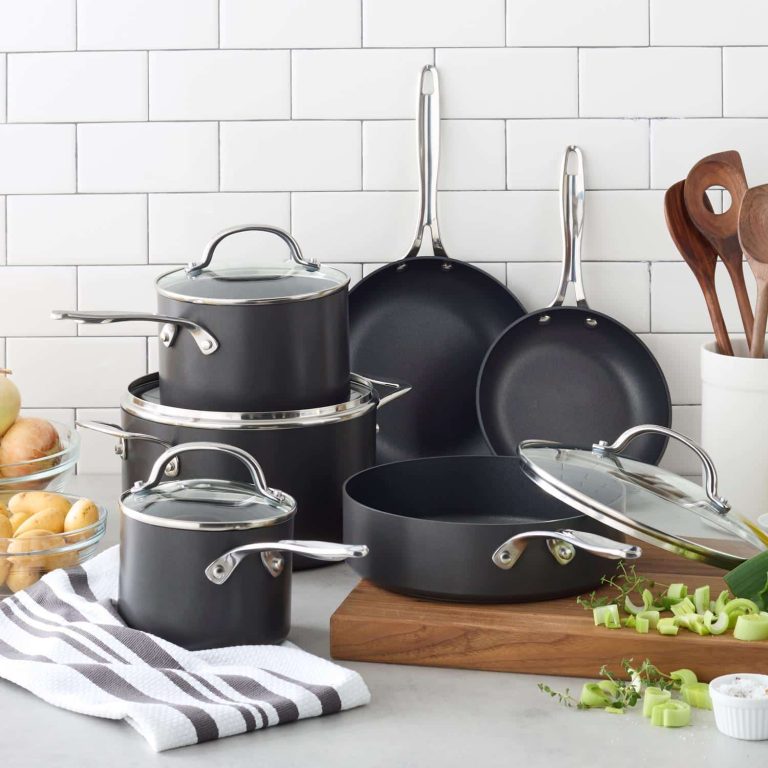
Can you put a metal saucepan in the oven? It depends on the weakest part: the handle, lid, and coatings. The body might be stainless steel or aluminum. That part is often fine at high heat. The risk lies in plastic, wood, nonstick films, and glass.
Key materials and what they mean:
- Stainless steel body. Usually safe up to 500°F or more. Great for stovetop-to-oven.
- Aluminum body. Usually safe. Anodized aluminum is stable. Check the brand’s rating.
- Copper body. Safe, but watch for tin linings. Tin can soften near 450°F.
- Carbon steel. Oven-safe and tough. Season it like cast iron.
- Cast iron. Oven and broiler safe. Heats slow but holds heat well.
Handles and lids matter more:
- Stainless handles. Often safe to 500°F. They get hot, so use mitts.
- Silicone handles. Many rate to 400°F. Do not assume all are the same.
- Phenolic/plastic knobs. Often 350°F max. They can deform or smell.
- Wood handles. Not oven-safe.
- Glass lids. Often 350–400°F. Broiler can shatter them.
From testing and manufacturer specs, nonstick (PTFE) films dislike high heat. Many cap at 400–500°F. Under a broiler, they can off-gas and degrade fast. Always check your manual.
Are stainless steel saucepans oven-safe?
Yes, most are, often to 500°F. Watch the handle and lid rating.
Are nonstick metal saucepans oven-safe?
Sometimes. Many allow 400–450°F. Skip the broiler and read the rating.
Will foil on a handle make it oven-safe?
No. Foil won’t raise the melt point. It only mutes hot spots.

When Can You Put a Metal Saucepan in the Oven?
Here’s the simple test: can you put a metal saucepan in the oven if every part is rated for the target temp? Yes. That includes body, handle, rivets, and lid. If any part is not rated, do not bake it.
Safe ranges and common cases:
- Stainless or carbon steel with metal handles. Great up to 500°F in many lines.
- Anodized aluminum with stainless handle. Often 400–450°F.
- Cast iron saucepans. Oven and broiler friendly.
Practical uses:
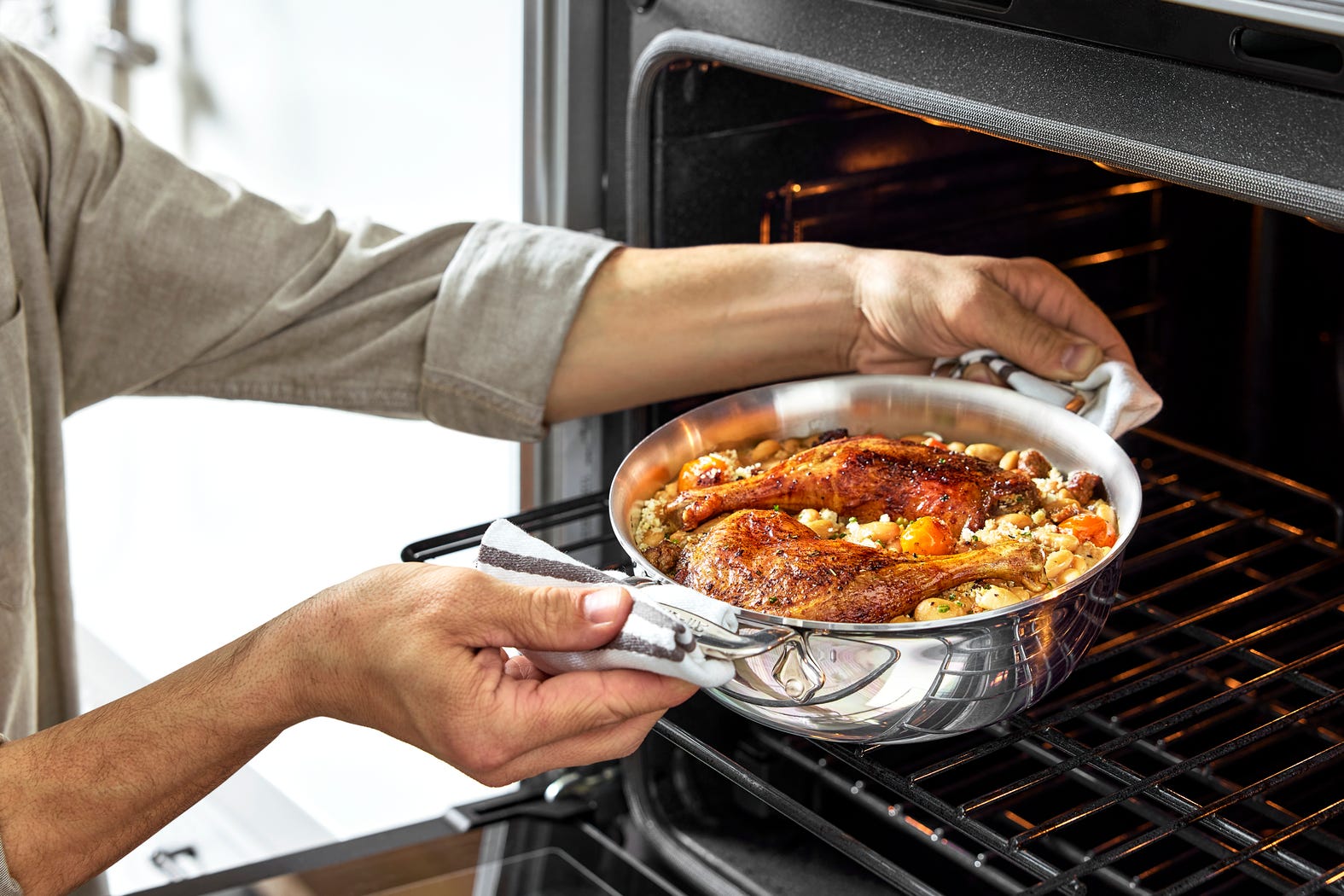
- Finish a sear. Sear on the stove. Slide into a 400°F oven to finish cooking.
- Braises and stews. Start aromatics on the stove. Transfer to 325–350°F to braise.
- Baked pasta or grains. Simmer, top with cheese, bake to brown.
Can you put a metal saucepan in the oven under a broiler? Only if the maker says broiler-safe. Nonstick and glass lids are out.

When You Should Not Put a Metal Saucepan in the Oven
Ask yourself: can you put a metal saucepan in the oven if it has a plastic knob or wood handle? No. Any weak link rules the decision.
Avoid these cases:
- Plastic or phenolic handles rated 350°F when you need 425°F.
- Glass lids at 450°F or under a broiler.
- PTFE nonstick under a broiler or beyond its rating.
- Tin-lined copper above about 425–450°F.
- Decorative wooden or leather wraps.
From my test kitchen: I melted a phenolic knob at 425°F on a braise. The stew was fine, but the knob sagged. Since then, I check ratings twice.
Can you put a metal saucepan in the oven if you remove the lid? Maybe. But the handle still needs the right rating.

How to Check If Your Pan Is Oven-Safe
Before you ask can you put a metal saucepan in the oven, look for a clear temperature rating. It’s often stamped on the base, embossed on the handle, or printed in the manual.
Quick checks:
- Look for “oven-safe to X°F” on the pan or site.
- Check each component. Body, handle, knob, and lid.
- Note exceptions. Some are oven-safe but not broiler-safe.
- Nonstick lines vary. Even within one brand.
Red flags:
- No rating and a plastic handle.
- A wobbly or glued-on knob.
- Vague language like “heat-resistant” without a number.
When in doubt, contact the brand. A two-minute email saves a pan.

Step-by-Step: Safe Stovetop-to-Oven Use
Here’s a clear method you can use today.
- Preheat the oven. Give it 10–15 minutes to stabilize.
- Stage your pan. Start on the stove as needed.
- Remove weak parts. Take off non-oven-safe lids or knobs if they detach.
- Use the middle rack. It gives even heat and space.
- Avoid the broiler unless rated. Broilers are intense.
- Protect your hands. Use dry, thick mitts. Handles are blazing hot.
- Rest the pan. Set on a dry trivet. Wet towels can steam-burn you.
- Deglaze for flavor. After baking, return to the stove and add stock or wine.
Can you put a metal saucepan in the oven straight from high heat? Yes, if it’s rated, but avoid thermal shock. Don’t go from oven to sink with cold water.

Real-World Examples and Recipes
Can you put a metal saucepan in the oven for weeknight meals? Yes, and it can save time and dishes.
Ideas I cook often:
- Crispy chicken thighs. Sear in stainless, add garlic and lemon, bake at 400°F for 15–20 minutes.
- Baked mac and cheese. Cook pasta and sauce in the pan, top with crumbs, bake at 375°F.
- Tomato-basil rice. Toast rice, add broth and tomatoes, cover with foil, bake at 350°F until tender.
These work best with stainless, cast iron, or carbon steel. Nonstick can work at 375–400°F if the brand allows it. Skip the broiler finish on nonstick.

Cleaning and Maintenance After Oven Use
Hot ovens leave residue. Care is simple but matters.
- Stainless and aluminum. Soak in warm, soapy water. Use a nylon scrubber.
- Nonstick. Let it cool. Hand-wash with a soft sponge. No abrasive pads.
- Carbon steel and cast iron. Avoid soap soaks. Scrub, dry, oil lightly.
- Remove baked-on bits. Simmer water with a splash of vinegar. Then scrub.
Can you put a metal saucepan in the oven and then shock it cold? Please don’t. Thermal shock can warp the base or crack enamel.

Common Mistakes and How to Avoid Them
- Guessing the rating. Always verify. A 350°F limit is common for knobs.
- Using the broiler on nonstick. Coatings can fail fast.
- Grabbing the handle barehanded. Use dry mitts or leather gloves.
- Covering handles with foil. It does not make them safer.
- Overheating tin-lined copper. Keep it below 450°F.
Can you put a metal saucepan in the oven if the handle wiggles? No. Tighten it first. Heat can worsen a loose fit.

Smart Alternatives and Workarounds
Sometimes the best move is to switch pans.
- Transfer to a Dutch oven. Perfect for braises and baked pasta.
- Use an oven-safe skillet. Stainless, carbon steel, or cast iron.
- Go lidless with foil. Replace a risky glass lid with foil tents.
- Start smaller, finish bigger. Sear in a skillet, finish in a roasting pan.
Can you put a metal saucepan in the oven if you’re still unsure? Use an oven-safe vessel you trust instead.
Frequently Asked Questions of can you put a metal saucepan in the oven
Can you put a metal saucepan in the oven at 400°F?
Yes, if every part is rated to 400°F or higher. Check the handle, lid, and any nonstick coating.
Is it safe to put a nonstick metal saucepan in the oven?
Often yes, but many nonstick lines cap at 400–450°F. Never use nonstick under a broiler unless the brand says it’s safe.
Can metal saucepan handles melt in the oven?
Plastic and phenolic handles can deform around 350–400°F. Stainless handles usually hold up better but still get very hot.
Can you put a metal saucepan in the oven with a glass lid?
Only if the lid is rated for the target temperature. Many glass lids top out at 350–400°F and are not broiler-safe.
What happens if I exceed the oven-safe rating?
You can warp the pan, degrade coatings, or melt handles. It may also release odors or smoke and void the warranty.
Can you put a metal saucepan in the oven and then deglaze on the stove?
Yes. Pull it out with mitts, set it on a burner, and deglaze on medium heat. Avoid adding very cold liquid to a blazing-hot pan.
Conclusion
You now know the right way to answer can you put a metal saucepan in the oven. Check ratings, respect limits, and focus on the handle and lid. Use safe temps, avoid the broiler unless allowed, and handle with care.
With those steps, stovetop-to-oven cooking is easy and fast. Try a simple sear-and-bake tonight to lock in flavor and save dishes. If this helped, share it with a friend, subscribe for more kitchen guides, or drop your questions in the comments.

Hi, I’m Mary, the founder of KitchenClue.com. I’m deeply passionate about everything that makes a kitchen smarter, easier, and more enjoyable. I share hands-on insights and practical expertise on kitchen gear that truly helps in daily cooking. Along with my dedicated research team, we study products carefully, and our writers create honest, well-tested reviews using trusted, authentic sources—so you can choose kitchen tools with total confidence.