Can You Put Cooking Pots In The Oven: What’s Safe
Yes, many pots can go in the oven, but check material and temperature.
If you’ve ever paused mid-recipe and wondered can you put cooking pots in the oven, you’re not alone. I test cookware for a living, and I’ve melted handles, saved dinners, and learned what brands never say out loud. This guide breaks down how to know, what temps are safe, and when to say no. Read on before you risk a favorite pot.

What Does Oven-Safe Actually Mean?
Oven-safe means the whole pot can handle the stated oven temperature. That includes the body, the handle, the lid, the knob, and any nonstick coating. If one part fails, the whole pot fails.
Look for an oven-safe symbol or a clear temperature rating. If it only says “oven-safe,” assume a limit around 350–400°F unless stated. Broilers are a different beast and can ruin parts fast. When asking can you put cooking pots in the oven, start with the manual, not a guess.
Materials Guide: Which Pots Can Go In The Oven?
Knowing your metal is half the battle. Here is how the most common materials behave when you ask can you put cooking pots in the oven.
Stainless steel
Most stainless steel pots are oven-safe to 500°F or higher. Bare steel and metal handles do well under heat. Watch for plastic or rubber trims. If you ask can you put cooking pots in the oven with silicone grips, check the rating first.
Cast iron and enameled cast iron
Bare cast iron and Dutch ovens shine in the oven. Many are safe to 500°F or more. Enameled cast iron is also great, but confirm the lid knob limit. Some older knobs cap at 375–400°F.
Hard-anodized aluminum
Anodized aluminum bodies are often oven-safe. Limits range from 400–500°F. Many have nonstick layers and soft handles, so the lowest-rated part sets the cap. Can you put cooking pots in the oven if they are anodized? Yes, with care.
Nonstick (PTFE and ceramic)
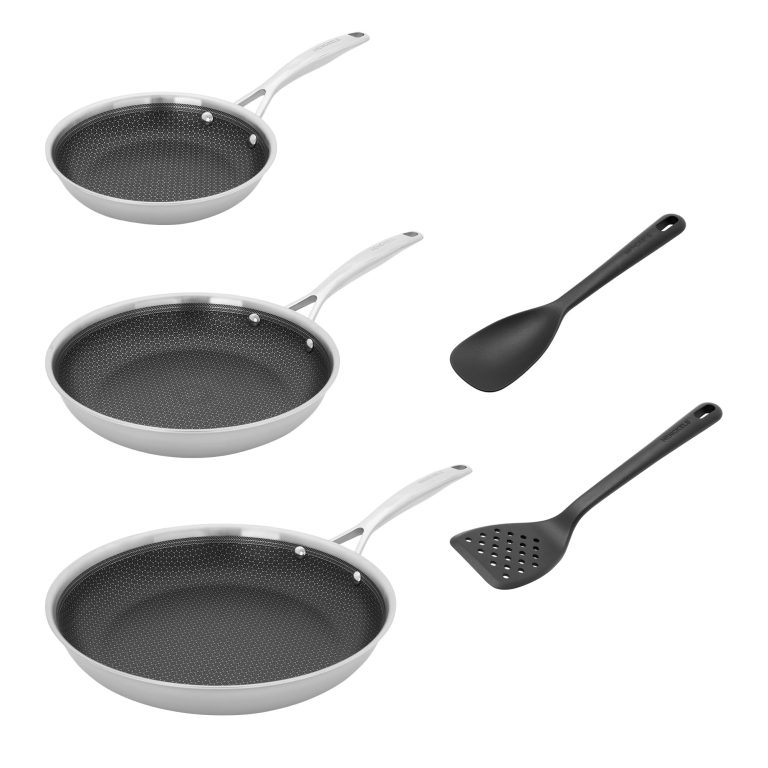
Many nonstick pots are rated 350–500°F. Higher temps can damage the coating. PTFE can degrade near 500°F. Avoid the broiler. If you wonder can you put cooking pots in the oven when they are nonstick, follow the exact number on the handle or box.
Copper and copper-core
Bare copper is rare for pots, but copper-core clad pots act like stainless. Most are fine to 500°F if the handles are metal. Lids and knobs are the weak points. So can you put cooking pots in the oven if they are copper-core? Usually yes, if all parts match the heat.
Glass or ceramic pots
Some ceramic or glass pots are oven-safe, but they need slow heat changes. Check for thermal shock warnings. Glass lids often top out at 350–400°F.
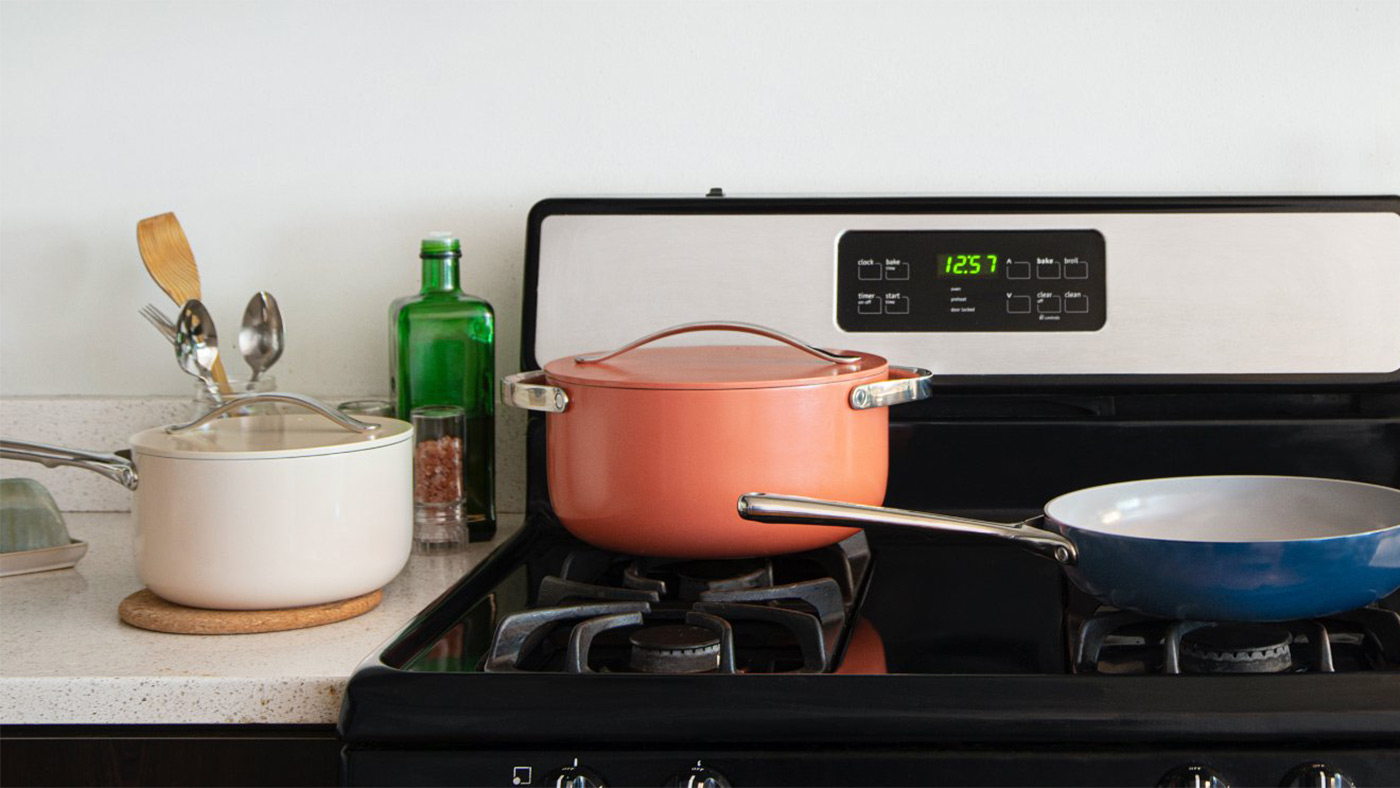
Handles, Lids, and Small Parts That Can Fail
Handles decide the fate of many pots. Metal handles are best in ovens. Wood, plastic, or Bakelite often cap at 300–350°F. Silicone varies from 400–500°F based on brand.
Lids matter too. Tempered glass lids are handy but often rated lower than the pot. Knobs can have plastic cores. A sturdy body does not help if the knob melts. When asking can you put cooking pots in the oven, scan the fine print on those small parts.

Temperature Limits and How To Read Them
Heat ratings are only as strong as the lowest-rated part. Here are common ranges I see in testing:
- Stainless steel body and metal handles: 500–600°F
- Enameled cast iron: up to 500°F, sometimes more
- Nonstick with PTFE: 400–500°F, avoid empty preheating
- Ceramic nonstick: 400–500°F, varies a lot by brand
- Tempered glass lids: 350–400°F
- Silicone grips and knobs: 400–500°F, check your model
Broilers send intense radiant heat. Parts can scorch even at a “normal” oven setting. If you ask can you put cooking pots in the oven under a broiler, the safe answer is usually no unless it says broiler-safe.
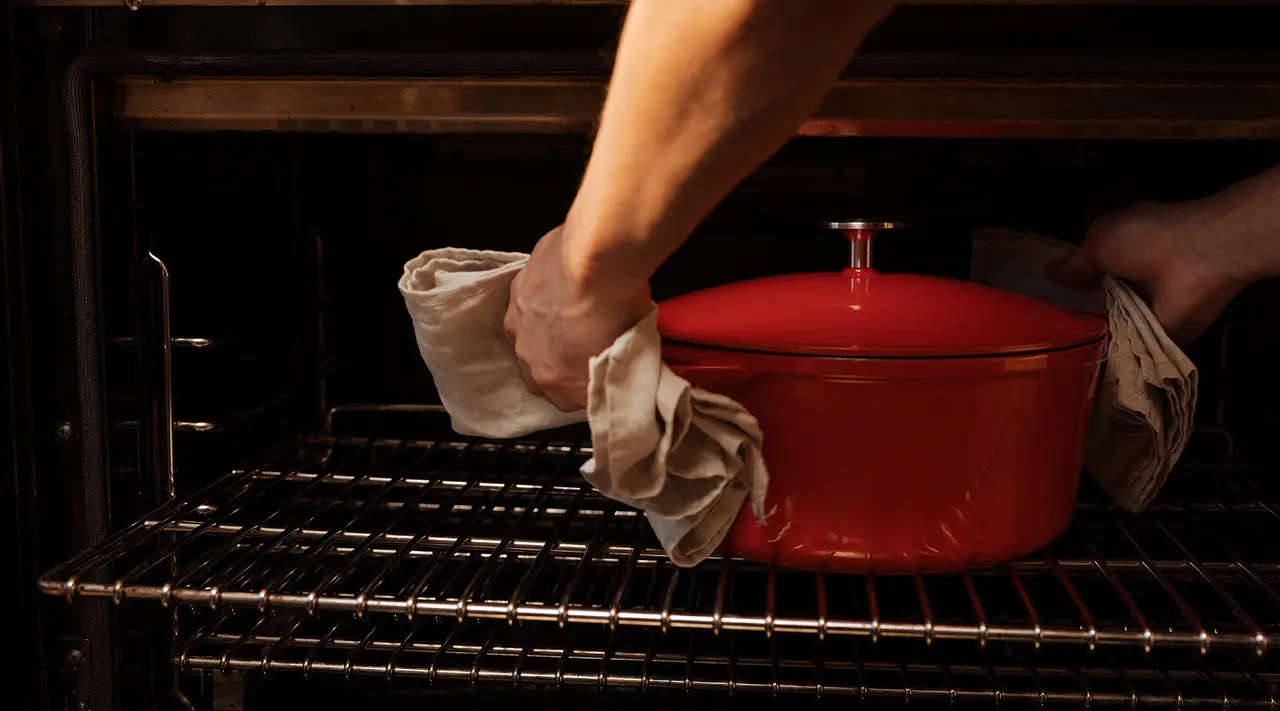
Step-By-Step Checklist Before You Put A Pot In The Oven
- Check the manual or stamp for an oven-safe icon and max temp.
- Confirm all parts match the rating, including the lid and knob.
- If the pot is nonstick, avoid preheating it empty. Add food or a little oil.
- Remove slip-on silicone sleeves if they are not rated for the heat.
- Stay under the broiler unless the pot is broiler-safe.
- Heat up and cool down slowly to avoid warping or cracks.
- If you still wonder can you put cooking pots in the oven, assume a lower temp and test with care.
:max_bytes(150000):strip_icc()/7193373-bea9ebc556cb44e297eb21756d75365b.jpg)
Real-Life Examples and Lessons From My Kitchen
I once slid a stainless pot with a plastic knob into a 450°F oven. The soup was great. The knob drooped like a candle. That day taught me to check the lid.
Another time, I baked bread in a small enameled Dutch oven at 475°F. It worked well because the knob was metal. A reader asked me, can you put cooking pots in the oven if the handbook is missing? I say test at 350°F first for 10 minutes with no food. Check for smells or soft parts before you commit.

Common Mistakes And How To Avoid Them
- Trusting the body and not the handle. One weak piece can fail.
- Using the broiler with nonstick or glass lids. They scorch or shatter.
- Moving a hot pot to a cold sink. That shock can warp metal or crack enamel.
- Putting a hot nonstick pot into cold water. Coatings hate rapid changes.
- Ignoring the question can you put cooking pots in the oven when you see loose screws or wobbly knobs. Tighten them first.

After-Oven Care: Cleaning And Safety
Let the pot cool on a dry towel or trivet. Do not blast it with cold water. For stuck bits, soak with warm water and a drop of soap.
Re-season bare cast iron if food starts to stick. Avoid steel wool on enamel or nonstick. Dry well to prevent rust. If you still ask can you put cooking pots in the oven after a deep clean, recheck the parts. Heat can loosen screws over time.
Fast Answers To Common Searches
Can I put a nonstick pot in the oven?
Yes, if the rating allows it. Stay within the listed limit, avoid the broiler, and do not preheat it empty.
Can I put a pot with silicone handles in the oven?
Often yes. Many silicone grips handle 400–500°F, but check your exact brand’s rating.
Can you put cooking pots in the oven if the lid is glass?
Sometimes. Many glass lids are only safe to 350–400°F, so bake lower or remove the lid.
Frequently Asked Questions of can you put cooking pots in the oven
How do I know if my pot is oven-safe?
Check the bottom stamp, the handle, or the manual for a temp rating. When in doubt, contact the maker with the model number.
Can you put cooking pots in the oven straight from the fridge?
Avoid that jump. Let the pot warm on the counter for 15–20 minutes to reduce thermal shock.
Are all-clad or tri-ply stainless pots safe in the oven?
Most are safe up to 500°F or higher. Confirm the handle and lid limits to be sure.
Is it safe to use parchment or foil with pots in the oven?
Yes. Both can line a pot to prevent sticking. Keep foil away from burner flames and broilers.
Can you put cooking pots in the oven with food acid like tomato sauce?
Yes. Stainless and enameled cast iron handle acids well. Bare aluminum and unseasoned cast iron can react and change flavor.
Will a dishwasher cycle undo oven-safe status?
No, but it can dull finishes or harm nonstick over time. Hand-wash prized pieces after high-heat use.
Can you put cooking pots in the oven under the broiler?
Usually no. Many handles, lids, and coatings are not broiler-safe unless stated.
What temp is too high for nonstick pots?
Most nonstick caps at 400–500°F. Stay 25°F under the max to extend the coating’s life.
Can you put cooking pots in the oven with removable handle sleeves?
Only if the sleeves are rated for that temp. If not, remove them before baking.
Do I need to preheat the pot?
For cast iron, preheating can help browning. For nonstick, avoid long empty preheats to protect the coating.
Conclusion
You can bake, braise, and finish many dishes in the same pot, as long as you match the oven to the pot. Confirm the rating, respect the lowest-rated part, and avoid sudden heat swings. When you ask can you put cooking pots in the oven, the right checks turn risk into routine.
Try one safe test bake this week. Start with 350°F, a metal-handled pot, and a simple braise. Want more gear tips and kitchen tests? Subscribe, share your wins, or drop your questions in the comments.

Hi, I’m Mary, the founder of KitchenClue.com. I’m deeply passionate about everything that makes a kitchen smarter, easier, and more enjoyable. I share hands-on insights and practical expertise on kitchen gear that truly helps in daily cooking. Along with my dedicated research team, we study products carefully, and our writers create honest, well-tested reviews using trusted, authentic sources—so you can choose kitchen tools with total confidence.