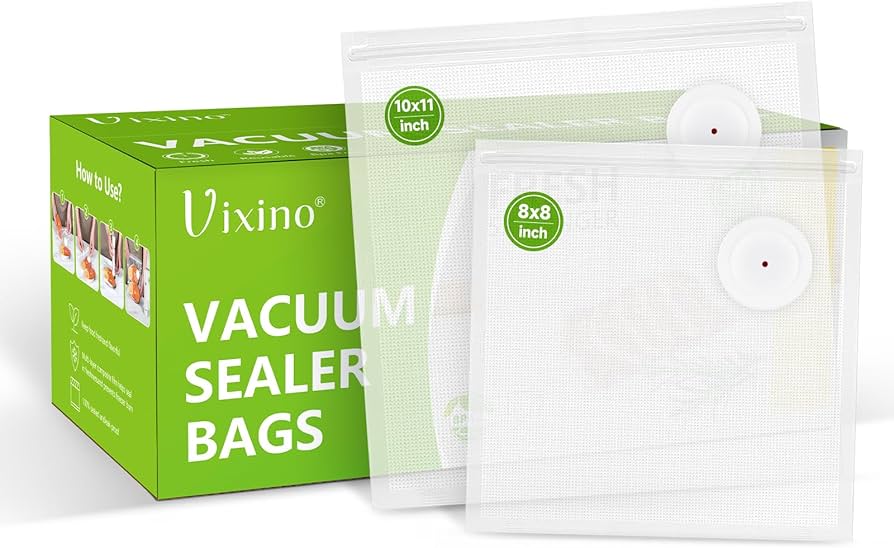
Can You Use Any Bags In A Vacuum Sealer: Best Options
No. Most sealers need specific textured or smooth heat‑seal bags, not everyday plastic.
If you have wondered can you use any bags in a vacuum sealer, you are not alone. I test food storage gear for a living and in my own kitchen. I work with channel sealers, chamber units, and handheld tools. In this guide, I’ll explain what works, what fails, and why it matters for safety, sous vide, and your budget. Stick with me and you will know exactly which bags to use, when to swap, and how to save money without ruined seals or wasted food.

How vacuum sealers work (and why bag choice matters)
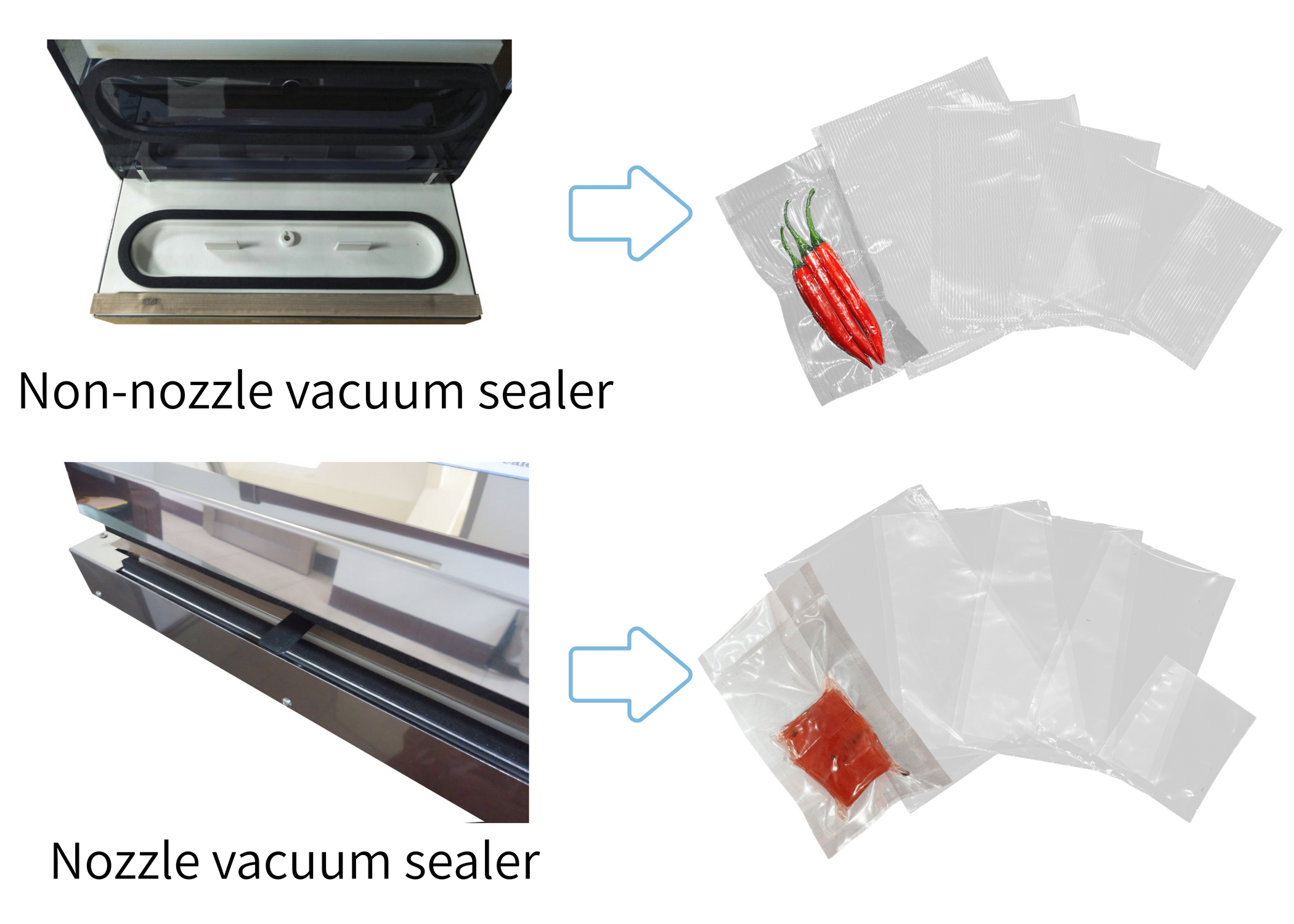
A vacuum sealer removes air, then heat-seals a bag to lock it out. Channel or suction sealers pull air through textured channels in the bag. Chamber sealers remove air from the whole chamber, so they do not need texture.
Bags must do three jobs. They must let air escape fast, handle heat from the seal bar, and block oxygen and moisture over time. If you ask can you use any bags in a vacuum sealer, the answer depends on these three needs and your machine type.
What I have learned in testing dozens of models is simple. The right bag gives a clean vacuum, a strong seam, and months of protection. The wrong bag looks fine at first, then leaks, fogs, or pops open in the freezer.
Types of vacuum sealer bags and what they are best for
Here are the most common options you will see and when to use them.
Embossed or textured rolls and bags
Best for channel or suction sealers. They have tiny air channels on one side. They are usually PA/PE multi‑layer for strength and heat sealing.Smooth chamber pouches
Ideal for chamber sealers. No texture needed. Often 3 mil for general use and 4 mil for bones or sharp edges.Zip-top freezer bags
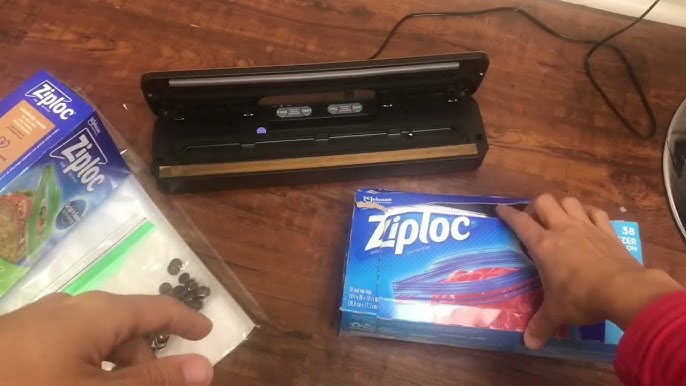
Handy for short-term storage or water displacement sous vide. Not made for vacuum sealing. Seals are weak under heat and long freezes.Mylar bags (metalized PET)
Great oxygen barrier for dry goods with oxygen absorbers. Tricky to seal on home suction units. Some chamber sealers can seal them if the seal bar is hot enough.Reusable silicone valve bags
Work with handheld pump systems. Not for channel or chamber machines unless made for them.Specialty bags
Boilable or sous vide rated bags. Bone‑guard liners. Gusseted bags for roasts. Use them when the job calls for it.
When people ask can you use any bags in a vacuum sealer, this mix of materials and textures is the key reason the answer is no.

Can you use any bags in a vacuum sealer? The short answer and why
Can you use any bags in a vacuum sealer? No. Channel sealers need textured bags so air can flow to the pump. Chamber sealers can use smooth pouches because they evacuate the whole chamber.
Here is the rule I share with clients. Match texture to suction sealers. Match smooth pouches to chamber units. Use valve bags only with handhelds. If you forget this, you will get weak vacuums, partial seals, or melted edges.
I have tried to force the issue many times. Zip bags in a suction sealer? The pump chokes and the seal fails. Embossed bags in a chamber unit? They work fine, but they cost more with no benefit. So, can you use any bags in a vacuum sealer? Not if you want a strong seal and safe food.

Brand and model compatibility tips
Most big brands follow the same physics, but small details matter.
FoodSaver, Nesco, NutriChef, Geryon, Anova Precision (suction units)
Use embossed or textured rolls and bags. Third‑party textured bags work if they are quality PA/PE and about 3–4 mil thick.Weston Pro series and high‑end suction models
Same as above, but they like thicker bags for big cuts. Look for wide seal bars and double‑seal settings.VacMaster, Avid Armor chamber sealers
Use smooth chamber pouches. 3 mil works for most foods. Go 4–5 mil for bones, jerky, or sharp items. Many can seal Mylar, but check seal bar heat and width.Handheld systems (FoodSaver handheld, Zwilling, Stasher valve bags)
Use their valve bags or containers only. They do not work with standard rolls.
One more time for clarity: can you use any bags in a vacuum sealer? No. Match the bag to your machine class, and you will be set.

Safety, sous vide, and storage: what to know before you seal
Food safety comes first. Use food‑grade bags made for vacuum sealing. Most PA/PE vacuum bags are BPA‑free and rated for freezer use. Many are safe for simmering and sous vide up to about 195°F or 90°C. Always check the package specs.
For sous vide, use real vacuum sealer bags. Zip bags can work with the water displacement method at lower temps, but they are not ideal for long cooks or high heat. Mylar is great for pantry storage with oxygen absorbers, but it is not clear or flexible for sous vide.
Freezer burn is dehydration, not spoilage. A good vacuum and an oxygen barrier stop it. If you have wondered can you use any bags in a vacuum sealer for long freezer storage, stick with true vacuum bags. You will get months, sometimes a year or more, of quality.
Cost‑saving moves without losing seal strength
Good bags do not have to be pricey. Here is how I trim costs while keeping results strong.
Buy rolls, not only pre‑cut bags
Cut only what you need. Less waste, more value.Use thicker bags only when needed
Standard 3 mil is fine for most foods. Save 4–5 mil for bones or long storage.Reuse for dry goods
If a bag held nuts or coffee, trim the top and reseal. Do not reuse bags that held raw meat.Double‑seal for security
Add a second seal line. It costs pennies and prevents pop‑opens.Label and date
Knowing what is inside saves money and time.
If you still ask can you use any bags in a vacuum sealer to save money, remember that one failed seal can waste a whole roast. Smart buying beats risky hacks.

Troubleshooting bad seals and tricky foods
Even with the right bag, things can go wrong. Here is what has worked for me.
Moisture in the seal area
Pat the edge dry. Fold the top inside out while filling. For wet foods, freeze flat for 1–2 hours, then seal.Liquid pull or “boil” in the bag
Use the pulse button or a gentle setting. Or switch to a chamber sealer for soups and stews.Sharp edges
Use a bone‑guard liner or double‑bag. Place a paper towel around fish tails or rib tips.Weak vacuum with smooth bags on a suction unit
That is the classic mismatch. If you wonder can you use any bags in a vacuum sealer, this is your sign to swap to textured rolls.Seal not holding
Clean the seal bar. Let the machine cool between cycles. Increase seal time if your unit allows it.

Real‑world examples from my kitchen
I buy meat in bulk. Textured rolls on a Weston suction sealer give me a rock‑solid seal on ribeyes and chicken thighs. I leave at least 3 inches of headspace and add a second seal line.
For soups, chili, and bone broth, I use a VacMaster chamber sealer with smooth 3 mil pouches. I chill the liquid first. The vacuum is perfect and the pouches stack flat in the freezer.
When I tried to cut corners with zip bags in a suction unit, I got partial vacuums and leaky seams. That test taught me, yet again, that can you use any bags in a vacuum sealer is the wrong question. The right question is which bag gives the best result for this food.
Frequently Asked Questions of can you use any bags in a vacuum sealer
Can I use regular zip-top bags in a vacuum sealer?
Not with suction machines. They lack texture and melt or leak under the seal bar. Use the water displacement trick for short sous vide cooks, not long storage.
Do Mylar bags work in a vacuum sealer?
Some chamber sealers can seal Mylar if the seal bar is hot enough. Suction sealers struggle because Mylar is smooth and reflects heat.
Are vacuum sealer bags reusable?
Yes, for dry foods like nuts or snacks. Do not reuse bags that held raw meat, fish, or dairy due to cross‑contamination risk.
Will vacuum sealing crush soft foods?
It can. Use the pulse function, partial vacuum, or freeze items first. Chamber sealers allow more control and reduce crushing.
Can I seal liquids with a suction sealer?
It is tough. Chill or pre‑freeze liquids, or use a chamber sealer. A paper towel dam near the seal can help in a pinch.
Is it safe to sous vide in vacuum sealer bags?
Yes, if the bags are rated for cooking temps, often up to about 195°F or 90°C. Always check the manufacturer’s heat rating.
Can I seal chip bags or snack bags with a vacuum sealer?
You can heat‑seal many snack bags shut, but you cannot vacuum them. The material is not made for evacuation or long‑term sealing.
Conclusion
You now know the simple truth: can you use any bags in a vacuum sealer is a no. Match bag type to your machine, and you get tight vacuums, safe storage, and clear wins in the kitchen. Use textured bags for suction units, smooth pouches for chamber sealers, and valve bags for handheld systems.
Take action today. Pick the bag that fits your sealer and your food, label it, and add a double seal. Want more gear tips and kitchen tests? Subscribe, share your questions, or drop a comment with what you are sealing next.

Hi, I’m Mary, the founder of KitchenClue.com. I’m deeply passionate about everything that makes a kitchen smarter, easier, and more enjoyable. I share hands-on insights and practical expertise on kitchen gear that truly helps in daily cooking. Along with my dedicated research team, we study products carefully, and our writers create honest, well-tested reviews using trusted, authentic sources—so you can choose kitchen tools with total confidence.