Can You Put A Dutch Oven In The Oven: Safety Guide 2026
Yes, you can put a Dutch oven in the oven, if it’s oven-safe and prepped.
If you have ever asked can you put a dutch oven in the oven, you are not alone. I’ve tested cast iron and enameled models across gas, electric, and convection ovens. In this guide, you will learn what is safe, what to avoid, and how to get top results with bread, braises, and roasts. We will cover temps, lids, care, and real tips from many meals cooked and baked at home.

What Is a Dutch Oven and Why It Shines in the Oven
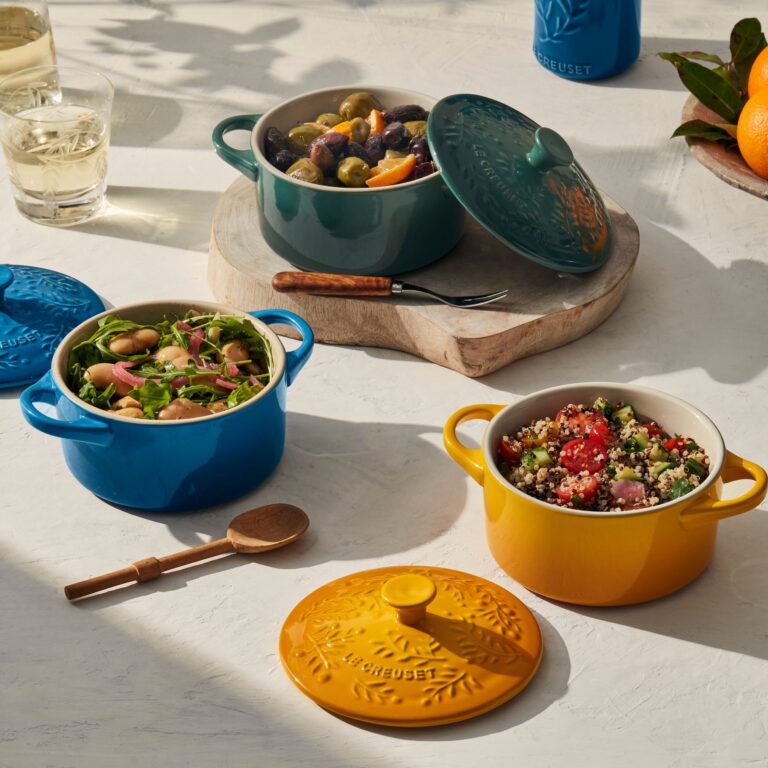
A Dutch oven is a thick, heavy pot with a tight lid. It is most often cast iron or enameled cast iron. It holds heat well, spreads heat even, and locks in steam.
In the oven, the sealed heat turns tough cuts into tender meals. It crisps bread crust and keeps stews steady and smooth. If you wonder can you put a dutch oven in the oven for bread, braises, or beans, these pots were made for that job.
A Dutch oven’s mass evens out hot spots. That means less stirring and fewer scorched bits. The lid traps steam for moist heat, like a tiny oven inside your oven.

Oven-Safety Basics: Materials, Temperatures, and Limits
Here is the core: most cast iron and enameled cast iron Dutch ovens are oven-safe. Still, not all lids or knobs have the same heat limit. Always check your maker’s guide.
Key ranges you will see:
- Bare cast iron: Often safe well beyond normal bake temps. 500°F and more is common.
- Enameled cast iron: Often safe to 450–500°F. Some lids or knobs rate lower.
- Phenolic or plastic knobs: Often 375–400°F max. Swap to a metal knob if you bake hot.
- Stainless steel or metal knobs: Often 500°F or higher.
- Ceramic or clay pots: Often safe to 400–450°F. Watch for thermal shock.
What about the broiler? Use care. Enamel can stain or craze near direct top heat. Many makers say no broiler or short use only. Do not use the self-clean cycle. It runs far too hot.
If your search is can you put a dutch oven in the oven, the short answer is yes. The long answer is to match your use to your pot and lid rating. That way, you cook safe and get a great result.
Quick answers people ask
- Can I preheat the Dutch oven empty? It is safer to warm it with food or a light oil layer inside, not bone-dry.
- Can the lid go in too? Yes, if the knob and lid parts are rated for the temp you use.
- Can a Dutch oven go from fridge to oven? Avoid that. Big temp jumps can crack enamel or warp parts.

How to Safely Put a Dutch Oven in the Oven (Step-by-Step)
If you ask can you put a dutch oven in the oven and want a foolproof plan, follow this:
- Check ratings. Confirm the pot, lid, and knob limits.
- Position racks. Set a rack in the center or lower third for even bake.
- Preheat the oven. Let it reach full temp before you load heavy cookware.
- Preheat the pot with care. For bread, place the Dutch oven in the oven while it preheats, but do not heat it bone-dry for long. A 20–30 minute preheat is common for bread.
- Use dry, oven-safe mitts. The pot is heavy and very hot.
- Mind thermal shock. Do not add cold liquid to a hot pot. Do not put a hot pot on a wet counter. Place it on a dry trivet.
- For lids and knobs. If your knob is not fully oven-safe, remove it, or swap it for a metal knob.
- Let it rest. After baking, rest the pot on a stable, heat-safe surface. Crack the lid to vent steam.
These steps fit most use cases. They turn the question can you put a dutch oven in the oven into a yes and a great meal.

Recipes and Use Cases: When the Oven Beats the Stovetop
A Dutch oven in the oven does tasks the stovetop cannot match. It gives steady heat, top browning, and steam control.
Great uses:
- Sourdough and no-knead bread. Trap steam for a bold, crisp crust.
- Braises and stews. Cook low and slow, from chuck roast to short ribs.
- Whole chicken and small roasts. Even heat, juicy inside, crisp skin.
- Beans and legumes. Slow bake yields tender beans with fewer splits.
- Casseroles and baked pasta. No foil needed; the lid does that job.
If your plan is can you put a dutch oven in the oven for bread, go for a hot preheat. For braises, a lower temp like 300–325°F helps break down collagen over hours. For roasts, start hot to brown, then drop the temp to finish.

Care, Cleaning, and Maintenance After Oven Use
Good care keeps your pot safe and clean for years.
- Cool with care. Let the pot cool before washing. Hot enamel and cold water can cause shock.
- Wash by hand. Use warm water, mild soap, and a soft sponge.
- Stuck bits. Soak with warm water and baking soda. For bare cast iron, use a scraper, then dry and oil.
- Dry well. Prevent rust on bare iron by drying and adding a very thin oil coat.
- Avoid harsh tools. No steel wool on enamel. It can scratch the gloss.
- Store with airflow. Place a paper towel between lid and pot to prevent moisture build-up.
This care plan supports the core goal if you ask can you put a dutch oven in the oven often. It extends the life and finish of the pot.

Common Mistakes and How to Avoid Them
I see the same errors over and over. They are easy to fix.
- Heating an empty pot for too long. This can damage enamel. Preheat only as long as you need, and avoid a bone-dry, ultra-hot pot for extended time.
- Ignoring the knob rating. Many knobs are the weak link. Swap to a metal knob for high-heat bakes.
- Thermal shock. Do not add cold stock to a hot pot. Warm liquids first.
- Using the self-clean cycle. It can ruin enamel and seasoning.
- Dragging the pot on glass cooktops. Lift to move. It prevents scratches.
- Skipping oven mitts or damp towels. Damp cloth can flash to steam and burn you.
If someone asks can you put a dutch oven in the oven under the broiler, my tip is to use caution, lower the rack, and keep time short. Or remove the lid and knob to protect them.

Real-World Notes From My Kitchen
I bake bread in an enameled 5.5-quart pot. I preheat it to 475°F for 25 minutes. I use a metal knob. The crust sings, and the crumb sets well. I tried the same with a plastic knob once, and it browned. Lesson learned.
For pot roast, I brown on the stovetop, then go to a 300°F oven for 3 hours. The steady oven heat gives a better texture than the stovetop alone. When I asked myself years ago can you put a dutch oven in the oven for beans, I did a side-by-side test. The oven batch had more even skins and a creamy center.
One more note. I never shock the pot. I keep a wooden trivet on the counter. I warm broth before adding it. These small moves prevent chips and cracks and keep my gear working like new.
Frequently Asked Questions of can you put a dutch oven in the oven
Can you put a dutch oven in the oven with the lid on?
Yes, if both the pot and the lid are rated for your target temp. Check the knob rating, since it is often the limit.
Can you put a dutch oven in the oven for sourdough?
Yes. Preheat the pot, score the dough, and bake covered, then uncovered. The trapped steam builds a crisp, glossy crust.
Can you put a dutch oven in the oven under the broiler?
Use care. Many enameled lids and knobs do not like direct top heat; short bursts only, and keep space from the element.
Can you put a dutch oven in the oven if it has a plastic knob?
Often no at high heat. Replace it with a stainless steel knob to bake above 400°F.
Can you put a dutch oven in the oven straight from the fridge?
Avoid that. Let it come closer to room temp to prevent thermal shock to enamel or the pot.
Can you put a dutch oven in the oven at 500°F?
Many enameled models can handle up to 500°F, but verify for your brand. Bare cast iron often tolerates higher heat.
Can you put a dutch oven in the oven when it is empty?
For bread, brief preheats are common. Do not leave it empty and blazing-hot for long; it can stress enamel.
Conclusion
Yes, you can put a dutch oven in the oven and get amazing results. Match your temperatures to the pot and knob, preheat with care, and avoid thermal shock. Use this guide to bake bold sourdough, tender braises, and juicy roasts with ease.
Ready to cook? Try one new oven recipe this week and note your settings and results. If this helped, share it with a friend, subscribe for more tips, or drop a question in the comments.

Hi, I’m Mary, the founder of KitchenClue.com. I’m deeply passionate about everything that makes a kitchen smarter, easier, and more enjoyable. I share hands-on insights and practical expertise on kitchen gear that truly helps in daily cooking. Along with my dedicated research team, we study products carefully, and our writers create honest, well-tested reviews using trusted, authentic sources—so you can choose kitchen tools with total confidence.