Can You Boil Vacuum Sealer Bags: Safe Use Guide
Yes—if the bag is food-grade, high-heat rated, and used at a gentle simmer.
If you’ve ever wondered can you boil vacuum sealer bags, you’re not alone. I’ve spent years cooking, meal-prepping, and testing bags from many brands. In this guide, I’ll show you when it’s safe, when it’s not, and how to do it right. You’ll get clear steps, common mistakes to avoid, and pro tips rooted in real kitchen practice.

What does “boil-safe” really mean for vacuum sealer bags?
Not every vacuum bag is the same. Most quality vacuum sealer bags use a multi-layer film. The inner layer is usually polyethylene for sealing. The outer layer is nylon (polyamide) for strength and heat resistance. This combo holds up in hot water and sous vide.
Here is the key: can you boil vacuum sealer bags depends on whether the bag is rated for high heat. Look for labels like boil-safe, sous vide safe, or high-temperature rated. That means the film and seams were tested near 212°F under wet heat. Cheap storage-only bags may soften, warp, or pop their seals.
Reputable, food-contact plastics like polyethylene and nylon have long records of safe use at boiling temperatures. Many makers publish their maximum time and temperature. When in doubt, check the box or the brand’s site. If the rating is unclear, assume it is not boil-safe.
So, can you boil vacuum sealer bags all the time? Yes, when they’re designed for it. But it is still smarter to simmer rather than hard boil. Vigorous boiling slams the bag against the pot and stresses the seams.

Temperature, time, and limits you should know
Boiling is 212°F at sea level. That is the upper edge for most food-grade vacuum bags. You can often do it, but time matters and movement matters too.
Use these simple guardrails:
- Gentle simmer beats a rolling boil. It protects seals and keeps the bag off the pot walls.
- Many boil-safe bags handle 212°F for 20 to 30 minutes. Always follow the brand’s limits.
- For longer cooks, drop the heat and sous vide between 130°F and 195°F.
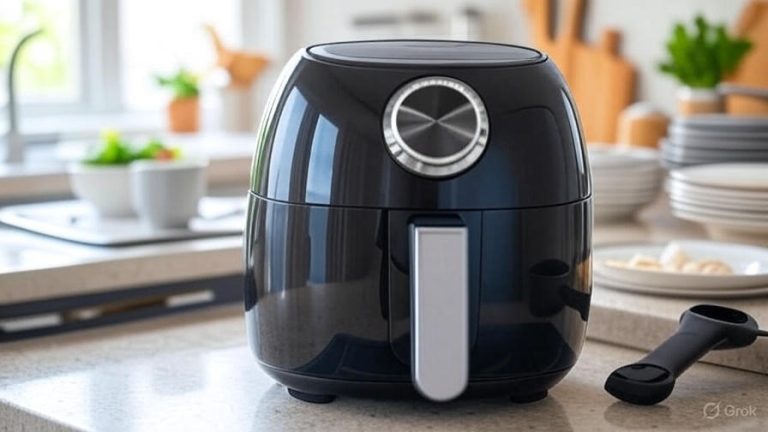
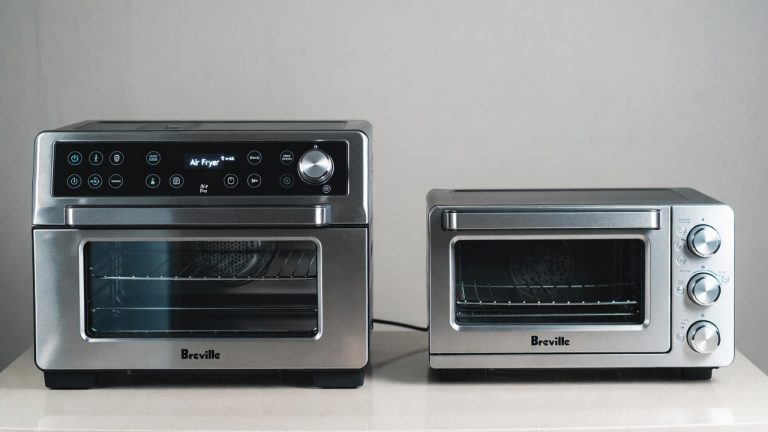
- Do not use vacuum bags in an oven, toaster oven, or air fryer. Dry heat is harsher and will melt the plastic.
- Skip pressure cookers. Temperatures rise above 212°F and may exceed the bag’s rating.
- Fat and high-sugar sauces can feel hotter than water. Keep them at a gentle simmer.
If you ask, can you boil vacuum sealer bags for an hour, the honest answer is maybe, but it is not ideal. A long simmer or sous vide is safer for the seal and for even heating.

Safety and health: plastics, chemicals, and food quality
Food-grade vacuum bags that are BPA-free, BPS-free, and phthalate-free are common today. Polyethylene and nylon are widely approved for food contact. When used as directed, migration at boiling temperatures is low. That is why these bags are standard for sous vide cooking.
Still, safety is about more than plastic:
- Stick to name-brand or certified food-contact bags. Avoid unknown or craft plastics.
- Do not reuse bags that held raw meat or fish. Cross-contamination is a real risk.
- Acidic or salty marinades are fine in rated bags. But wipe the sealing edge dry so the seal is tight.
- Chill food fast after boiling-in-bag if you are not eating right away. Use an ice bath, then refrigerate.
Can you boil vacuum sealer bags without worrying about chemicals? If the bag is high-heat rated and food-safe, yes. Buy from trusted sources and follow the time and temp limits.

When should you boil versus sous vide versus simmer?
You have options, and each has a sweet spot.
- Boil or brisk simmer: Best for reheating fully cooked foods in sealed bags. Think chili, pulled pork, rice, and stews. It is fast and clean.
- Gentle simmer: Best for delicate fish and veggies. It helps prevent bursting seals and keeps textures tender.
- Sous vide: Best for precise cooking of proteins, eggs, and custards. It is slow and controlled.
If you wonder, can you boil vacuum sealer bags for raw meat, you can, but sous vide is better. You get even doneness and juicy results with less risk of leaks.
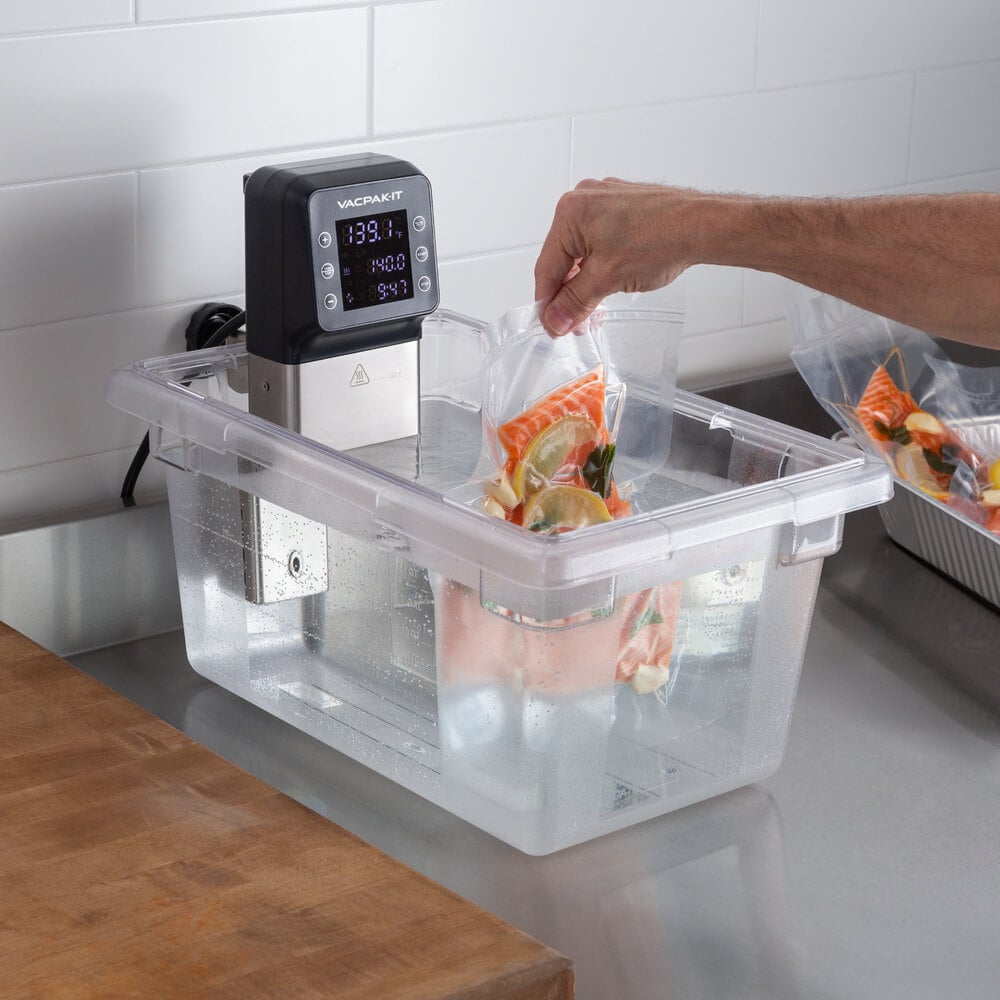
Step-by-step: How to boil a vacuum sealed bag the right way
Follow this simple process to keep food safe and seams strong.
Pick the right bag
- Choose a bag rated boil-safe or sous vide safe.
- Thicker film (around 3 to 4 mil) handles heat and handling better.
Pack the food
- Keep sharp bones or corners padded with parchment.
- Leave headspace so liquids can expand a bit.
- Keep the sealing edge clean and dry.
Seal well
- Use a strong vacuum, but do not crush delicate items.
- Double-seal the open end for extra safety.
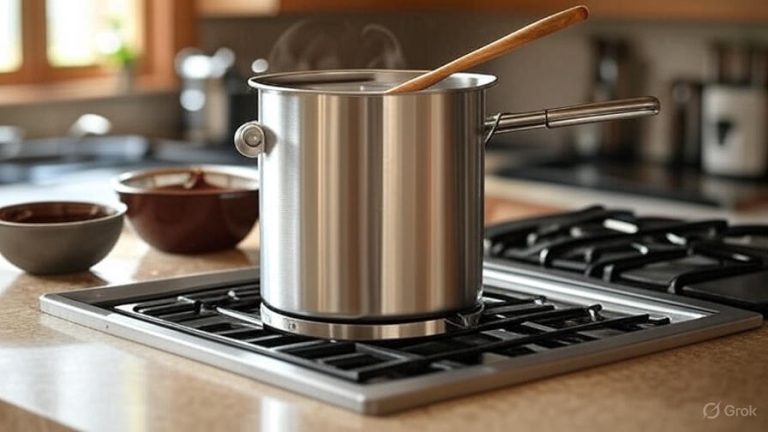
Prep the pot
- Use a deep pot with plenty of water.
- Add a trivet, steamer basket, or a clean towel at the bottom so the bag does not touch hot metal.
- Bring the water to a gentle simmer, not a rolling boil.
Cook
- Slip the bag in and weigh it down if it floats. A small plate works.
- Keep the pot at a steady simmer. Stir the water now and then for even heat.
- Reheat until hot in the center, or cook per your recipe.
Finish
- Lift the bag with tongs. Avoid tearing the seams.
- Rest 1 minute. Open away from your face. Steam is hot.
- Serve right away, or chill fast in an ice bath for storage.
If you are still asking can you boil vacuum sealer bags safely at home, this method is the blueprint.
Real-world tips, mistakes I learned to avoid
I have boiled and sous vided more bags than I can count. Here are hard-won lessons that will save you grief.
- Do not hard boil. My early tests popped seals when the bag slapped the pot walls.
- Double-seal always. One extra seal has saved me from sauce leaks many times.
- Pad sharp bits. Racks of ribs and bone-in cuts will pierce thin film unless you wrap the sharp edge in parchment.
- Watch fat-heavy sauces. They look still, but they carry heat. Keep them to a low simmer.
- Use a rack or towel. Direct contact with the pot bottom leads to hot spots and weak seams.
- Label the bag. Once it is in hot water, everything looks the same.
- Keep it clean. Any oil or sauce on the seal line makes a weak bond.
Can you boil vacuum sealer bags without leaks? Yes, if you treat the bag like part of your cookware and give it a little care.

Choosing the right bags and gear
A few small choices make a big difference.
What to look for in bags
- Labels: boil-safe, sous vide safe, BPA/BPS-free, food-contact compliant.
- Thickness: around 3 to 4 mil for durability.
- Texture: embossed channel bags work with most home sealers. Smooth bags are for chamber sealers.
Good gear to have
- A wide pot or stockpot. More water means steadier heat.
- A steamer basket or silicone rack to protect the bag.
- Clips or small weights to keep bags submerged.
- An instant-read thermometer to check core temperature.
Can you boil vacuum sealer bags from any brand? If they meet those specs, yes. If the box does not say boil-safe, skip it.

Sustainability and storage best practices
Plastic waste matters. Here is how to reduce it while staying safe.
Reuse when safe
- Reuse only for dry or ready-to-eat foods. Never reuse after raw meat or fish.
- Wash with hot, soapy water, rinse well, and air dry completely.
Smarter choices
- Buy rolls and cut custom sizes to reduce offcuts.
- Use reusable silicone bags for boiling and reheating when shape and seal allow.
- Batch-cook and pack flat to save freezer space and reduce extra bags.
Safe storage
- Cool cooked food fast. Use an ice bath before refrigeration.
- Label with item and date. Most cooked items keep 3 to 4 days in the fridge.
- For longer storage, freeze flat, then stack.
Yes, can you boil vacuum sealer bags and still be eco-smart? You can, with a few mindful habits.

Frequently Asked Questions of can you boil vacuum sealer bags
Is it safe to boil FoodSaver-style channel bags?
Yes, if the package states boil-safe or sous vide safe. Keep water at a gentle simmer and avoid direct contact with the pot walls.
Can I boil vacuum sealer bags with raw meat?
You can, but sous vide is better for even cooking and texture. If you boil, double-seal and keep the heat gentle.
Will boiling damage the seal?
A hard rolling boil can stress seams and cause leaks. A steady simmer protects the seal and heats food just as well.
What temperature can vacuum bags handle?
Most boil-safe bags handle 212°F for short periods. For longer cooks, keep temperatures under 195°F in a sous vide bath.
Are vacuum sealer bags toxic when heated?
Food-grade polyethylene and nylon are approved for hot food contact when used as directed. Buy certified, BPA/BPS-free bags and follow the maker’s limits.
Can you boil vacuum sealer bags straight from the freezer?
Yes. Place the frozen bag into simmering water and extend time until hot in the center. Avoid rapid, violent boiling to protect the seal.
How long can you boil vacuum sealer bags safely?
Many brands list 20 to 30 minutes at a full boil. For longer times, reduce heat and switch to sous vide for better results.
Conclusion
You came here asking can you boil vacuum sealer bags, and the clear answer is yes—when the bag is boil-safe, and you keep the water to a gentle simmer. Choose the right bag, double-seal, cushion sharp edges, and keep the bag off hot metal. That is how you get clean, fast, and safe results.
Try it this week with a sealed chili or shredded chicken. You will love the no-mess reheat. Have a question or a win to share? Drop a comment, subscribe for more gear-tested tips, and level up your kitchen game.

Hi, I’m Mary, the founder of KitchenClue.com. I’m deeply passionate about everything that makes a kitchen smarter, easier, and more enjoyable. I share hands-on insights and practical expertise on kitchen gear that truly helps in daily cooking. Along with my dedicated research team, we study products carefully, and our writers create honest, well-tested reviews using trusted, authentic sources—so you can choose kitchen tools with total confidence.