
Can You Use Metal On Stainless Steel Pans: Safe Use Guide
Yes, you can use metal on stainless steel pans if you accept minor surface scratches.
If you love a crisp sear, fast deglazing, and pro-level control, stainless steel is your friend. I’ve cooked on stainless in busy restaurant lines and home kitchens for years, and I’ll walk you through exactly when and how can you use metal on stainless steel pans without ruining them. By the end, you’ll know the science, the trade-offs, and the best techniques to get spotless results.
How stainless steel pans are built (and why it matters)
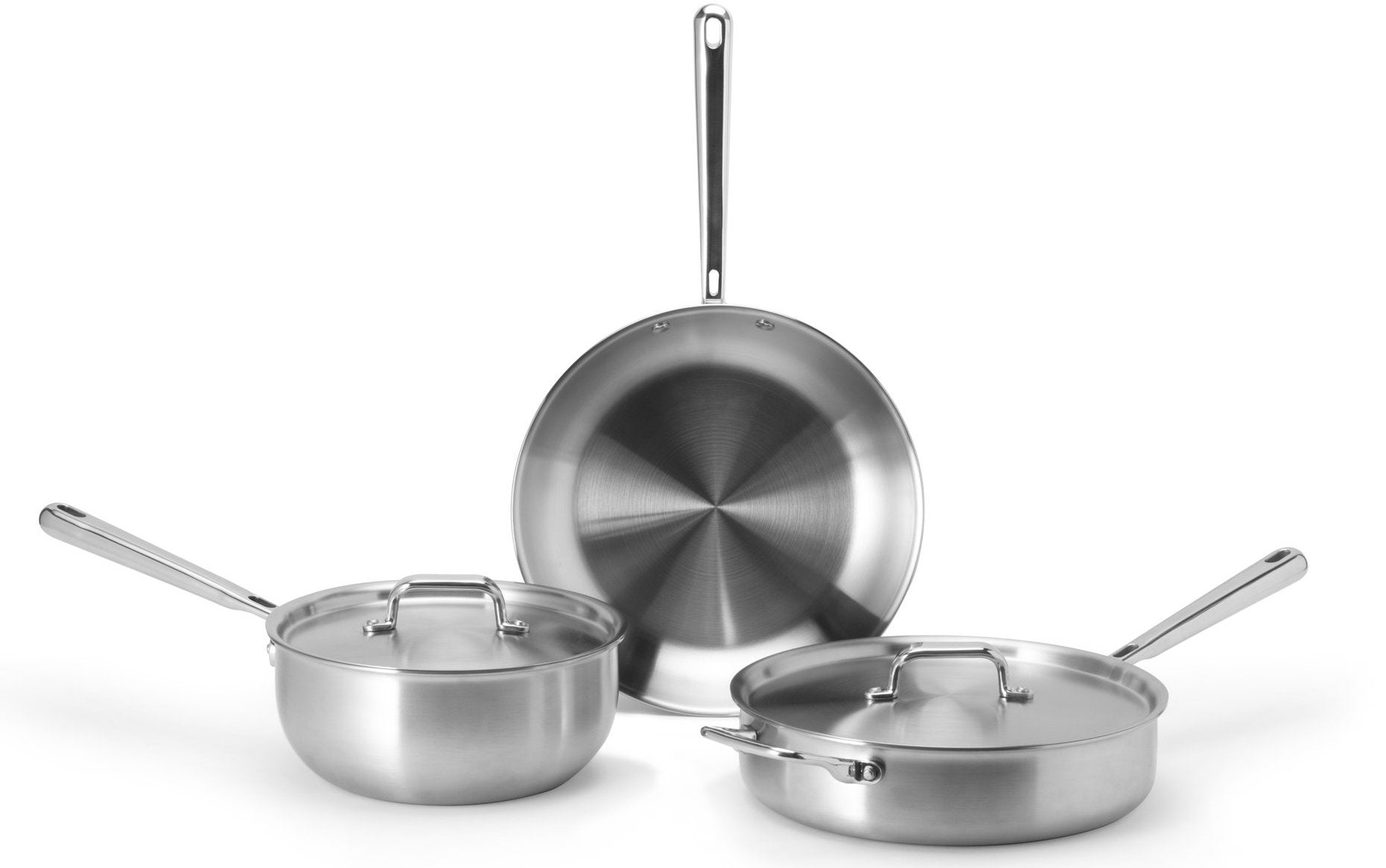
Stainless steel is a hard, non-reactive alloy. Most cookware uses 18/10 or 18/8 stainless with an aluminum or copper core. That core spreads heat fast, while the stainless surface resists rust and pitting thanks to a thin chromium oxide layer.
A few quick truths I’ve learned:
- Stainless is tough, but not scratch-proof. Metal utensils will leave fine lines over time.
- Scratches are cosmetic. They don’t weaken the pan or hurt performance.
- A brushed or satin finish hides wear better than mirror-polished steel.
This build is why can you use metal on stainless steel pans is a fair question. The short answer is yes, but technique and expectations matter.

Can you use metal on stainless steel pans? The real-world answer
Yes. You can stir, flip, whisk, and scrape with metal on stainless without harming the pan’s cooking ability. Most premium brands say metal utensils are safe. In my kitchen, a thin stainless fish spatula is the MVP for searing steak and salmon.
Here is the nuance:
- You will see micro-scratches. They are normal and harmless.
- Serrated or sharp edges can gouge. Avoid knives or hard scraping at steep angles.
- If you want a showroom look, use wood or silicone instead.
So, can you use metal on stainless steel pans every day? If you accept a workhorse look, go for it.

Benefits and drawbacks of metal utensils on stainless
Upsides:
- Better browning control. A thin metal spatula slides cleanly under a sear.
- Faster deglazing. A metal spoon frees fond with ease.
- High-heat safe. No melting or warping, unlike some plastics.
Trade-offs:
- Visible surface marks. These do not affect safety or taste.
- Noise. Metal on steel can be loud.
- Risk of deep scratches if you use sharp or serrated tools.
From a performance view, can you use metal on stainless steel pans with confidence? Yes, when you use the right tool and angle.

Best practices for using metal on stainless steel
These habits keep your pans happy and your food gorgeous:
- Preheat properly. Add oil when the pan is hot. Food sticks less, so you scrape less.
- Let food release. Proteins loosen once browned. Slide a thin spatula; do not pry.
- Use the right angle. Keep the spatula shallow and glide, rather than jab.
- Pick smooth edges. Choose a beveled, flexible fish spatula or rounded metal spoon.
- Deglaze smart. Add wine, stock, or water to lift fond instead of aggressive scraping.
In practice, can you use metal on stainless steel pans without making a mess? Yes. Use light pressure, a gentle glide, and heat control.
When not to use metal
There are times to put the metal down:
- Nonstick-coated pans in a stainless set. If it has a coating, treat it like nonstick.
- Mirror-polished showpieces. Prefer wood or silicone if you value a pristine look.
- Enamel interiors. Use gentler tools to avoid chips.
If you are ever unsure, check the manufacturer’s care guide. Still wondering, can you use metal on stainless steel pans that are clad but have a nonstick interior? No—use non-metal tools on any coated surface.

Cleaning and maintenance after metal use
Scratches happen. Here is how to keep pans clean and bright:
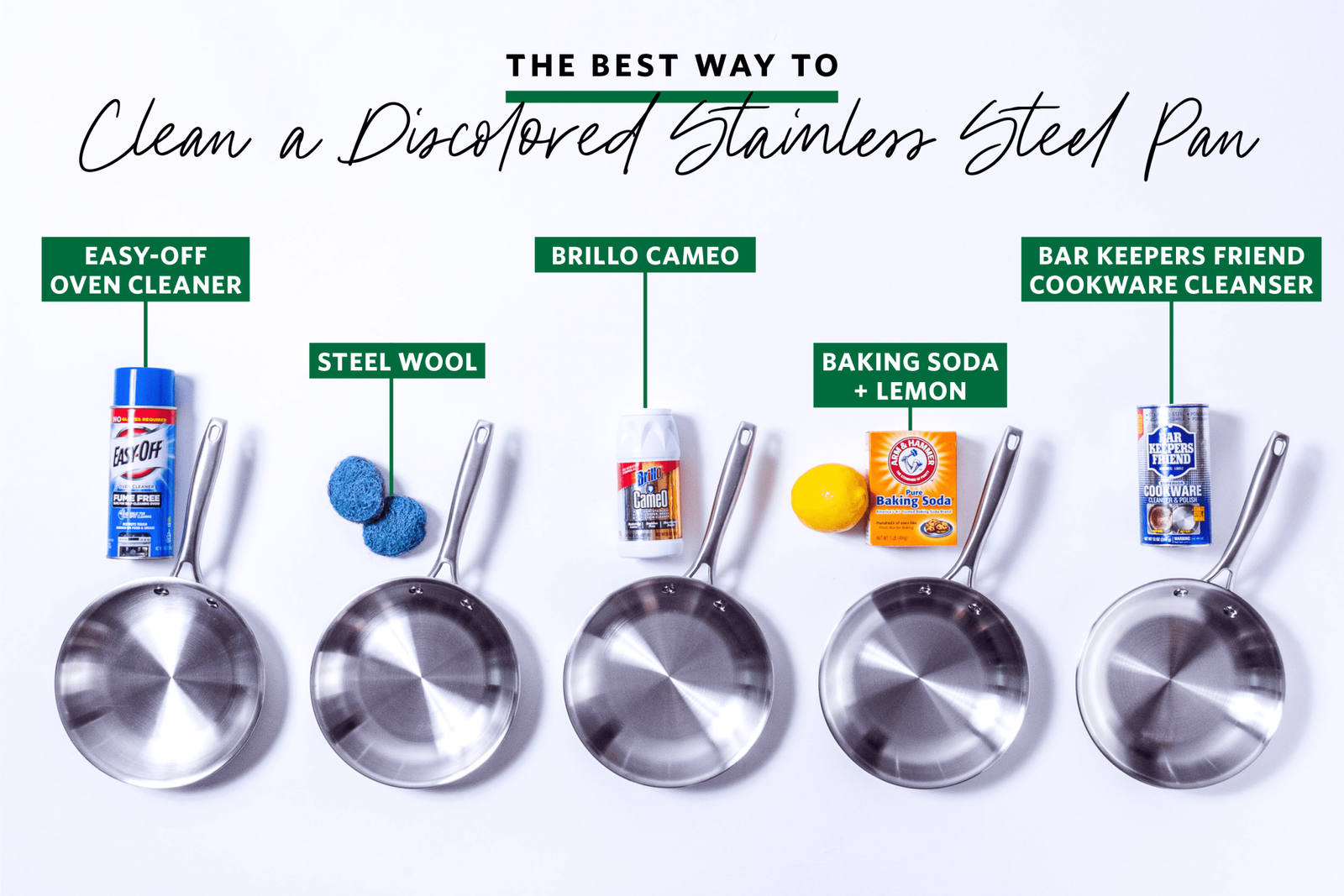
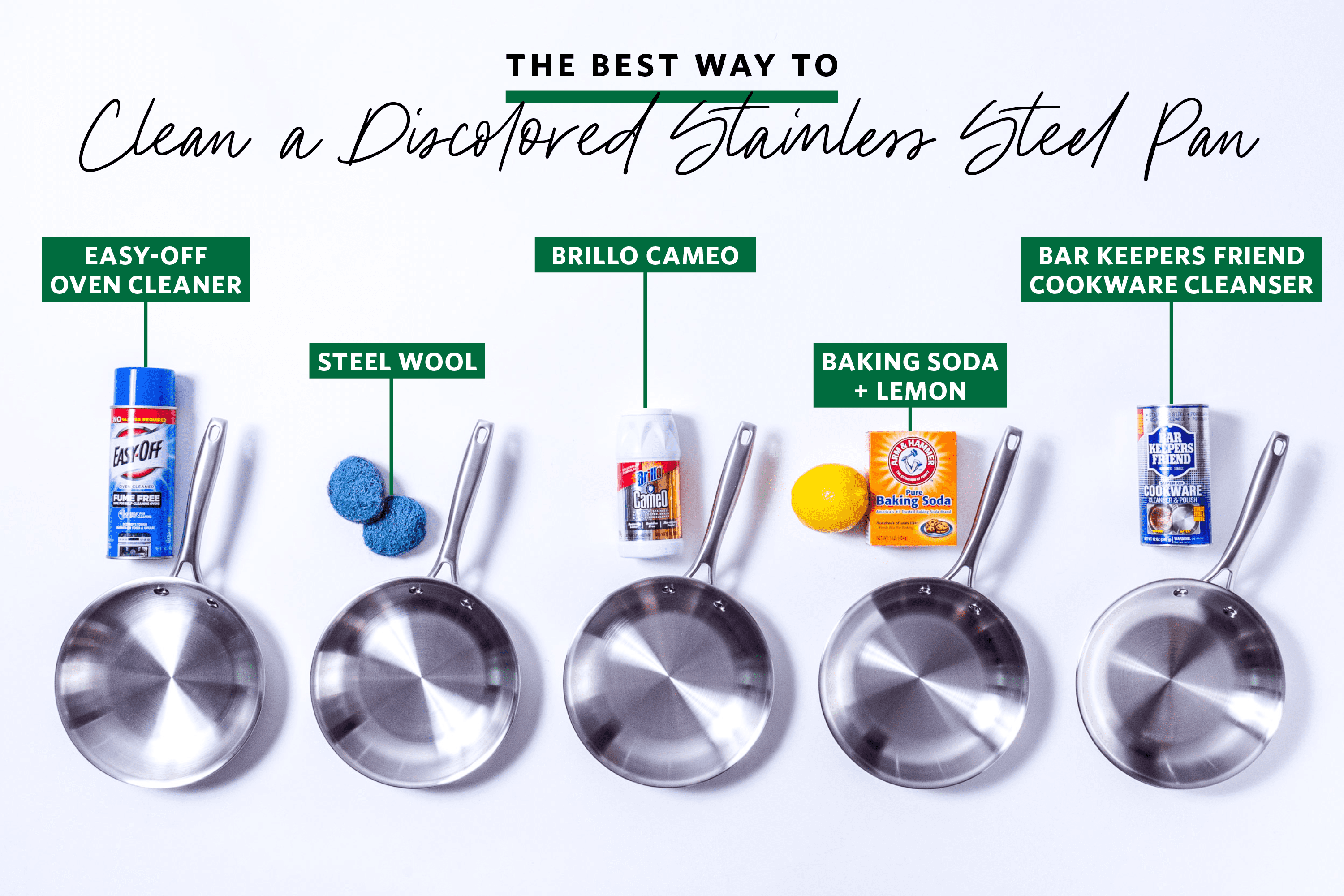
- For stuck bits: Simmer water with a splash of vinegar, then wipe with a non-scratch pad.
- For rainbow heat tint: A mild acidic cleaner or vinegar rinse clears it fast.
- For scuffs and stains: Use a non-abrasive cleanser with oxalic acid. Rub with the grain.
- For everyday cleanup: Warm water, mild soap, and a soft sponge. Dry right away.
Tip from my line-cook days: avoid steel wool pads. They can embed particles and lead to rust specks. With this care, can you use metal on stainless steel pans and still keep them handsome? Absolutely.

The right utensil for the job
What I reach for most:
- Metal fish spatula. Best for searing and delicate flips. Flexible and thin.
- Rounded metal spoon. Great for basting and scraping fond during deglaze.
- Wood spoon. Perfect for slow sauces and risotto to reduce noise and wear.
- Silicone whisk or spatula. Ideal for eggs or nonstick pieces in mixed cookware sets.
Balanced kit, balanced results. And yes, can you use metal on stainless steel pans for daily cooking tasks? Yes, pair the tool to the technique.
Myths and facts about stainless steel durability
- Myth: Metal tools ruin stainless pans.
Fact: Fine scratches are normal and only cosmetic. - Myth: You must season stainless like cast iron.
Fact: You can reduce sticking with preheat and oil, but stainless does not hold a polymerized layer the same way. - Myth: Scratches make food stick.
Fact: Sticking is about heat, moisture, and timing, not hairline scratches.
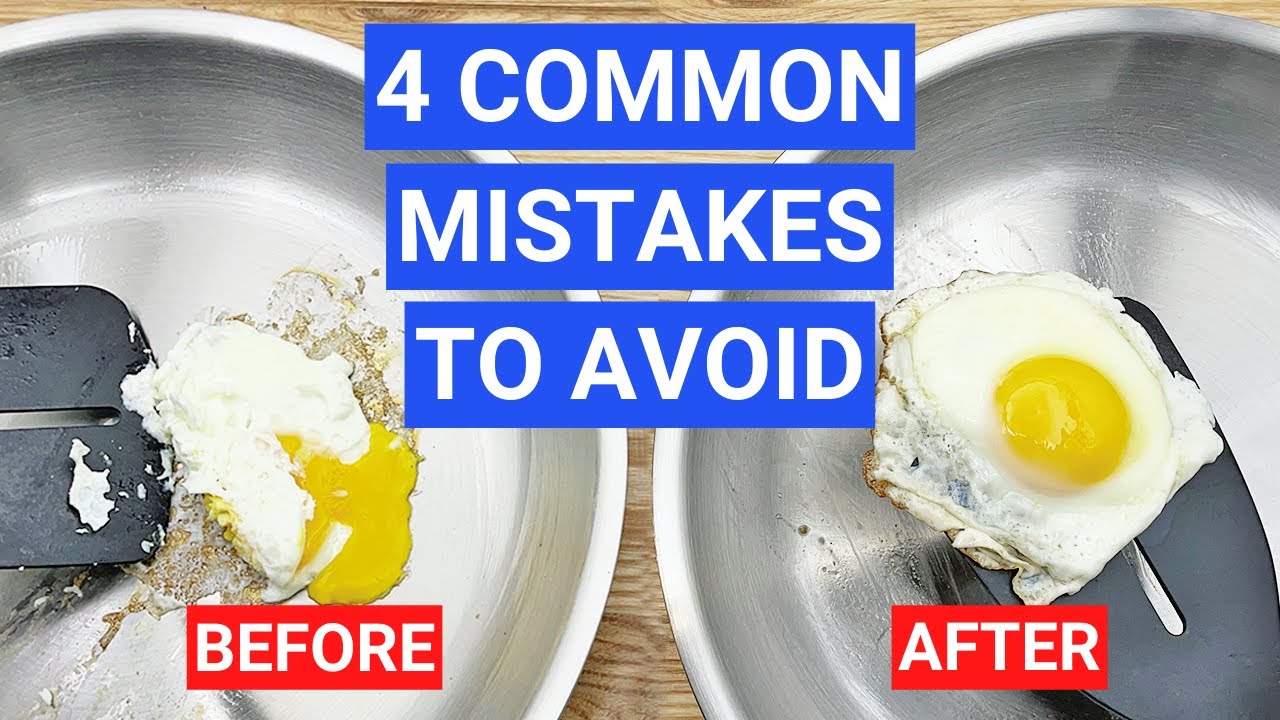
With good heat control, can you use metal on stainless steel pans and still flip eggs? Yes, if you preheat, oil, and wait for release.
Quick PAA-style answers
Does metal shorten a stainless pan’s life?
No. The structure stays sound. You only see surface wear.Will scratches trap bacteria?
No. Stainless is non-porous. Proper washing and drying keep it safe.Is aluminum core exposed if you scratch?
No. The cooking surface is stainless. Normal utensil marks do not cut through the cladding.
Frequently Asked Questions of can you use metal on stainless steel pans
Can you use metal on stainless steel pans every day?
Yes. Daily metal use is fine if you accept cosmetic scratches. Performance and safety remain strong.
Will a metal spatula damage the nonstick pan in my stainless set?
Yes, if that piece is coated. Treat any nonstick interior with wood or silicone to prevent damage.
Does using metal void the warranty on stainless pans?
Usually no, but warranties exclude cosmetic wear. Check your brand’s care guide to be sure.
What is the best metal utensil shape for stainless?
A thin, flexible fish spatula with a beveled edge works best. It slides under food without digging.
Can scratches cause rust on stainless steel?
Not from normal use. Rust specks often come from embedded carbon-steel particles, so avoid steel wool.
Is it safe to whisk in a stainless pot with a metal whisk?
Yes. Use a smooth-wire whisk and moderate pressure. It will leave light marks only.
How do I reduce sticking when I use metal tools?
Preheat, add oil, and let food release before flipping. Deglaze to lift fond instead of scraping hard.
Conclusion
Metal tools and stainless steel were made for each other. With good heat control, a thin spatula, and smart cleaning, you get crisp sears, easy deglazing, and long-term durability. The marks you see are badges of work, not damage.
Try one change today: preheat well, let food release, and slide a flexible metal spatula. If this helped, share it with a friend, subscribe for more kitchen know-how, or drop your questions in the comments.

Hi, I’m Mary, the founder of KitchenClue.com. I’m deeply passionate about everything that makes a kitchen smarter, easier, and more enjoyable. I share hands-on insights and practical expertise on kitchen gear that truly helps in daily cooking. Along with my dedicated research team, we study products carefully, and our writers create honest, well-tested reviews using trusted, authentic sources—so you can choose kitchen tools with total confidence.
One Comment