Can Pots Go In The Oven: The Ultimate Safety Guide 2026
Most pots can go in the oven if they are oven-safe and handle-safe.
If you have ever asked can pots go in the oven, you are not alone. I test cookware every week, and I have learned what works and what fails. In this guide, I break down materials, temps, lids, and real-life use. You will know exactly which pots can go in the oven and how to use them well.

What Makes a Pot Oven Safe
Oven-safe means the whole pot can handle oven heat. That includes the body, handles, and lid. The biggest factor is the material. The second is the max oven temperature rating.
Common oven-safe materials:
- Cast iron works in the oven and under most broilers.
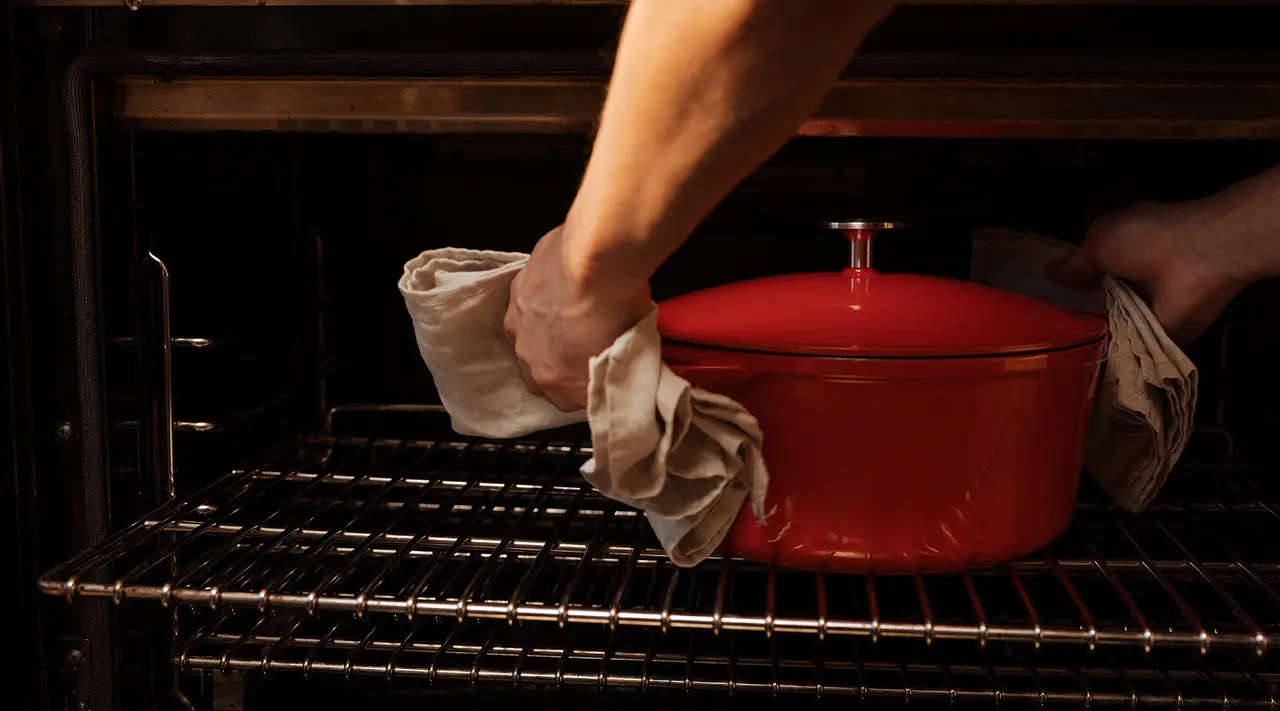
- Enameled cast iron is oven-safe; many lids have lower limits.
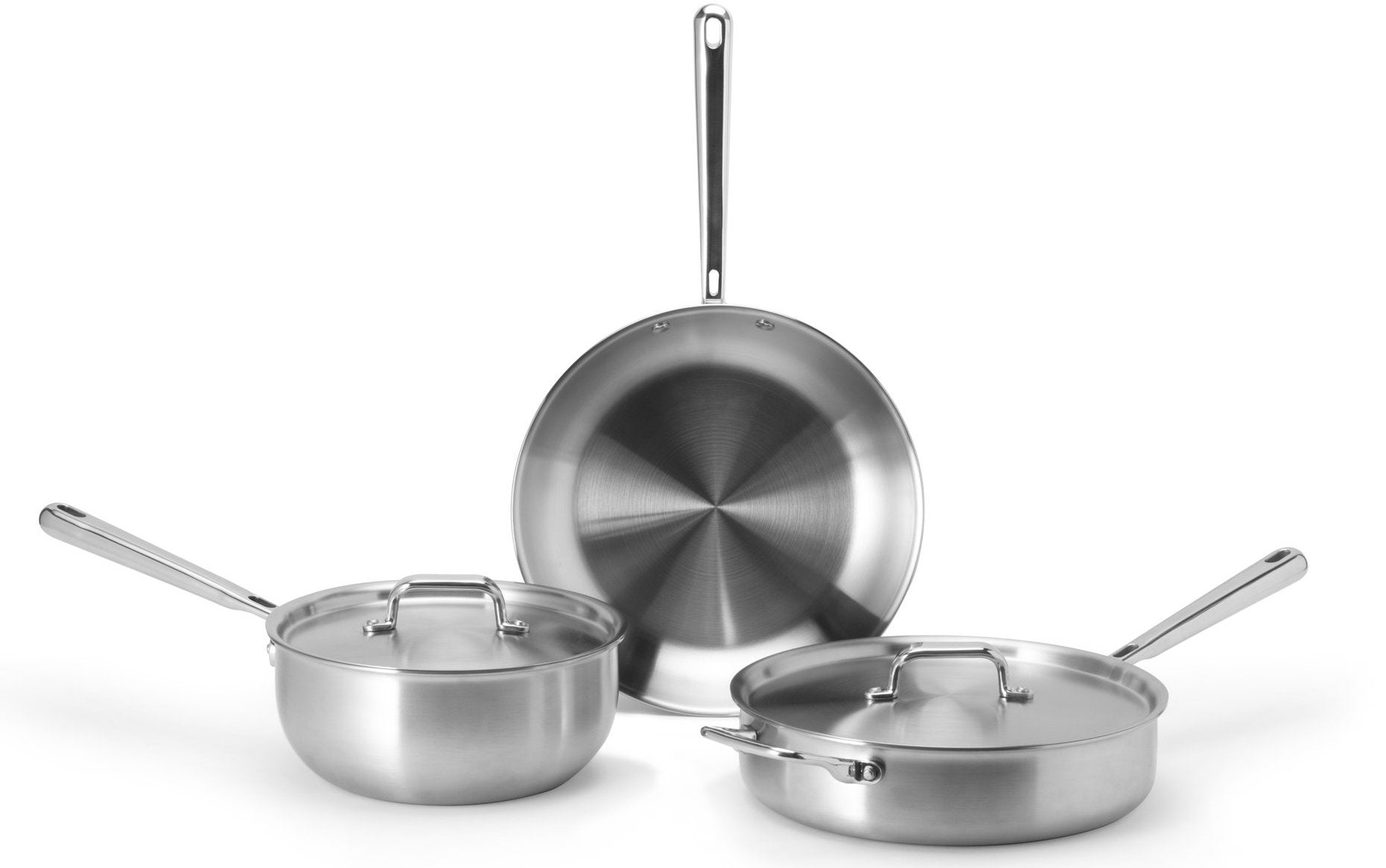
- Stainless steel is often safe up to high heat.
- Hard-anodized aluminum is often safe but has limits.
- Copper is safe if it has metal handles and no plastic parts.
Materials to avoid:
- Plastic or wood handles are not oven-safe.
- Most nonstick pans have lower limits and hate broilers.
- Thin glass pots can crack from heat shock.
Signs your pot is oven-safe:
- Oven-safe mark on the bottom or in the manual.
- All-metal build with riveted metal handles and a metal lid.
- A stated max temp like 400°F or 500°F.
If you wonder can pots go in the oven at any temperature, the answer is no. Every pot has a limit. Always check the maker’s guide for the final word.
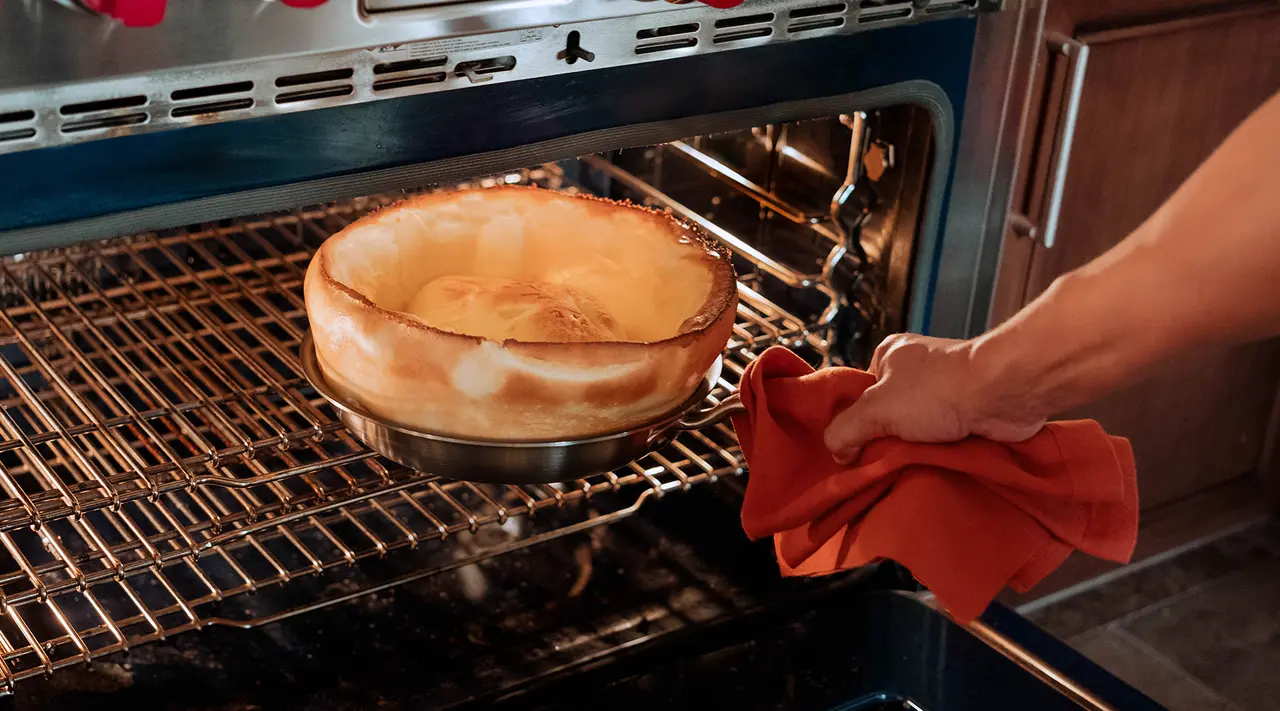
Quick Checks: How to Know If Your Pot Can Go In The Oven
Use these steps before you bake:
- Read the bottom of the pot. Look for an oven-safe symbol or temp.
- Check the handles and lid. Metal stays safe. Plastic, wood, and some silicone have limits.
- Visit the brand’s site. Search your model for a temp rating.
- If there is no info, play it safe. Do not exceed 350°F and skip the broiler.
A simple rule helped me avoid a melted handle once. If any part looks like plastic, I treat it as not oven-safe. That one habit saved me a skillet on a busy weeknight.
Can pots go in the oven with silicone sleeves? Sometimes. Most silicone is safe to about 400–428°F. Some sleeves can trap heat, so give them space and check the brand’s note.

Material-by-Material Guide
Cast iron
Bare cast iron laughs at heat. I use it for steaks that start on the stove and finish at 500°F. Season it well. Avoid big swings in heat to prevent stress.
Enameled cast iron
Great for roasts and bread. The enamel protects food but can chip if shocked. Many lids use phenolic knobs that cap around 375–480°F. Check your model.
Stainless steel
Often safe to 500°F. It browns well and goes from stove to oven with ease. Some lids or handles may limit the temp.
Hard-anodized aluminum
Many sets are safe to 400–500°F. Nonstick versions often sit at the lower end. Do not use the broiler on nonstick coatings.
Aluminum (non-anodized)
Light and even, but it can warp at high heat. If it has a nonstick coat, expect a 350–400°F limit.
Copper
Excellent heat control. If it has metal handles and a metal or safe glass lid, it can go in the oven. Keep temps moderate unless the maker says more.
Ceramic pots
Most pure ceramic pots can handle moderate baking. But cheap glazes and big heat jumps can crack them. Follow the brand’s heat range.
Glass pots
Tempered glass can bake at low to mid temps. Never broil. Avoid sudden cold-to-hot moves.
Nonstick (PTFE or ceramic)
Nonstick pans often top out at 350–500°F. PTFE can off-gas at very high heat. Ceramic nonstick can fade with heat over time. Skip the broiler.
If you still ask can pots go in the oven when nonstick is involved, be careful. The coating sets the limit more than the metal body.

Lids, Handles, and Knobs Matter
Many pots are oven-safe, but the lid is not. The weak point is often the knob or handle.
Common parts and limits:
- Solid metal handles are the safest choice for high heat.
- Silicone handles are often safe to about 400–428°F.
- Phenolic or Bakelite knobs usually cap around 350–400°F.
- Plastic and wood do not belong in the oven.
- Tempered glass lids can do mid heat but never broil.
A note from my kitchen: I once baked a pot pie at 425°F. The metal pot was fine, but the phenolic knob dulled and loosened. Since then, I remove low-rated knobs or swap the lid.
If you wonder can pots go in the oven with the lid on, they can if every part is rated for the heat you plan to use.

Temperature, Broilers, and Thermal Shock
Ovens cook with steady heat. Broilers blast direct heat from above. Many pots that are safe at 450°F are not safe under a broiler.
Avoid thermal shock:
- Preheat the oven before you add the pot.
- Do not add a cold pot to a very hot oven.
- Do not run a hot pot under cold water.
Thermal shock can crack enamel or glass. It can also warp thin aluminum. If you are asking can pots go in the oven right from the fridge, do not do it. Let them warm on the counter first.
:strip_icc()/removing-skillet-from-oven-5db366184f2940eb9891ad355e7e9cc8.jpg)
Practical Tips, Mistakes, and Safety
Smart habits that work:
- Use dry, thick oven mitts. Steam burns are sneaky.
- Place a sheet pan under a saucy pot to catch drips.
- Position on the center rack for even heat.
- If your handle has a removable silicone cover, take it off before high-heat baking.
- Tighten loose screws on handles after cleaning.
Mistakes I have made so you do not:
- Melted a plastic knob under the broiler. Now I always check ratings.
- Warped a thin aluminum pot at 500°F. I keep those under 400°F.
- Cracked a cheap glass lid from sink to stove. I let lids cool before washing.
Can pots go in the oven for long cooks? Yes, if within rated temps. For an all-day braise, I cap at 300–325°F and add liquid.
Real-World Uses and Recipes That Shine
Great stovetop-to-oven moves:
- Sear and roast steaks or chicken in stainless or cast iron.
- Bake sourdough in an enameled Dutch oven for great crust.
- Finish a frittata in a nonstick or stainless skillet at 350°F.
- Braise short ribs low and slow in cast iron.
From my tests, a 12-inch stainless skillet makes the best pan-roasted salmon. I sear on the stove, then finish at 400°F for six minutes. If you ever doubt can pots go in the oven for this move, they can, and it is a weeknight hero.
Care and Maintenance After Oven Use
Treat your pot well after heat:
- Let it cool on a trivet before washing.
- For stuck bits, soak with warm water and a little soap.
- Re-season bare cast iron after a deep scrub.
- Check handles and knobs for looseness.
- Avoid metal scourers on enamel and nonstick.
If you keep asking can pots go in the oven often, plan care into your routine. Regular checks and gentle cleaning will keep your gear safe and strong.
Frequently Asked Questions of can pots go in the oven
Can pots go in the oven if they have rubber handles?
Sometimes. Many silicone or rubber handles are safe to about 400°F, but you must check your brand’s rating.
Can pots go in the oven under the broiler?
Only if they are all metal and rated for broilers. Never broil nonstick or any pot with plastic, wood, or many glass lids.
Can pots go in the oven if they are nonstick?
Yes, within limits. Most nonstick tops out at 350–500°F, and broilers are off-limits.
Can pots go in the oven with glass lids?
At moderate heat, often yes. But glass lids should not go under a broiler or face sudden heat changes.
Can pots go in the oven straight from the fridge?
Avoid that move. Let the pot warm up first to prevent thermal shock and cracks.
Can pots go in the oven on convection?
Yes. Convection can cook faster, so you may lower the set temp by about 25°F to match recipes.
Can pots go in the oven if only the body is metal?
Not safely. Handles and lids must also be oven-safe, or you risk melting, warping, or burns.
Conclusion
The short story is simple. Many pots are oven-safe, but every part must be ready for heat. Know your material, confirm the max temp, and watch the lid and handles. With those checks, you can braise, bake, and roast with ease.
Put this guide to work tonight. Check your favorite pot, confirm its rating, and try a quick sear-then-roast dinner. If this helped, subscribe for more kitchen-tested tips, or leave a comment with your cookware wins and fails.

Hi, I’m Mary, the founder of KitchenClue.com. I’m deeply passionate about everything that makes a kitchen smarter, easier, and more enjoyable. I share hands-on insights and practical expertise on kitchen gear that truly helps in daily cooking. Along with my dedicated research team, we study products carefully, and our writers create honest, well-tested reviews using trusted, authentic sources—so you can choose kitchen tools with total confidence.