Can You Vacuum Seal Ziploc Bags: Safe Tips And Alternatives
Yes, but results vary; Ziploc bags aren’t true vacuum sealer bags.
If you’ve ever asked can you vacuum seal ziploc bags, you’re not alone. I’ve tested this at home and in pro kitchens. In this guide, I’ll explain when it works, when it fails, and how to do it right. You’ll get simple steps, clear safety advice, and smart tips that save food and money. Read on before you press that seal button.

What “vacuum sealing a Ziploc” really means
Many folks say vacuum seal when they mean remove air. True vacuum sealing pulls out most air and heat-seals a bag. It also uses special, textured vacuum sealer bags. These bags have air channels and a better oxygen barrier.
Ziploc bags are smooth, simple polyethylene. They are great for daily use. They do not have channels for suction. Most external clamp sealers struggle with them. Air cannot escape well, and the seal can slip.
So, can you vacuum seal ziploc bags? Sort of. You can remove most air with simple methods. It will help for short-term storage. It is not the same as a true vacuum seal for long-term storage.
Key differences:
- Vacuum sealer bags use multi-layer film, often nylon and polyethylene. This blocks oxygen better.
- Ziploc freezer bags are thicker than regular storage bags. But they still let more oxygen in over time.
- External clamp sealers need textured bags to pull air. Smooth Ziplocs do not work well with them.
Why this matters:
- Oxygen speeds up freezer burn and rancidity.
- Less air helps, but the barrier matters too.
- For long-term storage, use real vacuum bags or a chamber vacuum sealer.

Source: makezine.com

Pros and cons at a glance
If you wonder can you vacuum seal ziploc bags, check the trade-offs first.
Pros:
- Cheap and easy to find.
- Fast for meal prep and short freezes.
- Fine for sous vide at typical temps.
- Good for snacks, cheese, and dry goods.
Cons:
- Not a true vacuum. Some air remains.
- Weaker oxygen barrier than vacuum bags.
- Seals can fail with bones or heavy items.
- Not ideal for liquids without extra steps.
Best use cases:
- Freeze meat for a few weeks, not months.
- Prep veggies or fruit for smoothies.
- Marinate and cook sous vide the same week.
- Pack trail mixes or coffee for short trips.

Source: youtube.com

Step-by-step ways to remove air from a Ziploc
Can you vacuum seal ziploc bags at home with no machine? Yes, with these simple methods.
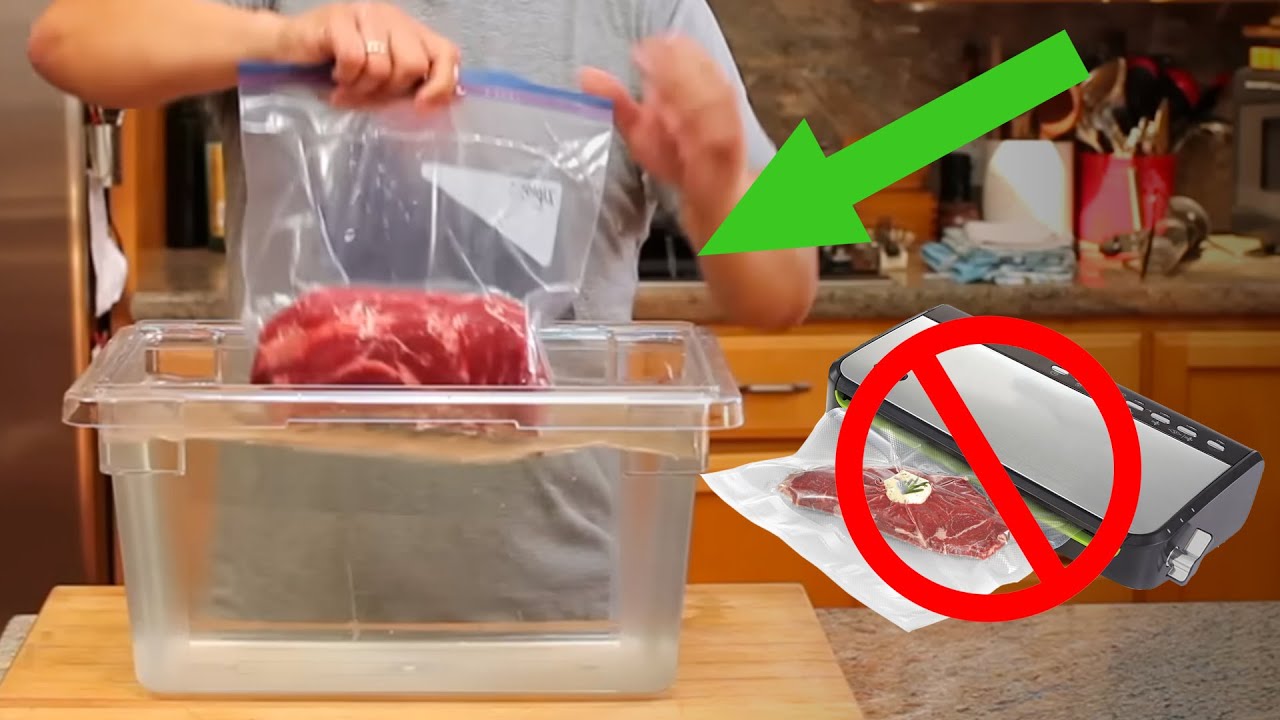
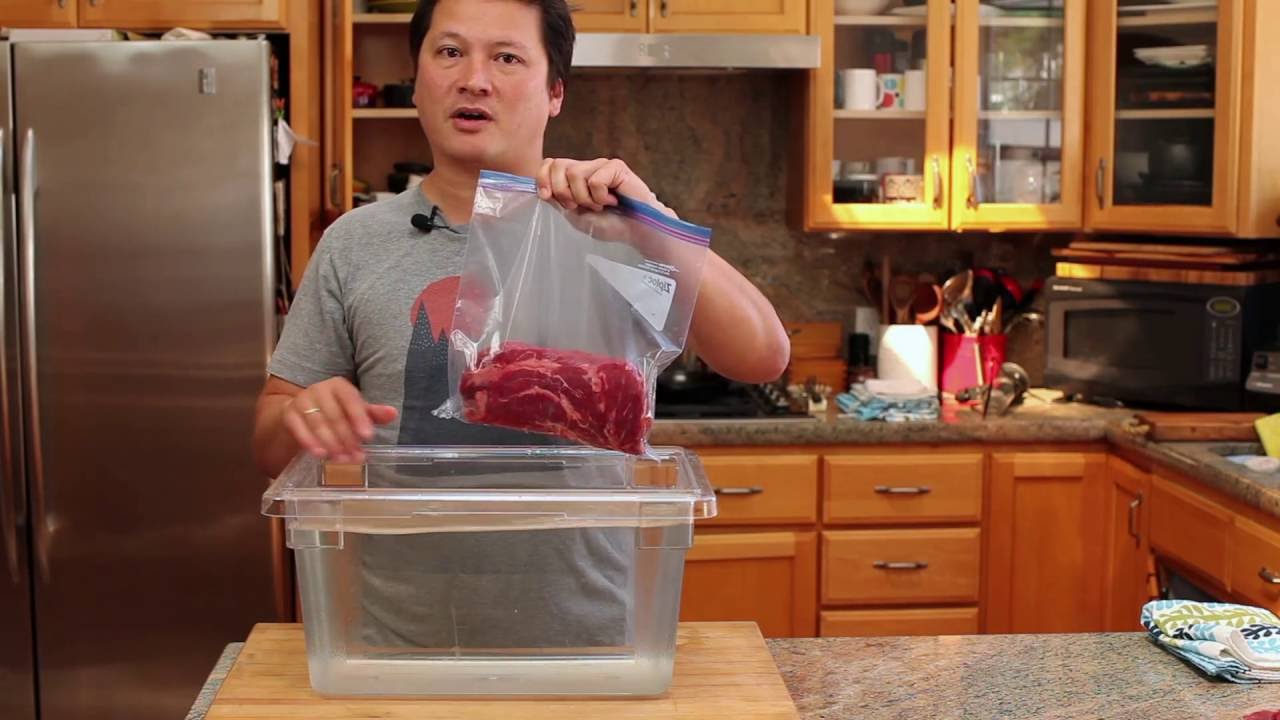
Water displacement method
- Fill a bowl or sink with cool water.
- Place food in a Ziploc. Zip almost closed. Leave a small corner open.
- Lower the bag into water. Water pressure pushes air out.
- Seal the corner once air is out. Dry the bag.
Hand pump with valve bags
- Buy Ziploc brand vacuum bags or similar. They have a one-way valve.
- Fill the bag. Zip it shut.
- Use the hand pump to pull air out. It is not as strong as a machine, but it works for short-term storage.
Freeze-then-seal for liquids
- Pour soup or sauce in a Ziploc. Lay it flat on a tray.
- Freeze it solid first.
- Use the water method or a pump on the frozen block. This stops liquid from getting sucked out.
External sealer caution
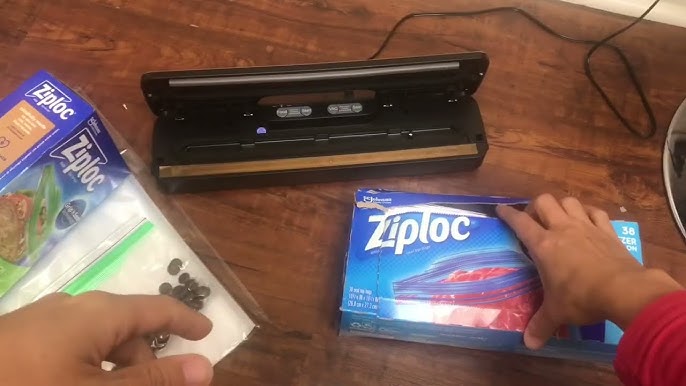
– Some clamp machines can heat-seal a Ziploc edge, but they will not vacuum it well.
- Do not force it. You can damage the sealer or the bag.
- If you must use a machine, stick to textured vacuum sealer bags.
Straw method (last resort)
- Slip a clean straw in the corner of the bag.
- Suck out the air. Pinch the straw area and pull the straw out. Seal fast.
- Do not use this with raw meat. It is not sanitary.
Helpful h3 quick answers:
Can I use Ziploc bags in a FoodSaver?
Not for vacuuming. They are too smooth. You can heat-seal the top in a pinch, but do not expect a strong vacuum.
Will the water method give a true vacuum?
No. It only removes most air. It is good for short storage, but not months-long keeps.
Can you vacuum seal ziploc bags for sous vide?
Yes, if you remove most air and keep temps in the safe range. For best results, use freezer-grade bags and avoid sharp edges.

Safety, heat, and material facts you should know
Food safety first. Vacuum sealing does not make food shelf-stable. Chilling still matters. Keep perishable foods cold at or below 40°F, or frozen at 0°F. Botulism risk rises in low-oxygen settings at warm temps. Store sealed foods in the fridge or freezer only.
Heat and sous vide:
- Ziploc freezer bags are made from polyethylene and are BPA-free.
- They handle common sous vide temps well for many hours.
- Avoid boiling or oven heat. Do not place them over direct heat.
- Check your bag’s label for exact guidance.
Sharp bones or corners can punch holes. Double-bag if needed. Add a paper towel near the seal to catch moisture. This helps hold the seal.
So, can you vacuum seal ziploc bags for safety? Yes, if you follow cold storage rules and keep temps in range. The bag is not the safety tool. Your fridge and freezer are.
Expected shelf life and storage timelines
Here is what my tests and food safety guidance suggest. These are ranges, not promises. Quality depends on your fridge, freezer, and how much air you remove.
If you remove most air from a Ziploc:
- Fresh meat in the fridge: 2 to 3 days.
- Fresh meat in the freezer: 1 to 2 months before quality dips.
- Fish in the freezer: 1 to 2 months.
- Cooked food in the freezer: 2 to 3 months.
- Hard cheese in the fridge: 2 to 4 weeks once opened.
- Coffee beans at room temp: 1 to 2 weeks of peak flavor.
- Nuts at room temp: 1 month; longer in the fridge.
With true vacuum sealer bags:
- Meat and fish in the freezer often keep quality 6 to 12 months or more.
- Hard cheese lasts longer due to a better barrier.
This is why people ask can you vacuum seal ziploc bags. You can, and it helps. But for long-term storage, use real vacuum bags.

Field-tested tips and mistakes to avoid
This is what has worked for me in busy home kitchens and prep lines.
Tips that work:
- Use freezer-grade Ziplocs. They are thicker and hold seals better.
- Chill or freeze items first. Cold food gives off less vapor.
- Pat food dry. Moisture under the seal can leak air.
- Lay bags flat to freeze. They stack better and thaw faster.
- Label with date and contents. You will thank yourself later.
- Double-bag items with bones or hard edges.
Mistakes to avoid:
- Do not trust a partial vacuum for many months in the freezer.
- Do not try to vacuum hot foods. Steam ruins seals and can trap bacteria.
- Do not reuse bags that held raw meat.
- Do not push a clamp sealer to vacuum smooth Ziplocs. It wastes time and can harm gear.
Gear worth having:
- Hand pump with valve bags for short-term needs.
- A chamber vacuum sealer if you freeze a lot or seal liquids often.
- Proper textured vacuum bags for long storage.
So, can you vacuum seal ziploc bags and still win on quality? Yes, if you match the method to the job and keep time frames short.
Frequently Asked Questions of can you vacuum seal ziploc bags
Can you vacuum seal ziploc bags with a FoodSaver?
Not effectively. FoodSaver-style clamp machines need textured bags for air channels. Ziploc bags are smooth and trap air.
Are Ziploc bags safe for sous vide?
Yes, if you use freezer-grade bags and normal sous vide temps. Avoid boiling and very high heat, and keep the seal above water.
How long will food last if I remove air from a Ziploc?
Expect weeks in the fridge and 1 to 3 months in the freezer for best quality. True vacuum bags can extend this far longer.
Can I vacuum seal liquids in a Ziploc?
Freeze liquids first, then remove air. This stops leaks and protects the seal during storage.
Is it safe to use a straw to suck out air?
It works, but it is not sanitary for raw meat. Use the water method or a hand pump instead.
Do Ziploc bags prevent freezer burn?
They help when you remove most air. But they are not as protective as true vacuum bags over many months.
Are Ziplocs BPA-free?
Yes, reputable brand freezer bags are BPA-free polyethylene. They are food-safe within normal cold and warm use.
What is the best alternative for long-term storage?
Use textured vacuum sealer bags or a chamber vacuum sealer. They remove more air and block oxygen better.
Can you vacuum seal ziploc bags to marinate faster?
Yes, removing air helps marinade contact. Keep it cold and use within a few days.
Will a double-bag help if I only have Ziplocs?
Yes, it can reduce leaks and odor transfer. It is a smart hack for short-term freezing.
Conclusion
You asked can you vacuum seal ziploc bags, and the answer is a careful yes. You can remove most air and get solid short-term gains. For long-term storage, switch to real vacuum bags or a chamber sealer.
Pick the method that fits your goal. Use the water displacement trick for quick prep. Use freezer-grade bags for sous vide. Label, chill fast, and keep it safe. Try one method this week and track your results. If this helped, subscribe for more kitchen-tested guides and leave a comment with your wins.

Hi, I’m Mary, the founder of KitchenClue.com. I’m deeply passionate about everything that makes a kitchen smarter, easier, and more enjoyable. I share hands-on insights and practical expertise on kitchen gear that truly helps in daily cooking. Along with my dedicated research team, we study products carefully, and our writers create honest, well-tested reviews using trusted, authentic sources—so you can choose kitchen tools with total confidence.