Can I Put A Dutch Oven In The Oven: Expert Tips
Yes, you can put a Dutch oven in the oven—just check the lid and temperature.
If you’ve ever wondered can i put a dutch oven in the oven, you’re in the right place. I work with cast iron and enameled pots every week, from baking sourdough to slow-braising short ribs. In this guide, I’ll show you exactly how to use a Dutch oven safely in the oven, what temperatures to follow, which knobs are risky, and how to avoid cracked enamel or melted parts. Stick with me for clear steps, tested tips, and confident answers.

What a Dutch oven is and why it shines in the oven
A Dutch oven is a heavy pot with thick walls and a tight lid. Most are cast iron, either bare or coated with enamel. That mass holds heat well and keeps moisture in.
In the oven, a Dutch oven behaves like a mini-oven. It evens out hot and cool spots. That is why bread blooms, roasts stay juicy, and stews turn silky.
If you have asked can i put a dutch oven in the oven, know this: the pot is built for it. The key is learning how to match heat, material, and lid parts.

Can I put a Dutch oven in the oven? The complete answer
Short answer again: yes. The pot body is oven-safe in almost all cases. What you must confirm are the lid, the knob, and any handle covers.
Use this quick checklist before you slide it onto the rack:
- Check the manual. It lists the maximum oven temperature and any lid limits.
- Look at the knob. Stainless steel or cast iron knobs handle higher heat than many plastic or phenolic knobs.
- Remove silicone grips. Slip-off handle covers can smoke or melt.
- Avoid direct broiler blasts, unless the maker says broiler-safe.
- Preheat smart. Sudden heat swings can shock enamel.
This section covers the basics if you came here thinking can i put a dutch oven in the oven for bread, roasts, or casseroles. Yes, you can, as long as you match the temperature to the weakest part.

Temperature limits by material and parts
Different materials set the safe ceiling. Here is how to read the limits.
- Enameled cast iron: Commonly oven-safe to 450–500°F (230–260°C). Many brands advise avoiding empty high-heat preheats. Add a little oil or water first.
- Bare cast iron: Can handle very high oven heat. The seasoning may smoke above 500°F, but the iron itself is fine.
- Knobs and lids:
- Stainless steel or cast iron knobs: Often safe to 500°F or more.
- Phenolic or plastic knobs: Often limited to 375–400°F. Some upgraded phenolic knobs reach higher, but check.
- Tempered glass lids: Usually 350–400°F. Many are not broiler-safe.
If you still wonder can i put a dutch oven in the oven with the lid on, the answer depends on the lid’s parts. The body says “yes,” but the knob might say “maybe at lower heat.” Swap to a stainless knob if you bake bread often at 475°F.

When and how to use a Dutch oven in the oven
Use a Dutch oven for bread, braises, roasts, casseroles, soups, and even desserts. The lid traps steam for tender meat and tall crusts.
Follow these steps for best results:
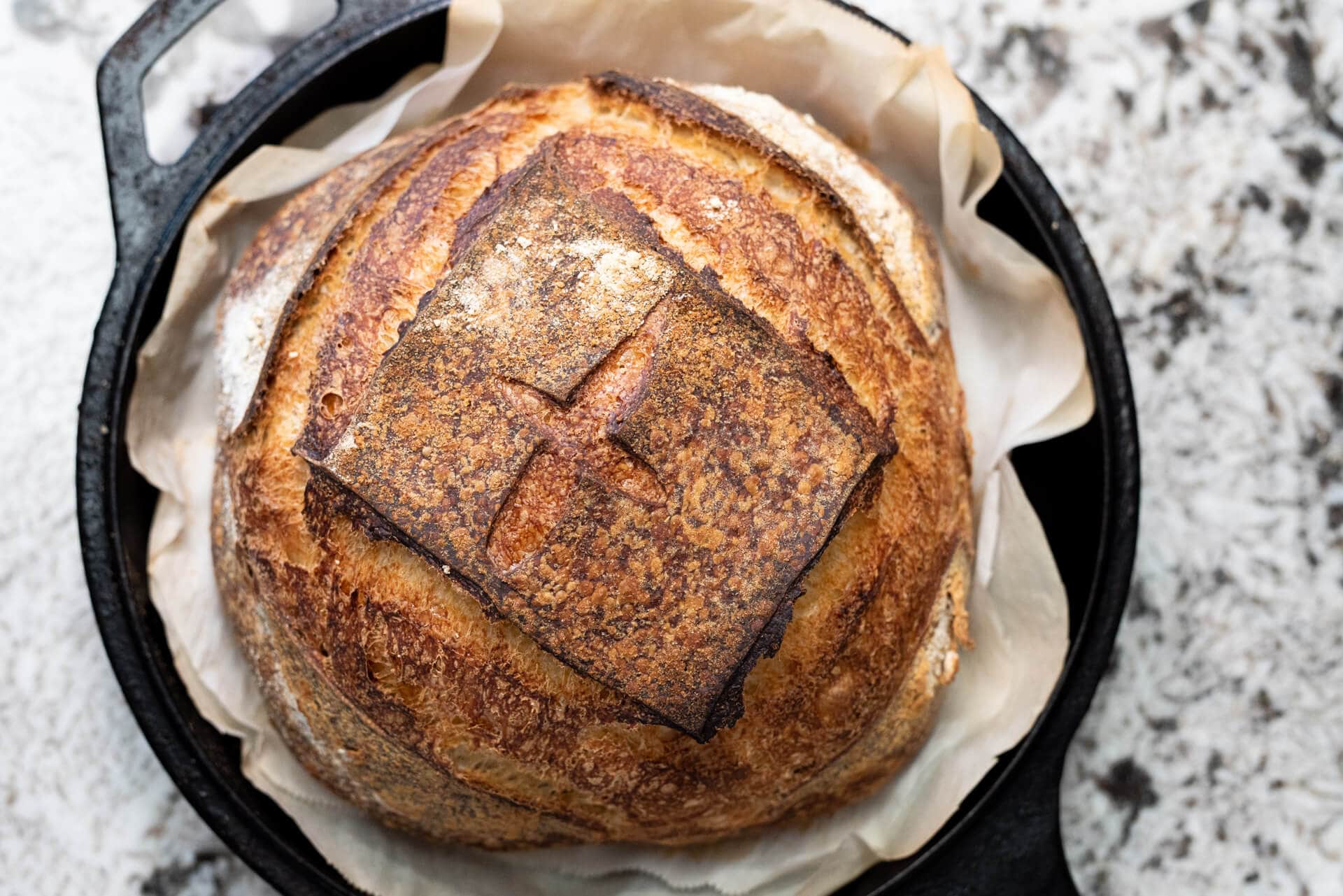
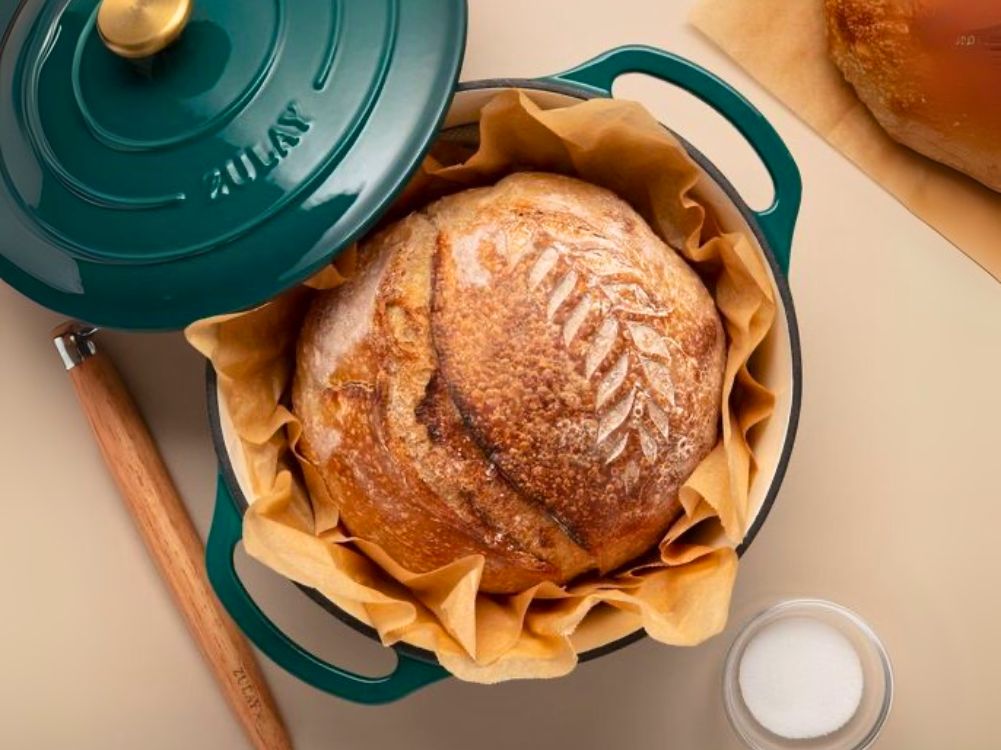
- For bread: Heat the pot at 450–475°F for 30–45 minutes. Use a stainless knob. Place dough on parchment. Bake covered for steam, then uncover to brown.
- For braises: Brown on the stovetop, then add stock, aromatics, and herbs. Cover and bake low and slow, usually 275–325°F.
- For roast chicken: Pat dry, season well, and roast in the 400–450°F range. Use the lid at the start, then remove to crisp the skin.
- For casseroles: Build layers, cover to prevent drying, and uncover near the end for color.
I often get asked can i put a dutch oven in the oven straight from the stove? Let it cool a minute first. A quick move from a very hot burner to a very hot oven can stress enamel.

Safety, mistakes to avoid, and my pro tips
Here are field-tested tips from my kitchen, plus common errors to dodge.
- Use two hands and dry mitts. The pot is heavy and holds heat for a long time.
- Center the pot on the rack. It cooks more evenly and avoids door heat spikes.
- Avoid thermal shock. Never add cold liquid to a blazing hot pot. Let it cool before soaking.
- Don’t heat an empty enameled pot on high. Add a thin oil film or a bit of water first.
- Vent smart. The lid fits snug. That is fine for bread and braises. If pressure seems high, leave the lid slightly ajar.
Personal note: Early on, I set a hot enameled Dutch oven on a cold stone counter. The enamel crazed with fine lines. Since then I always place it on a wooden board or a trivet out of the oven. If you’ve wondered can i put a dutch oven in the oven for high-heat bread bakes, I do—at 475°F—with a stainless knob and a steady preheat.

Care and maintenance after oven use
Take care of the pot and it will outlast your stove.
- Cooling: Let it cool on a trivet. Avoid cold water on hot enamel.
- Cleaning enameled cast iron: Soak with warm water and a spoon of baking soda. Use a soft scrub pad. Stubborn stains fade with a low simmer of water and baking soda.
- Cleaning bare cast iron: Wash, dry well, then rub a thin oil layer. Heat briefly to set the seasoning.
- Storing: Keep the lid slightly ajar so moisture does not build. Place a paper towel between lid and rim.
If your plan is can i put a dutch oven in the oven today and store it right after, wait. Dry all parts fully to prevent rust on rims and lid edges.

Troubleshooting common issues
If something goes wrong, fix it fast and you will be fine.
- Knob melted or warped: Replace with a stainless steel knob rated to 500°F or higher.
- Enamel discoloration: Use a baking soda soak or a non-abrasive cleaner. Avoid metal scouring pads.
- Minor chips: Keep cooking if the chip is small and not on the rim. If the chip exposes iron and rusts, dry well and oil the spot.
- Food stuck: Add warm water and baking soda. Let it rest, then use a nylon scraper.
- Smoky oven during bread bakes: Oil residue burned. Clean the pot and reduce oil during preheat.
Readers often ask can i put a dutch oven in the oven under the broiler for pizza? Skip it unless your maker says broiler-safe. Radiant heat can crack enamel and damage knobs.

Quick PAA-style answers
Can enameled Dutch ovens go in the oven?
Yes. Most enameled Dutch ovens are safe to 450–500°F. Confirm the lid and knob rating.
Can i put a dutch oven in the oven with a plastic knob?
Not at high heat. Many plastic or phenolic knobs top out around 375–400°F.
Is it safe to preheat an empty Dutch oven?
For enameled pots, avoid dry high-heat preheats. Add a light oil coat or preheat with the dough timing so it is not empty for long.
Frequently Asked Questions of can i put a dutch oven in the oven
Can I use a Dutch oven for bread at 475°F?
Yes, if your lid and knob are rated for it. Swap to a stainless knob if needed and preheat the pot.
Will an enameled Dutch oven crack in the oven?
It should not crack under normal use. Avoid thermal shock, very high broiler heat, and empty high-heat preheats.
Can I put a cold Dutch oven into a hot oven?
You can, but it is safer to warm them together. Gentle heating reduces stress on enamel.
Can i put a dutch oven in the oven with silicone handle covers?
Remove slip-on silicone covers unless they are rated for the target heat. Most are not broiler-safe.
Can I use parchment paper inside a Dutch oven?
Yes. Parchment helps transfer bread and reduces sticking. Trim excess paper to prevent scorching.
Conclusion
You now have a clear, confident answer to can i put a dutch oven in the oven: yes, with the right lid, knob, and temperature. Match the heat to the weakest part, avoid thermal shock, and you will cook better bread, richer braises, and juicier roasts.
Ready to put it to work this week? Choose a recipe, check your knob rating, and try a simple loaf or a slow-braised stew. If you found this helpful, subscribe for more practical kitchen guides, or leave a comment with your next Dutch oven question.

Hi, I’m Mary, the founder of KitchenClue.com. I’m deeply passionate about everything that makes a kitchen smarter, easier, and more enjoyable. I share hands-on insights and practical expertise on kitchen gear that truly helps in daily cooking. Along with my dedicated research team, we study products carefully, and our writers create honest, well-tested reviews using trusted, authentic sources—so you can choose kitchen tools with total confidence.