Can I Put Stainless Steel Pot In The Oven: Safe Use Guide
Yes, you can put many stainless steel pots in the oven, but check the parts.
If you have asked yourself, can I put stainless steel pot in the oven, you are not alone. I test cookware for a living and cook for a busy family. In this guide, I break down what is safe, what to avoid, and the small details that protect your food, your hands, and your pot. Stick with me and you will know exactly when, why, and how to use a stainless steel pot in the oven with confidence.

Stainless steel in the oven: what makes it safe
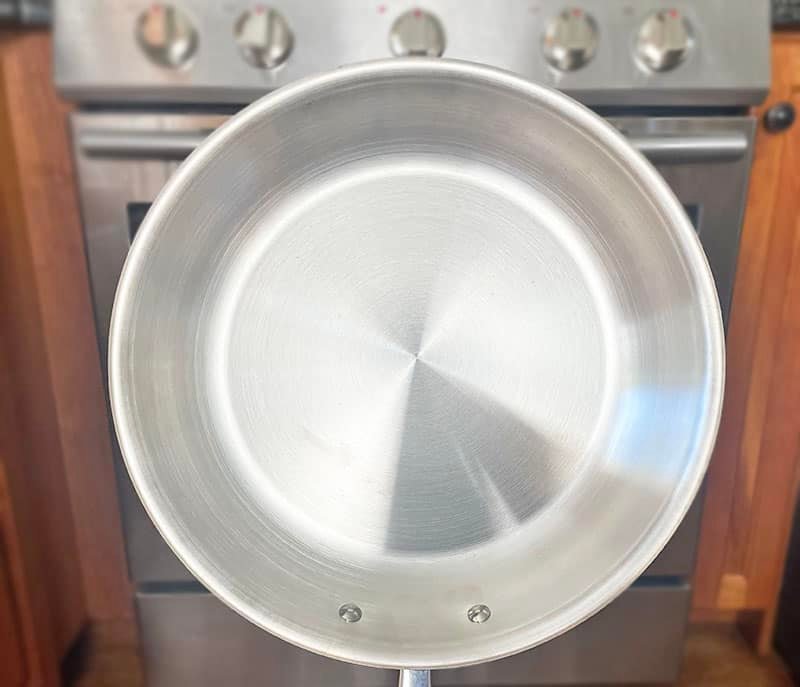
Stainless steel is stable at high heat. That is why many pro kitchens lean on it for oven work. Clad stainless has steel on the outside and a heat-spreading core inside. This core is often aluminum or copper.
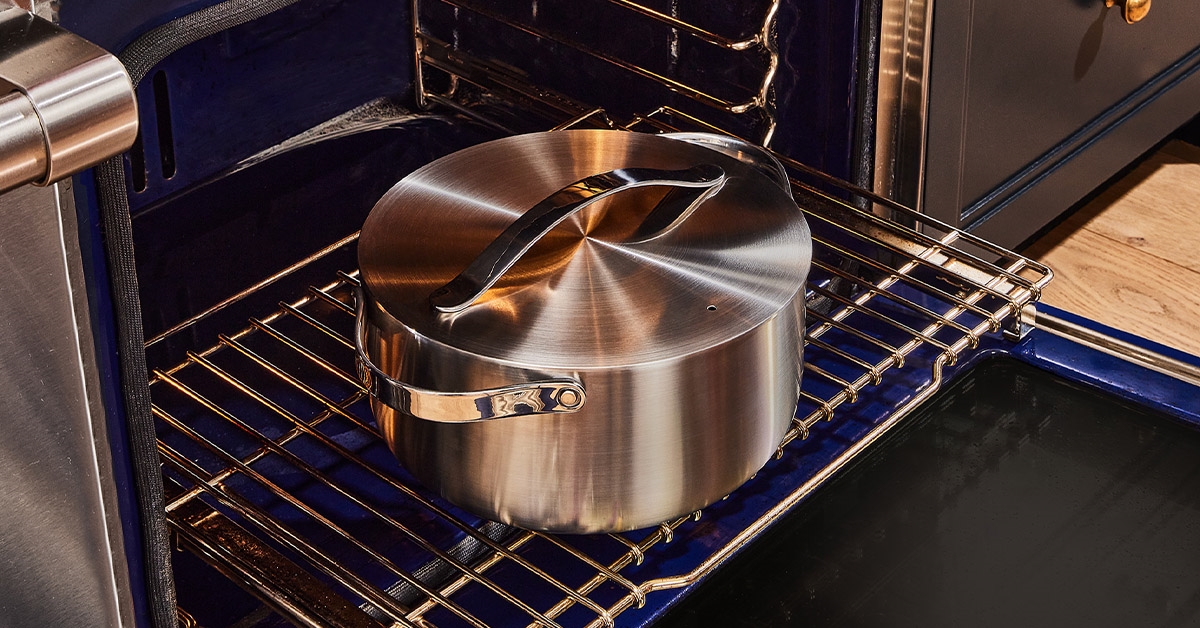
That build lets your pot heat even from top to bottom. It also avoids rust and flaking. If you wonder, can I put stainless steel pot in the oven for roasting or braising, the answer is yes for most fully metal designs. The catch is the handles and the lid.

How to tell if your stainless steel pot is oven-safe
You can confirm safety in a few quick checks.
- Look for an oven-safe stamp on the base. Many brands print a max temperature.
- Check the maker’s site or care guide. Search your model name and “oven safe.”
- Inspect the handles and knob. Metal is fine. Wood, some plastics, and loose silicone are not.
- Check the lid. Tempered glass often has a lower heat limit than the pot.
- See how the handle is attached. Riveted metal is stronger than glued parts.
If you still ask, can I put stainless steel pot in the oven, try this rule. All-metal body and all-metal handles are usually safe at 500°F or higher, unless the maker says otherwise.
Temperature limits and broiler rules
Not all parts like the same heat. Here are common max temps I see across brands and tests.
- Fully metal stainless pot and lid: often up to 500°F to 600°F.
- Stainless pot with metal handles, glass lid: often 350°F to 400°F.
- Silicone-wrapped handles: common rating up to 400°F.
- Phenolic or plastic handles and knobs: often 320°F to 375°F.
- Nonstick-coated stainless: often up to 500°F, but no broiler.
Broilers run very hot and very close to the flame or element. Use broilers only with all-metal pots. Keep the pot at least a few inches from the broiler. Do not use glass lids or nonstick under the broiler. If you think, can I put stainless steel pot in the oven set to broil, the safe path is all-metal, heavy-gauge pots only.
Handle and lid materials matter
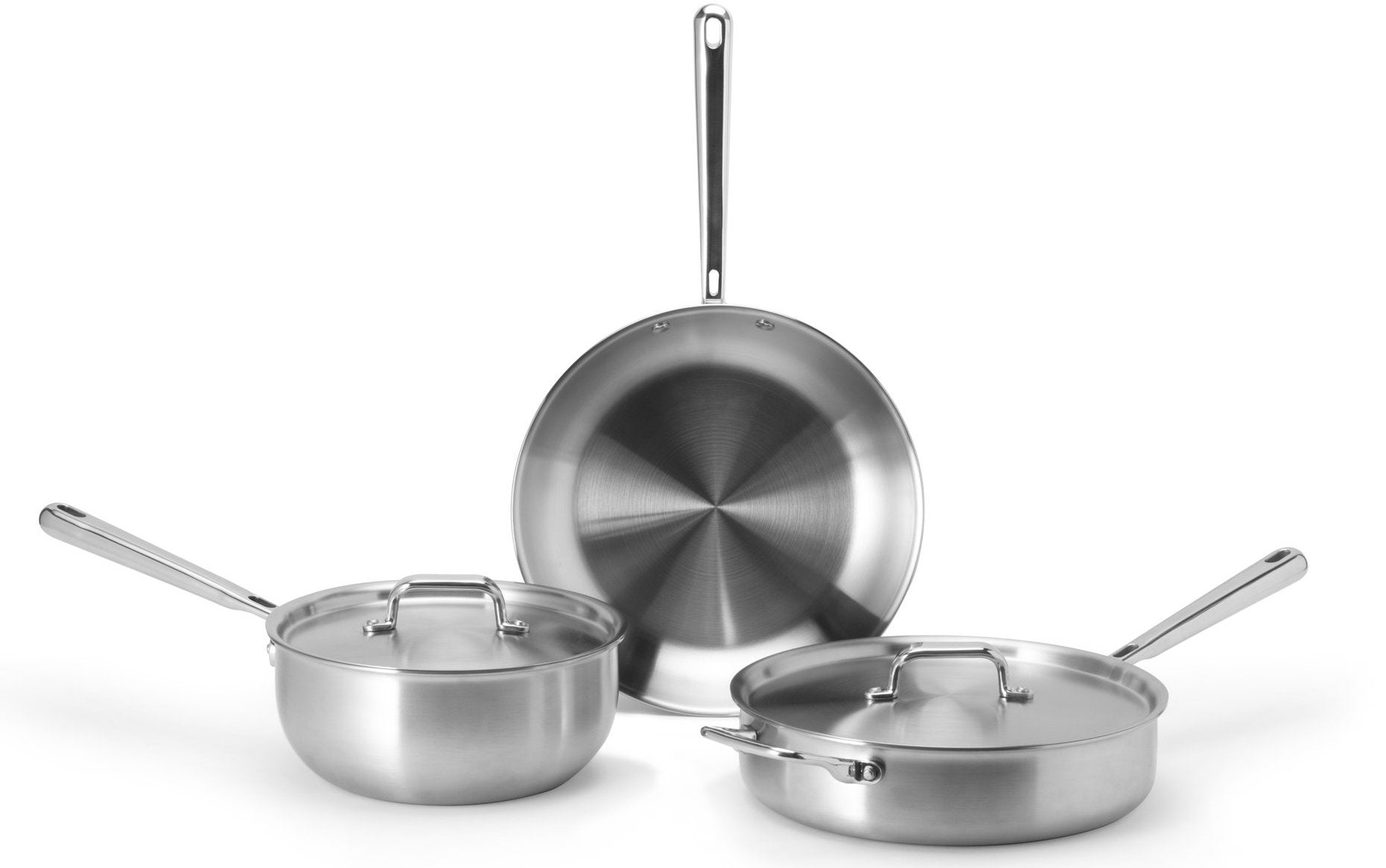
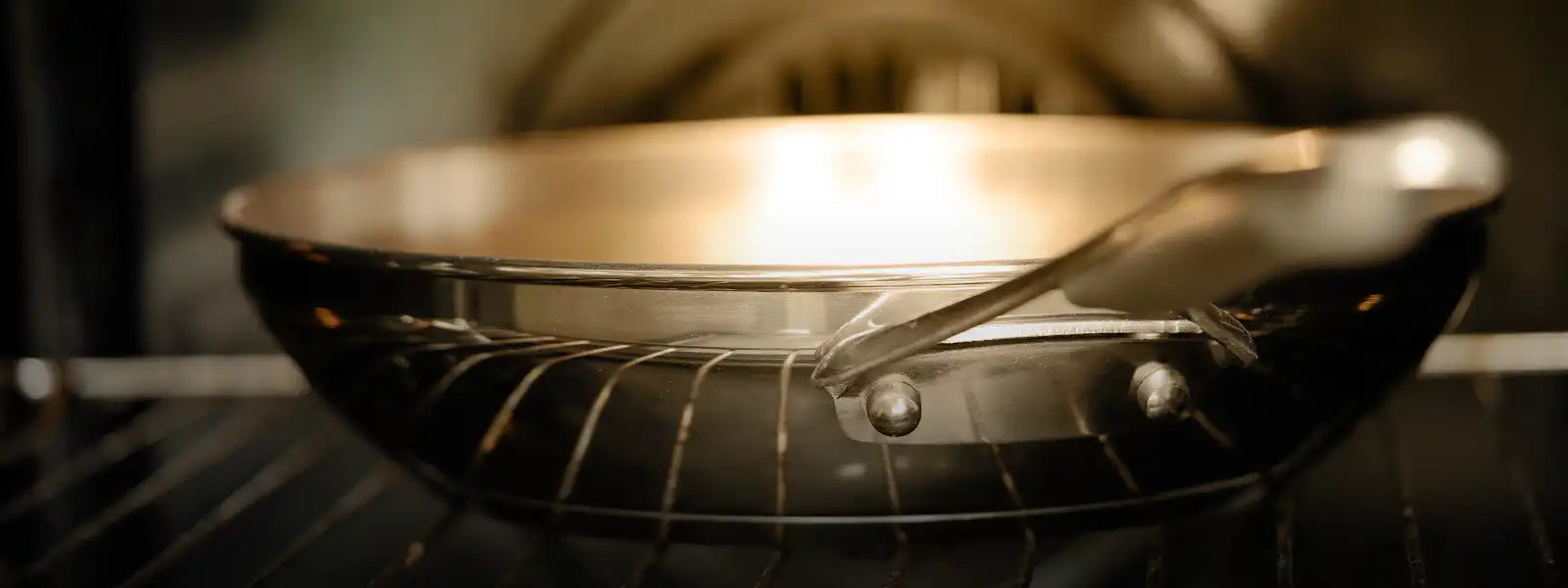
Handles decide a lot here. All-metal handles are best for oven use. Welded or riveted metal holds up at high heat. They also stay firm over time.
Silicone sleeves help grip. But many top out at 400°F. If you go higher, remove the sleeves. Phenolic and plastic parts can soften. They may crack or off-gas. Wood does not belong in a hot oven.
Lids need care too. Metal lids match the pot’s limit. Tempered glass lids often cap at 350°F to 400°F. Some knobs can fail first. If you ask, can I put stainless steel pot in the oven with its glass lid, check the lid’s rating first.

Best practices for putting a stainless steel pot in the oven
You can make this easy and safe with a few habits.
- Preheat the oven first. Then load the pot with food and place it inside.
- Avoid heating an empty pot for long. It can discolor or warp.
- Use oil with a high smoke point for roasting or searing.
- Keep the rack in the center for even heat.
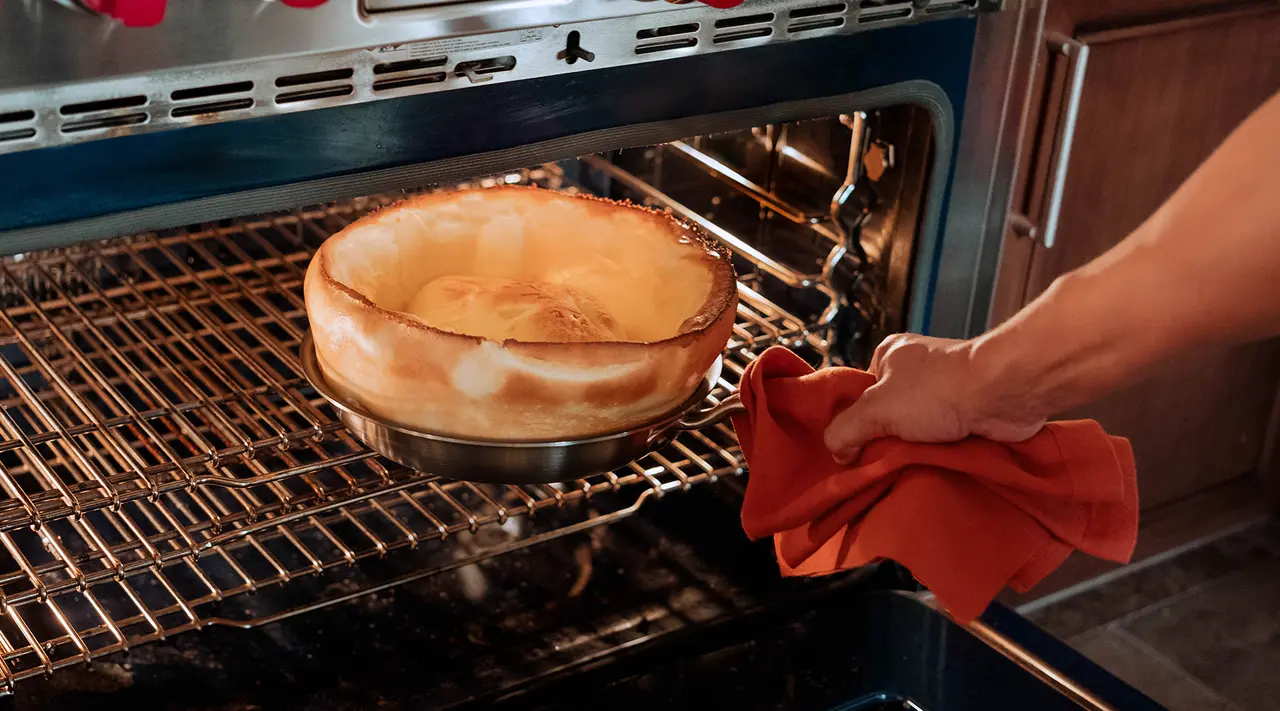
- Use two dry oven mitts. Wet mitts can cause steam burns.
- Move with care from stove to oven. Support the base and the handle.
- Let the pot rest on a trivet. Do not shock it with cold surfaces.
If you ask, can I put stainless steel pot in the oven for one-pan meals, this setup is perfect. Sear on the stove. Slide it into the oven. Finish the dish without extra pans.
Common mistakes and how to avoid them
I see the same errors again and again. They are easy to fix.
- Using the broiler with a glass lid. Glass can shatter. Use metal only.
- Grabbing a hot metal handle bare-handed. Use mitts every time.
- Jumping from hot oven to cold sink. Thermal shock can warp a pot.
- Exceeding the lid or handle rating. The pot may survive, the parts may not.
- Misreading Celsius and Fahrenheit. Double-check your settings.
If the thought is, can I put stainless steel pot in the oven on high heat, you can. Just match the heat to the lowest-rated part.

Real-world notes from my kitchen tests
I have baked, braised, and broiled with stainless pots for years. My 3-ply clad 4-quart pot handles 500°F roasts with no trouble. It goes from a stove sear to the oven and back, meal after meal. The base stays flat. The sides brown well.
I once pushed a mid-range pot with a phenolic knob at 425°F. The stew was great. The knob was not. It warped. I replaced it with a stainless knob and never looked back.
I also learned to skip glass lids under intense heat. One cracked under a broiler years ago. Since then, if I ask myself, can I put stainless steel pot in the oven for a high-heat finish, I swap to a metal lid or go lidless.
Cleaning and care after oven use
Care is simple if you act while the pot is warm.
- Deglaze stuck bits with hot water or stock on the stove.
- For stubborn browning, use a baking soda paste. Let it sit, then scrub.
- To remove rainbow stains from high heat, wipe with warm vinegar, then rinse.
- Dry fully to avoid water spots.
- Store with the lid off to let moisture escape.
This routine keeps the pot bright and smooth. It also protects the cooking surface over time.
When you should not put a stainless steel pot in the oven
There are some clear no-go signs.
- Any handle or knob made of wood or low-heat plastic.
- A lid with a rubber gasket not rated for ovens.
- Decorative wraps, paint, or glued-on trims.
- Double-wall insulated cookware not built for cooking.
- Pressure cooker lids and parts. They are not for dry oven heat.
- Cheap, thin pots with weak spot welds. They can warp or pop.
If you still wonder, can I put stainless steel pot in the oven when parts look unsure, do not risk it. Check the manual or the maker’s support page first.
Frequently Asked Questions of can i put stainless steel pot in the oven
Can I put stainless steel pot in the oven if it has silicone handles?
Yes, within the silicone rating, often up to 400°F. Remove sleeves if you need more heat.
Can I put stainless steel pot in the oven with a glass lid?
Only if the glass lid is rated for the target temperature. Many glass lids top out at 350°F to 400°F.
Is it safe to use the broiler with a stainless steel pot?
Yes for all-metal pots, but avoid nonstick and glass lids. Keep space between the pot and the broiler element.
Will my stainless steel pot warp in the oven?
It should not if it is heavy and used within its rating. Avoid thermal shock and do not heat it empty for long.
Can I preheat a stainless steel pot in the oven without food?
Short preheats are fine, but long dry heating can discolor or warp. Preheat the oven, then load the pot with food.
Can I put stainless steel pot in the oven for sourdough or baking?
Yes, if it is all-metal and has a tight lid. Preheat the oven, not the empty pot, and watch the handles.
Can I put stainless steel pot in the oven for deep braises?
Yes, this is ideal for low and slow cooking. Keep the lid on to hold moisture and flavor.
Can I put stainless steel pot in the oven at 500°F?
Often yes for all-metal pots, but confirm the maker’s rating. Lids and handles may set a lower limit.
Does stainless steel discolor in the oven?
High heat can cause a rainbow sheen. It is safe and can be cleaned with warm vinegar or a stainless cleaner.
Can I put stainless steel pot in the oven right after searing on the stove?
Yes, that is a common method for one-pan meals. Use mitts and place the pot on the center rack.
Conclusion
You can put a stainless steel pot in the oven with great results. Focus on the parts that set the limit: handles, knobs, and lids. Match your temperature to the lowest-rated part, avoid thermal shock, and use all-metal for broiling. Your pot will last, and your food will shine.
Put this into practice on your next roast or braise. Test one safe step today, like swapping to a metal lid for high heat. If this helped, subscribe for more kitchen-tested guides, or drop a comment with your cookware questions.

Hi, I’m Mary, the founder of KitchenClue.com. I’m deeply passionate about everything that makes a kitchen smarter, easier, and more enjoyable. I share hands-on insights and practical expertise on kitchen gear that truly helps in daily cooking. Along with my dedicated research team, we study products carefully, and our writers create honest, well-tested reviews using trusted, authentic sources—so you can choose kitchen tools with total confidence.