Can Saucepans Go In The Oven: Safe Use Guide 2026
Many saucepans can go in the oven, but materials and handles decide.
I test cookware for real kitchens, not showrooms. If you wonder can saucepans go in the oven, this guide gives clear rules, safe temps, and pro tips. You will learn what works, what fails, and how to use your pan like a chef.

What “oven safe” really means for a saucepan
Oven safe means the whole pan can handle set heat without damage. That includes the body, the handle, the lid, and any coatings or glue. If one part fails, the pan is not oven safe.
Key parts to check:
- Pan body material Stainless steel, cast iron, aluminum, copper, and nonstick all behave in different ways.
- Handle material Stainless, cast iron, silicone, wood, and Bakelite have very different limits.
- Lid and knob Tempered glass and plastic knobs often cap the safe range.
- Rivets and welds Glue and plastic trim can melt or give off smoke.
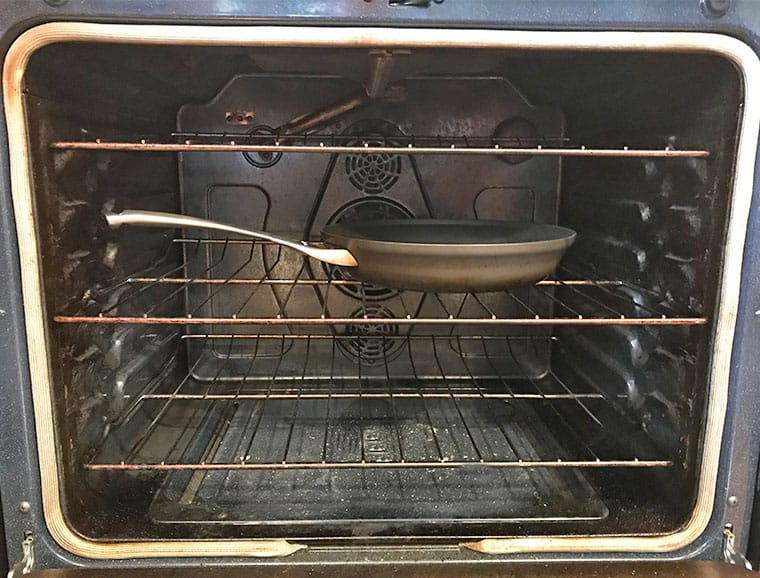
So, can saucepans go in the oven? Yes, many do. But only if all parts are made for oven heat, and only to the stated max temperature.

Typical materials and their safe temperature ranges
Knowing the material gives you a fast clue. Here is a clear overview you can trust. Always confirm with your product manual.
Pan bodies:
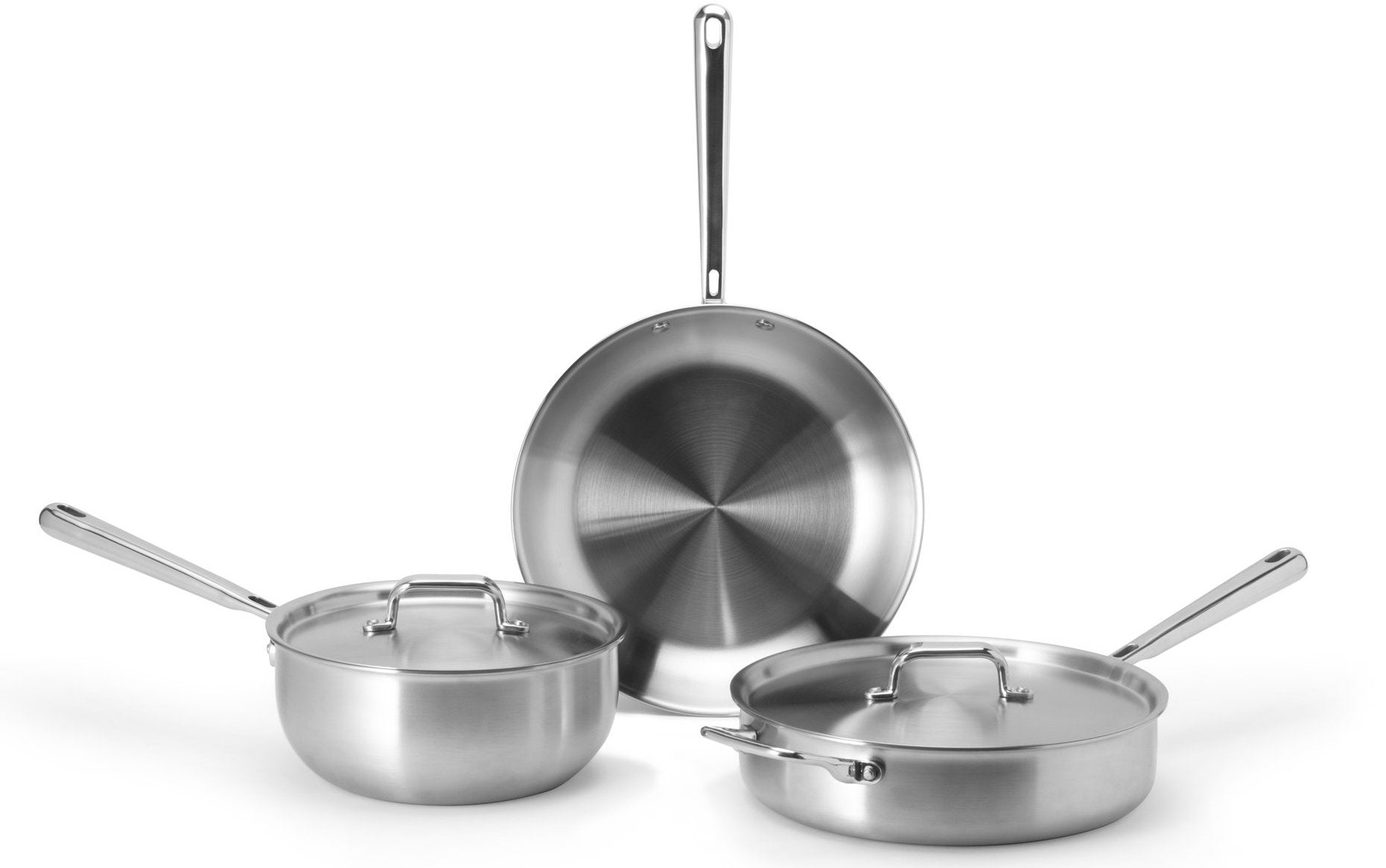
- Stainless steel and tri ply Often 500 to 600°F. Great for sear to oven moves.
- Cast iron Bare or enameled. Usually 500°F and up. Check lid limits.
- Carbon steel Often 500°F and up. Needs seasoning care.
- Hard anodized aluminum Often 400 to 500°F. Check handle and coating notes.
- Copper Usually fine to 500°F, but handles and lining decide the cap.
- Nonstick PTFE or ceramic Many cap at 350 to 400°F. Some go to 500°F, but only if rated.
Handles:
- Stainless steel or cast iron Often 500°F or higher.
- Silicone Commonly 400°F.
- Bakelite Often 320 to 350°F.
- Wood Not oven safe.
Lids:
- Tempered glass Often 350 to 400°F. Broiler use is not advised.
- Metal lids Usually match the pan’s top temp unless a plastic knob limits it.
Big idea to remember:
- Can saucepans go in the oven without risk? Yes, if every part is rated for the same heat and you do not exceed it.
How to check if your saucepan can go in the oven
Before you slide that pan onto a rack, do this quick check.
Step by step:
- Inspect the base Look for an oven safe symbol or a max temp number.
- Read the manual Brands list exact temps and lid notes. Many also list broiler rules.
- Check the handle If it is wood or Bakelite, stop. If it is silicone, note the lower limit.
- Look at the lid Tempered glass often has a lower cap. Remove it if needed.
- Visit the brand site Model pages often show the rating. Use the model number.
- When in doubt, ask support A quick chat can save a ruined pan.
A simple rule:
- If you still wonder can saucepans go in the oven, assume no until you confirm the rating.
How to use a saucepan in the oven like a pro
Yes, a saucepan can be a small Dutch oven. Here is how I use mine on busy weeknights.
Great use cases:
- Stovetop to oven pasta Bake the top until it bubbles and browns.
- Braised chicken Sear on the stove. Add liquid. Cover. Finish low and slow.
- Baked eggs or frittata Start on the stove. Set in the oven to set the center.
- Pan sauces Keep warm in the oven while you sear the next batch.
Technique tips:
- Preheat the oven Let the metal heat even. Less warping risk.
- Move racks Level with the pan for safe reach with mitts.
- Watch the broiler Avoid broilers with nonstick, silicone, or glass lids.
- Use dry mitts Wet towels make steam burns. Keep dry tools.
- Rest before washing Let the pan cool on the stove. Avoid thermal shock.
If the question is can saucepans go in the oven for browning and even heat, the answer is yes, and the method above makes it safe and simple.

Safety rules and mistakes to avoid
A little care goes a long way. These rules protect your pan and your hands.
Avoid common errors:
- Overheating nonstick PTFE fumes form at very high heat. Keep within the rating. Never broil.
- Using plastic under heat Bakelite, wood, or plastic knobs can melt or smoke.
- Thermal shock Do not move a hot pan into cold water. Let it cool first.
- Empty pan preheat Do not preheat a dry nonstick pan. Add a bit of oil or water.
- Grabbing a hot handle The handle stays hot longer than you think. Keep a mitt on.
- Over heavy loads Thin pans can warp at high heat with heavy food.
Care after use:
- Let it cool, then wash Hot water only after it is warm, not blazing hot.
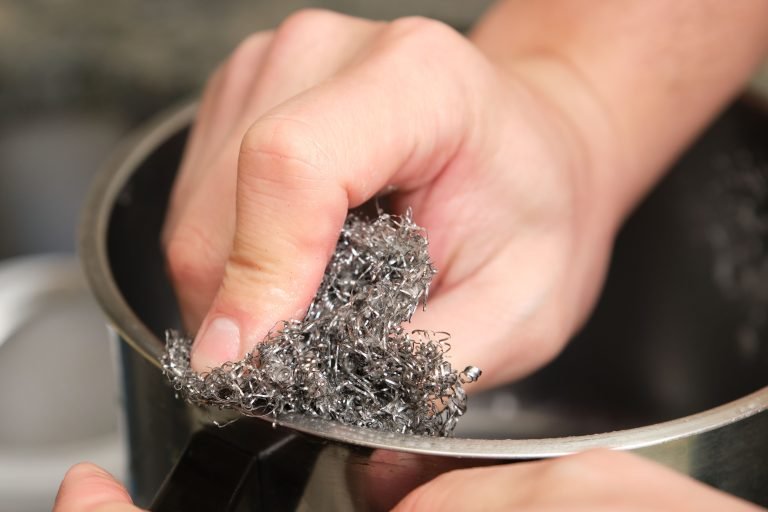
- Nonstick care Use soft sponges. Avoid steel wool.
- Cast iron and carbon steel Dry at once and oil to keep seasoning strong.
As many ask can saucepans go in the oven for roasting or broiling, note this key point. Roasting is fine within limits. Broiling is harsh and often unsafe for nonstick, silicone, and glass lids.

My hands on notes, lessons, and smart tips
I test pans every week in real service. Here is what I have learned.
Real world notes:
- My stainless tri ply saucepan marked 600°F works great for sear and bake. The metal handle stays solid, but I still use a mitt.
- My old nonstick with a Bakelite handle was rated 350°F. At 400°F the handle browned. It did not fail that day, but it smelled and got brittle. I retired it.
- A glass lid once popped under a broiler. Since then, I remove glass lids or use foil at high heat.
Tips that help:
- Keep a sharpie note on the pot rack Write the safe temp on the handle base.
- Use foil instead of a low rated lid Foil is simple and safe for most jobs.
- Favor cast iron or stainless for oven work Save nonstick for eggs and light sauces.
- If you ask can saucepans go in the oven on weeknights, pick a pan with metal handles and a metal lid. Life gets easy.
Saucepan vs skillet vs stockpot vs Dutch oven
Pick the right tool for the job. It saves time and stress.
When to use a saucepan:
- Sauces, grains, small braises, and baked sides.
- Tasks that start on the stove and finish in the oven.
When to pick something else:
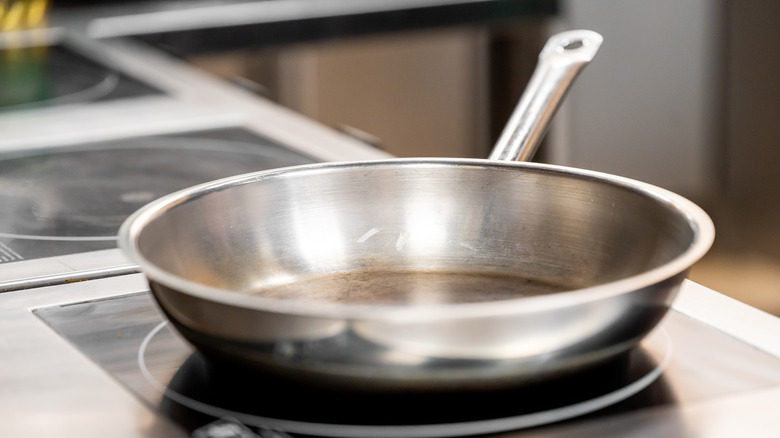
- Skillet For wide sears and fast oven finish.
- Stockpot For big batches and soups, usually stovetop only.
- Dutch oven For big braises and bread bakes, fully oven ready.
Can saucepans go in the oven like a Dutch oven? Often yes for small jobs. But for long, hot cooks, a Dutch oven shines.

Quick decision cheat sheet
Use this fast checklist before you bake.
- Read the rating If it lists a temp, obey it.
- All metal is best Metal pan, metal handle, metal lid. Easy choice.
- Silicone handles are fine to a point Usually safe to 400°F.
- Bakelite, wood, plastic are not oven tools Do not risk them.
- Remove glass lids at high heat Many cap at 350 to 400°F.
- No broiler for nonstick Keep it out from direct flame or coils.
If you still ask can saucepans go in the oven, track the safe temp on a sticky note. It will guide you when you cook fast.
Frequently Asked Questions of can saucepans go in the oven
How do I know if my saucepan is oven safe?
Check the base, manual, or brand site for an oven safe symbol or max temp. If any part is plastic or wood, it is not oven safe.
Can saucepans with plastic or Bakelite handles go in the oven?
Usually no, or only to a low limit around 320 to 350°F. Exceeding that can cause melting, smoke, or failure.
Is a nonstick saucepan safe in the oven?
Some are, but many cap at 350 to 400°F. Never use nonstick under a broiler, and always follow the exact rating.
Can I put a glass lid in the oven?
Tempered glass lids are often safe to 350 to 400°F. They should not go under a broiler or face direct flame.
Will a stainless steel saucepan warp in the oven?
Good tri ply or thick base pans resist warping. Thin pans can warp at high heat, especially if shocked with cold water.
Can saucepans go in the oven under the broiler?
Only all metal pans rated for broiler use, and never with nonstick or silicone. Broilers are extreme and unforgiving.
What temperature is safe for most saucepans?
All metal stainless or cast iron often handle 500°F. Nonstick and silicone handled pans are lower, around 350 to 400°F.
Conclusion
Many home cooks ask can saucepans go in the oven, and the answer is yes for many, if you respect the weakest part. Match the pan, handle, and lid to the heat, avoid the broiler with nonstick or glass, and keep a note of safe temps. With these steps, your saucepan becomes a flexible oven tool.
Try one stovetop to oven dish this week. Pick an all metal pan, set the oven, and finish your sear with a perfect bake. Want more gear tips and tested recipes? Subscribe, save this guide, and share your own oven wins in the comments.

Hi, I’m Mary, the founder of KitchenClue.com. I’m deeply passionate about everything that makes a kitchen smarter, easier, and more enjoyable. I share hands-on insights and practical expertise on kitchen gear that truly helps in daily cooking. Along with my dedicated research team, we study products carefully, and our writers create honest, well-tested reviews using trusted, authentic sources—so you can choose kitchen tools with total confidence.