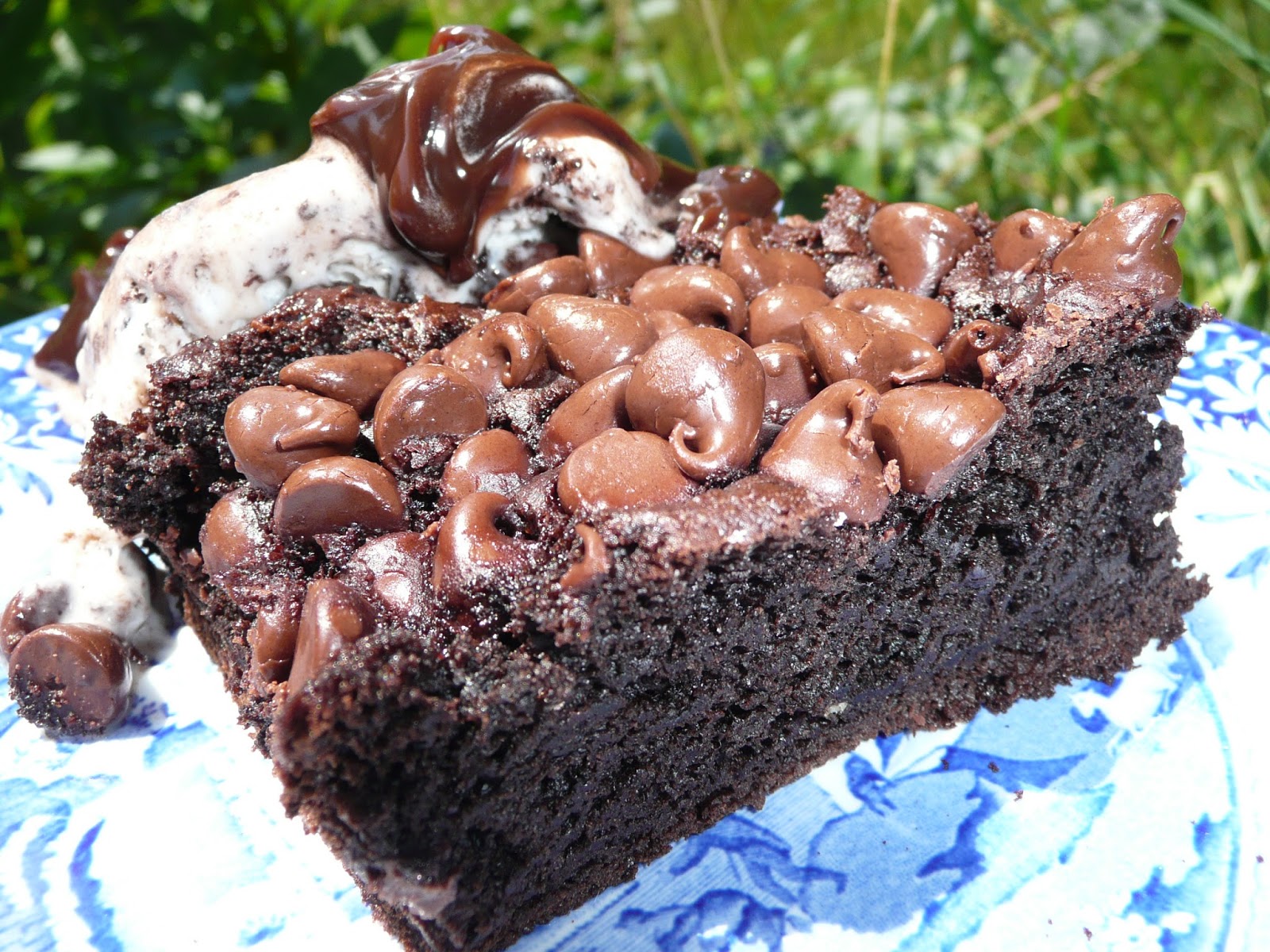
Can You Make Fudge In A Dutch Oven: Easy, Foolproof Tips
Yes. You can make fudge in a Dutch oven, and it turns out silky-smooth.
If you have wondered can you make fudge in a dutch oven, the short answer is a confident yes. As a recipe developer who has cooked on gas stoves, induction tops, and even campfires, I trust enameled cast iron for sweets. In this guide, I will show you how to control heat, avoid grainy texture, and get that glossy, melt-in-your-mouth bite. You will learn the method I use at home and outdoors, plus fixes, flavors, and storage tips that work.

Why a Dutch Oven Works for Fudge
A Dutch oven shines because it heats slow and even. The thick walls spread heat and protect the sugar from hot spots. That means fewer scorched edges and a steady boil, which is key for smooth fudge.
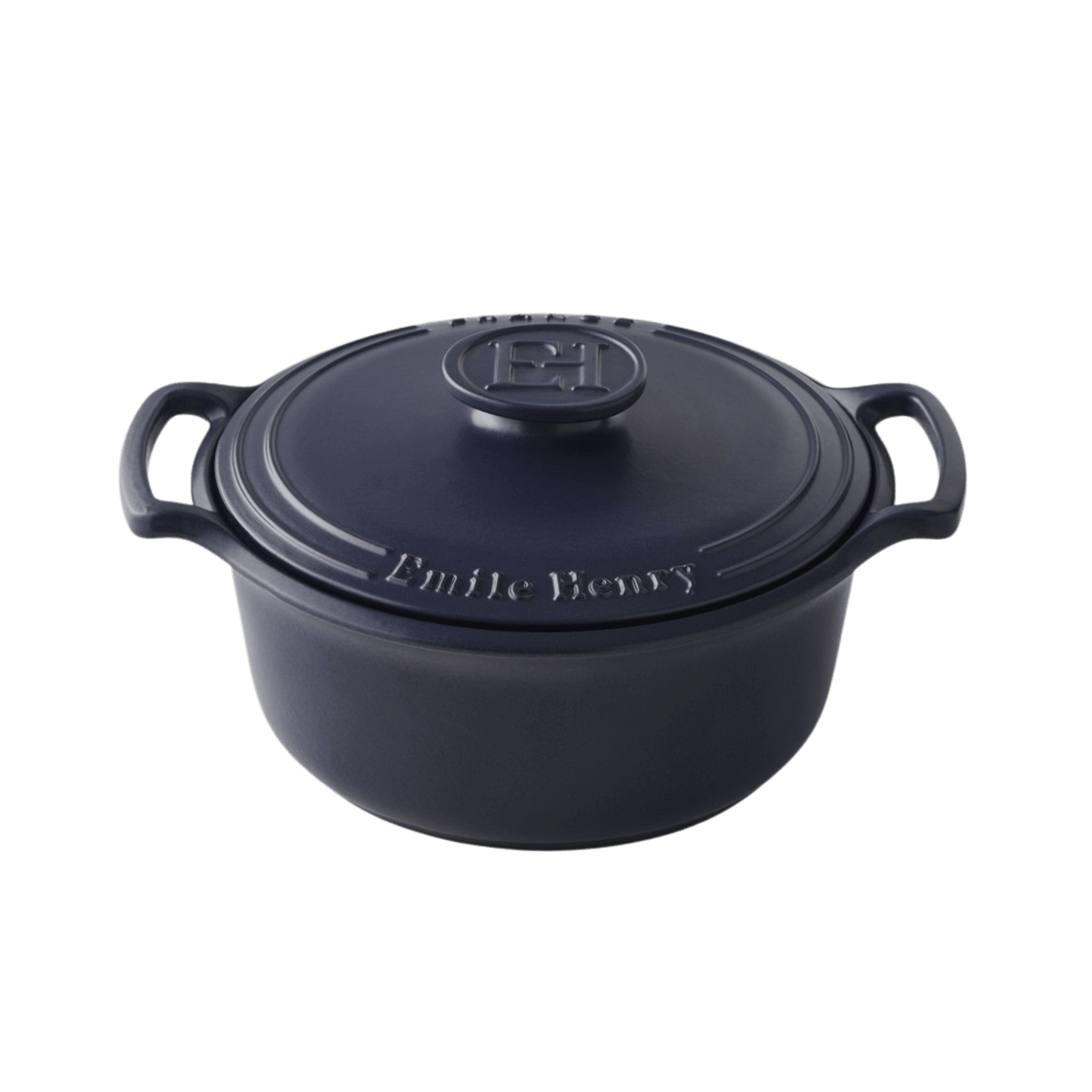
Enameled cast iron is my pick. It cleans well and does not react with acid or dairy. Bare cast iron can work, but enamel is kinder to sugar and milk. A 5 to 7 quart pot gives space for a steady boil and safe stirring.
If you ask, can you make fudge in a dutch oven with a gas stove or induction, the answer is still yes. The steady heat profile of cast iron helps on any cooktop. It also holds heat after you turn off the burner, so pull it a little early to avoid overshooting the target temperature.
Tips from the field:
- Use medium heat to start. Let the pot warm before the sugar mix goes in.
- Keep a candy thermometer clipped on. Watch the bulb tip so it stays in the syrup, not on the metal.
- Rotate the pot now and then if your burner has a hot side.

Tools, Ingredients, and Setup
Gear you need:
- Enameled Dutch oven, 5 to 7 quarts
- Candy thermometer or instant-read with a clip
- Wooden spoon and a heatproof silicone spatula
- Pastry brush and a cup of hot water
- 8 by 8 inch pan lined with parchment
- Cooling rack
Classic chocolate fudge ingredients:
- Granulated sugar, 3 cups
- Whole milk or evaporated milk, 1 cup
- Unsalted butter, 4 tablespoons
- Unsweetened cocoa powder, 3 tablespoons, or 6 ounces chopped dark chocolate
- Light corn syrup, 2 tablespoons, optional for fewer sugar crystals
- Fine salt, 1 teaspoon
- Vanilla extract, 2 teaspoons
- Nuts, 1 cup, optional
Set up first. Line the pan. Measure everything. Clear space near the stove. When fudge hits the right stage, speed matters. If a friend asks, can you make fudge in a dutch oven without a thermometer, you can try, but a thermometer makes results far more reliable.
Step-by-Step: Make Classic Fudge in a Dutch Oven
- Prepare the pot. Add sugar, milk, butter, cocoa or chocolate, corn syrup, and salt. Stir over low heat until the sugar dissolves and the mix looks smooth.
- Wash down the sides. Dip the pastry brush in hot water and brush inside the pot to dissolve stray sugar crystals.
- Clip the thermometer. Raise heat to medium. Do not stir once it starts to boil. Let it cook to the soft-ball stage, 234 to 240°F. At high altitude, lower the target by about 2°F for every 1,000 feet.
- Pull from heat. Let the syrup cool to about 110°F. Do not disturb it while it cools. A calm surface helps a fine texture.
- Beat and finish. Add vanilla. Beat with a wooden spoon until the fudge loses gloss and thickens. Fold in nuts if using. Pour into the lined pan. Do not scrape the crusty bits from the pot. Those can be grainy.
- Set, cut, and enjoy. Let it set at room temp for 2 to 4 hours. Lift with parchment. Cut into squares.
This is the method I teach when people ask, can you make fudge in a dutch oven and get that classic, old-fashioned bite. With these steps, you can.

Campfire or Outdoor Method
Can you make fudge in a dutch oven over coals? Yes, but keep the heat gentle and steady. You do not bake fudge with top coals like a casserole. You simmer it, uncovered, over a stable bed of coals.
Outdoor tips:
- Set a grate over a small bed of glowing coals. Think low to medium heat.
- Use a heat diffuser or a trivet if you have one. It helps avoid hot spots.
- Turn the pot every few minutes. Shield from wind to keep the boil even.
- Check temperature often. Remove the pot a few degrees early since carryover heat is stronger outdoors.
I once made a batch at a lakeside campsite. The pot held heat so well that I hit 242°F fast. Since then, I pull it off the fire at 236 to 238°F and let carryover finish the job.

The Science, Pro Tips, and Mistakes to Avoid
Sugar wants to crystallize. Your job is to control when and how. That is why you stop stirring once it boils and why you cool it before beating.
Key science points:
- Soft-ball stage, 234 to 240°F, sets final texture. Lower is softer. Higher is firmer.
- A little corn syrup or glucose helps stop big crystals from forming.
- Washing the pot walls removes seed crystals that can make fudge gritty.
- Letting it cool to 110°F before beating builds fine crystals for a smooth bite.
Common mistakes:
- Stirring during the boil. This can seed crystals and turn it grainy.
- Scraping the pot into the pan. Edge bits set hard and can ruin texture.
- Overheating the mix. Even heat is good, but too hot makes dry fudge. Cast iron carries heat, so watch the thermometer.
When friends ask, can you make fudge in a dutch oven without getting grainy results, I point to these steps. Follow them, and the pot’s even heat works in your favor.

Flavor Variations and Dairy-Free Options
Make it yours with simple swaps. The Dutch oven method stays the same.
Great flavor paths:
- Peanut butter swirl. Spoon warm peanut butter over the pan and swirl.
- Maple walnut. Use maple syrup for part of the sugar. Fold in toasted walnuts.
- Salted caramel. Stir in caramel at the beat stage. Finish with flaky salt.
- Mocha. Add espresso powder and use dark chocolate.
Dairy-free ideas:
- Use full-fat coconut milk and a plant butter.
- Choose dairy-free chocolate and add vanilla for round flavor.
- Marshmallow crème can make a quick-set fudge, but classic cooked fudge has deeper flavor.
People often ask, can you make fudge in a dutch oven when you avoid dairy. You can, and the process is the same. Watch the temperature and cool before beating.

Storage, Shelf Life, and Food Safety
Fudge keeps well when stored right. Keep air and moisture away to protect the texture.
Simple rules:
- Room temperature. Store in an airtight tin with parchment between layers for 1 to 2 weeks.
- Fridge. It lasts longer but can dry out. Wrap well and bring to room temp before serving.
- Freezer. Freeze up to 3 months. Wrap tight. Thaw wrapped in the fridge, then bring to room temp.
- Safety. Cooking to at least 234°F reduces risk from microbes. Keep tools clean. Do not double dip spoons.
A final care note: clean enameled Dutch ovens with warm water and a soft sponge. Avoid metal scouring pads so you do not chip the enamel. For folks who ask, can you make fudge in a dutch oven and still clean it with ease, the answer is yes if you soak with warm water and wipe, not scrape.

Frequently Asked Questions of can you make fudge in a dutch oven
Can you make fudge in a dutch oven on an induction cooktop?
Yes. Enameled cast iron works well on induction. Use medium heat and a thermometer for control.
Do I need a lid when making fudge in a Dutch oven?
No. Leave the pot uncovered. You want steam to escape so the syrup can reach the soft-ball stage.
Can you make fudge in a dutch oven with brown sugar?
You can. Brown sugar adds moisture and a molasses note, so cook to the same temperature and cool well before beating.
How do I fix grainy fudge made in a Dutch oven?
Add a splash of milk, reheat gently until fully melted, and cook back to 234 to 240°F. Cool to 110°F, then beat again.
Can you make fudge in a dutch oven without corn syrup?
Yes. Corn syrup helps control crystals, but you can skip it. Be strict about washing down the sides and no stirring during the boil.
What size Dutch oven is best for fudge?
A 5 to 7 quart pot gives space for a safe, even boil. Smaller pots can bubble over.
Can you make fudge in a dutch oven at high altitude?
Yes. Lower your target temperature by about 2°F for every 1,000 feet. This offsets the lower boil point of water.
Conclusion
You came here wondering, can you make fudge in a dutch oven, and the method is now in your pocket. Use even heat, track the soft-ball stage, cool before beating, and let the pot’s steady warmth work for you. The result is smooth, glossy fudge with flavor you can tweak for any crowd.
Set a time to try your first batch this week. Start classic, then riff with maple, espresso, or a dairy-free spin. Share your results, ask a question, or subscribe for more cast iron sweets and camp-friendly bakes.

Hi, I’m Mary, the founder of KitchenClue.com. I’m deeply passionate about everything that makes a kitchen smarter, easier, and more enjoyable. I share hands-on insights and practical expertise on kitchen gear that truly helps in daily cooking. Along with my dedicated research team, we study products carefully, and our writers create honest, well-tested reviews using trusted, authentic sources—so you can choose kitchen tools with total confidence.