Ceramic vs Steel Pans
Are you standing in the kitchen supply aisle feeling totally confused? You see ceramic pans on one shelf. Steel pans sit right next to them. Both promise amazing cooking results. Both have fans who swear by them. So how do you know which one is right for your kitchen?
Don’t worry. This guide will break down everything you need to know about ceramic pans and steel pans. You’ll learn the real differences. You’ll discover the pros and cons of each. By the end, you’ll feel confident picking the right cookware for your cooking style.
What Makes Ceramic Pans Special?
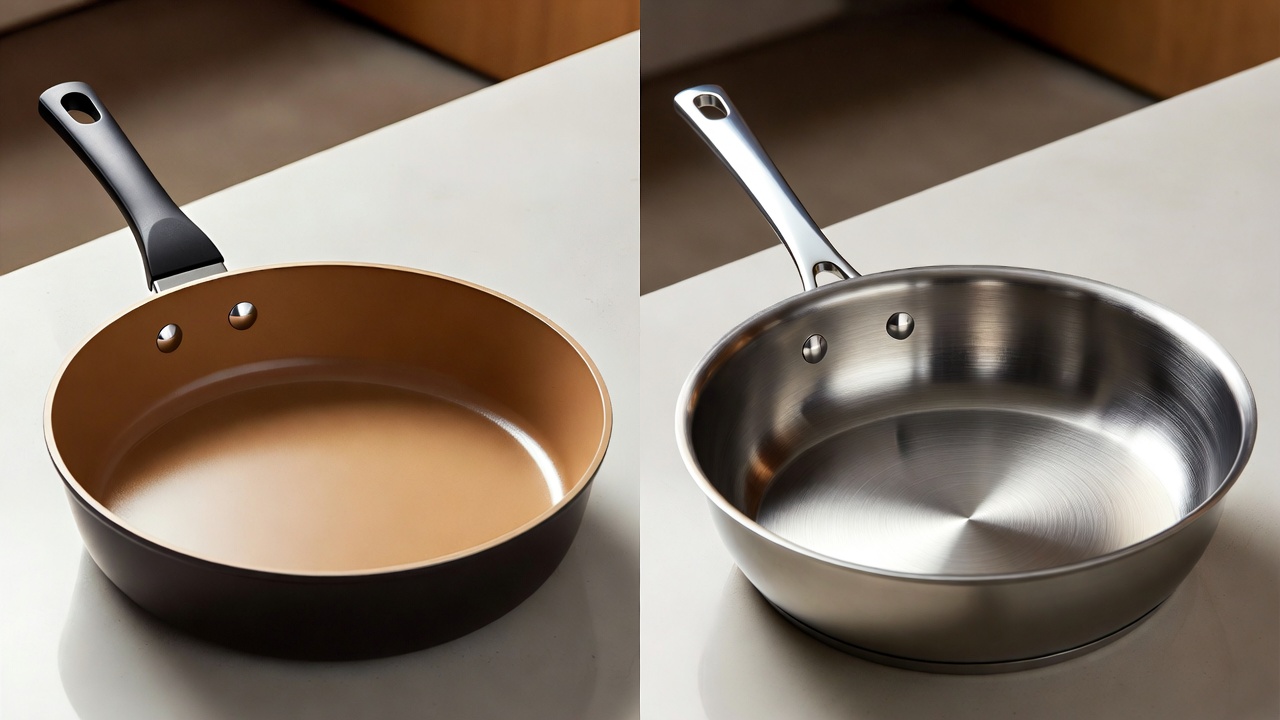
Ceramic cookware has a non-stick surface that feels smooth to the touch. The non-stick coating comes from a ceramic material. This material contains sand and other natural elements. It’s not made from chemicals like Teflon.
This is a big deal for many home cooks. They want to avoid synthetic non-stick coatings. Ceramic feels like a safer, more natural choice for cooking.
The inside of a ceramic pan has that slick coating. The outside is usually aluminum or steel. This aluminum core conducts heat well. It helps food cook evenly across the entire pan.
The Non-Stick Advantage
Ceramic pans come with immediate non-stick benefits. You don’t need to use much oil or butter. Food slides around easily. Eggs flip without sticking. Pancakes release perfectly from the surface.
This is great for healthier cooking. Less oil means fewer calories. Less oil means cleaner cleanup too. A paper towel often wipes out residue. Washing is usually quick and simple.
The non-stick surface also means you can use lower heat settings. Your food won’t burn as easily. You get more even cooking results.
Ceramic Pan Durability Questions
Here’s where ceramic pans get tricky. The non-stick coating doesn’t last forever. Most ceramic pans lose their non-stick properties over time.
How long do they last? That depends. Some ceramic pans stay slick for two years. Others last five years or longer. It really comes down to how you treat them.
The ceramic coating can scratch. Metal utensils speed up this damage. Abrasive scrubbers make things worse. High heat settings can degrade the coating faster too.
Once the coating starts flaking, you’ve got a problem. Bits of ceramic can end up in your food. The pan becomes hard to cook with. Most people toss them at this point.
Maintenance and Care
Ceramic pans need gentle treatment. Always use wooden or silicone utensils. Metal spoons and spatulas are the enemy. They scratch the coating immediately.
Hand washing is best. Dishwashers are too harsh for ceramic pans. The water jets and heat can damage the surface. The soap can be abrasive too.
Keep the heat on medium or below. High heat speeds up coating breakdown. It can also cause warping over time.
Don’t stack other pans on top of your ceramic cookware. The weight and friction damage the coating. Find them their own spot in the cabinet.
Understanding Steel Pans
Steel cookware is made from steel. Usually it’s stainless steel. The steel surface is naturally shiny and metal-looking.
These pans don’t have any non-stick coating. Food can stick if you’re not careful. This requires technique and proper oil or butter use. It also means learning to cook differently.
The steel heats up quickly. Heat distributes across the pan evenly. Steel pans retain heat well too. They keep food hot even after you remove them from the stove.
Why Cooks Love Steel Pans
Professional chefs prefer steel cookware in most kitchens. There’s a reason for this. Steel pans can handle anything you throw at them.
High heat? No problem. Steel handles serious heat. You can crank your burner to maximum. The pan won’t warp or melt.
Metal utensils? Go ahead. Scratch the surface all you want. The steel underneath is still fine. A little wear just adds character.
Steel pans last for decades. Many cooks use pans their parents bought. With proper care, your steel pan could last a lifetime. You might pass it to your kids someday.
The Non-Stick Learning Curve
Steel pans require skill to use properly. You need to preheat the pan. Let it get hot enough before adding food. This helps create a natural non-stick surface.
Oil or butter is essential. Use enough fat to coat the pan evenly. This prevents sticking. It also adds flavor to your food.
Proper technique matters too. Don’t move food around constantly. Let it sit in one spot. Let a crust form. Then flip or move it. This creates browning. It builds flavor.
Some people find this frustrating. They want the ease of ceramic pans. They don’t want to think about technique. This is totally fair. Not everyone wants to learn new cooking methods.
Steel Pan Seasoning
Over time, steel pans develop seasoning. This is a buildup of polymerized oil. It creates a natural protective layer. It adds to the non-stick properties.
You build seasoning through regular cooking. You don’t need to do anything special. Just keep using your pan. Keep using oil or butter. The seasoning develops naturally.
Some cooks handwash their steel pans with just hot water. They don’t use soap. The reason is simple. They want to preserve that seasoning layer. Soap can wash it away.
This might seem gross. But it’s actually fine. Hot water removes food particles. Your pan stays clean. The seasoning stays intact.
Direct Comparison: Ceramic vs Steel Cookware
Let’s put them side by side. This makes the differences clear.
Heat Distribution
Both ceramic and steel distribute heat well. Steel might have a slight edge. It heats up faster and more evenly. Ceramic takes a bit longer to reach full heat.
For most home cooking, this doesn’t matter much. Both reach the right temperatures. Both cook food properly.
Cooking Performance
Steel pans let you sear food better. You can get a golden crust. This develops flavor. Ceramic pans can sear too. But the process is different. You need to be more careful with heat levels.
For fried foods, steel works great. For delicate items like fish, ceramic is forgiving. Ceramic makes it harder to accidentally burn things.
Sticking Issues
Ceramic wins for immediate non-stick benefits. You get that slippery surface right away. No learning curve. No technique required.
Steel requires practice. But once you know what you’re doing, it performs just as well. Many cooks actually prefer the control they have with steel. They can build browning. They can create flavor.
Durability and Lifespan
This is where steel crushes ceramic. Steel pans last forever. Ceramic coatings degrade. They need replacement eventually.
If you want cookware that survives decades of use, steel is the winner. You might use the same steel pan for twenty years. A ceramic pan might need replacing in five.
Maintenance Requirements
Ceramic needs babying. Gentle utensils. Careful heat. Hand washing only. Special storage.
Steel is tough. Use whatever you want. Crank the heat. Toss it in the dishwasher if you’re lazy. Throw other pans on top. It won’t care.
Price Point
Ceramic pans often cost less initially. You might buy a ceramic pan for thirty dollars. A good steel pan costs more. Quality stainless steel cookware runs fifty to one hundred dollars.
But remember durability. You might buy three ceramic pans over your lifetime. You might buy one steel pan. The steel actually saves money long-term.
Ease of Use
Ceramic is easier for beginners. You don’t need special techniques. You don’t need to learn proper oil usage. You don’t need to build seasoning.
Steel has a learning curve. Beginners sometimes struggle. But many people find the curve worth climbing. The reward is cookware that lasts forever.
Specific Cooking Scenarios
Different cooking situations favor different pans. Let’s break it down.
Making Breakfast
Eggs are a good test case. Ceramic pans make scrambling easy. Eggs slide around without sticking. Flip-based omelets work well too.
Steel pans work for eggs too. You just need enough butter. Let the butter get foamy. Then add your eggs. They cook beautifully.
Pancakes? Ceramic wins again. They release from ceramic without sticking. Steel requires a bit more grease. But you get better browning on steel.
Browning and Searing Meat
Steel pans are the professional choice here. They handle high heat. They develop deep browning. This creates incredible flavor.
Ceramic pans can sear meat. But you need lower heat. The results are fine. But steel gives you superior browning. And the flavor development is better.
If you care about creating a golden crust on your meat, steel is your answer.
Sauces and Delicate Foods
Ceramic pans are safer for cream sauces. The non-stick surface prevents sticking. Delicate fish cooks gently. The low-stick surface means less chance of breaking your food.
Steel pans work for sauces too. You just need butter or oil. Sauces don’t stick as easily once they’re built from pan drippings.
Baking and Roasting
Neither of these pans is ideal for baking. Use baking sheets and pans designed for that.
If you’re roasting vegetables on the stovetop, steel works great. You can get high heat. You can get amazing caramelization.
Ceramic works for roasting too. The non-stick surface makes cleanup easy.
Health Considerations
This is a concern for many people. Let’s address it directly.
Ceramic Pan Safety
Ceramic pans are often marketed as the healthy choice. The reasoning is simple. They don’t contain Teflon. They don’t contain PTFE chemicals. They feel natural.
The truth is more nuanced. Ceramic coatings are generally safe. But some brands do contain chemicals. Check the label. Look for pans that say “PTFE-free” and “PFOA-free.”
Over time, ceramic coatings degrade. Small bits might flake off. This is a reason to replace them regularly. Don’t keep using a ceramic pan that’s showing wear.
Steel Pan Safety
Stainless steel is very safe. It doesn’t leach chemicals into food. It’s stable and inert.
The one concern is nickel. Some people have nickel allergies. Stainless steel contains nickel. If you have a nickel allergy, this might be an issue.
Most people are fine with stainless steel. It’s one of the safest cookware options available.
Which Pan Wins for Different Cooks?
The best pan depends on your cooking style and preferences.
Best for Beginners
Ceramic pans are simpler to use. No learning curve. No special techniques. Food doesn’t stick right away.
If you’re just starting to cook, ceramic makes sense. You can focus on recipes. You don’t need to worry about technique.
Best for Professional Cooks
Steel pans are the restaurant choice. They handle every cooking situation. They last forever. They give you more control.
If you cook frequently, steel pans reward your skill. You can create better results with proper technique.
Best for Health-Conscious Cooks
Both are healthy options. Steel is perhaps the safer choice. No coating means no coating degradation. No chemicals leach into food.
Ceramic is fine too. Just buy from reputable brands. Replace them when the coating wears down.
Best for Environmentally Conscious Cooks
Steel pans last decades. This means less waste. You’re not throwing out cookware every five years.
Ceramic pans eventually end up in landfills. This is less sustainable. From an environmental perspective, steel wins.
Common Ceramic Pan Mistakes
If you go with ceramic, avoid these problems.
Using the wrong heat level. Don’t go above medium-high. High heat damages the coating. It speeds up degradation significantly.
Stacking pans incorrectly. The weight and friction destroy the coating. Find individual spots for each pan.
Using metal utensils. This is the biggest mistake. Metal scratches ceramic. Silicone and wood last longer.
Putting them in the dishwasher. Hand wash always. Dishwashers are too harsh on ceramic coatings.
Ignoring wear signs. If you see scratches or flaking, stop using the pan. Ceramic bits in your food aren’t worth it.
Common Steel Pan Mistakes
Steel pans are forgiving. But you can still make mistakes.
Not using enough oil or butter. This is the biggest cause of sticking. Use enough fat. Your food cooks better and tastes better.
Not preheating properly. Cold steel pans are sticky pans. Heat them up first. Wait for the surface to get hot.
Crowding the pan. Too many items means uneven heating. Cook in batches. Let each item get proper contact with the hot surface.
Using extremely high heat for extended periods. The handles get too hot. You risk burning your hands. Medium-high is usually sufficient.
Ignoring the seasoning layer. Some care extends the life. Some handwashing preserves the seasoning. A little attention keeps steel pans better longer.
Budget Considerations
Let’s talk money. This matters for most people.
Upfront Cost
Ceramic pans are cheaper initially. Budget brands run ten to thirty dollars. Quality ceramic pans go up to seventy-five dollars.
Steel pans cost more up front. Good brands run fifty to one hundred fifty dollars. Great quality steel costs more.
The higher upfront cost for steel scares some people. But remember the math.
Lifetime Cost
Buy one ceramic pan. It lasts three years. Then you need a new one. Buy three ceramic pans over nine years. Total cost: ninety dollars.
Buy one steel pan. It lasts twenty years. Total cost: seventy-five dollars.
Steel is actually the budget choice. You’re not replacing cookware constantly.
The Sweet Spot
The best strategy might be buying both. Keep a ceramic pan for everyday cooking. Use it for breakfast. Use it for simple meals.
Keep a steel pan for when you need performance. Use it for searing meat. Use it for building sauces.
This gives you options. You spend maybe one hundred twenty dollars. You get decades of cookware. Both pans serve their purposes.
Alternatives to Consider
Ceramic and steel aren’t the only options. Let me mention a few other choices.
Non-Stick Teflon Pans
Traditional non-stick coatings use PTFE and PFOA. These chemicals have health concerns. Modern non-stick is safer. But many people still prefer to avoid them.
These pans perform well. They last better than ceramic. But less well than steel. They cost similar to ceramic.
If you want traditional non-stick, buy quality brands. Avoid the cheapest options. They break down faster.
Cast Iron
Cast iron is legendary. It lasts generations. It gets better with age. The seasoning improves over decades.
The downside is weight. Cast iron is heavy. Your arms get tired. It also takes longer to heat up.
Cast iron is worth owning. Many cooks keep one for searing meat. Or for cornbread. But it’s not practical as your only cookware.
Copper Cookware
Copper conducts heat better than anything. Professional kitchens love copper for sauces.
The downside is price. Copper is expensive. It requires polishing. It’s not practical for everyday cooking.
Save copper pans for special dishes. Most home cooks don’t need them.
Making Your Decision
You’ve learned a lot. Time to decide.
Ask yourself these questions.
How much do I cook? Regular cooks benefit from steel. Occasional cooks are fine with ceramic.
Do I care about learning technique? If yes, steel rewards your effort. If no, ceramic is easier.
What’s my budget? Ceramic costs less upfront. Steel saves money long-term.
How long do I want my cookware to last? Want lifetime cookware? Buy steel. Replacing every few years is okay? Ceramic works.
What foods do I cook most? Making eggs? Both work. Searing meat? Steel wins. Delicate fish? Ceramic is safer.
Do I have health concerns? Steel is the safest. Ceramic is fine if you buy quality brands.
The Final Verdict
There’s no objectively perfect pan. The best pan is the one that fits your life.
For most people, I’d lean toward steel. Here’s why. It lasts forever. You’re not replacing cookware constantly. You get better browning and flavor development. The skill you gain is useful forever. The upfront cost is higher. But the lifetime cost is lower. Steel is an investment. But it’s an investment that pays off.
That said, ceramic has merits. It’s easier to use. It’s cheaper upfront. It’s great for beginners. If you’re just learning to cook, start with ceramic. Learn basic cooking skills. Then graduate to steel when you’re ready.
Many professional cooks own both. They use ceramic for everyday cooking. They use steel for when they need control. There’s nothing wrong with this approach. You can own multiple pans. Use each one for what it does best.
Whatever you choose, buy quality brands. Cheap pans of any type disappoint. Whether ceramic or steel, investing in quality pays off.
Final Thoughts
The ceramic vs steel question doesn’t have a simple answer. Both have strengths. Both have weaknesses.
Your cooking style matters. Your budget matters. Your patience for learning technique matters. Your concerns about longevity matter.
Consider your specific needs. Think about your cooking habits. Then choose accordingly.
If you pick steel, you’re making an investment in decades of cooking. If you pick ceramic, you’re choosing simplicity and ease.
Either way, you’re upgrading your kitchen. You’re buying quality cookware. You’re setting yourself up for better cooking results.
Now get cooking. Your new pan is waiting to help you create delicious food. Whether it’s ceramic or steel, the real magic happens when you use it well.
Happy cooking.

Hi, I’m Mary, the founder of KitchenClue.com. I’m deeply passionate about everything that makes a kitchen smarter, easier, and more enjoyable. I share hands-on insights and practical expertise on kitchen gear that truly helps in daily cooking. Along with my dedicated research team, we study products carefully, and our writers create honest, well-tested reviews using trusted, authentic sources—so you can choose kitchen tools with total confidence.