Can You Cut Chicken On Wood Cutting Board: Safe Guide 2026
Yes—cutting raw chicken on a wooden cutting board is safe with proper care.
If you’ve ever wondered can you cut chicken on wood cutting board, you’re not alone. I’ve prepped thousands of pounds of chicken on hardwood boards in busy kitchens. This guide gives you clear, tested steps so you can cut with confidence at home. By the end, you’ll know exactly when, why, and how can you cut chicken on wood cutting board without risking your family’s health.

Is It Safe to Cut Raw Chicken on a Wooden Cutting Board?
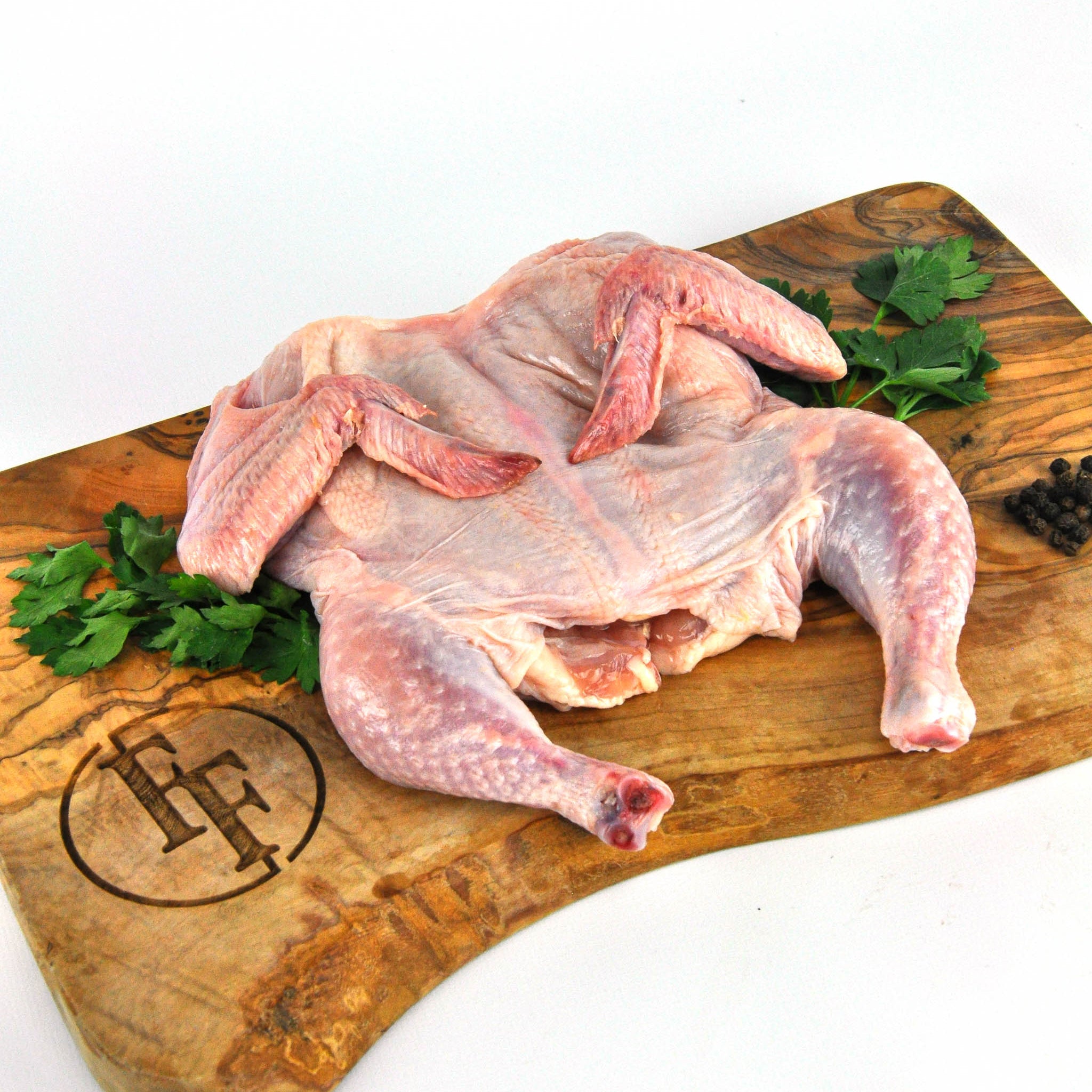
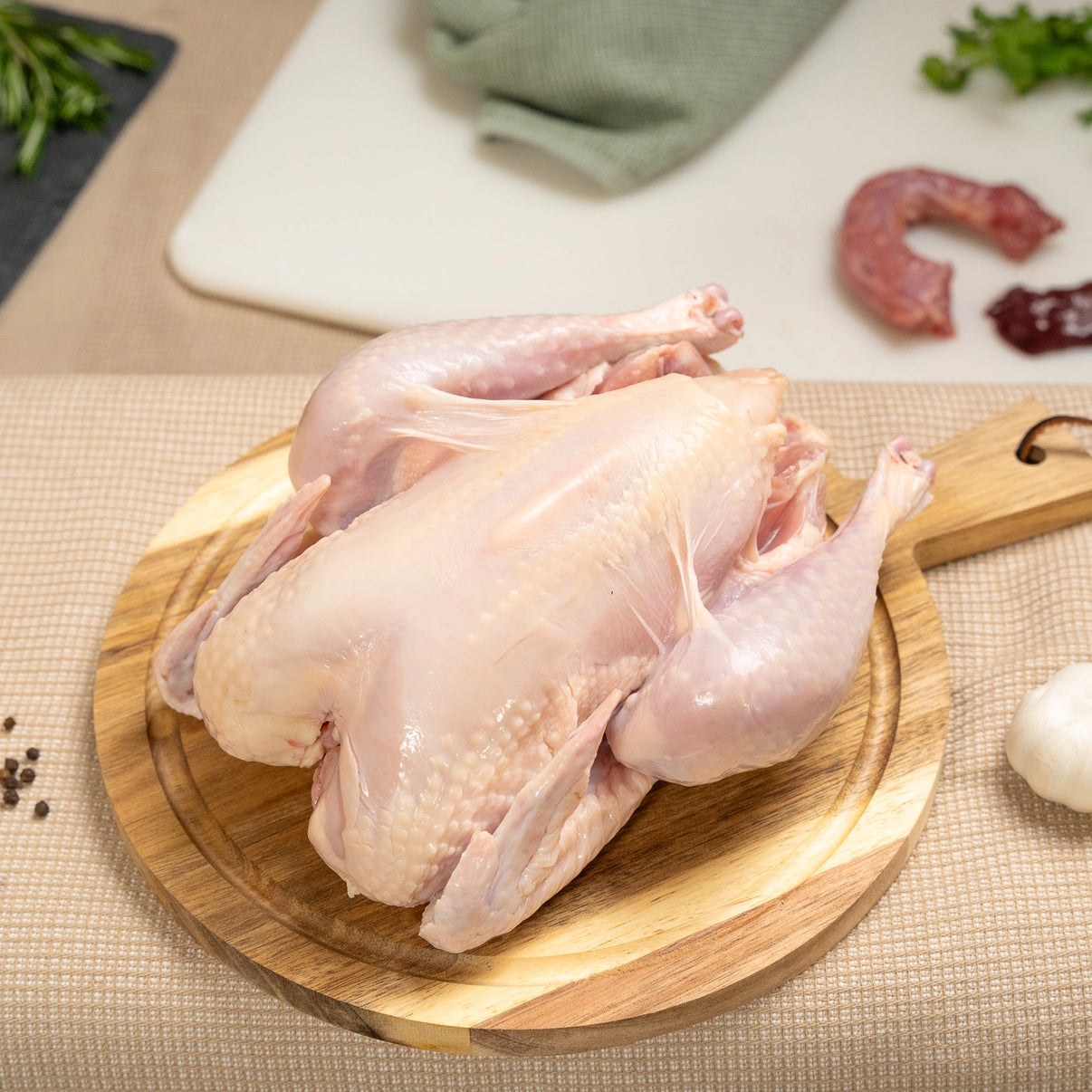
So, can you cut chicken on wood cutting board? Yes, as long as you use a well-kept hardwood board and clean it right after use. Wood can be as safe as plastic when used properly. The key is your workflow, not the material alone.
Food safety agencies agree on the basics. Keep raw chicken away from ready-to-eat foods. Clean and sanitize tools and surfaces after contact. Cook chicken to 165°F to kill any remaining germs.
In professional kitchens, many chefs use end-grain maple or walnut boards for raw meat. These boards are tough, gentle on knives, and easy to maintain. The surface “self-heals,” which helps limit deep grooves where bacteria can hide.
How Wood Cutting Boards Handle Bacteria and Moisture
Hardwood is porous, but that is not a bad thing. Capillaries in the wood can pull moisture down and away from the surface. As the board dries, bacteria lose water and die off faster than on some plastics.
Closed-grain woods like maple, walnut, and beech are ideal. They resist deep scoring and are less likely to trap debris. Bamboo is fine, but it is harder and often laminated, which can be tougher on knives.
What matters most is drying. A dry board is an unfriendly place for bacteria. After washing and sanitizing, stand the board on edge so air can flow around it.
:max_bytes(150000):strip_icc()/__opt__aboutcom__coeus__resources__content_migration__serious_eats__seriouseats.com__2026__01__20181109-breakdown-chicken-vicky-wasik-8-piece-1500x1125-29fcd6894803429391c4736b9e13ed88.jpg)
Step-by-Step: Safely Prepping Raw Chicken on Wood
Follow this simple flow every time. It keeps your kitchen safe and stress-free.
- Set up your station. Anchor the board with a damp towel. Keep a trash bowl and clean tray nearby.
- Open the package on the board. Pat chicken dry to reduce slippery juices.
- Trim and portion with a sharp knife. A sharp blade makes clean cuts and fewer gouges.
- Move chicken to a clean plate or pan right away. Do not set cooked or ready-to-eat foods on this board.
- Scrape the board with a bench scraper. Remove bits before washing.
- Wash with hot water and dish soap. Use a brush to reach knife marks.
- Sanitize. Use a safe sanitizer, then let it sit for 1 minute.
- Rinse if needed, then dry well. Stand the board on edge to speed drying.
- Wash your hands and wipe nearby surfaces. Swap towels or paper towels.
- Oil the board later if it looks dry. Use food-grade mineral oil or board cream.
This method is the backbone of can you cut chicken on wood cutting board in a safe way. Simple habits make the biggest difference.

Cleaning, Sanitizing, and Deodorizing Your Wood Board
Daily cleaning is fast and gentle. Use hot water and mild dish soap. Scrub, rinse, and dry well.
For sanitizing, use one of these quick methods:
- Spray 3% hydrogen peroxide, let sit 1 minute, then wipe and dry.
- Mix 1 tablespoon unscented liquid chlorine bleach in 1 gallon of water. Wipe the board, wait 1 minute, then rinse and dry.
- Do not soak the board. Never put wood in the dishwasher.
For odor or stains:
- Sprinkle coarse salt, rub with half a lemon, let sit 5 minutes, then rinse and dry.
- Follow with hydrogen peroxide if raw chicken touched the board.
- Re-oil as needed. This seals fibers and improves water resistance.
These steps help you answer can you cut chicken on wood cutting board with a firm yes, and they keep your board in top shape.
Choosing the Right Wood Cutting Board for Chicken
Pick a board that is safe, sturdy, and easy to maintain.
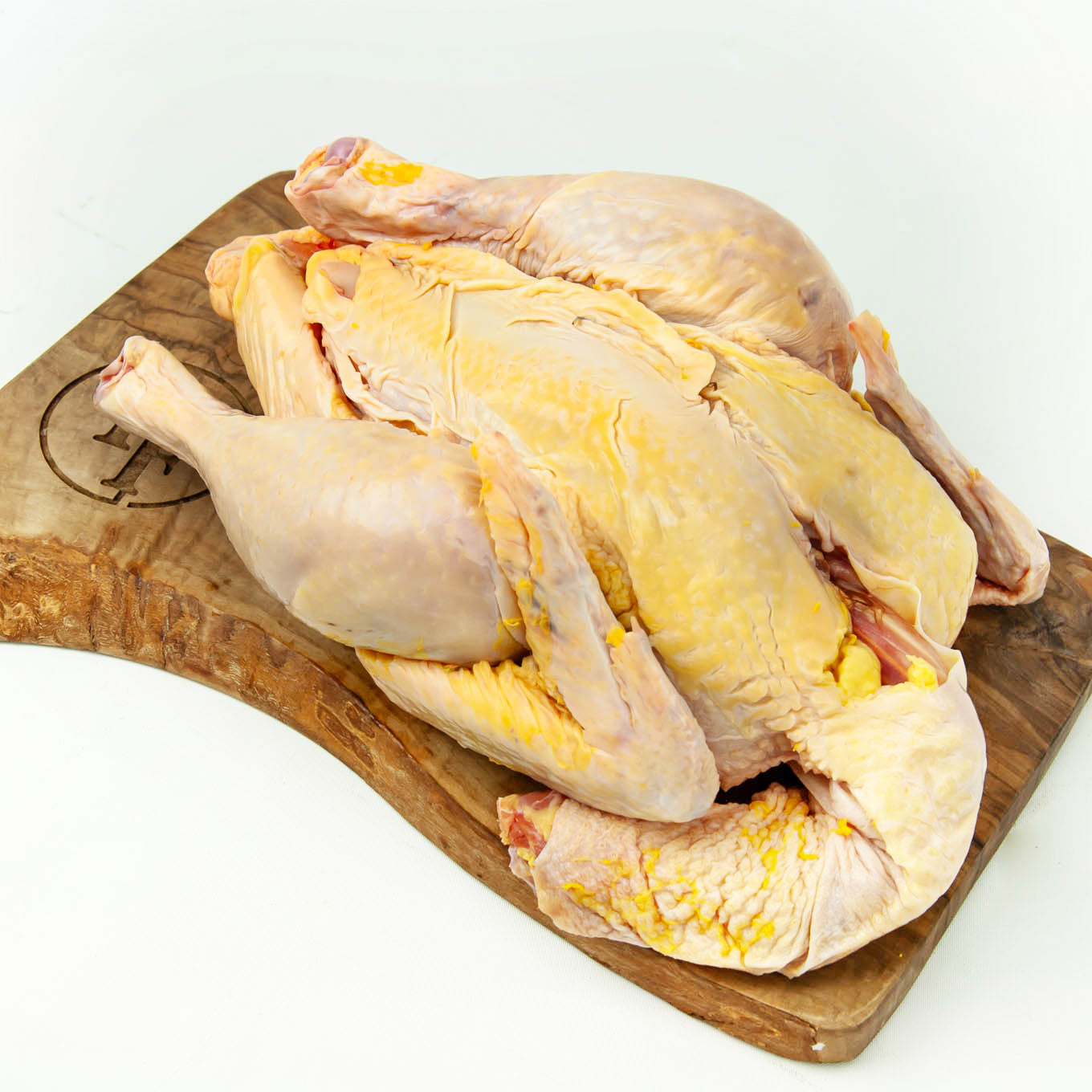
- Choose hardwoods. Maple, walnut, beech, and cherry are great choices.
- Prefer end-grain for heavy use. It is gentle on knives and more self-healing.
- Get enough surface area. A larger board keeps juices on the board, not the counter.
- A juice groove helps. It catches drips from raw chicken.
- Add non-slip feet or a grippy mat. A steady board is a safe board.
With the right board and care, can you cut chicken on wood cutting board becomes a practical daily habit.

Wood vs Plastic: Which Board for Raw Chicken?
Both can be safe. Plastic is cheap and dishwasher-safe. But plastic can develop deep cuts that hold residue, even after washing.
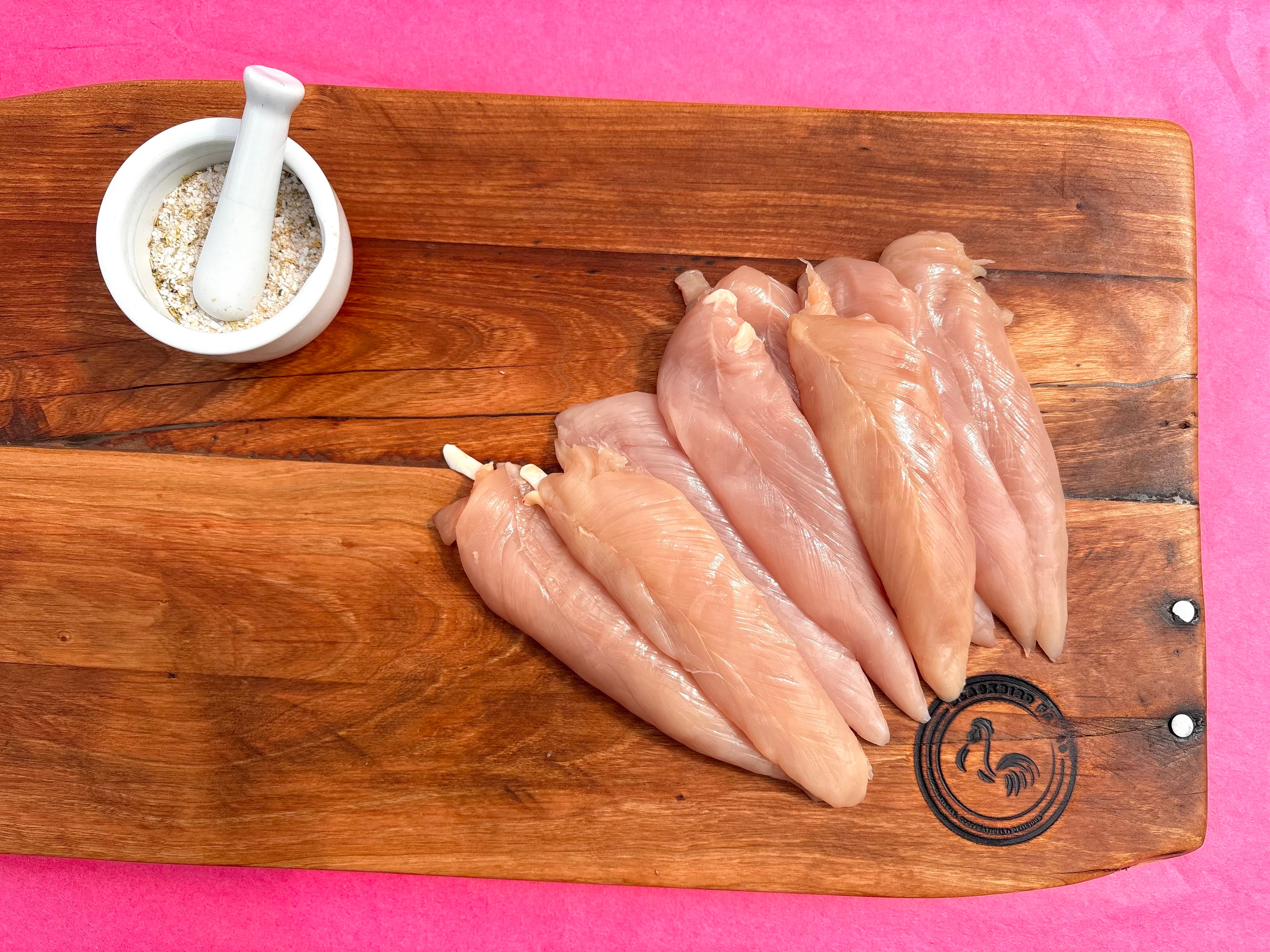
Wood is tough, self-healing, and kind to knives. It dries fast when stored right. Many pros choose wood for raw meat, then clean and sanitize right away.
Use what you will clean well. I use wood for most prep and keep a spare plastic board for quick, messy tasks. Either way, the rules for can you cut chicken on wood cutting board still apply: clean, sanitize, and dry.
Common Mistakes and Myths to Avoid
Avoid these slips that cause cross-contamination.
- Using the same board for salad right after raw chicken. Always switch or clean and sanitize first.
- Leaving the board wet and flat. Stand it on edge to dry.
- Letting knives get dull. Dull blades tear the surface and make deeper grooves.
- Skipping sanitizer. Soap alone is not always enough after raw chicken.
- Keeping a cracked board. Replace boards with deep splits or lingering odors.
These fixes make can you cut chicken on wood cutting board safe for daily cooking.
Quick Answers to Related Questions
Can I use vinegar alone to sanitize wood after raw chicken?
Vinegar helps with smell but is not a strong sanitizer. Use hydrogen peroxide or a diluted bleach solution for safety.
Do I need a separate board just for chicken?
You do not have to, but it helps. At least keep one side or a marked corner for raw proteins only.
How often should I oil my wooden board?
Oil when it looks dry or every few weeks. A well-oiled board resists water and lasts longer.
These answers support the core idea behind can you cut chicken on wood cutting board the right way.

Frequently Asked Questions of can you cut chicken on wood cutting board
Is wood safe for raw chicken if it is porous?
Yes, when you clean, sanitize, and dry it well. Dry wood is hostile to bacteria, and closed-grain hardwoods resist deep cuts.
Can I put my wooden board in the dishwasher after chicken?
No. Heat and steam will warp and crack wood. Wash by hand, sanitize, and dry on edge.
How do I know when to replace my wood board?
Replace if it has deep cracks, soft spots, or persistent smells. If you cannot clean it to a fresh wood smell, it is time for a new board.
What sanitizer is best for wood after raw chicken?
Use 3% hydrogen peroxide or a mild bleach solution. Give it a 1-minute contact time, then rinse if needed and dry well.
Does cutting chicken on wood affect knife sharpness?
Hardwood is gentle on edges, especially end-grain boards. Plastic can be harsher over time, depending on the surface.
Can you cut chicken on wood cutting board if it has a juice groove?
Yes. A juice groove helps contain raw juices. Still clean, sanitize, and dry the groove and the whole surface.
Conclusion
You now have a clear, safe method to handle raw poultry on wood. With smart setup, quick cleaning, and proper drying, can you cut chicken on wood cutting board becomes a reliable, everyday choice. Choose a good hardwood board, sanitize after each use, and keep it oiled.
Put these steps into practice during your next meal prep. Your board will last longer, your knives will stay sharper, and your kitchen will be safer. Want more tips like this? Subscribe, share your questions, or leave a comment with your own board-care wins.

Hi, I’m Mary, the founder of KitchenClue.com. I’m deeply passionate about everything that makes a kitchen smarter, easier, and more enjoyable. I share hands-on insights and practical expertise on kitchen gear that truly helps in daily cooking. Along with my dedicated research team, we study products carefully, and our writers create honest, well-tested reviews using trusted, authentic sources—so you can choose kitchen tools with total confidence.