Can You Put Saucepans In The Oven: Safety Guide 2026
Yes—but only if your specific saucepan, handle, and lid are oven-safe and within the stated temperature limit.
If you’ve ever moved a simmer to a bake and paused at the oven door, you’re not alone. As a cooking instructor and gear tester, I get this question all the time: can you put saucepans in the oven? This guide breaks down materials, temperature limits, handle types, and real-world tips so you know exactly what’s safe, what’s risky, and how to pull off flawless stovetop-to-oven cooking without ruining your pan or dinner.

What “oven-safe” actually means for saucepans
Oven-safe means the whole pan can handle oven heat for the time and temperature listed by the maker. That includes the body, interior coating, handles, rivets, knobs, and lid. If any single part is not rated, the pan is not oven-safe at that heat.
Here’s the catch. Two pans can look alike but act very different in the oven. A stainless saucepan with a solid metal handle can be safe to 500°F. Another with a plastic handle may only be safe to 350°F. Lids often have lower limits than the pan.
If you ask, can you put saucepans in the oven, the right answer is always: yes, but only within the maker’s rating for both pan and lid.
Material guide: which saucepans can go in the oven
Different materials behave in heat in very different ways. Use this as a quick map, then confirm your exact model.
Stainless steel cladded
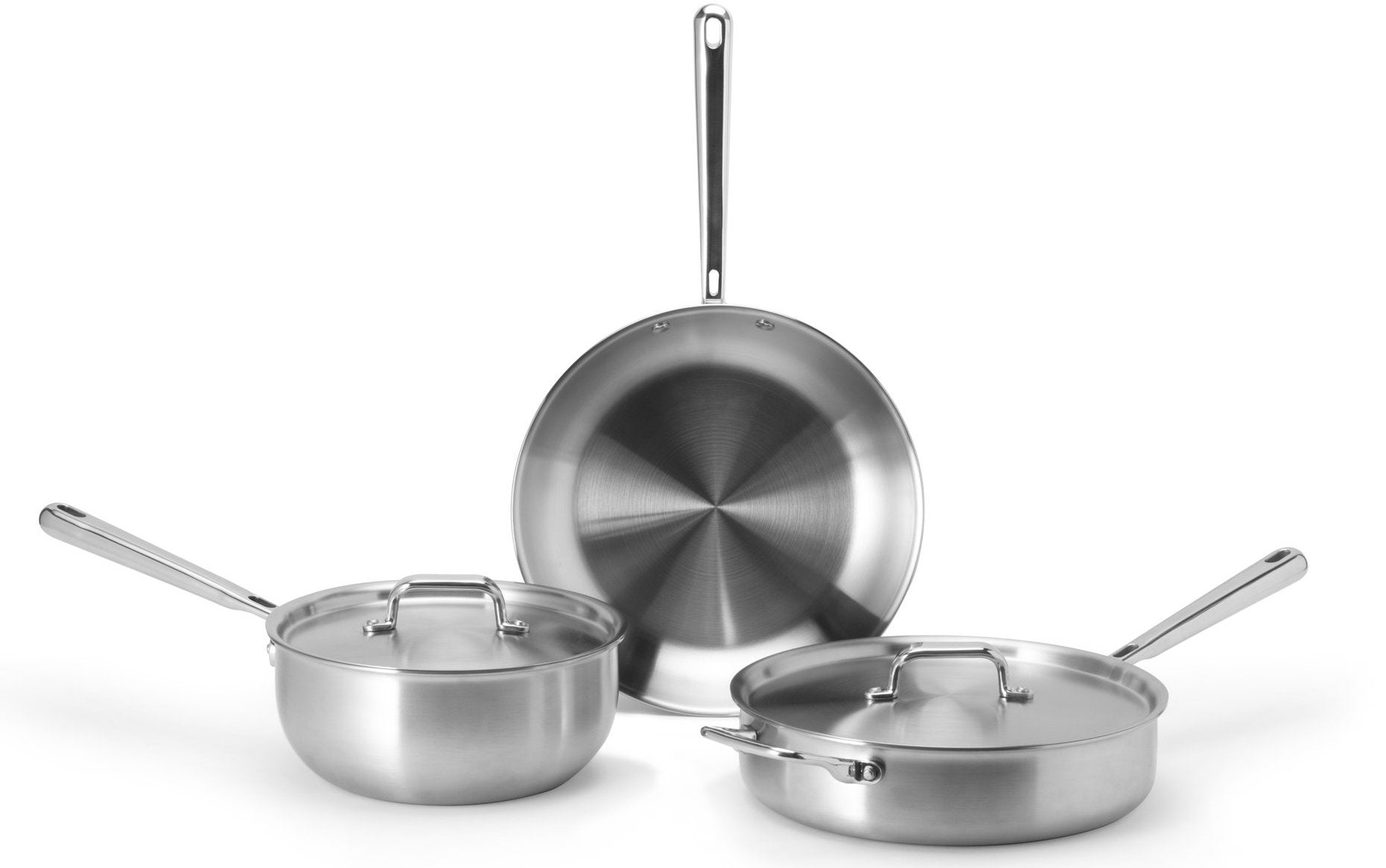
Most pans with steel bodies and metal handles are oven-safe to 500°F or higher. They are broiler-safe if there is no nonstick coating. They brown well and handle big swings in heat.Cast iron and enameled cast iron
Both handle high heat. Bare cast iron is broiler-safe. Enameled cast iron is usually safe up to 500°F, but some lids rate lower. Avoid thermal shock to enamel.Hard-anodized aluminum
The body can handle heat, but most have nonstick coatings or insulated handles. They are often rated 400–450°F. They are not broiler-safe unless the brand says so.Nonstick (PTFE or ceramic)
Common limits are 400–450°F. PTFE breaks down near 500°F and should never go under a broiler. Ceramic nonstick may list 500°F, but follow the exact rating and avoid broilers.Copper
If lined with stainless, many are safe at moderate to high heat. If tin-lined, limits are lower (often near 425°F) because tin softens at higher temps. Always check the lid and handle rating.Fully ceramic or glass
Less common for saucepans. Some are oven-safe but can crack with thermal shock. Follow the maker’s rules closely.
Working rule: if you wonder can you put saucepans in the oven, first match your pan to this list, then confirm the exact temperature from the manufacturer.

Handles, lids, knobs, and other parts that decide the answer
Handles and lids often set the true oven limit.
Wood or bamboo handles
Not oven-safe. Heat and dryness split or char wood.Plastic or Bakelite handles
Often safe only to 320–375°F. Many lids with plastic knobs have similar limits.Silicone-wrapped handles
Commonly safe to about 400–428°F. Check your model.All-metal handles and knobs
Usually safe to high heat. They get very hot, so use mitts and a firm grip.Tempered glass lids
Often rated 350–400°F. Sudden heat swings can crack glass. Do not broil with a glass lid.Rim gaskets and seals
Rubber or silicone seals lower the limit. If your lid has a gasket, confirm the number.
Even if the pan body is safe, that lid might not be. If you’re asking can you put saucepans in the oven with the lid on, read the lid rating first.
Temperature limits, oven modes, and what to avoid
Not all oven heat is equal. Some modes are harsher than others.
Standard bake or convection bake
Gentle, even heat. Most oven-safe saucepans are fine here within their rating.Broil
Very intense, top-down heat. Skip the broiler unless your pan is uncoated metal and listed as broiler-safe. Nonstick should not go under a broiler.Self-clean cycles
Never use for cookware. Those temps can exceed 800°F and will destroy coatings and handles.Thermal shock
Avoid going from freezer or fridge straight to a hot oven. Warm the pan and contents first. Avoid adding cold liquid to a super-hot pan.
Quick answers:
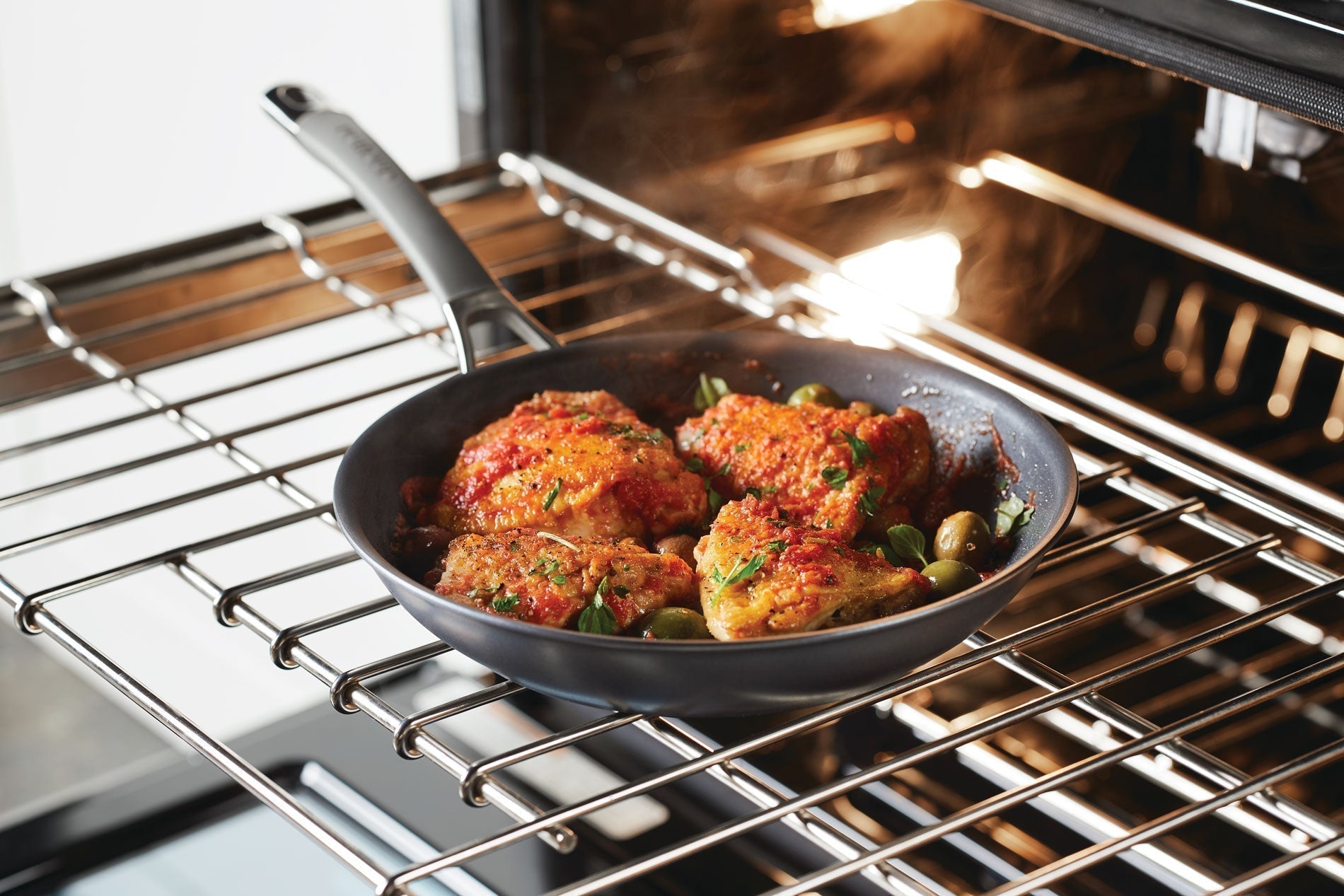
- Can you put saucepans in the oven for finishing a sear? Yes, if the pan and handle are rated for that heat.
- Can you put saucepans in the oven with silicone handles? Yes, within the stated silicone limit, often up to about 428°F.
- Can you put saucepans in the oven under a broiler? Only if they are uncoated and marked broiler-safe.
How to check if your saucepan is oven-safe
If you need a fast, safe method, use this checklist.
Look for an oven-safe stamp
Check the bottom, handle, or packaging. Some show a temperature icon or a number.Read the product page or manual
Search your model number. Confirm a temperature for both pan and lid. If it lists a lower lid limit, that lower number wins.Inspect the handle and knob
If you see wood, plastic, or rubber parts, assume a lower limit until you confirm.When in doubt
Treat it as not oven-safe. Or remove the lid and only use the bare pan at a modest temperature within the handle’s rating.
If your question is can you put saucepans in the oven without damage, this check is the key step that protects your gear and your dinner.
How to use a saucepan in the oven safely
Use this simple, proven flow whenever you move from stovetop to oven.
- Preheat the oven. Do not preheat an empty nonstick pan. Cast iron and stainless can preheat empty, but it’s optional for saucepans.
- Confirm the rating. Make sure both the pan and the lid can handle the target temperature.
- Mind the handle. If it’s silicone or plastic, keep temps within the limit. If it’s all metal, use dry, heavy mitts.
- Avoid the broiler unless rated. Nonstick should never go under the broiler.
- Use the middle rack. It gives even heat and protects handles from top elements.
- Keep some liquid in the pan. Dry pans scorch and can warp. For braises or bakes, add stock or sauce.
- Watch time and color. Oven heat can brown faster than you expect, especially with convection.
- Rest before cleaning. Let the pan cool a bit. Never shock a hot pan with cold water.
Pro tip: If you ask can you put saucepans in the oven for braising, yes—stainless or enameled cast iron shine here. Sear on the stove, deglaze, add liquid, cover with an oven-safe lid or foil, and finish low and slow.

Real-world notes, wins, and mistakes to avoid
From my own kitchen tests and classes, here’s what matters most.
The win: stainless tri-ply with metal handles
I’ve seared chicken thighs, then baked at 425°F. Crisp skin, juicy meat, easy cleanup. This is my most reliable setup.The “oops”: plastic lid knob
A student once baked a sauce at 400°F with a glass lid rated to 350°F. The knob warped. The sauce was fine. The lid was not.The smell test: nonstick near 500°F
Push PTFE nonstick too hot and you can get fumes and rapid coating wear. I keep nonstick at 400°F max and avoid broilers entirely.The handle trap: silicone sleeves
Sleeves are helpful, but they are not magic. If you keep asking can you put saucepans in the oven with sleeves on, remember the sleeve’s limit, not just the pan’s.
Lessons learned: respect the lowest-rated part, avoid broilers for coated pans, and never shock a hot lid or enamel with cold water.

Cleaning and care after oven use
Treat your pan well and it will last.
Cool, then wash
Let the pan cool to warm. Rinse with warm water and a soft sponge. Avoid thermal shock.For stainless discoloration
Use a gentle stainless cleaner or a paste of baking soda and water. Dry right away to avoid spots.For cast iron
Wipe, scrub lightly if needed, dry fully, and rub a thin oil layer to protect seasoning.For nonstick
Skip metal tools and harsh scrubs. Use mild soap, soft sponges, and avoid the dishwasher if the brand warns against it.For enameled cast iron
Soak with warm soapy water. Use non-scratch pads only.
If you plan to often move from stove to oven and keep asking can you put saucepans in the oven without ruining the finish, these steps make a big difference.
Smart swaps if your saucepan is not oven-safe
No oven-safe pan? You still have options.
Use a Dutch oven
Great for braises and stews. Most are oven workhorses.Move to a stainless or cast iron skillet
Sear in the skillet, then bake. Many are broiler-safe too.Transfer to a baking dish
Pour the sauce or stew into a casserole dish. Cover with foil and bake.Finish on the stove
Lower the heat and simmer to reduce. It takes longer, but it works.
These swaps help when you ask can you put saucepans in the oven but your handle or lid says no.
Frequently Asked Questions of can you put saucepans in the oven
Can you put saucepans in the oven if they have nonstick coating?
Yes, if the pan is rated for oven use and within the listed temperature. Most nonstick is safe at 400–450°F but should not go under a broiler.
Can you put saucepans in the oven with a glass lid?
Only if the lid is oven-safe. Many tempered glass lids top out at 350–400°F, which may be lower than the pan.
Can you put saucepans in the oven with silicone handles?
Yes, within the silicone’s limit, often up to about 428°F. Always confirm your brand’s specific rating.
Can you put saucepans in the oven under the broiler?
Only if it’s uncoated metal and marked broiler-safe. Nonstick and many lids are not safe under broilers.
Can you put saucepans in the oven if the handle is plastic?
Usually no, unless the maker states a low safe temperature, often near 320–350°F. Even then, avoid long times and broilers.
Can you put saucepans in the oven to finish pasta bakes or mac and cheese?
Yes, if the pan and handle are rated. Many cooks transfer to a baking dish to avoid handle limits and for easier serving.
Can you put saucepans in the oven straight from the fridge?
It’s risky due to thermal shock. Let the pan sit at room temp for 15–20 minutes first.
Conclusion
You can put saucepans in the oven when every part of the pan is rated for the heat you plan to use. Match the material to the job, respect the lowest-rated component, avoid broilers for coated pans, and watch out for glass and plastic parts. With a quick check and a few smart habits, you can cook, braise, and bake in the same pan with zero drama.
Ready to try it? Pick one oven-safe saucepan, confirm the temp, and finish tonight’s seared chicken or pasta bake in the oven. Want more tips like this? Subscribe for gear guides, simple techniques, and tested stovetop-to-oven recipes.

Hi, I’m Mary, the founder of KitchenClue.com. I’m deeply passionate about everything that makes a kitchen smarter, easier, and more enjoyable. I share hands-on insights and practical expertise on kitchen gear that truly helps in daily cooking. Along with my dedicated research team, we study products carefully, and our writers create honest, well-tested reviews using trusted, authentic sources—so you can choose kitchen tools with total confidence.