Can You Boil Vacuum Seal Bags: Safety Guide 2026
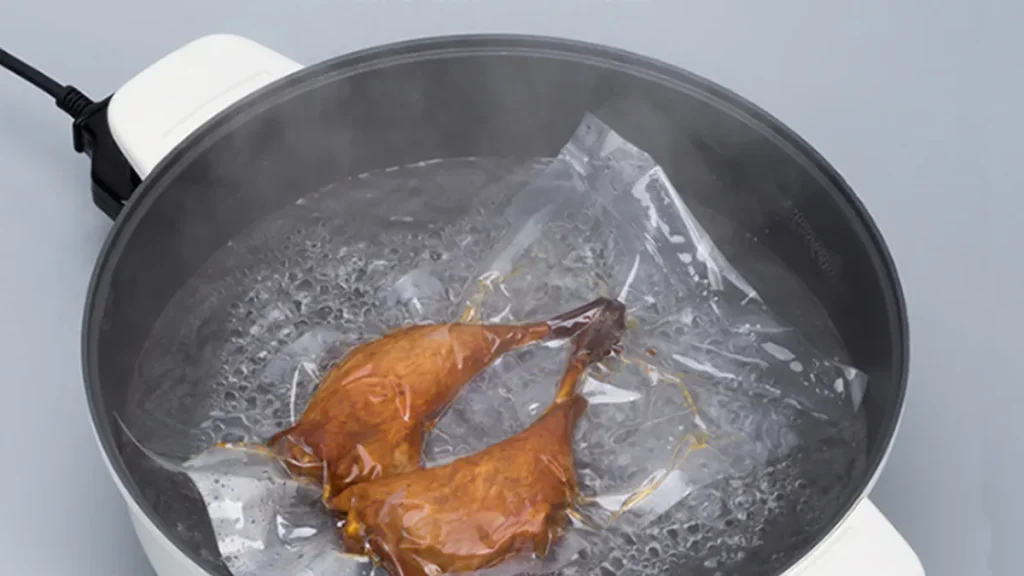
Yes, you can boil vacuum seal bags that are rated as boil-safe by the maker.
If you have asked can you boil vacuum seal bags, you are not alone. I work with heat-stable bags in both home and pro kitchens. In this guide, I explain when it is safe, how to do it right, and what to avoid. You will get clear steps, expert tips, and facts you can trust.

Can You Boil Vacuum Seal Bags? The Clear Answer and Why It Matters
Yes, you can boil vacuum seal bags if they are labeled boil-safe or sous-vide safe and rated to 212°F. Many quality bags use nylon and polyethylene layers that handle high heat. Some are rated to 195–203°F, so a strong simmer is fine, but a long rolling boil can stress seams.
Why does it matter? Heat can soften plastic, weaken seals, and raise safety risks if you choose the wrong bag. When people ask can you boil vacuum seal bags, they want a safe, simple way to reheat meals or cook inside a bag. With the right bag and method, it works very well.
Key points in one view:
- Only use bags that state boil-safe or sous-vide safe with a temp rating.
- Keep water at a gentle simmer when in doubt.
- Avoid contact with bare metal pot walls to prevent hot spots and melt marks.
- Follow food safety rules for time and temperature.

What Vacuum Seal Bags Are Made Of
Most vacuum seal bags are multi-layer films. The common stack is nylon (PA) for strength and heat hold, plus polyethylene (PE) for sealing and food contact. Channel bags for edge sealers have ridges that help pull air out. Chamber bags are smooth and often a bit thicker.
The layer mix and thickness set the heat limit. Many kitchen-grade bags do fine up to 195–203°F. Some pro boil-in-bag pouches can handle a full 212°F for longer times. Always check the label and the spec sheet before you plan a boil.
PAA-style quick answers:
- Can you boil vacuum seal bags from any brand? No. Only if the brand says boil-safe or sous-vide safe with a clear temp rating.
- Do vacuum bags leach chemicals at high heat? High quality, food-contact bags are tested to be safe at their rated temps.

Safety Rules When Boiling Vacuum Seal Bags
People ask can you boil vacuum seal bags because safety comes first. Follow these rules to keep food and bags safe.
Heat and bag care:
- Read the maker’s rating. Stay at or below the limit.
- Favor a steady simmer over a wild boil unless the bag is rated for 212°F long term.
- Use a rack or clip so the bag does not touch the pot walls or bottom.
- Keep the whole bag under water. Add a plate or weights if it floats.
Seal and food safety:
- Double-seal the mouth for extra hold.
- Leave some headspace so food can expand a bit.
- Chill cooked food fast in an ice bath if you plan to store it.
- Do not reuse bags that held raw meat or fish.
Health notes:
- Choose BPA-free, food-contact safe bags from known makers.
- Avoid unknown, low-cost bags with no specs.
- If you smell plastic or see warping, stop and switch bags.
These steps come from years of kitchen use and align with food safety best practice on heat, time, and rapid cooling.
How To Boil Vacuum Seal Bags Step by Step
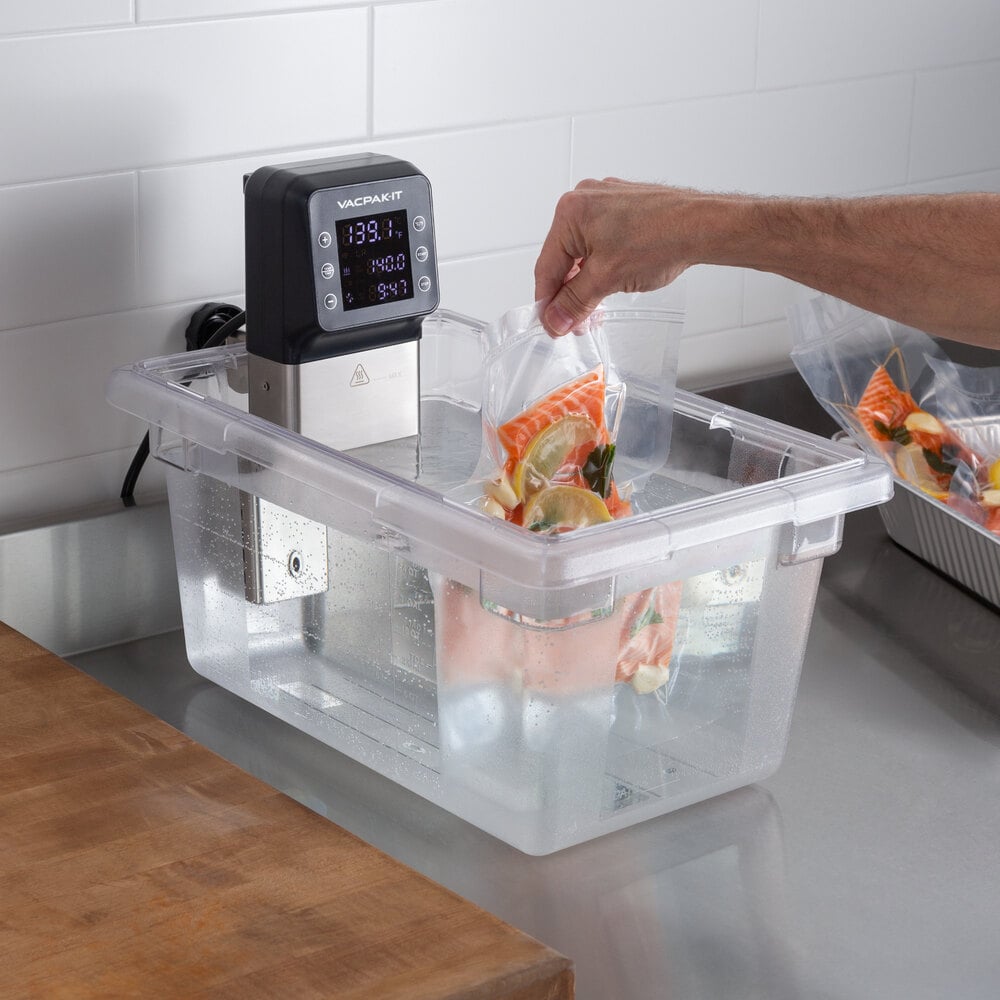
People often frame it as can you boil vacuum seal bags without a fancy setup. Yes, and here is a simple plan.
Step-by-step:
- Pick a bag marked boil-safe or sous-vide safe. Check its temp rating.
- Pack food in an even, flat layer for even heat.
- Wipe the seal area dry. Double-seal the edge.
- Preheat water to 190–205°F for most bags. Use 212°F only if the bag allows it.
- Add a rack or a silicone mat to the pot. This stops hot spots.
- Lower the bag. Clip it to the side. Keep it fully covered with water.
- Hold the temp steady. Stir the pot now and then for even heat.
- Check doneness with a probe on a test piece or by time guides.
- Lift the bag with tongs. Pat dry. Rest, then open away from your face.
- Serve, or chill fast in ice water if you plan to store it.
Pro tip: For soups or sauces, freeze flat in the bag first. Then boil to reheat. This keeps seals clean and reduces leaks.

Common Mistakes and How I Learned To Avoid Them
I have made the mistakes so you do not have to. Early on, I set a bag in a rolling boil at 212°F for too long. The seams held, but the edges got soft and wavy. Now I hold a gentle simmer unless the bag is rated for a true boil.
Another time, my bag touched the pot wall. It left a shiny melt spot. A small rack fixed that for good. I also once sealed wet stew, and liquid ran into the seal bar. The bag opened in the pot. Now I chill or freeze liquids first, or I fold a paper towel dam above the food before sealing.
Folks ask can you boil vacuum seal bags and avoid leaks. Yes. Dry the seal area, double-seal, and keep a steady temp. Small habits save your dinner.

Use Cases: When Boiling Makes Sense vs Sous Vide
Can you boil vacuum seal bags for more than reheating? Yes. It shines for quick meal prep and clean reheat. It is great for rice pouches, chili, pulled pork, and frozen pasta sauce. Camps and food trucks love it because it is clean and fast.
Sous vide is not the same as boiling. Sous vide holds a lower, exact temp for even cooking and food safety. Boiling or simmering is best for reheating or for foods that like higher heat. You can cook sous vide, chill, then reheat in a near‑boil bag with no loss of moisture.
PAA-style quick answers:
- Is sous vide the same as boiling? No. Sous vide is precise and often below 190°F. Boiling is 212°F.
- Can you boil vacuum seal bags in a kettle? Only if the bag fits and stays off the metal. A pot is safer and more even.

Choosing the Right Bags and Gear
If you ask can you boil vacuum seal bags and want the best results, start with the right gear.
What to look for in bags:
- Label says boil-safe or sous-vide safe, with a temp rating.
- Multi-layer nylon/PE film with a sturdy thickness.
- Smooth chamber bags for heavy use, or channel bags for edge sealers.
- Boil-in-bag pouches for long 212°F cooks.
Helpful tools:
- A deep pot with room for water to move.
- A rack, trivet, or silicone mat to prevent hot spots.
- Clips or a weight to keep bags submerged.
- A thermometer to verify water temp.
- Tongs and towels for safe handling.
If you want a greener path, consider reusable silicone bags rated for boiling. They handle heat well and cut waste. Glass jars in a water bath can also work for some reheats, but watch for expansion and follow jar maker rules.
Environmental and Health Considerations
Can you boil vacuum seal bags and still make a mindful choice? Yes, if you plan ahead. Most kitchen bags are single-use. You can sometimes reuse a bag that held dry foods, but never reuse one that touched raw meat. Long boils can also stress plastic, so stability drops with each use.
Migration risk stays low when you stay within the bag’s rating and use food-contact safe products. For less waste, pick high-quality bags so you avoid failed seals. Use silicone bags for frequent reheats. If you must toss used bags, check local rules. Some areas accept clean PE films at drop-off points.
To reduce your footprint:
- Batch-cook and fill bags fully to cut total plastic.
- Label and date to avoid waste from guesswork.
- Store food flat so it heats fast and uses less energy.

Frequently Asked Questions of can you boil vacuum seal bags
Can you boil vacuum seal bags at a full rolling boil?
Yes, if the bag is rated for 212°F and for the time you need. If you are not sure, use a steady simmer at 190–205°F.
Are zipper storage bags safe to boil?
No. Most thin zipper bags are not made for boiling water. They can open, deform, or leach at high heat.
What temperature can you boil vacuum seal bags safely?
Use the maker’s stated limit. Many bags handle 195–203°F, while some boil-in-bag pouches handle 212°F for longer times.
How long can you boil vacuum seal bags?
Limit time to what the food needs and what the bag allows. For long cooks, use bags rated for full boil or switch to sous vide.
Can you reuse bags after boiling?
You can reuse a clean bag that held dry foods, but seals weaken over time. Never reuse bags that held raw meat or fish.
Will boiling in bags change taste or texture?
It keeps moisture in and can protect delicate foods. For crispy texture, finish with a quick sear after reheating.
Can you boil vacuum seal bags with bones or sharp pasta?
Be careful. Sharp edges can pierce the film. Wrap bones or choose thicker, boil-safe bags.
Conclusion
You came here asking can you boil vacuum seal bags, and now you know the full picture. Yes, you can, when you use boil-safe bags, watch the temperature, and follow simple safety steps. A calm simmer, a good seal, and a rack go a long way.
Put this to work tonight. Reheat a frozen sauce, warm pulled pork, or finish a batch-cooked meal with zero mess. Want more smart kitchen tips? Subscribe, share your results, or drop a question in the comments.

Hi, I’m Mary, the founder of KitchenClue.com. I’m deeply passionate about everything that makes a kitchen smarter, easier, and more enjoyable. I share hands-on insights and practical expertise on kitchen gear that truly helps in daily cooking. Along with my dedicated research team, we study products carefully, and our writers create honest, well-tested reviews using trusted, authentic sources—so you can choose kitchen tools with total confidence.