
All Clad vs Cuisinart
If you’re standing in a kitchen supply store or scrolling through online cookware options, you’ve probably bumped into two big names: All-Clad and Cuisinart. Both brands have loyal fans. Both promise quality cooking results. So which one should land in your kitchen? This guide breaks down everything you need to know to make a smart choice.
What Makes These Brands So Popular?
Let’s start simple. All-Clad and Cuisinart both make cookware that people trust. They’ve been around for decades. Home cooks and professional chefs use their pans. But they come from very different places and have totally different approaches.
All-Clad started small in the United States and built a reputation for luxury cookware. Cuisinart, on the other hand, is known for making affordable kitchen gadgets and cookware that everyday people can actually afford. That’s the big difference right there.
All-Clad Cookware: The Premium Choice
All-Clad pans cost a lot of money. No way around it. A single All-Clad skillet can run you $150 to $400 depending on the size and type. Sets cost even more. Some people wonder if the price tag is worth it. Let’s dig in.
How All-Clad Pans Are Built
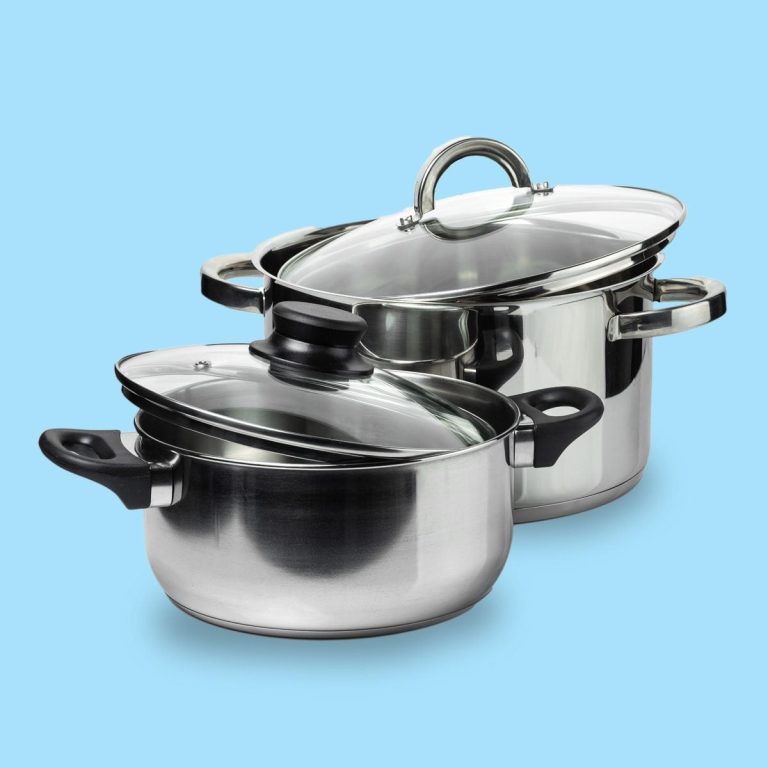
All-Clad makes their pans using a special method called stainless steel cladding. This means they bond multiple layers of metal together. The core is aluminum, which heats up fast and spreads heat evenly. The outside layers are stainless steel, which looks nice and doesn’t rust. The bottom has more stainless steel so your pan plays nice with induction stovetops.
This layering system costs a lot of money to do right. It requires skill and expensive equipment. But the result is a pan that heats evenly from edge to edge. You don’t get hot spots where your food cooks faster in some places. This matters when you’re searing a steak or making a delicate sauce.
The Handle and Design
All-Clad puts real effort into handles. Their handles are stainless steel and riveted with a special design that keeps them cool on the stovetop. Not perfect every time, but generally better than many competitors. The pans themselves feel heavy and solid in your hand. They look professional. They feel expensive because they are.
Cooking Performance
Here’s what home cooks love about All-Clad:
- Heat spreads evenly across the pan surface
- The pan responds quickly when you adjust temperature
- Searing meats creates a beautiful brown crust
- Sauces thicken at a consistent rate
- The bottom works with gas, electric, and induction cooktops
- Thermal shock resistance means you can take a hot pan to a cold sink without worrying as much
Professional chefs often pick All-Clad for a reason. The cooking performance is real. You can taste the difference in some dishes.
What About Cleanup?
All-Clad pans are stainless steel, so they’re dishwasher safe. Many people wash them by hand anyway because they’re expensive and you want them to last forever. They can stain over time, but that’s just discoloration. It doesn’t hurt the pan. You can clean stains with bar keepers friend.
Durability and Lifespan
All-Clad pans last for decades. Some people pass them down to their kids. The warranty is solid but honestly the pans usually outlive the warranty period. Dings and dents happen, sure, but the actual cooking surface stays good for years and years.
Cuisinart Cookware: The Practical Option
Cuisinart cookware costs way less. A full set of Cuisinart pans might run you $100 to $300. A single skillet goes for $30 to $80. This is money you can actually spend without feeling guilty about your kitchen budget.
How Cuisinart Builds Their Pans
Cuisinart also uses layered construction, but it’s simpler and more efficient. They sandwich aluminum between stainless steel layers too. But their manufacturing is designed to hit a price point. They don’t use as many layers. The whole process is streamlined.
This means Cuisinart pans heat up fast. They’re lighter than All-Clad pans. They work fine for most cooking jobs. They just don’t have the same industrial-grade feel as All-Clad.
Different Product Lines
Here’s something cool about Cuisinart: they make several different cookware lines. Some are ultra-cheap. Some are mid-range. Some try to compete more directly with All-Clad. This gives you options based on what you can spend and what you need.
The Cuisinart Multiclad Pro line is their premium offering. These pans have more metal layers and better heat distribution than their basic lines. If you want decent Cuisinart quality without paying All-Clad prices, this is where to look.
Cooking Performance
Here’s the real talk about Cuisinart:
- They heat up quickly
- Heat distribution is pretty good but not perfect
- You might notice hot spots on the surface compared to All-Clad
- They work fine for everyday cooking, sautéing, boiling, and browning
- Basic cookware heats less evenly than their premium lines
- They handle induction cooktops well
For most home cooks doing normal cooking, Cuisinart pans work great. You’re not making five-star restaurant meals every night, so the difference feels small. But side by side with All-Clad, you’ll notice some lag in heat response.
Handles and Feel
Cuisinart handles come in different styles depending on the product line. Most are stainless steel. Some are silicone-wrapped. They feel fine in your hand but not as premium as All-Clad. That’s okay. They serve the purpose.
Cleanup
Cuisinart pans are also dishwasher safe. Stainless steel is stainless steel. They clean up about the same as All-Clad, just with less stress about damaging an expensive investment.
How Long Do They Last?
Cuisinart pans hold up fine for several years. You can definitely get 5 to 10 years out of them with normal care. Some last longer. They’re not heirloom quality, but they’re not disposable either. For the price, you get fair value.
Price Comparison: The Money Talk
This is where the decision often comes down to.
All-Clad cookware is an investment. A 10-piece set runs $2,000 to $3,000. A 3-piece set of essential pans costs $600 to $900. A single saucepan might be $150.
Cuisinart cookware is budget-friendly. A 10-piece set costs $150 to $400. A 3-piece set runs $50 to $150. Single pans are $30 to $80.
Do the math. All-Clad costs roughly 5 to 10 times more than Cuisinart. That’s a huge difference. The question is whether you get 5 to 10 times better cooking results. Spoiler: probably not. You get better results, but not proportionally better.
If you buy one nice All-Clad skillet and one Cuisinart saucepan, both will cook food. The All-Clad pan will distribute heat slightly better and probably last longer. The Cuisinart pan will save you hundreds of dollars.
Warranty and Customer Service
All-Clad offers a lifetime warranty on their cookware. This covers defects in material and workmanship. It’s a bold promise. It tells you they stand behind their products.
Cuisinart also offers limited lifetime warranties on many products. The terms vary depending on what you buy, so read the fine print.
In real life, both companies have solid customer service. If something goes wrong, both will help. All-Clad customers might feel more confident because of the premium positioning, but Cuisinart takes care of issues too.
Heat Distribution: The Core Difference
This is where you’ll feel the real difference between these two brands.
All-Clad’s multi-layer construction means heat spreads evenly. When you cook a pancake, every spot browns at the same rate. When you reduce a sauce, it thickens uniformly. This matters for precision cooking.
Cuisinart’s construction is good but not perfect. You might notice hotter spots near the center of the pan. This isn’t a deal-breaker for most cooking, but it’s there.
The difference is small when you’re boiling pasta. The difference is noticeable when you’re making a delicate custard or flipping a perfect crepe.
Induction Cooktop Compatibility
Both brands make induction-compatible cookware. All-Clad’s premium lines were designed with induction in mind from the start. Cuisinart adapted their designs later. Both work fine on induction cooktops now, so this shouldn’t be a deciding factor.
Stovetop Type Matters
What kind of stove do you have? This affects your choice.
Gas Cooktops: Both brands work beautifully on gas. The direct flame heats the pan bottom. Both brands handle this equally well.
Electric Coil Cooktops: Both brands work here too. Electric coils need good contact with the pan bottom. Both All-Clad and Cuisinart have flat bottoms that work well.
Ceramic or Glass Cooktops: Again, both work. Be careful not to slide pans around on glass cooktops as it can scratch. This isn’t brand-specific.
Induction Cooktops: This is where some cookware has problems. Both All-Clad and Cuisinart make induction-ready cookware. Their stainless steel bottoms work with the magnetic field. No issues here.
Oven Safety
Both brands make cookware that’s oven-safe. All-Clad goes up to 500 or 600 degrees depending on the line. Cuisinart typically maxes out at 350 to 400 degrees depending on the product.
This matters if you start cooking on the stovetop and finish in the oven. All-Clad gives you more flexibility.
Specific Cookware Types
Skillets and Frying Pans
These are workhorses. Both brands make excellent skillets. All-Clad skillets distribute heat better. Cuisinart skillets cook fine and cost less. If you’re making burgers, either works. If you’re making a pan sauce, All-Clad shines.
Saucepans and Saucepots
For boiling pasta water or heating milk, both work great. No huge advantage either way. Pick the one that fits your budget.
Dutch Ovens
All-Clad makes enameled cast iron Dutch ovens like Le Creuset makes them. They’re beautiful and expensive. Cuisinart makes stainless steel versions. Different animals. Pick based on what you cook.
Nonstick Cookware
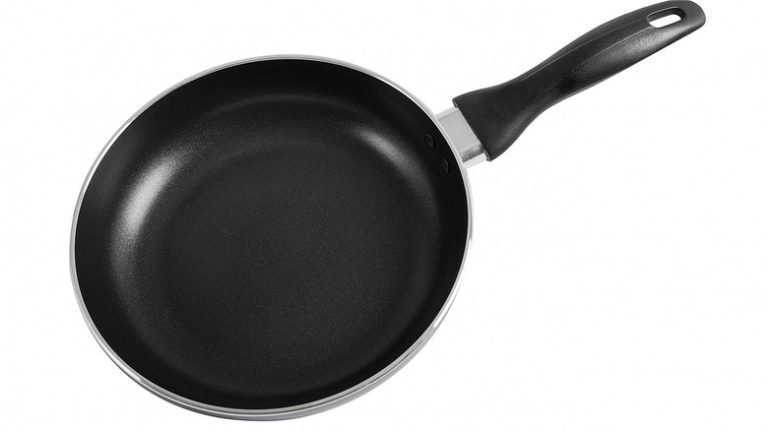
Here’s interesting: Cuisinart makes more nonstick options. All-Clad makes some nonstick too, but it’s not their main focus. Both nonstick surfaces eventually wear out. Stainless steel lasts longer.
Real-World Cooking Tests
Let’s talk about what actually happens in your kitchen.
Making a pan sauce: All-Clad wins here. The even heat means your reduction thickens at a predictable rate. Cuisinart works but you might need to adjust the pan position once or twice.
Searing a steak: Both create a good crust. All-Clad might be slightly more consistent. The difference is subtle.
Boiling pasta: Identical results. Heat rises the same way in both.
Scrambling eggs: Cuisinart works just fine. Simpler surface than nonstick, so eggs don’t slide around quite as easily, but they still cook great.
Deep frying: Both handle oil temperatures well. All-Clad’s better heat distribution is a small plus here.
Starter Set vs. Individual Pans
If you’re building from scratch, consider your options.
Buy an All-Clad set and you’re committing real money upfront. But you get matching cookware that works beautifully. It’s an investment in your kitchen that lasts.
Buy a Cuisinart set and you spend less. You can upgrade individual pans later if you want. Or you can add All-Clad pieces as your budget allows. You’re not locked in.
The Best Compromise Option
Here’s a thought: buy some All-Clad and some Cuisinart.
Get a nice All-Clad skillet for everyday use and searing. Get a Cuisinart saucepan for boiling water. Get a Cuisinart Dutch oven if you make soups and stews. Spread your budget across quality pieces instead of everything matching.
This approach gives you the best of both worlds. Your most-used pan is premium quality. Your utility pans are affordable. Total cost is less than buying all All-Clad. Quality is higher than buying all Cuisinart.
Environmental and Ethical Considerations
All-Clad makes their cookware in the United States. This supports American workers and reduces shipping distance. It’s more expensive but matters if you care about where things come from.
Cuisinart manufactures overseas in most cases, which keeps costs down. Nothing wrong with this, just different.
Both companies use recyclable stainless steel. Both try to make products that last a long time so you’re not replacing cookware constantly. This is better for the environment than cheap disposable pans.
Maintenance and Care Tips
Both brands need care to last long.
Hand washing is best: Use warm soapy water and dry immediately. This prevents water spots and keeps everything shiny.
Avoid extreme temperature changes: Don’t take a screaming hot pan and plunge it into cold water. Especially with All-Clad’s thinner construction, thermal shock can cause damage.
Use the right utensils: Wooden or silicone is best. Metal can scratch stainless surfaces.
Keep bottoms clean: Food residue on the bottom affects heat transfer and can burn on. Wipe the bottom between uses.
Season stainless steel: After washing, you can apply a tiny bit of neutral oil to restore shine. This is optional but keeps pans looking new.
Both All-Clad and Cuisinart pans handle normal care fine. All-Clad just demands a bit more respect because of the investment.
Who Should Buy Each Brand?
Buy All-Clad if:
- You cook regularly and want the best heat distribution
- You like the idea of cookware lasting decades
- You make sauces and need precision
- You prefer American-made products
- Your budget allows for premium cookware
- You want cookware that looks professional
- You use your kitchen constantly
Buy Cuisinart if:
- You’re furnishing your first kitchen
- You want to spend less money
- You cook simple meals most nights
- You like options and variety
- You want to experiment before investing heavily
- You need cookware but aren’t super picky about brand
- You want solid quality without the premium price
The Verdict
Here’s the real answer: both brands make good cookware. All-Clad is better. Cuisinart is smarter financially.
All-Clad has superior heat distribution, longer lifespan, and professional-grade construction. If you cook often and care about cooking quality, All-Clad delivers results you can feel and taste.
Cuisinart makes cookware that works fine and costs way less. You can buy an entire set for the price of one All-Clad skillet. For most home cooks, Cuisinart does the job perfectly well.
If you have unlimited money, buy All-Clad. If you have a realistic budget, buy Cuisinart and don’t feel bad about it. If you’re smart about it, buy a mix of both.
The best cookware is the cookware you actually use. So pick what fits your budget and your cooking style, then spend your time making delicious food instead of worrying about which brand is on the bottom of your pan.
Final Thoughts
Your cookware matters, but it’s not everything. Technique, ingredients, and practice matter more. A home cook with Cuisinart pans and good skills will cook better food than someone with All-Clad pans and no clue what they’re doing.
That said, when you use quality cookware, cooking gets easier. Your food looks better. Results are more consistent. If you can swing All-Clad, it’s a solid investment. If Cuisinart is where your budget sits, you’re in good hands.
Start somewhere. Build your collection over time. Add pieces as you discover what you actually need. Most of us use the same three pans 90% of the time anyway.
Both All-Clad and Cuisinart respect your kitchen enough to make products that work. Pick the one that respects your budget. Then get cooking.
Common Questions About These Brands
Can you use metal utensils on Cuisinart cookware? Yes, but wooden and silicone are gentler and won’t create small scratches over time.
Is All-Clad worth the price? If you cook regularly and keep cookware long-term, yes. If you cook rarely, probably not.
Can both brands go in the dishwasher? Yes, but hand washing keeps them looking newer longer.
Which brand heats up faster? Cuisinart heats up slightly faster because it’s lighter. All-Clad heats more evenly once hot.
Do these brands make nonstick cookware? Yes, both make nonstick options. Stainless steel lasts longer.
What’s the difference between All-Clad lines? They have Essentials (basic), HA1 (premium), LTD (special), and others. Prices and performance vary.
Does Cuisinart make cookware outside the United States? Yes, most Cuisinart cookware is made overseas.
Can you use these pans on every stovetop type? Both brands make cookware compatible with gas, electric, ceramic, and induction cooktops. Always check specifications.
How do you remove discoloration from stainless steel? Use bar keepers friend or a vinegar and baking soda paste. Rub gently and rinse.
What’s the minimum starter set? A 10-inch skillet, a 2-quart saucepan, and a 3-quart saucepot handle most cooking needs. Add a Dutch oven later.

Hi, I’m Mary, the founder of KitchenClue.com. I’m deeply passionate about everything that makes a kitchen smarter, easier, and more enjoyable. I share hands-on insights and practical expertise on kitchen gear that truly helps in daily cooking. Along with my dedicated research team, we study products carefully, and our writers create honest, well-tested reviews using trusted, authentic sources—so you can choose kitchen tools with total confidence.