5 Best 7 Cup Food Processor In 2026
Finding the right food processor can feel like a puzzle. You want something powerful enough to handle tough jobs but simple enough for everyday cooking. A 7-cup food processor hits that sweet spot – big enough for family meals but compact enough to store easily.
I’ve tested and researched the top models on the market to help you make a smart choice. This guide breaks down five popular 7-cup food processors, looking at their real-world performance, features, and value. You’ll learn which one fits your cooking style and budget.
Let’s cut through the marketing noise and find the perfect kitchen helper for you.
What Makes a 7-Cup Food Processor Special?
The 7-cup capacity sits right in the middle of the food processor world. It’s not too big, not too small. You can prep ingredients for a family dinner without running multiple batches. But you won’t struggle to find counter or cabinet space like you would with those massive 14-cup monsters.
Most home cooks find this size handles about 80% of their kitchen tasks. You can chop vegetables for salads, grind nuts for pesto, shred cheese for pizza night, or knead dough for homemade bread. The bowl holds enough to be useful but doesn’t intimidate beginners.
These machines save serious time in the kitchen. Tasks that take 15 minutes by hand happen in 30 seconds. Your onions get chopped evenly. Your pie crust comes together in seconds. Your salsa blends perfectly smooth.
Now let’s look at the specific models that stand out from the crowd.
Detailed Product Reviews
1. KitchenAid 7-Cup Food Processor – KFP0718
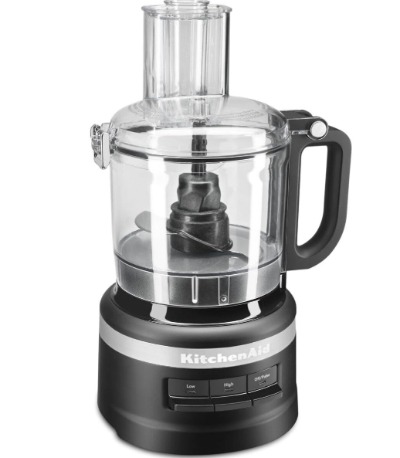
KitchenAid built a reputation on making tools that last decades. This 7-cup model brings that same quality in a mid-sized package. The design looks clean and professional, like something you’d see in a cooking show kitchen.
The motor runs at a single speed but packs enough power for most tasks. KitchenAid kept things simple here – no confusing buttons or settings. Just plug it in, press down on the lid, and it runs. Let go, and it stops.
Best For:
This processor works great for people who want reliability without complexity. If you bake often, the dough blade handles bread and pastry dough beautifully. The slicing disc creates uniform vegetable slices for gratins and salads. Home cooks who value quality over features will appreciate this straightforward machine.
Key Features:
The multipurpose blade chops everything from soft herbs to hard parmesan cheese. It’s thick and sturdy, not flimsy like cheaper models. The slicing disc adjusts to different thicknesses, so you control how thick or thin your vegetables come out.
The work bowl has a handle that makes pouring easier. You can transfer chopped ingredients without spilling half of them on the counter. The wide feed tube fits whole fruits and vegetables, saving you pre-cutting time.
The compact base doesn’t hog counter space. You can leave it out without your kitchen feeling crowded. All the parts go in the dishwasher except the motor base, making cleanup quick.
Real-Life Performance:
This machine handles nuts and hard vegetables without straining. The motor doesn’t overheat during normal use. It chops onions evenly in seconds and turns carrots into perfect matchsticks for stir-fries.
The pulse function gives you precise control. You can chop coarsely or finely depending on how long you pulse. This matters when you’re making salsa or coleslaw and want specific textures.
Dough comes together smoothly without the motor bogging down. Pie crust stays cold because the process happens so fast. Pizza dough kneads evenly in about 45 seconds.
Honest Pros:
- Built like a tank – solid construction that feels expensive
- Simple operation means less learning curve
- Quiet compared to many competitors
- Excellent customer support from KitchenAid
- Replacement parts available if needed
- Dishwasher-safe components make cleanup easy
- Wide feed tube reduces prep work
Honest Cons:
- Only one speed might limit some specialty tasks
- Costs more than basic models
- Bowl capacity feels tight when processing maximum amounts
- No storage case for accessories
- Heavier than plastic-bodied competitors
Value Assessment:
You pay a premium for the KitchenAid name, but you get quality that justifies the price. This processor should last 10-15 years with normal use. If you divide the cost over that lifespan, it becomes quite affordable. The machine performs consistently without breaking down or losing power over time.
For serious home cooks who use a food processor several times per week, this investment makes sense. Casual users who only process food occasionally might find better value in a less expensive option.
2. Cuisinart 7-Cup Pro Classic Food Processor – DLC-10SYP1
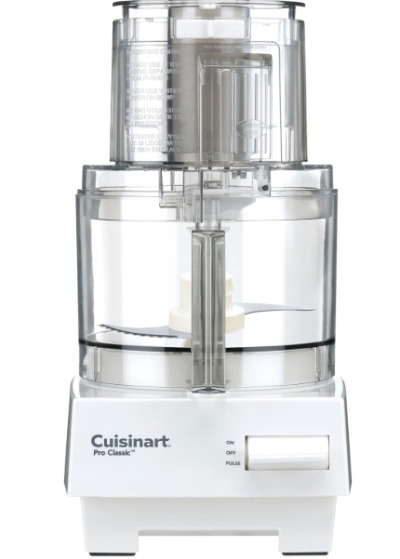
Cuisinart practically invented the home food processor. This 7-cup Pro Classic model carries on that legacy. It’s been a bestseller for years because it delivers professional results at a home-kitchen price.
The 600-watt motor provides serious power. This isn’t a wimpy machine that struggles with tough jobs. It tears through dense ingredients and runs continuously without overheating.
Best For:
Home cooks who want versatility will love this model. It handles everything from gentle mixing to aggressive chopping. People who cook from scratch regularly get the most value. The machine also suits small families or couples who prepare fresh meals often.
Key Features:
The extra-large feed tube stands out as a major convenience feature. You can fit whole apples, tomatoes, or potatoes without cutting them first. This saves prep time and reduces waste.
The stainless steel chopping blade stays sharp through years of use. It doesn’t dull quickly like cheaper blades. The slicing disc and shredding disc come standard, giving you three tools right out of the box.
The touchpad control panel includes on, off, and pulse options. You can run the machine continuously for smooth purees or pulse for chunky textures. The controls respond instantly without lag.
Safety locks prevent the motor from running unless the bowl and lid attach correctly. You can’t accidentally start it while loading ingredients. The motor won’t overheat because thermal protection shuts it down if it gets too hot.
Real-Life Performance:
This Cuisinart chops vegetables uniformly in seconds. Carrots turn into perfect coins. Cabbage becomes fine shreds for slaw. Onions dice evenly without turning to mush.
The shredding disc handles cheese beautifully. You can shred a block of cheddar in about 10 seconds. The results look way better than pre-shredded cheese from a bag. It also grates hard cheeses like parmesan without clogging.
For sauces and dips, the machine blends ingredients completely smooth. Hummus comes out creamy. Pesto reaches the perfect consistency. Salad dressings emulsify properly.
Dough kneading works well but requires attention. The motor is powerful enough, but you need to watch carefully and not overwork the dough. Pie crust and pizza dough both turn out great.
Honest Pros:
- Powerful 600-watt motor tackles tough jobs
- Large feed tube saves cutting time
- Simple controls anyone can understand
- Sturdy construction feels professional
- Great value for the performance level
- Bowl and lid are clear so you can see progress
- Replacement parts widely available
- Proven design that’s been refined over years
Honest Cons:
- White plastic can stain over time
- Lid can be tricky to align at first
- Louder than some competitors
- No storage for accessories
- Bowl markings wear off with heavy use
- Feed tube pusher feels less sturdy than the rest
Value Assessment:
This processor delivers excellent bang for your buck. The 600-watt motor competes with machines costing twice as much. It performs reliably year after year. Many users report 5-10 years of regular use without issues.
The included accessories give you versatility right away. You don’t need to buy extra parts to get started. For families who cook fresh meals regularly, this machine pays for itself in saved time and better meal quality.
3. La Reveuse Food Processor with 7-Cup Glass Bowl

Glass bowls in food processors remain fairly rare. Most manufacturers stick with plastic to save weight and cost. La Reveuse took a different approach with this model. The 1.7-liter glass bowl provides several advantages over plastic.
The 300-watt motor offers adequate power for most home cooking tasks. It’s not the strongest on this list, but it handles daily food prep duties competently.
Best For:
Health-conscious cooks who worry about plastic chemicals will appreciate the glass bowl. People who process acidic foods like tomatoes or citrus benefit from glass that won’t absorb odors or stains. The blue color also appeals to those who want their appliances to look distinctive.
Key Features:
The glass bowl won’t scratch, stain, or hold smells. You can process turmeric or beets without worrying about permanent discoloration. Glass also lets you see ingredients clearly from all angles during processing.
Four bi-level blades come included. The multi-level design means ingredients get cut at different heights simultaneously. This creates more uniform results faster. The blades handle chopping, grinding, mincing, and even whisking.
The compact design fits easily in standard cabinets. The glass bowl detaches completely for easy cleaning. You can wash it by hand or pop it in the dishwasher without concerns about warping.
Real-Life Performance:
The 300-watt motor does well with soft to medium-hard foods. It chops herbs beautifully, turning basil or parsley into fine bits in seconds. Soft vegetables like tomatoes and peppers process without issue.
For harder items, you need to cut them into smaller pieces first. Whole carrots or potatoes might strain the motor. But if you quarter them before processing, results come out fine.
The glass bowl makes cleanup notably easier than plastic. Oils and sticky ingredients rinse right off. You don’t get that cloudy film that develops on plastic bowls over time.
The whisk attachment works surprisingly well for light tasks. You can whip cream or beat eggs, though it won’t replace a stand mixer for heavy battering jobs.
Honest Pros:
- Glass bowl never stains or retains odors
- Clear visibility from all angles
- Easy to clean and stays looking new
- Four different blades increase versatility
- Compact footprint saves counter space
- Attractive blue color stands out
- BPA-free materials throughout
- Affordable price point
Honest Cons:
- 300-watt motor struggles with very hard foods
- Glass bowl adds significant weight
- Glass can break if dropped
- Smaller capacity than advertised 7 cups
- Motor not as durable as premium brands
- Louder than expected for the motor size
- Limited warranty coverage
Value Assessment:
This processor targets budget-conscious buyers who want glass construction. The price sits well below premium brands. For light to moderate use, it provides good value. Daily heavy-duty processing might wear it out faster than more robust models.
The glass bowl alone makes this worth considering if you’ve had bad experiences with stained plastic. Just understand you’re trading some power for that benefit.
4. Cuisinart 7-Cup Sleek Food Processor (Black)
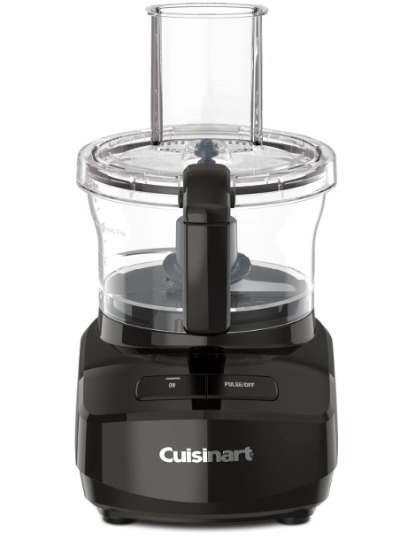
Cuisinart’s sleek model brings modern design to food processing. The black finish looks sharp on any countertop. This version strips away extra features for a streamlined experience.
Two control options keep things simple. You get basic functionality without complexity. The universal blade handles most common tasks without requiring accessory changes.
Best For:
Minimalists who hate cluttered kitchens will love this clean design. First-time food processor owners benefit from the simple learning curve. Small households that don’t need heavy-duty processing find this perfectly adequate.
Key Features:
The sleek housing design uses less counter space than bulkier models. The black finish hides fingerprints and looks professional. Clean lines give it a modern aesthetic that matches contemporary kitchens.
Two easy controls mean you can’t mess up operation. Push one button to run continuously. Push the other to pulse. That’s it. No confusing speed settings or complicated programming.
The universal blade tackles chopping, mixing, and even dough tasks. You don’t swap accessories for different jobs. This reduces parts to wash and storage needs.
The work bowl features measurement markings molded into the plastic. You can track quantities without using separate measuring cups. The pour spout makes transferring ingredients cleaner.
Real-Life Performance:
This machine chops vegetables quickly and evenly. Onions dice uniformly. Carrots turn into perfect pieces. Celery chops without stringy bits getting caught.
The universal blade mixes ingredients thoroughly. Dips blend smooth. Hummus reaches creamy consistency. Salsas combine evenly without turning to liquid.
For dough, the machine handles small batches well. Pizza dough for two pizzas works great. Larger amounts might overwhelm the motor or fill the bowl too full.
The pulse control gives you enough precision for most tasks. You can achieve coarse or fine chops depending on pulse duration. This flexibility covers lots of recipes.
Honest Pros:
- Modern sleek design looks expensive
- Super simple to operate
- Less parts to clean and store
- Compact size fits small kitchens
- Black finish is stylish and practical
- Affordable pricing
- Dishwasher-safe bowl and blade
- Quick assembly and disassembly
Honest Cons:
- Only one blade limits versatility
- No slicing or shredding discs included
- Smaller motor than the Pro Classic model
- Black plastic can show scratches over time
- Control buttons feel less responsive
- No storage solution for the blade
- Bowl capacity fills quickly with bulky items
Value Assessment:
This model trades features for affordability and simplicity. If you mainly chop vegetables and mix dips, it delivers great value. The lower price makes it accessible for tight budgets.
However, if you want to slice, shred, or handle tough jobs regularly, spending more for a fuller-featured model makes sense. This works best as a starter machine or backup processor.
5. Davivy 7-Cup Food Processor with Storage Drawer
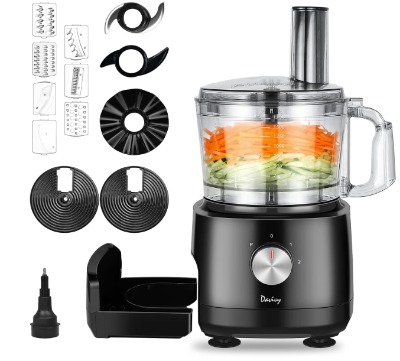
Davivy packed serious versatility into this machine. The built-in storage drawer solves the common problem of lost accessories. Ten different blades and discs give you options for almost any cutting task.
The 3-speed control lets you match motor power to ingredient hardness. This flexibility helps achieve better results across different foods.
Best For:
Home cooks who want maximum versatility in one machine benefit most. People who like making french fries, wavy chips, or specialized cuts get lots of value. Families who prepare varied meals appreciate having many options at their fingertips.
Key Features:
The storage drawer built into the base keeps all accessories organized. You never lose parts or dig through kitchen drawers looking for the right blade. Everything stays together in one unit.
Ten blades and discs handle every cutting style imaginable. You get standard chopping, slicing, and shredding. But you also get french fry cutting, wavy slicing, fine shredding, coarse shredding, and more. The dough blade kneads bread and pastry perfectly.
Three speed settings provide control. Low speed works for soft ingredients. Medium handles most vegetables. High speed tackles nuts and hard cheeses.
The black design looks professional and hides wear. The bowl capacity handles family-sized portions. All removable parts clean easily in the dishwasher.
Real-Life Performance:
The variety of blades means you can create restaurant-quality presentations. French fries come out uniform and professional-looking. Wavy-cut chips add visual interest to snacks and salads.
The three speeds make a real difference in results. Soft herbs don’t turn to paste on low speed. Hard vegetables don’t bog down the motor on high speed. You get better texture control.
The storage drawer proves incredibly convenient in daily use. When you need a specific blade, you pull out the drawer and grab it. No searching. No mess. Everything has its place.
Dough kneading works well with the dedicated blade. Bread dough develops proper gluten. Pie crust stays flaky. Cookie dough mixes evenly without overworking.
Honest Pros:
- Ten blades cover every cutting need
- Built-in storage keeps everything organized
- Three speeds provide excellent control
- Great value for the number of accessories
- Makes professional-looking cuts
- Compact despite all the features
- Easy to use for beginners
- Fun to experiment with different cuts
Honest Cons:
- Motor not as powerful as premium brands
- Build quality feels less substantial
- Some blades may rarely get used
- Learning curve for all the accessories
- Drawer mechanism could be sturdier
- Louder than higher-end models
- Limited warranty period
- Customer service less established than major brands
Value Assessment:
This processor offers tremendous value based on accessories alone. Buying all those blades separately would cost more than the entire unit. If you enjoy cooking and trying different techniques, this opens up creative possibilities.
The trade-off comes in build quality. This won’t last as long as a KitchenAid or premium Cuisinart. But for the price, you get years of versatile service. Budget-conscious buyers who want options get excellent value here.
Side-by-Side Comparison
Looking at all five processors together reveals clear differences. Each one targets different needs and priorities.
Power and Performance:
The Cuisinart Pro Classic leads with its 600-watt motor. It handles the toughest jobs without strain. The KitchenAid delivers solid performance despite not listing wattage – its single-speed design focuses power efficiently.
The two sleeker Cuisinarts and the Davivy sit in the middle range. They handle daily tasks fine but might struggle with continuous heavy use. The La Reveuse brings up the rear with 300 watts, adequate for soft to medium ingredients only.
Versatility:
The Davivy wins on sheer number of options. Ten blades mean you can tackle specialty cuts. The Cuisinart Pro Classic balances versatility with quality – fewer accessories but better performance.
The KitchenAid keeps things focused with essential tools done well. The sleek Cuisinart sacrifices versatility for simplicity. The La Reveuse offers good basic coverage with four blades.
Build Quality:
KitchenAid sets the standard with metal components and hefty construction. The Cuisinart Pro Classic follows closely with professional-grade materials. Both should last a decade or more.
The La Reveuse stands out with its glass bowl but uses lighter construction elsewhere. The sleek Cuisinart and Davivy use more plastic components to hit lower price points. They’ll serve you well for several years but won’t become family heirlooms.
Ease of Use:
The sleek Cuisinart takes first place for simplicity. Two buttons and one blade mean anyone can figure it out instantly. The KitchenAid runs a close second with its press-and-hold operation.
The Cuisinart Pro Classic requires minimal learning. The Davivy needs more time to master all the accessories. The La Reveuse sits in the middle – simple operation but you need to understand the glass bowl’s limitations.
Price to Value:
The Davivy delivers the most features per dollar spent. The Cuisinart Pro Classic offers excellent performance for reasonable money. The La Reveuse provides good value if glass matters to you.
The KitchenAid costs more but justifies it with longevity. The sleek Cuisinart hits a sweet spot for budget buyers who don’t need bells and whistles.
Buying Guide: What to Consider
Motor Power:
Look for at least 400 watts for regular use. Less power works if you mainly process soft ingredients. More power matters for nuts, hard cheese, and dense vegetables. Higher wattage also means the motor runs cooler and lasts longer.
Don’t get fooled by peak horsepower claims. Sustained wattage tells the real story. A 600-watt motor will outperform a “1-horsepower” motor that only hits that power for split seconds.
Bowl Material:
Plastic bowls are lightweight and durable. They can stain and scratch but won’t shatter if dropped. Glass resists stains and scratches but adds weight and breaks if mishandled. Both clean well in dishwashers.
Check that plastic is BPA-free. Quality plastic should be thick and rigid, not flimsy. Glass bowls should use tempered glass for extra safety.
Feed Tube Size:
Wider feed tubes save prep time. You can process whole vegetables and fruits without pre-cutting. Narrow tubes mean more knife work before processing.
Some models include both wide and narrow tubes. The narrow tube helps with small items like garlic cloves or ginger that might bounce around in a wide opening.
Blade Quality:
Stainless steel blades stay sharp longer than cheaper metals. The blade should feel heavy and substantial. Thin, light blades dull quickly and may bend.
Look for blades with multiple cutting surfaces. Straight and serrated edges handle different textures better. Dishwasher-safe blades make cleanup easier.
Safety Features:
Good processors won’t run unless the bowl and lid lock properly. This prevents accidents and spills. The motor should stop immediately when you open the lid.
Thermal protection prevents motor burnout. If the motor overheats, the machine shuts down temporarily. This extends the motor’s life significantly.
Noise Level:
Food processors make noise – that’s unavoidable. But some are much louder than others. Generally, plastic housings amplify sound more than metal ones.
If noise bothers you, look for models with sound-dampening features. Running the machine on a rubber mat also helps reduce vibration noise.
Storage:
Compact models fit in standard cabinets more easily. Built-in cord storage keeps things tidy. Accessory storage solutions prevent losing parts.
Think about whether you’ll leave it on the counter or put it away. Countertop storage requires attractive design. Cabinet storage needs compact dimensions.
Warranty:
Better brands offer 3-5 year warranties. Budget models might only cover one year. Longer warranties suggest the manufacturer trusts their product’s durability.
Read the warranty terms. Some only cover the motor, not accessories. Others require you to pay shipping both ways for repairs.
Who Should Buy These Processors?
The KitchenAid KFP0718:
Buy this if you want an appliance that becomes part of your kitchen family. Serious home cooks who bake regularly get the most value. People who appreciate quality tools and don’t mind paying for them will love this machine.
Skip it if you’re on a tight budget or only process food occasionally. The premium price makes sense for frequent users but wastes money for casual cooks.
The Cuisinart Pro Classic DLC-10SYP1:
This fits home cooks who want professional results without professional prices. Families who cook from scratch several times per week benefit most. People who value proven performance over trendy features should grab this.
Pass on it if you need specialized accessories or want compact storage. The standard features cover most needs, but specialty tasks might require additions.
The La Reveuse Glass Bowl Processor:
Health-focused buyers who worry about plastic contact with food will appreciate this. People who process lots of acidic or staining ingredients benefit from glass. Those wanting an affordable entry into food processing get decent value here.
Avoid it if you need serious power or plan heavy daily use. The motor limitations make this better for light to moderate tasks only.
The Sleek Cuisinart (Black):
First-time food processor buyers should consider this simplified model. Minimalists who hate complicated appliances get exactly what they need. Small households or individuals living alone don’t need more capacity or features.
Look elsewhere if you want versatility or plan to tackle tough jobs. The single blade and basic motor limit what you can accomplish.
The Davivy with Storage Drawer:
Creative cooks who enjoy experimenting with different cuts and techniques will have fun with this. Budget-conscious buyers wanting maximum features get excellent value. Families who make varied meals benefit from all the options.
Skip it if you want top-tier durability or only use basic functions. The extensive accessories go to waste if you stick with simple chopping.
Common Mistakes to Avoid
Overfilling the Bowl:
Most 7-cup processors work best when filled only 2/3 full. Maxing out capacity leads to uneven processing. Food at the top barely gets touched while food at the bottom turns to mush.
Process in batches for large quantities. It takes a few extra minutes but produces much better results. Your ingredients will be uniformly chopped rather than a mess of different sizes.
Processing Too Long:
More time doesn’t always mean better results. Over-processing turns vegetables to mush and meat to paste. It can also overheat the motor.
Use short pulses and check frequently. You can always process more, but you can’t undo over-processing. Most tasks take 10-30 seconds at most.
Wrong Speed for the Task:
If your processor has multiple speeds, use them strategically. Low speeds work for soft items and gentle mixing. High speeds tackle hard ingredients and thorough blending.
Starting at high speed with delicate ingredients splatters and damages texture. Starting too slow with hard foods strains the motor unnecessarily.
Ignoring the Feed Tube Pusher:
Never stick your fingers into the feed tube while the machine runs. Always use the pusher provided. This seems obvious but accidents happen when people rush.
The pusher also helps guide ingredients for more even cutting. Using it properly improves results and keeps you safe.
Skipping the Cleanup:
Dried food on blades and bowls becomes hard to remove. Wash parts right after use or at least rinse them. Many food processors are dishwasher safe, making cleanup simple.
Neglected processors develop stuck-on residue and stains. A quick wash takes two minutes and prevents much harder scrubbing later.
Not Checking Blade Sharpness:
Dull blades force you to process longer, stressing the motor. They also produce inferior results – torn herbs instead of clean cuts, mashed vegetables instead of diced pieces.
Test your blade occasionally by chopping onions. If they turn to mush instead of dicing cleanly, the blade needs sharpening or replacing. Most blades last 2-3 years with regular use.
Using Wrong Blade for the Job:
The chopping blade shouldn’t slice vegetables – that’s what the slicing disc does. The dough blade shouldn’t chop nuts. Using the right tool for each task improves results dramatically.
Learn what each accessory does best. The manual explains this, but experimentation helps you understand the differences.
Final Verdict: Which One Wins?
No single food processor dominates every category. Your best choice depends on your specific needs, budget, and cooking style.
For Overall Excellence:
The Cuisinart Pro Classic DLC-10SYP1 takes the crown for most home cooks. It balances power, features, quality, and price beautifully. The 600-watt motor handles anything you throw at it. The included accessories cover all basic needs. The price remains reasonable for the performance level.
This processor serves you reliably for years without breaking down. It tackles daily cooking tasks effortlessly. From quick vegetable chops to complex dough recipes, it performs consistently well.
For Premium Quality:
The KitchenAid KFP0718 wins if budget isn’t your main concern. The construction quality exceeds all competitors. This machine will likely outlast the others by years. The simple, powerful design delivers professional results every time.
You pay more upfront but get appliance-quality durability. For serious home cooks who use their food processor almost daily, this investment pays off.
For Best Value:
The Davivy edges out competitors on pure cost-to-features ratio. Ten blades for this price seems almost too good. The built-in storage drawer adds convenience you don’t get elsewhere.
Yes, the motor and construction don’t match premium brands. But for casual to moderate use, this delivers excellent bang for your buck. Creative cooks on a budget get to experiment without breaking the bank.
For Health-Conscious Buyers:
The La Reveuse with its glass bowl serves a specific niche well. If plastic concerns worry you, this solves that problem. The glass won’t leach anything into your food. It stays clear and clean-looking for years.
The motor limitations mean you can’t expect heavy-duty performance. But for processed sauces, dips, and soft vegetable prep, it works fine at an affordable price.
For Simplicity Seekers:
The sleek Cuisinart wins for pure ease of use. Two buttons and one blade mean zero confusion. First-time users can operate it confidently right out of the box.
The trade-off in versatility might frustrate more experienced cooks. But for basic tasks, this delivers exactly what you need without complications.
Making Your Decision
Think about how you actually cook, not how you wish you cooked. If you realistically only chop vegetables and make the occasional dip, you don’t need ten blades. A simple, reliable machine serves you better.
If you bake weekly or process tough ingredients regularly, invest in stronger motors and better construction. The frustration of a weak machine outweighs any money saved.
Consider your kitchen space honestly. Will this live on your counter or hide in a cabinet? Frequent cabinet storage favors compact models. Countertop placement needs attractive design.
Read reviews from actual buyers, not just specifications. Real-world experiences reveal quirks and issues that specs don’t show. Pay attention to long-term durability reports.
The best 7-cup food processor is the one you’ll actually use. A feature-packed machine that intimidates you sits unused. A simple model that fits your cooking style becomes a daily helper.
Start with a clear understanding of your needs. Match those needs to the strengths of each model. Don’t overspend on features you won’t use. But don’t cheap out on quality if you’ll use it heavily.
Any of these five processors can serve you well in the right circumstances. The key is finding the right match between machine capabilities and your cooking reality. Take your time, think it through, and you’ll end up with a kitchen tool that earns its place on your counter or in your cabinet.

Hi, I’m Mary, the founder of KitchenClue.com. I’m deeply passionate about everything that makes a kitchen smarter, easier, and more enjoyable. I share hands-on insights and practical expertise on kitchen gear that truly helps in daily cooking. Along with my dedicated research team, we study products carefully, and our writers create honest, well-tested reviews using trusted, authentic sources—so you can choose kitchen tools with total confidence.