Can You Put A Dutch Oven In The Fridge: Safe Storage Tips
Yes, you can, but cool it first and avoid thermal shock or rust.
If you have wondered can you put a dutch oven in the fridge, you are not alone. I have cooked with cast iron for years, and I have tested this many times. In this guide, I explain when it is safe, what to avoid, and how to do it right. You will get clear steps, brand-based tips, and food safety notes. Let’s make your fridge storage simple and safe.
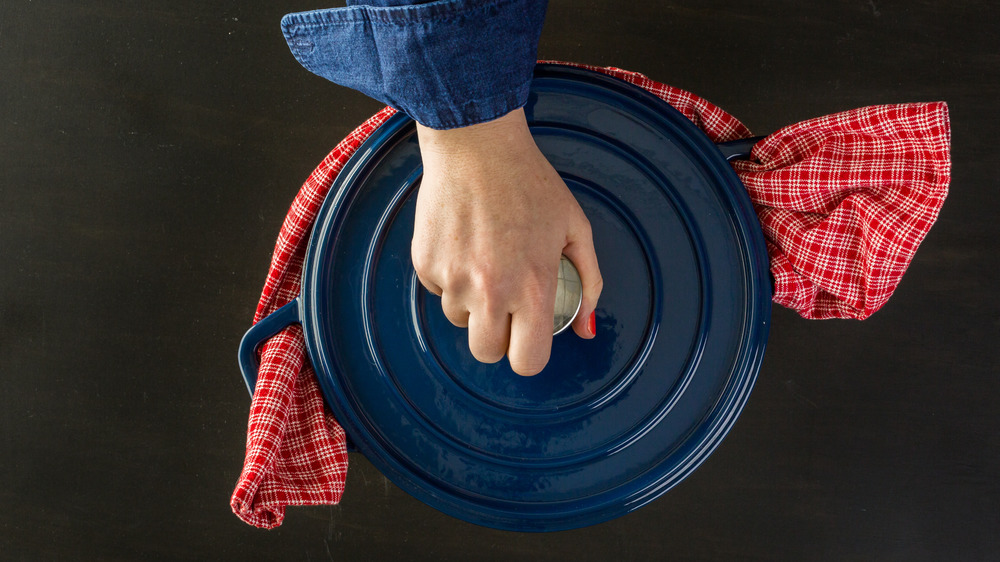
Is it safe to put a Dutch oven in the fridge?
Yes, with a few rules. An enameled cast iron Dutch oven is fridge safe once it has cooled. Bare cast iron is trickier because moisture can cause rust. Heavy lids help keep smells out, but they are not airtight.
Short answer to can you put a dutch oven in the fridge: yes, if it is cool and clean. Most makers of enameled cast iron allow fridge storage. They warn against sudden temperature shock. Always read your brand’s care guide.
Many cooks ask, can you put a dutch oven in the fridge after braising? You can, but let it reach room temp first. Thick cast iron holds heat. This can keep food in the danger zone if you chill it too soon. So, can you put a dutch oven in the fridge for overnight storage? Yes, and it is handy for next-day flavor.
Quick hits:
- Can you put a dutch oven in the fridge with hot food? No. Let it cool first to prevent enamel stress and food safety risks.
- Will the lid seal odors? Partly. Use plastic wrap or a silicone lid under the top for a better seal.
- Is the weight a problem? Most shelves hold it, but place it gently and centered.

Risks to know (and how to avoid them)
Thermal shock. Sudden cold on a hot pot can stress enamel or a glass lid. Let the pot cool on a trivet until it is near room temp. If you are in a rush, set the pot in a shallow ice bath before the fridge.
Food safety. Thick cast iron cools slowly. Follow safe cooling rules: within 2 hours from hot to room temp, then chill. To speed it up, ladle food into shallow containers. Or remove the lid and stir until steam slows.
Rust on bare cast iron. Moist air in a fridge can cause rust. Acidic foods, like tomato sauce, make it worse. If the pot is not enameled, avoid long fridge storage. Transfer to glass or stainless.
Odors and stains. Enamel is non-porous, but strong foods and fridge odors can linger. Use a wrap or parchment under the lid. Clean with baking soda if needed.
Fridge shelf stress. Dutch ovens are heavy when full. Set them on the center of a sturdy shelf. Avoid door bins. Most shelves can hold 40 to 50 pounds, but check your manual.
The biggest mistake with can you put a dutch oven in the fridge is moving it while hot. Wait until it is safe to touch. This protects your pot, food, and fridge glass.

Step-by-step: How to refrigerate a Dutch oven the right way
Follow these steps I use at home and in test kitchens:
- Cool it down
- Remove the pot from heat.
- Take off the lid and let steam escape for 10 to 20 minutes.
- Stir a few times to release heat.
- If you must rush, place the pot (on a towel) in a shallow ice bath.
- Prep for the fridge
- For enameled cast iron: wipe the rim dry to prevent rust on the bare edge.
- For bare cast iron: transfer food to a non-reactive container if storing more than a few hours.
- Place parchment or plastic wrap under the lid for a better seal.
- Store safely
- Put the pot on the center shelf.
- Leave a small vent for 30 minutes if food is still warm, then close fully.
- Label with date.
- Reheat smart
- Reheat low and slow on the stovetop.
- Do not take it straight from fridge to high heat.
- Bring it up gently to avoid stress.
Here is how to handle can you put a dutch oven in the fridge the right way. It is simple, safe, and keeps flavors bold.

Materials and parts: What matters most
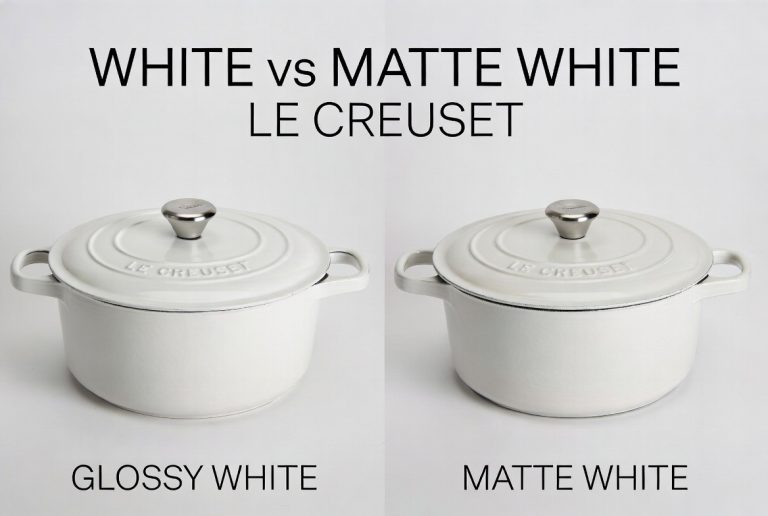
Enameled cast iron. This is best for fridge storage. It is non-reactive and easy to clean. Brands like Le Creuset, Staub, and Lodge note fridge use is fine after cooling.
Bare cast iron. I avoid storing acidic foods in it. It can darken sauces and may rust. If you must, line with parchment and keep it brief. Dry the pot well and oil lightly after washing.
Lids and knobs. Metal knobs are fine. Phenolic knobs are also safe in the cold. The lid is not airtight. Use plastic wrap or a silicone cover for leaks and odors. Glass lids can crack with shock, so cool first.
Whether can you put a dutch oven in the fridge depends on coating and care. With enamel and slow cooling, it is smooth sailing.

Real-world uses and tips from the kitchen
Leftovers and make-ahead meals. I often braise short ribs on day one, then chill the whole enameled pot. The fat solidifies on top. Day two, I skim and reheat. The flavor gets deeper and cleaner.
Marinades and brines. Use the Dutch oven for big cuts like brisket or turkey parts. Enamel is great here. For bare cast iron, I skip it. Acidic brines can strip seasoning.
Soup and chili. I regularly test can you put a dutch oven in the fridge with soup and stew. It works well. Cool first, then store. Reheat gently with the lid cracked.
Dough and cold proofing. For bread dough, a bowl is easier, but a clean enameled pot also works. Lightly oil, cover, and chill overnight.
Smell control. Line the lid with wrap or silicone. Add a small box of baking soda to the fridge if you store aromatic stews often.
Personal note. I once chilled coq au vin in a 5.5-quart enameled pot. I cooled it on the counter, set parchment under the lid, and stored it overnight. The next day, the sauce was silky and rich. The pot was spotless after a quick wash.

Cleaning and food safety after storage
Handling cold pots. Do not put a cold pot on high heat right away. Warm it gently. Avoid extreme swings.
Cleaning. Wash with warm soapy water. For stuck-on bits, soak and use a nylon brush. For odors, make a paste of baking soda and water. Rinse and dry fully.
Rust watch. Check the rim and any exposed iron. Dry well and add a thin coat of oil if needed.
Food safety. Follow the two-hour rule for cooling, and keep the fridge at or below 40°F. Eat leftovers within 3 to 4 days. Reheat to 165°F for safety.
Food safety wise, can you put a dutch oven in the fridge with hot food? Not advised. Cool first to protect the enamel and to stay within safe time and temperature limits.

Frequently Asked Questions of can you put a dutch oven in the fridge
Can you put a dutch oven in the fridge while it’s still warm?
No. Let it cool until warm to the touch or room temp first. Sudden cold can stress enamel and slow safe cooling.
Is it okay to store tomato sauce in a bare cast iron Dutch oven?
No for long storage. Acid reacts with bare iron and can cause off flavors and rust. Use enameled cast iron or glass.
Will a Dutch oven lid keep odors out in the fridge?
Partly. The seal is tight but not airtight. Add plastic wrap or a silicone cover under the lid for better odor control.
Can your fridge shelf handle the weight of a full Dutch oven?
Usually yes, but place it on a center shelf. Avoid door bins and check your fridge manual for weight limits.
How long can leftovers stay in a Dutch oven in the fridge?
Three to four days is standard for most cooked foods. Reheat to 165°F and avoid repeated cool-reheat cycles.
Why can you put a dutch oven in the fridge without cracking the enamel?
Because enamel handles cold well if cooled first. The risk comes from rapid temperature swings, not the cold itself.
Can you put a dutch oven in the fridge with the lid off?
Yes, for quick cooling at first. After 30 minutes, cover it to prevent drying and odors.
Conclusion
You can store food in your Dutch oven in the fridge with confidence. Cool it first, protect enamel from thermal shock, and follow food safety rules. Use enamel for acidic foods, seal well, and reheat gently for best results.
Try it with your next stew or braise. Let flavors meld overnight, then enjoy a deeper, richer dish the next day. If this helped, subscribe for more kitchen-tested tips, or leave a comment with your own Dutch oven tricks.

Hi, I’m Mary, the founder of KitchenClue.com. I’m deeply passionate about everything that makes a kitchen smarter, easier, and more enjoyable. I share hands-on insights and practical expertise on kitchen gear that truly helps in daily cooking. Along with my dedicated research team, we study products carefully, and our writers create honest, well-tested reviews using trusted, authentic sources—so you can choose kitchen tools with total confidence.