Can Pacifiers Go In The Dishwasher: Safe Guide 2026
Yes—most pacifiers are top-rack dishwasher safe, if the brand says so.
If you have ever wondered can pacifiers go in the dishwasher, you are not alone. I have cleaned more pacifiers than I can count, and I have tested every method. In this guide, I explain when it is safe, what to check on the label, and how to do it right. You will learn what works, what to avoid, and how to keep your baby safe with less stress.

What “dishwasher safe” really means for pacifiers
The big question is simple: can pacifiers go in the dishwasher? The fuller answer depends on the material and the maker. Many brands mark pacifiers as top-rack dishwasher safe. But there are limits.
Here is what to check:
- Material type. Most silicone pacifiers handle heat well. Latex may age faster in high heat.
- One piece vs multi piece. One-piece pacifiers are safer and clean better. Fewer gaps mean less trapped milk or saliva.
- Maker’s care guide. Look for “top rack only” and “sanitize cycle allowed” on the box or site.
- Coatings and extras. Paint, glow parts, or stickers may not like hot water and strong soap.
From years of use and product testing, I have found that can pacifiers go in the dishwasher is a yes for most modern silicone, one-piece models. Still, always read the brand note first.
Are all pacifiers dishwasher safe?
No. Many are, but not all. Stick to what the maker says on the package.
What rack should I use?
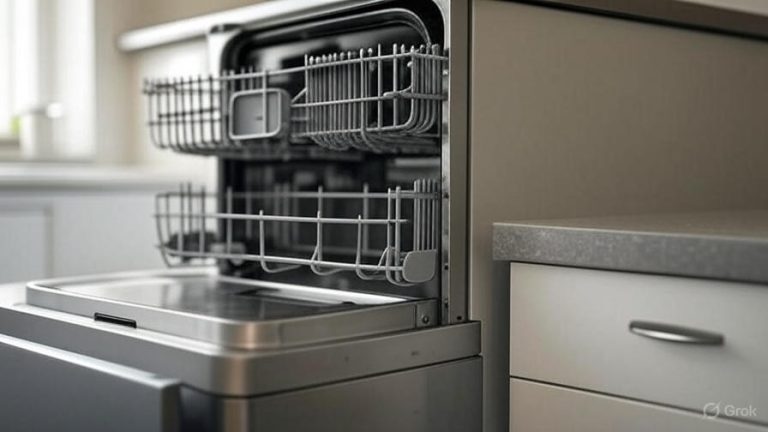
Use the top rack only. Heat is lower there, which helps protect soft parts.
Does the dishwasher replace sterilizing?
Sometimes. A sanitize cycle can work like sterilizing. If your baby is under three months or ill, sanitize daily by brand-safe methods.

The short answer with smart caveats
So, can pacifiers go in the dishwasher? Yes, if the brand says so and you use the top rack. Use a small mesh basket or a baby dishwasher caddy. Choose a hot water cycle, and use heated dry or a sanitize cycle if allowed.
A quick check list:
- Silicone and one-piece designs clean best.
- Latex can dry out or get sticky faster with heat.
- Painted shields may fade.
- Always inspect the nipple after each wash.

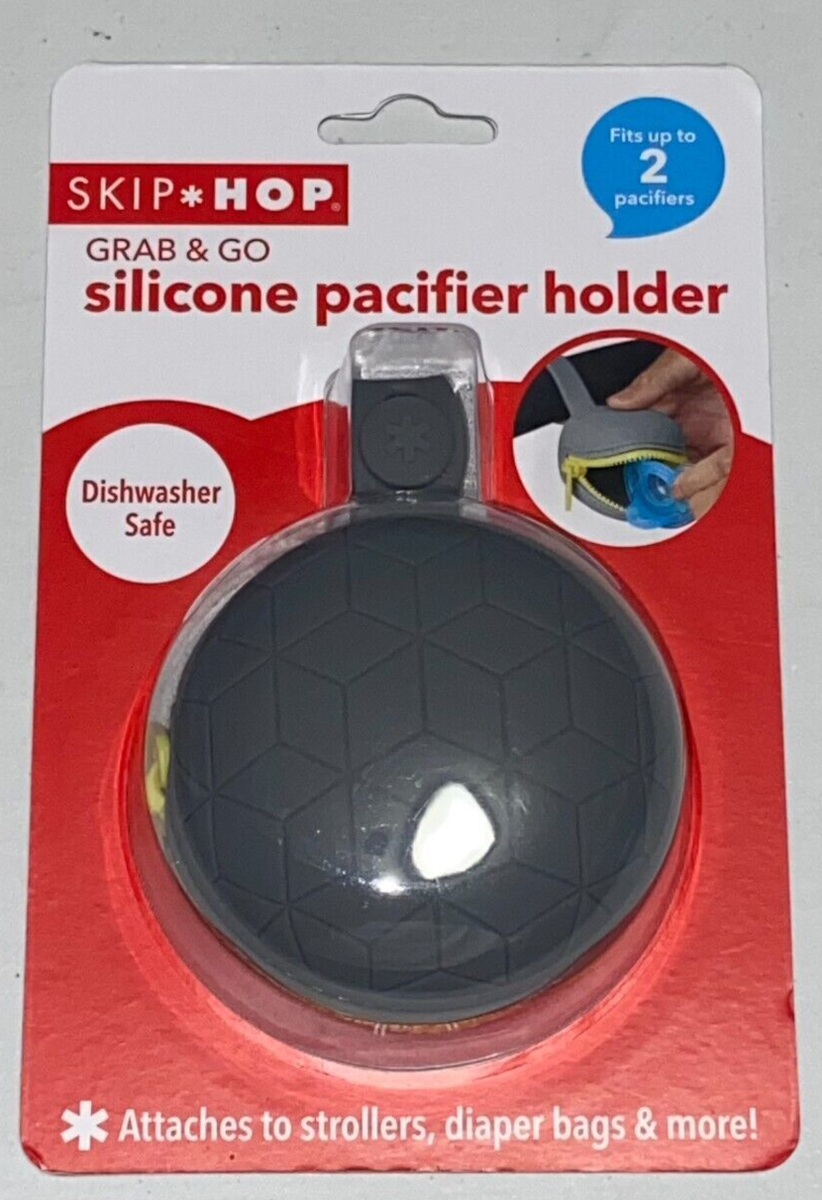
Source: ebay.com

Step-by-step: how to wash pacifiers in the dishwasher
Can pacifiers go in the dishwasher without extra work? Yes, with a few simple steps.
- Rinse first. Knock off milk or formula under warm water.
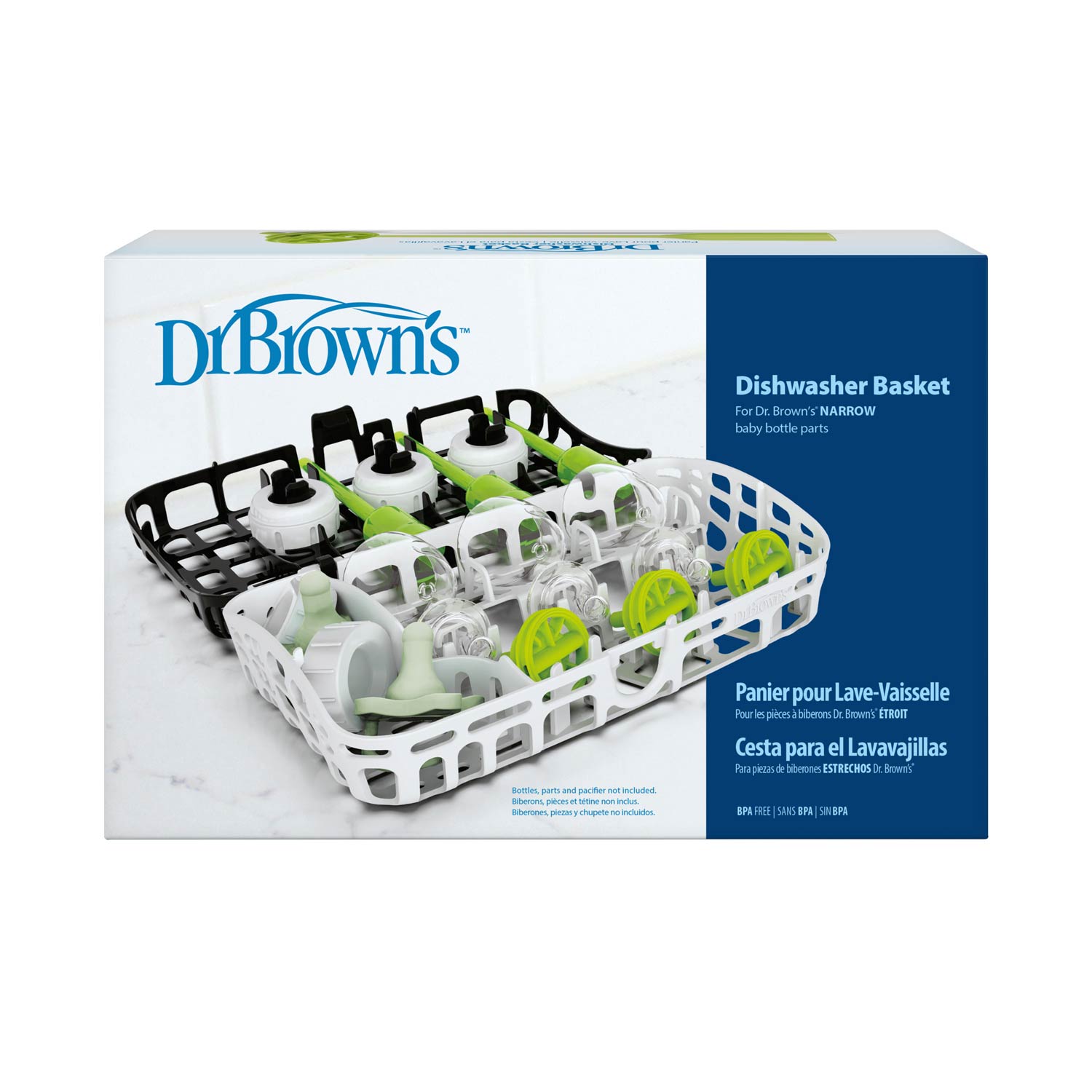
- Place in a small basket. A baby dishwasher caddy keeps small parts safe.
- Top rack only. Keep pacifiers away from the heating element.
- Use a mild, fragrance-free detergent. Baby-safe options help reduce scent and film.
- Choose normal or heavy with hot water. If the brand allows, use sanitize.
- Use heated dry or air dry. Heat helps kill more germs. Air dry on a clean rack if needed.
- Remove and inspect. Squeeze the nipple to press out water from any vent holes.
- Check for wear. Look for tears, cracks, or sticky spots.
- Store clean. Use a clean container with ventilation.
After many cycles, I learned to skip rinse aids with strong scents. Some can leave a taste. A clear, mild detergent worked best for us.
Cleaning vs sanitizing: what parents should know
Can pacifiers go in the dishwasher for daily cleaning? Yes. But there is a difference between clean and sanitized.
- Clean means dirt and milk are gone.
- Sanitized means many germs are also killed.
Follow these simple rules:
- First use. Boil for five minutes or use a steam sterilizer, per the brand’s guide.
- Under three months or premature. Clean after each use and sanitize daily.
- Older, healthy babies. Daily cleaning is fine. Sanitize during illness or after drops in public places.
- Dishwasher sanitize cycle. Use it if your brand allows it. Some dishwashers meet NSF standards for sanitizing.
Other safe ways to sanitize:
- Boiling water on the stove for five minutes.
- Microwave steam bags made for baby items.
- Electric steam sterilizers that fit pacifiers.
Avoid harsh chemicals unless the brand says it is safe. If you must use a bleach solution due to water safety issues, follow exact baby-safe dilution, soak, then rinse well with safe water.

Risks and limits of dishwashing pacifiers
Can pacifiers go in the dishwasher without any risk? Not always. Here is what to watch.
- Latex wear. Heat can age latex faster. It may get sticky or crack.
- Painted parts. Designs can fade or flake.
- Soap taste. Strong scents can leave a film or taste.
- Trapped water. Vent holes may hold water. Squeeze it out after the cycle.
- Warping. Very high heat or a bottom-rack spot can warp a shield.
Mistakes to avoid:
- Skipping the top rack.
- Letting pacifiers fall to the bottom and touch the heater.
- Using harsh detergent or too much soap.
- Keeping a pacifier with any crack or tear.
If you see clouding, sticky spots, or swelling, toss it. Your baby’s mouth is not a place to take risks.

Alternatives when you do not have a dishwasher
Can pacifiers go in the dishwasher is a common ask, but you have great options if you do not have one.
- Hand wash. Use warm water and mild soap. Rinse well. Air dry on a clean rack.
- Boil. Five minutes in boiling water. Let cool fully.
- Microwave steam bags. Quick and easy for travel or small spaces.
- Electric steam sterilizer. Good for daily use if you prefer a set routine.
- UV sterilizers. Fast, but check the brand’s approval for UV exposure.
These methods work well for small homes, travel, and late-night cleanups.

Materials matter: silicone vs latex and design types
Can pacifiers go in the dishwasher depends a lot on what they are made of.
- Silicone. Heat tolerant. Keeps shape. Handles dishwashers well.
- Latex. Softer feel. May degrade faster with heat and age.
- One-piece design. Fewer joints. Safer and easier to clean.
- Multi-piece design. More nooks. Clean with care and inspect more often.
I lean toward one-piece silicone pacifiers for dishwashing. They hold up, clean fast, and keep their shape.

Real-life tips from years of cleaning pacifiers
I used to clean pacifiers by hand at 1 a.m. That was a pain. Moving to a nightly top-rack routine saved time. Here is what helped most.
- Use a dishwasher caddy. No more lost pacifiers at the bottom of the machine.
- Do a quick rinse after each use. Dried milk is harder to remove later.
- Keep two or three spares. One in the car, one by the crib, one in the diaper bag.
- Inspect right away. A tiny crack means it is time to replace it.
- Rotate pacifiers. This evens out wear and gives sets time to dry.
From my experience, can pacifiers go in the dishwasher is not just yes. It is yes, and it can save your sanity.
How to choose a dishwasher-friendly pacifier
Can pacifiers go in the dishwasher? Choose models that say yes on the label.
Look for:
- One-piece, medical-grade silicone.
- Clear “top-rack dishwasher safe” wording.
- BPA free and compliant with safety standards.
- A shield with good airflow and smooth edges.
- A brand that lists cleaning steps on the box or site.
Avoid:
- Painted designs that chip.
- Unknown materials without care guides.
- Pacifiers that trap water and never seem to dry.
Read reviews with photos from real use. You will spot patterns on fit, wear, and wash results.
A simple hygiene routine that works
Can pacifiers go in the dishwasher as part of a daily routine? Yes. Keep it simple.
- Daily. Rinse after use. Top-rack wash at night.
- Weekly. Sanitize if your baby is young or sick.
- Every cycle. Inspect the nipple. Look for tears or sticky areas.
- Replace. Every four to eight weeks, or sooner if damaged.
Store clean pacifiers in a dry, ventilated case. Moist, closed spaces invite germs.
Frequently Asked Questions of can pacifiers go in the dishwasher
Can pacifiers go in the dishwasher every day?
Yes, if the brand says they are top-rack safe. Inspect after each wash and replace at any sign of wear.
Does the sanitize cycle damage pacifiers?
Most silicone pacifiers handle sanitize cycles. Latex may age faster, so follow the maker’s care guide.
What detergent should I use for pacifiers?
Use a mild, fragrance-free detergent. Avoid heavy scents that may leave a taste.
How often should I replace a pacifier?
Replace every four to eight weeks, or sooner if you see cracks, stickiness, or swelling. Always replace after any damage.
Can dishwasher cleaning replace boiling for newborns?
A sanitize cycle may help, but many brands still advise a first boil. For babies under three months, sanitize daily.
Is it safe to use rinse aid with pacifiers?
It is generally safe, but strong scents can leave a taste. If in doubt, skip it or use a gentle, clear option.
What if water gets inside the nipple after washing?
Squeeze the nipple to push water out. Let it air dry fully before use.
Conclusion
Can pacifiers go in the dishwasher? Yes, with the right brand, the top rack, and a quick inspect after each wash. Use silicone, keep a simple routine, and sanitize when age or illness calls for it.
Set up a nightly top-rack cycle, add a small caddy, and cut your sink time in half. Want more baby care shortcuts like this? Subscribe for new guides, or share your best pacifier tip in the comments.

Hi, I’m Mary, the founder of KitchenClue.com. I’m deeply passionate about everything that makes a kitchen smarter, easier, and more enjoyable. I share hands-on insights and practical expertise on kitchen gear that truly helps in daily cooking. Along with my dedicated research team, we study products carefully, and our writers create honest, well-tested reviews using trusted, authentic sources—so you can choose kitchen tools with total confidence.