Can You Fry In A Nonstick Pan: 2026 Guide To Crisp Results
Yes. You can fry in a nonstick pan with care, heat control, and the right oil.
If you have ever wondered can you fry in a nonstick pan, you are not alone. I test cookware for a living and have fried hundreds of cutlets, fish fillets, and fritters in nonstick. This guide explains how nonstick reacts to heat, what works, what fails, and the exact steps I use at home and on the job. By the end, you will know when can you fry in a nonstick pan is a great idea, and when to grab another pan instead.
How Nonstick Coatings Behave When You Fry
Nonstick pans use two main coatings. PTFE (often called Teflon) and ceramic (a silica-based sol-gel). Both are slick, but they act a bit different under heat.
- PTFE stays very slippery and handles daily use well. Most makers rate it safe up to about 500°F. Above that, the coating can break down.
- Ceramic can brown food a touch faster. It runs hotter on the surface but may lose its slick feel sooner with heavy use.
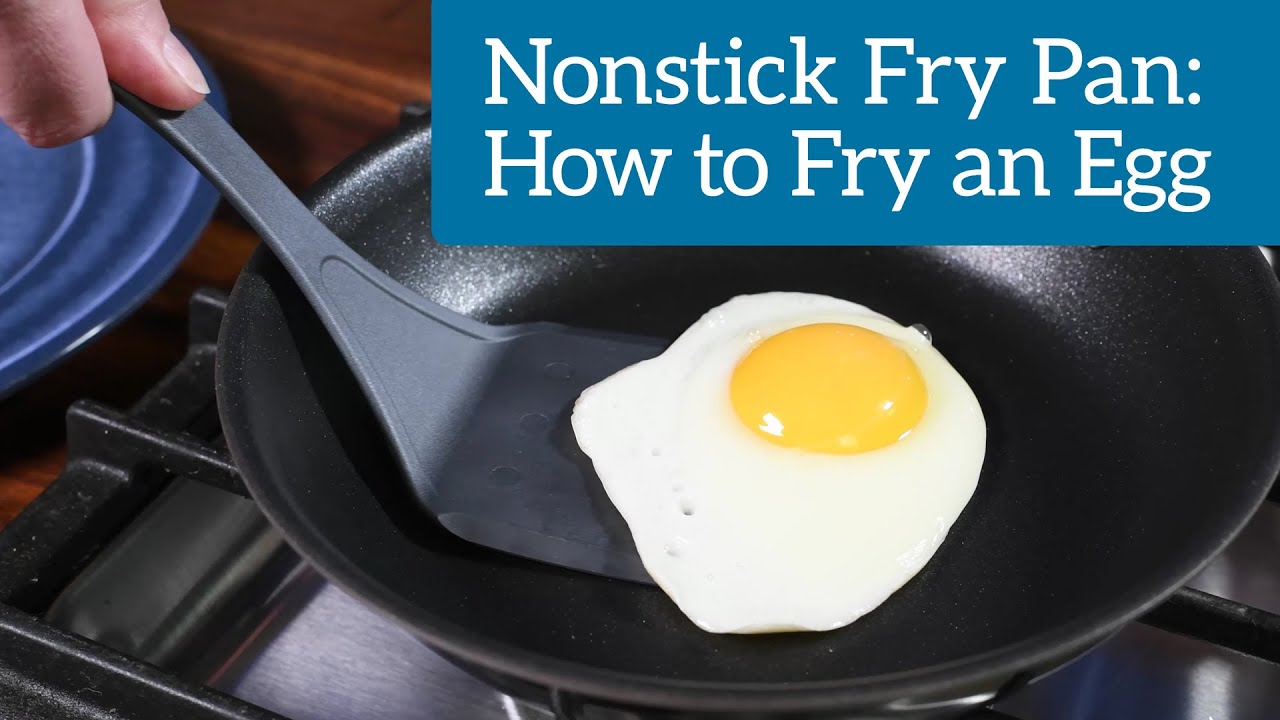
Frying means hot oil and constant contact with food. That asks a lot from any coating. So, can you fry in a nonstick pan during daily cooking? Yes, if you keep heat in check, use enough oil, and avoid scratches.
Shallow fry and pan-fry are where nonstick shines. You can get a crisp crust on fish, tofu, or schnitzel with less sticking and less cleanup. Deep frying is possible too, but you must manage heat with care and pick a stable oil.
:max_bytes(150000):strip_icc()/Scrambled-Eggs-in-Nonstick-Skillet-2000-84031e6cffbd4296aa6d8fdbda30b727.jpg)
Deep Frying in Nonstick: What You Need to Know
Deep frying runs at about 350 to 375°F. That sits below most nonstick limits, but long, high heat can stress coatings and warp thin pans. Some brands say not to deep fry in their nonstick pans. They worry about oil splatter, hard cleanup, and damage from heat spikes.
From my tests, can you fry in a nonstick pan for deep fry tasks? Yes, for short batches, if you use a heavy, flat pan and a thermometer. I did tempura in a 10-inch PTFE pan at 360°F. The results were crisp and light. But after several long rounds, the rim dulled and cleanup took more work. I now save deep fry for stainless, cast iron, or an electric fryer, and use nonstick for shallow fry.
If you still deep fry in nonstick:
- Use a thick, wide pan and fill oil no more than one third up.
- Never preheat an empty nonstick. Warm the oil and pan together at medium.
- Hold 350 to 365°F. Raise or lower the flame in small steps.
- Skip spray oils. They form buildup that sticks.
:max_bytes(150000):strip_icc()/__opt__aboutcom__coeus__resources__content_migration__serious_eats__seriouseats.com__images__2026__04__20160323-french-omelet-vicky-wasik--6-1500x1125-d88f571c78b849f2b33832b4bcfad807.jpg)
The Best Way to Shallow Fry and Pan-Fry in Nonstick
This is the sweet spot. It is the fast lane for weeknight crisp. Think chicken cutlets, pork schnitzel, fish fillets, tofu, and veggie fritters. If you ask can you fry in a nonstick pan for these jobs, the answer is a strong yes.
Follow these steps:
- Pat food dry and season well. Moisture is the enemy of crisp.
- Dredge in flour or crumbs if you want a crust. Shake off the extra.
- Add 2 to 4 tablespoons of oil to the pan. Preheat over medium until it shimmers.
- Test with a wooden spoon tip; steady bubbles mean ready.
- Lay food away from you. Do not crowd the pan. Leave room for oil to flow.
- Fry until edges turn golden, then flip with a silicone or wood tool.
- Drain on a rack or paper towel. Salt right away for crunch.
Personal tip: I keep two nonstick pans. One for eggs and pancakes. One for frying and cutlets. This spreads wear and keeps eggs gliding for years.

Oil Choice, Smoke Points, and Heat Control
Oil matters as much as the pan. You need oil that stays stable at fry temps. It should not smoke early or taste burnt.
Good picks:
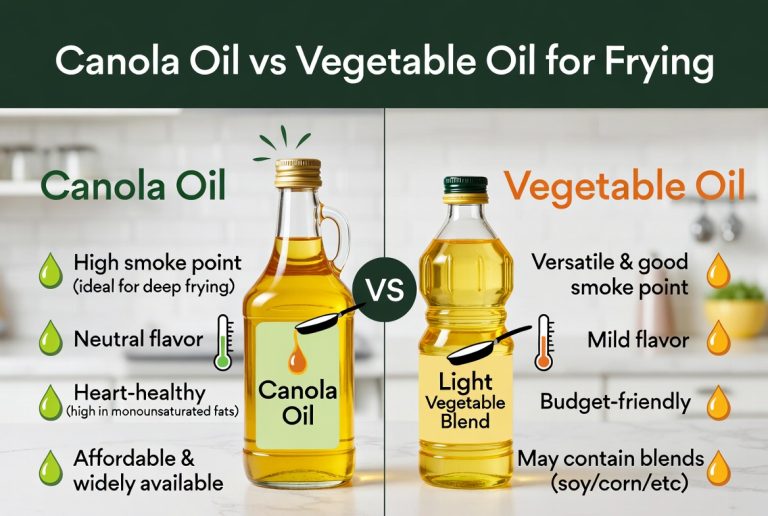
- Peanut, canola, rice bran, or refined avocado oil for higher smoke points.
- Light olive oil works for medium heat tasks.
Avoid extra-virgin olive oil for hot frying. It smokes early and leaves bitter notes. Keep a cheap, reliable probe or clip-on thermometer nearby. It is the best answer to can you fry in a nonstick pan without smoke and mess.
Heat tips:
- Medium or medium-high is your friend. High heat risks damage.
- Turn the heat down between batches to avoid creeping temps.
- Watch the oil. Shimmer is good. Smoke is too hot.
When to Choose Another Pan
Some jobs are tough on nonstick. Use stainless steel, carbon steel, cast iron, or a wok for these tasks.
- Hard searing thick steaks at very high heat.
- Blackening, broiling, or oven work above the maker’s limit.
- Stir-fry over roaring heat with metal tools.
- Sugar work and caramel that needs high heat and fond.
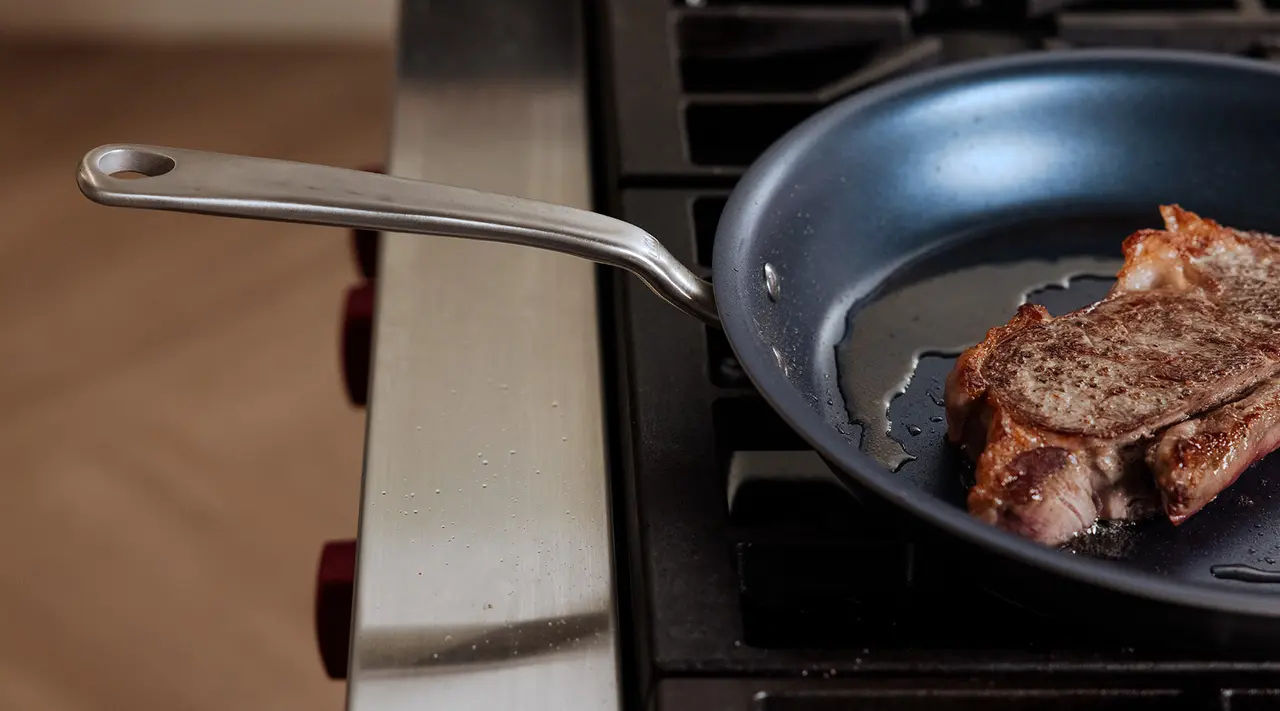
So, can you fry in a nonstick pan for steakhouse sear? You can, but you will not get the same dark crust. Save nonstick for delicate foods. Use heavy steel for deep browning.
Care, Safety, and Lifespan
Modern PTFE pans are made without PFOA. That is good news. Still, keep temps under 500°F and use good airflow. Birds are very sensitive to fumes, so keep them away from hot kitchens.
Care tips:
- Hand wash with warm water, mild soap, and a soft sponge.
- Avoid metal tools. Use wood, silicone, or nylon.
- Store with a pan protector or towel between pans.
- Recondition sometimes. Warm the pan, rub a thin film of oil, and wipe dry.
Ceramic pans can brown well at first, but often lose glide faster. PTFE tends to last longer with gentle use. Expect one to three years of prime performance, based on use. If you keep asking can you fry in a nonstick pan and do it often, plan to replace the pan sooner.

Real-Life Tests and Dishes That Shine
Here are fast, proven wins from my kitchen trials.
- Crispy tofu: Press, dust in cornstarch, and fry in 2 to 3 tablespoons oil at medium. Turn every 2 minutes until golden. Finish with soy and chili crisp.
- Chicken cutlets: Pound thin, dredge in flour, egg, and crumbs. Fry at 340 to 350°F until deep gold, about 3 minutes per side.
- Fish fillets: Pat dry, light flour coat, and fry in neutral oil. The fish flips clean and stays whole.
- Hash browns: Rinse and squeeze dry. Spread a thin layer in hot oil. Do not touch until the edges brown, then flip with a wide spatula.
- Zucchini fritters: Salt, squeeze, bind with egg and flour. Fry small scoops; drain well.
If you want less stress and less sticking, can you fry in a nonstick pan for these foods? Absolutely. It is fast, clean, and repeatable.

Troubleshooting and Common Mistakes
If food is soggy, your oil was too cool or the pan was crowded. Fry in smaller batches and reheat the oil between rounds.
If food sticks, the oil may be too cold or you flipped too soon. Wait for the edges to brown and release. Ask yourself again: can you fry in a nonstick pan and still get crisp? Yes, with the right heat and patience.
If you see smoke, lower the heat at once. If there is sticky residue, simmer a little water with baking soda for a few minutes, cool, then wash. If the coating is scratched or flaking, retire the pan. Safety first.

Frequently Asked Questions of can you fry in a nonstick pan
Can you fry in a nonstick pan at high heat?
You can fry at medium to medium-high heat, not blasting high. Keep oil under its smoke point and below the pan’s limit.
Will deep frying ruin my nonstick pan?
Not if you control heat and use a sturdy pan, but it can speed wear. For frequent deep frying, use cast iron, stainless, or a dedicated fryer.
Which oil is best for frying in nonstick?
Pick oils with higher smoke points like peanut, canola, rice bran, or refined avocado. Avoid extra-virgin olive oil for hot fry work.
Do I need a lot of oil in a nonstick pan?
No. For shallow fry, 2 to 4 tablespoons is often enough. The key is even heat and room for the food to cook.
Can metal utensils be used while frying in nonstick?
Avoid metal tools, which can scratch and shorten pan life. Use silicone, wood, or nylon.
How do I know the oil is ready?
Look for a shimmer and test with a wooden spoon tip for steady bubbles. A thermometer reading near 340 to 365°F is ideal.
Conclusion
Yes, you can fry in a nonstick pan and get crisp, clean results. Keep heat in the safe zone, pick the right oil, and work in batches. For deep, hard sears or very high heat, switch to stainless, carbon steel, or cast iron.
Try one of the methods above this week, even a simple cutlet or tofu fry. You will gain skill fast and keep your pan in great shape. Want more gear tips and easy fry recipes? Subscribe, ask a question, or share your own nonstick wins in the comments.

Hi, I’m Mary, the founder of KitchenClue.com. I’m deeply passionate about everything that makes a kitchen smarter, easier, and more enjoyable. I share hands-on insights and practical expertise on kitchen gear that truly helps in daily cooking. Along with my dedicated research team, we study products carefully, and our writers create honest, well-tested reviews using trusted, authentic sources—so you can choose kitchen tools with total confidence.